




If you’ve ever wondered what lies beneath the surface of the psychedelic renaissance, magic truffles offer a fascinating entry point. Unlike their more famous cousins, magic mushrooms, these underground structures have carved out a unique legal and cultural niche, particularly in the Netherlands. But what exactly are magic truffles, how do they interact with your brain, and what does the science say about their effects? Let’s explore the biology, neuroscience, and practical realities of these intriguing fungi.
What Are Magic Truffles?
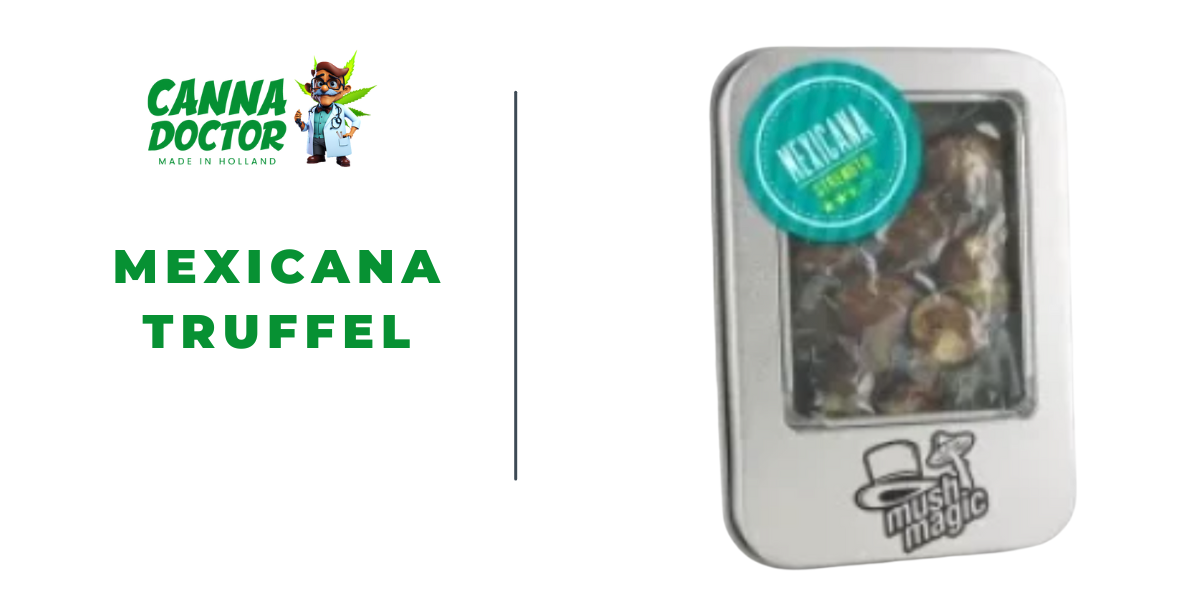
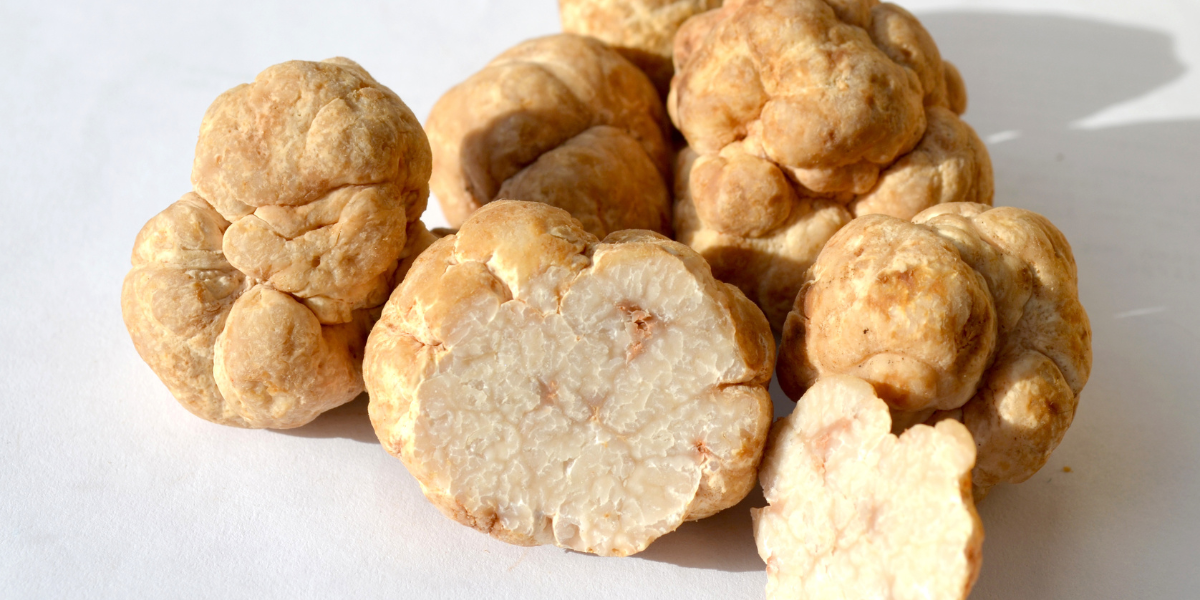
Magic truffles are not actually truffles in the culinary sense. Instead, they’re sclerotia, hardened masses of fungal mycelium that certain species of Psilocybe mushrooms produce as survival mechanisms. When environmental conditions turn harsh, fungi like Psilocybe mexicana, P. tampanensis, and P. atlantis create these dense, underground nutrient reserves to weather the storm.
Think of sclerotia as nature’s storage units. While the familiar mushroom cap and stem grow above ground to spread spores, truffles develop below the surface, packed with energy reserves and, crucially, the psychoactive compound psilocybin. Both forms contain the same active ingredients, but they differ in structure, formation, and, in some places, legal status.
It’s worth noting that share no biological relationship with the gourmet truffles (like Tuber melanosporum) that chefs shave over pasta. The name simply reflects their underground growth and knobbly appearance.
Psilocybin Content and Potency
The psychoactive punch in magic truffles comes from psilocybin, which your body converts into psilocin, the compound that actually binds to brain receptors. Potency varies considerably by species, batch, and growing conditions. Fresh P. mexicana truffles typically contain 0.59 to 1.68% psilocybin by weight, while P. tampanensis runs slightly lower at 0.31 to 0.68% when dried.
What matters most isn’t whether you choose truffles or mushrooms, but the specific strain and dose you consume. Gram for gram, well-cultivated truffles often deliver more consistent psilocybin levels than mushrooms, where potency can swing wildly depending on whether you’re eating caps (higher concentration) or stems (lower concentration).
Magic Truffles vs. Magic Mushrooms
Here’s where things get interesting. Pharmacologically, there’s virtually no difference between the experiences produced by magic truffles and magic mushrooms. Both deliver psilocybin and psilocin; both produce similar visual shifts, emotional openness, and altered states of consciousness. The journey you take depends far more on your dose, mindset, and
Truffles tend to take slightly longer to kick in, likely because their dense structure requires more time to digest. But once the psilocybin enters your bloodstream and converts to psilocin, the neurological effects mirror those of mushrooms almost exactly.
Cultural and Historical Perspective
Psilocybin-containing fungi have been used for thousands of years in indigenous spiritual and healing ceremonies, particularly in Mesoamerica. The Aztecs called them teonanácatl, “flesh of the gods,” and employed them in religious rituals to commune with the divine.
Modern scientific interest exploded in the mid-20th century, with landmark studies like the 1962 Marsh Chapel Experiment, where Harvard researchers administered psilocybin to divinity students during a Good Friday service. The results were striking: participants reported profound mystical experiences that many described as among the most meaningful of their lives, effects that persisted decades later.
After a long regulatory freeze following the 1970 Controlled Substances Act, research has roared back. Today, institutions like Imperial College London, Johns Hopkins, and others are conducting rigorous clinical trials, revealing psilocybin’s potential for treating depression, anxiety, addiction, and existential distress.
Legal Status Overview
The legal landscape for magic truffles is a patchwork of prohibition, decriminalization, and outright permission. Understanding where you stand legally is essential before considering use.
Netherlands: Magic truffles enjoy full legal status, sold openly in licensed “smart shops” and taxed like any other retail product. Interestingly, magic mushrooms were banned in 2008 following a few high-profile incidents, but the law didn’t explicitly mention sclerotia. This regulatory loophole allowed truffles to remain legal, creating a thriving, regulated market.
United States: Federally, psilocybin remains a Schedule I controlled substance, meaning it’s illegal to possess, sell, or use. However, a growing number of cities and states have decriminalized or deprioritized enforcement. Oregon and Colorado have legalized regulated therapeutic use, while cities like Denver, Oakland, and Seattle have deprioritized prosecution for personal possession.
Canada: Psilocybin is illegal, classified as a Schedule III substance. However, Health Canada has granted Section 56 exemptions for end-of-life patients and clinical research, signaling cautious openness to therapeutic exploration.
Europe: Most European countries prohibit psilocybin-containing fungi. Portugal and Spain have decriminalized personal use, and in some nations, spores (which don’t contain psilocybin) remain legal to buy and possess. Laws are evolving, so check local regulations.
Jamaica and Brazil: Both countries have no explicit laws prohibiting psilocybin mushrooms or truffles, creating grey areas where retreats and ceremonies operate relatively openly.
How Magic Truffles Work in the Brain
Biological Structure and Chemistry
At the molecular level, magic truffles are storage organs crammed with nutrients and psilocybin, a tryptamine alkaloid chemically similar to serotonin. When you consume truffles, digestive enzymes break down the psilocybin, removing a phosphate group to create psilocin, the active compound that crosses the blood-brain barrier.
Psilocin’s structure closely resembles serotonin, allowing it to bind to serotonin receptors throughout the brain, particularly the 5-HT2A receptor. This receptor is densely concentrated in the prefrontal cortex and other regions involved in perception, mood, and cognition.
Psilocybin and Brain Activity
The magic happens when psilocin floods these serotonin receptors. Rather than simply boosting mood like conventional antidepressants, psilocin fundamentally alters brain network activity. Functional MRI studies reveal that psilocybin disrupts the brain’s usual patterns, particularly in the Default Mode Network (DMN).
The DMN is a collection of interconnected brain regions active when you’re daydreaming, reflecting on yourself, or thinking about the past and future. It’s the neural basis of your sense of self, your inner narrator. Psilocybin quiets this network, loosening the rigid thought patterns that characterize conditions like depression and anxiety.
At the same time, psilocybin dramatically increases communication between brain regions that don’t normally talk much. Imagine your brain as a city: typically, neighborhoods (neural networks) handle their own business with limited cross-town traffic. Psilocybin opens new roads, creating a rush-hour of connectivity across the entire city. This hyperconnectivity underlies the rich, often overwhelming sensory and emotional experiences users report.
Neuroplasticity and Connectivity
Perhaps the most exciting recent discovery is psilocybin’s impact on neuroplasticity, the brain’s ability to form new connections and reorganize itself. Studies published in Nature Neuroscience in 2025 and earlier work from Washington University show that a single psilocybin dose increases the brain’s flexibility and connectivity for days to weeks afterward.
This isn’t just a temporary high. Animal research demonstrates that psilocybin promotes the growth of dendritic spines, the tiny protrusions on neurons where synapses form. More spines mean more potential connections, more adaptability, and potentially, more capacity to break free from entrenched negative thinking.
In clinical populations, this enhanced neuroplasticity appears to underpin psilocybin’s rapid antidepressant effects. Where traditional SSRIs may take weeks to work and often provide only partial relief, psilocybin-assisted therapy has shown significant, durable improvements in depression symptoms after just two or three sessions.
Current Science Highlights
The clinical evidence base for psilocybin is growing rapidly and robustly. A landmark 2021 trial from Imperial College London found that psilocybin therapy outperformed escitalopram (a leading SSRI) on several depression measures, with effects persisting months after treatment.
In 2024, a study in JAMA Network Open confirmed that psilocybin produces rapid and sustained reductions in depressive symptoms, with many participants achieving remission. Ongoing trials registered at ClinicalTrials.gov are investigating psilocybin for PTSD, alcohol and nicotine addiction, obsessive-compulsive disorder, and existential distress in terminal illness.
Preclinical work is even more ambitious. A 2025 study from Emory University published in Nature found that psilocybin might promote cellular longevity and resilience, hinting at broader health benefits beyond mental health. While this research is in early stages, it points to psilocybin’s wide-ranging effects on brain and body systems.
Scientific and Wellness Effects
Acute Effects
When you consume magic truffles, the journey typically unfolds in phases. After ingestion, psilocybin absorption begins in the stomach and small intestine. You’ll usually start noticing the first changes within 45 to 90 minutes: a sense of anticipation, slight visual brightening, or a tingling body sensation.
As effects intensify over the next hour, perceptual shifts deepen. Colors may seem more vivid, patterns may appear to breathe or shimmer, and sounds can take on new emotional resonance. Many people experience waves of euphoria, deep introspection, or feelings of interconnectedness with others and nature.
Time perception often warps. Minutes can stretch into what feels like hours, or entire experiences can seem to pass in an instant. Emotional barriers may soften, allowing buried feelings or insights to surface. Some users report mystical or spiritual experiences characterized by a sense of unity, transcendence of time and space, and profound meaning.
Peak effects generally occur around two to three hours post-ingestion, gradually tapering over the following hours. The entire experience lasts four to six hours, though subtle aftereffects (a gentle “afterglow” of openness and clarity) may linger for days.
Long-Term and Clinical Effects
Beyond the acute journey, psilocybin’s real promise lies in its lasting impact. Clinical trials consistently report sustained improvements in mood, reduced anxiety, and enhanced well-being weeks to months after treatment. For individuals with treatment-resistant depression, psilocybin therapy has offered relief where multiple medications failed.
Studies also point to improvements in cognitive flexibility, creativity, and openness to experience. Users often describe lasting shifts in perspective, enhanced appreciation for life, and reduced fear of death, particularly in palliative care settings.
The neuroplasticity boost appears crucial here. By temporarily loosening rigid neural patterns and opening new pathways, psilocybin may allow therapeutic insights and behavioral changes to take root more deeply than traditional talk therapy alone.
Animal research and preliminary human data suggest psilocybin might even support healthy brain aging and cellular resilience, though this work is in its infancy. The takeaway: psilocybin’s effects extend well beyond a single experience, reshaping brain function and potentially supporting long-term mental health.
Wellness and Therapeutic Use Cases
Clinical Therapy: In controlled settings, psilocybin is administered alongside psychotherapy to treat depression, anxiety, PTSD, and addiction. Sessions are carefully prepared, with therapists guiding intention-setting, providing support during the experience, and facilitating integration afterward.
Microdosing: Some people take sub-perceptual doses (typically one-tenth to one-fifth of a full dose) every few days, hoping to enhance mood, creativity, and focus without full psychedelic effects. Early research and anecdotal reports suggest potential benefits, but robust clinical data remain limited. Microdosing is not a proven therapy, and rapid tolerance can diminish effects quickly.
Ceremonial and Spiritual Use: Outside clinical trials, magic truffles are used in guided retreats and ceremonies, particularly in the Netherlands. Trained facilitators create safe, supportive environments for participants to explore consciousness, process emotions, and pursue personal growth.
Experience Timeline
Understanding the timeline helps set expectations and prepare appropriately:
- 0 to 45 minutes (Onset): Ingestion, first subtle shifts in perception, mild body sensations.
- 45 to 90 minutes (Come-Up): Effects intensify, visual and emotional changes become pronounced.
- 90 minutes to 3 hours (Peak): Maximum intensity, profound perceptual and cognitive shifts, potential mystical experiences.
- 3 to 6 hours (Descent): Gradual return to baseline, reflective phase, lingering insights.
- 6+ hours (Afterglow): Subtle residual openness and clarity, opportunity for integration.
Dosage, Onset, and Duration
Standard Dosage Guidelines
Dosing magic truffles requires attention to body weight, experience level, and desired intensity. Fresh truffles contain significant moisture, so doses are measured higher than dried mushrooms.
- Light Dose: 5 to 7 grams fresh (roughly 1 to 1.5 grams dried equivalent). Suitable for first-timers or those seeking mild perceptual shifts.
- Moderate Dose: 10 to 15 grams fresh. Classic psychedelic experience with significant visual and emotional effects.
- Strong Dose: 20+ grams fresh. Intense, potentially overwhelming experiences; recommend only for experienced users in safe settings.
Potency varies by species and batch. P. tampanensis (“Philosopher’s Stones”) tends toward the gentler end, while P. atlantis can be quite potent. When in doubt, start low and go slow. You can always take more next time, but you can’t un-take a dose.
Absorption and Onset
Most users consume truffles raw, chewing them thoroughly to aid digestion. Some prefer brewing them into tea (steeping in hot, not boiling, water) to speed absorption and reduce nausea. Consuming truffles on an empty stomach accelerates onset; eating beforehand can delay effects and reduce intensity.
Expect to feel initial effects within 45 to 90 minutes. Individual metabolism, recent food intake, and even genetic factors can influence timing, so patience is key.
Duration
The full psychedelic experience lasts approximately four to six hours. After the peak subsides, you’ll enter a gentler phase often marked by clarity, emotional openness, and reflective calm. Many people find this afterglow period ideal for journaling, conversation, or simply resting in newfound insights.
Legal Status, Safety, and Risks
Global Legality Summary
| Country / Region | Truffles Legal? | Notes |
|---|---|---|
| Netherlands | Yes | Sold in licensed shops, fully regulated |
| United States | No (federally), some cities decriminalized | Oregon, Colorado allow regulated therapy; possession still federally illegal |
| Canada | No (except research) | Section 56 exemptions for therapy/end-of-life care |
| Europe | Mostly illegal | Portugal/Spain decriminalized personal use; spores often legal |
| Jamaica, Brazil | Yes / Grey area | No explicit prohibition |
Always verify current laws in your jurisdiction. Regulations are evolving rapidly as research advances and public attitudes shift.
Trip Preparation and Safety
Safe, meaningful psilocybin experiences depend heavily on “set and setting,” the mindset you bring and the environment you create.
Set (Mindset):
Approach the experience with intention. What do you hope to explore? Are you in a stable emotional state? Anxiety, unresolved trauma, or mental health instability can amplify challenging experiences.
Setting (Environment):
Choose a safe, comfortable, familiar space. Dim lighting, calming music, and minimal external demands reduce the chance of anxiety or confusion. Avoid crowded, unpredictable, or stressful environments.
Trip Sitter:
Especially for first-timers or higher doses, have a sober, trusted friend present. They won’t interfere unless needed, but their calm presence provides reassurance and safety.
Avoid Mixing Substances:
Combining truffles with alcohol, cannabis, or other drugs increases unpredictability and risk. Stick to psilocybin alone.
Risks and Contraindications
Physical Toxicity:
Psilocybin has extremely low physical toxicity. There’s no known lethal dose in humans; overdose deaths are virtually non-existent. Acute physical side effects may include nausea, increased heart rate, or mild coordination issues, but these are temporary and manageable.
Psychological Risks:
The primary risks are psychological. “Bad trips” featuring intense anxiety, paranoia, or confusion can occur, particularly in unstable settings or in individuals with latent mental health vulnerabilities. While distressing, these experiences typically resolve as the drug wears off.
Contraindications:
Do not use psilocybin if you have:
- Personal or family history of schizophrenia or psychotic disorders
- Bipolar disorder or severe mood instability
- Current use of SSRIs, MAOIs, or other medications that interact with serotonin pathways (consult a doctor)
- Heart conditions or medications affecting cardiovascular function
Rapid Tolerance:
Psilocybin produces rapid tolerance. Taking another dose within a few days will result in significantly diminished effects. Most users wait at least a week, often longer, between experiences.
Red Flags for Use
Ask yourself:
- Am I in a stable mental state, or am I using this to escape unresolved problems?
- Do I have a personal or family history of severe mental illness?
- Am I taking medications that might interact dangerously?
- Is my environment safe, supportive, and free from external pressures?
If any answer raises concern, reconsider or consult a healthcare professional before proceeding.
Interactive Myth-Buster Table
| Misconception | Reality | |—|—| | Truffles are weaker than mushrooms | Potency depends on strain and dose, not form | | Legal means universally safe | Legality ≠ absence of psychological risk | | Psilocybin is addictive | No evidence of physical dependence; tolerance builds quickly | | Microdosing is proven effective | Emerging research; robust data still limited | | Home use substitutes for therapy | Clinical benefits require professional support and integration |
Wellness Integration and Practical Guidance
Intentional Use
Approaching magic truffles with intention transforms the experience from recreation into exploration. Before consuming, spend time reflecting: What do I hope to learn? What emotions or patterns am I ready to confront? What questions do I carry?
Journaling before and after the experience helps clarify intentions and capture insights. Some people create playlists, set up comfortable spaces with meaningful objects, or meditate beforehand to ground themselves.
Integration Best Practices
Integration is where the real work happens. The hours and days following a psilocybin experience offer a window of heightened neuroplasticity and emotional openness. How you use this window shapes whether insights translate into lasting change.
Practical Integration Steps:
- Rest and Reflect: Give yourself time. Avoid rushing back into stressful routines. Gentle walks, quiet time, or creative expression help process the experience.
- Journal: Write freely about what you saw, felt, and learned. Patterns and meanings often emerge in writing that weren’t obvious during the trip.
- Talk: Share your experience with trusted friends, therapists, or integration circles. Verbalizing insights helps solidify and contextualize them.
- Act: Identify concrete changes you want to make and take small steps. Psilocybin can reveal what needs to shift, but only you can do the shifting.
Ceremonial and Spiritual Contexts
In the Netherlands and select other locations, guided ceremonies and retreats offer structured environments for psilocybin experiences. Trained facilitators provide preparation sessions, hold space during the journey, and support integration afterward.
These settings can be valuable for those seeking deeper exploration in a supportive community. Look for facilitators with strong training, ethical standards, and transparent practices. Avoid anyone promising miracle cures or demanding excessive fees without clear credentials.
Microdosing Practicalities
If you choose to explore microdosing, approach it methodically:
- Source Legally: In the Netherlands, buy from licensed shops. Elsewhere, ensure compliance with local laws.
- Measure Accurately: Use a scale. Typical microdoses range from 0.1 to 0.3 grams dried equivalent (roughly 0.5 to 1.5 grams fresh truffles).
- Follow a Schedule: Common protocols include dosing every third day (one day on, two days off) to mitigate tolerance.
- Track Effects: Keep a journal noting mood, productivity, and any side effects. Be honest about placebo influence.
- Re-evaluate: After a month or two, assess whether microdosing is genuinely beneficial or if other interventions might serve you better.
Further Resources
Understanding magic truffles and psilocybin is an ongoing journey. Here are key resources for deeper exploration:
Scientific and Clinical Studies:
- Nature Neuroscience (2025): Psilocybin’s effects on brain connectivity and neuroplasticity.
- JAMA Network Open (2024): Clinical outcomes for psilocybin in depression treatment.
- Drug Testing and Analysis: Psilocybin content in truffles and mushrooms.
Legal Information:
- Psychedelic Alpha’s Worldwide Psychedelic Laws Tracker: Up-to-date legal status by country.
Safety and Harm Reduction:
- Health Canada’s guidance on psilocybin.
- MAPS (Multidisciplinary Association for Psychedelic Studies): Resources on safe use and integration.
Magic truffles represent a unique convergence of ancient wisdom and cutting-edge neuroscience. Whether you approach them with clinical curiosity, spiritual intention, or wellness goals, understanding their biology, effects, and risks empowers you to make informed, responsible choices. The psychedelic renaissance is unfolding, and knowledge remains your most valuable guide.