Herbal Remedies vs Synthetic Supplements: Benefits, and Choosing What’s Best
Walk into any health store or browse online wellness retailers, and you’ll find yourself facing a dizzying array of bottles,

Ordered before 5pm = Shipped today

Discreet Shipping & Transactions

Proven and tested effectiveness
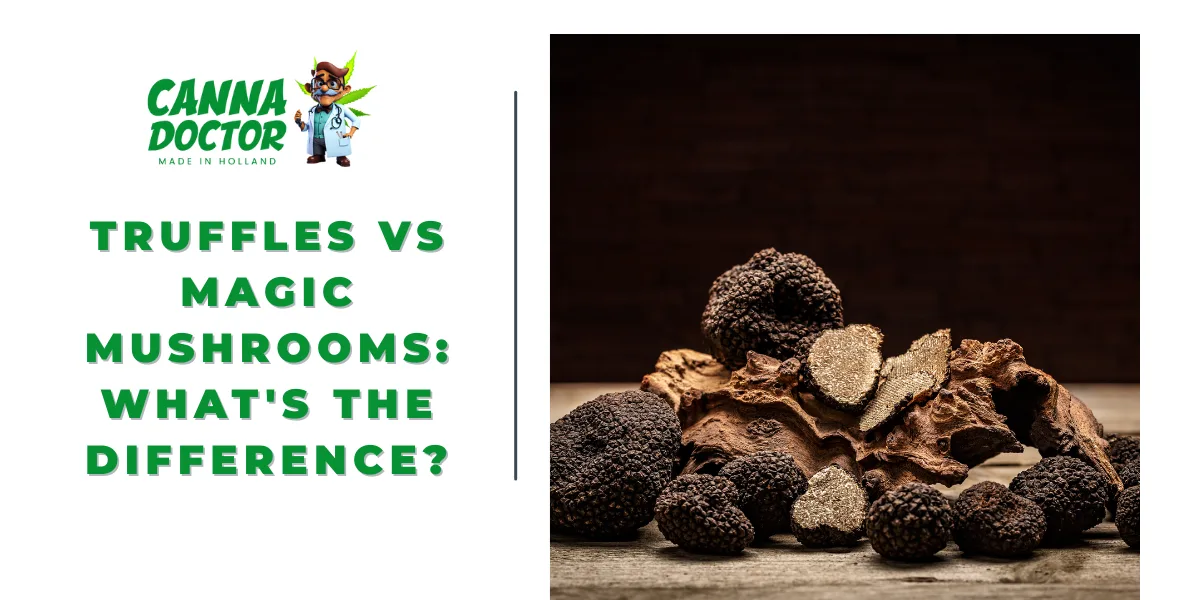
If you’re exploring psychedelics for the first time, you’ve probably stumbled across two terms that sound confusingly similar: magic mushrooms and magic truffles. Are they the same thing? Different species? Legal loopholes? The confusion is real, and it matters more than you’d think when it comes to safety, legality, and what you can actually expect from your experience.
Let’s cut through the noise. This isn’t about gourmet cuisine or fancy French delicacies. We’re talking about psilocybin-containing fungi that can alter your perception, shift your mental state, and potentially offer therapeutic benefits. Understanding the difference between truffles and mushrooms isn’t just academic curiosity. It’s essential knowledge for anyone considering psychedelics, whether for personal exploration, microdosing, or therapeutic purposes.
The stakes are higher than you might realize. Legal status varies wildly depending on which form you’re looking at and where you are in the world. Dosing differs. Storage requirements aren’t the same. Even the risk of accidentally poisoning yourself changes depending on whether you’re dealing with above-ground fruiting bodies or underground sclerotia.
Magic mushrooms are the classic psychedelic most people picture when they think of psilocybin. These are the actual fruiting bodies of certain fungi, most commonly species from the Psilocybe genus like Psilocybe cubensis and Psilocybe semilanceata. Think of them as the visible, above-ground reproductive structures that fungi produce to spread their spores.
Structurally, they look like what you’d expect: a stalk topped with a cap, gills underneath releasing spores. They grow in soil, on decomposing organic matter, or sometimes directly on wood, depending on the species. What makes them “magic” is their chemical composition. These mushrooms naturally produce psilocybin and psilocin, two closely related compounds that create profound changes in perception, emotion, and consciousness.
When consumed, users typically report altered visual perception (colors become more vivid, patterns emerge), a deep sense of connection to their surroundings or other people, introspective thought patterns that can feel revelatory, and sometimes intense emotional experiences. The effects generally last between four to six hours, with the peak occurring around two to three hours after ingestion.
People use magic mushrooms in various forms. Some prefer eating them fresh, though the taste is notoriously unpleasant (earthy, bitter, sometimes nauseating). Drying them is more common for storage purposes, and dried mushrooms can be ground into powder and packed into capsules for more controlled dosing. Some brew them into tea to reduce nausea and speed up onset.
While these mushrooms do occur naturally in the wild across many parts of the world, foraging comes with serious risks. Misidentification can be deadly, since some toxic mushrooms closely resemble psychedelic species. That’s why many people interested in psilocybin turn to cultivated sources or, where legal, licensed vendors who can guarantee what you’re actually getting.
Here’s where things get interesting. Magic truffles are not actually truffles in the culinary sense, and they’re not a different species from magic mushrooms. They’re technically called sclerotia, which are hardened masses of mycelium (the underground fungal network) that certain Psilocybe species produce as nutrient storage organs.
Think of sclerotia as the fungus’s survival mechanism. When conditions aren’t ideal for producing mushrooms above ground, some species create these dense, knotty structures underground instead. They’re essentially concentrated bundles of fungal tissue packed with nutrients and, critically for our purposes, the same psilocybin and psilocin found in mushrooms.
Visually, magic truffles look nothing like the classic mushroom shape. They’re small, irregular, knobbly stones, ranging from pea-sized to walnut-sized. The texture is firmer and denser than fresh mushrooms, though not rock-hard. The taste is similarly earthy and unpleasant, maybe slightly nuttier than mushrooms but still something most people want to get down quickly.
The interesting story behind magic truffles as a product begins in the Netherlands. In 2008, the Dutch government banned the sale of magic mushrooms after some high-profile incidents. But the ban specifically targeted mushrooms (the fruiting bodies), not sclerotia. Enterprising vendors realized that truffles, which had been discovered as early as 1977 as an alternative psilocybin source, could still be legally sold. This legal technicality created the modern magic truffle market, primarily centered in Amsterdam’s smart shops.
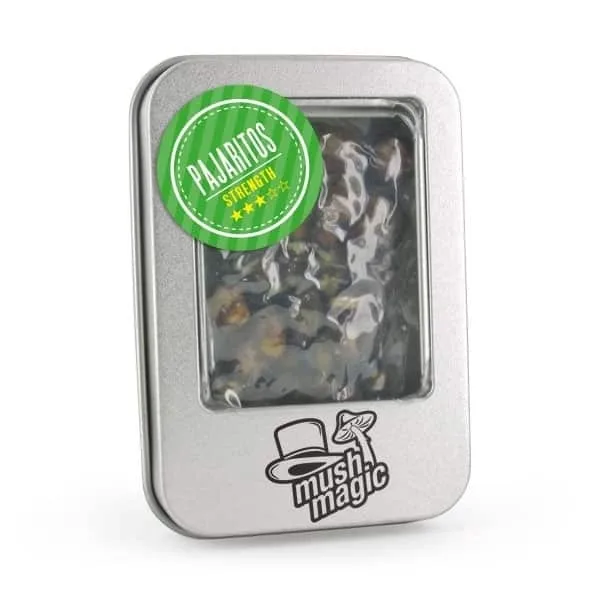
Chemically, there’s no meaningful difference between the psilocybin in truffles and mushrooms. Your body processes them identically. The experience, duration, and general effects are functionally the same. What differs is the package they come in and the legal frameworks surrounding them.
To really understand the truffle versus mushroom distinction, you need to look at fungal biology. Both are parts of the same organism, just different stages or structures serving different purposes.
Magic mushrooms are fruiting bodies. They’re the reproductive structures that appear above ground when conditions are right (proper moisture, temperature, and substrate). Their job is to spread spores into the environment. They’re relatively delicate, sensitive to environmental changes, and have a limited lifespan. Once they’ve released their spores, they decay quickly.
Magic truffles are sclerotia, which form underground as a survival and storage strategy. When the environment isn’t suitable for fruiting, the fungus redirects energy into creating these dense masses. They’re hardier, more resistant to environmental stress, and can remain viable for much longer periods in less-than-ideal conditions.
The growth cycle reflects these differences. Cultivating mushrooms requires careful attention to humidity, fresh air exchange, light cycles, and temperature. Contamination is a constant risk. The mushrooms themselves grow quickly once conditions trigger fruiting, but getting to that point takes skill.
Growing truffles (sclerotia) is somewhat more forgiving. They develop slowly over weeks or months in jars of sterilized substrate, requiring less environmental manipulation. They’re less prone to contamination issues that plague mushroom cultivation. However, they take longer to mature and require patience.
Both come from the same species (certain Psilocybe varieties produce both), but the conditions determine which structure the fungus creates. Some strains are more inclined to produce sclerotia than others, which is why truffle cultivation focuses on specific genetics known to form dense sclerotia reliably.
Despite their structural differences, magic truffles and magic mushrooms are remarkably similar where it matters most: the actual psychedelic experience.
The active compounds are identical. Both contain psilocybin, which your body converts to psilocin after ingestion. Psilocin is what actually crosses the blood-brain barrier and binds to serotonin receptors, particularly the 5-HT2A receptor, creating the psychedelic effects. Some fresh specimens of both types also contain small amounts of psilocin directly, though it degrades more quickly than psilocybin.
The subjective effects are essentially indistinguishable. Users report the same range of experiences: euphoria and emotional openness, sensory enhancement (especially visual perception), altered sense of time and space, introspective or mystical thought patterns, feelings of interconnectedness, and sometimes challenging psychological content that needs to be processed.
Duration follows the same pattern. Onset typically occurs within 30 to 60 minutes after consumption. Effects build to a peak around the two to three-hour mark, then gradually decline over the next few hours. Most experiences last between four and six hours total, though afterglow effects (subtle mood elevation, mental clarity) can persist for a day or more.
Neither truffles nor mushrooms are considered physically addictive. Clinical research has consistently found low abuse potential, no physical withdrawal symptoms, and minimal physiological toxicity. Overdose deaths from psilocybin alone are extraordinarily rare in medical literature.
Both are being studied for therapeutic applications. The research doesn’t distinguish between truffles and mushrooms because the active compound is the same. Clinical trials investigating psilocybin for treatment-resistant depression, anxiety in terminal illness, addiction, and PTSD use pure psilocybin extracts, but the findings apply to both natural sources.
While the chemistry aligns, several practical distinctions significantly impact how you might choose between truffles and mushrooms.
Growth and Cultivation
Mushrooms grow above ground, making them more vulnerable to environmental contamination and requiring precise conditions. Air exchange, humidity levels, and light cycles all need careful management. The payoff is faster production once fruiting begins.
Truffles develop underground in sealed containers, offering more protection from airborne contaminants. They’re more forgiving for novice cultivators but demand patience. A jar of sclerotia might take two to three months to fully develop, compared to a few weeks for mushrooms from inoculation to harvest.
Potency Considerations
This is where things get nuanced. By dry weight, magic mushrooms often test slightly higher in psilocybin content, typically ranging from 0.5% to 1.5% of dry weight, though some potent strains exceed 2%. Fresh mushrooms are about 90% water, so they lose most of their weight when dried.
Magic truffles contain similar psilocybin concentrations, roughly 0.5% to 1.5% by dry weight, but they retain more mass when dried because they’re already denser and contain less water. Fresh truffles are typically around 50-70% water.
For practical dosing, this creates an interesting dynamic. A typical dried mushroom dose might be 2 to 3.5 grams for a moderate experience. The equivalent in fresh truffles would be roughly 10 to 15 grams because of the water content difference.
The critical advantage of truffles for microdosing lies in consistency. Because sclerotia are more uniform in composition throughout their structure, psilocybin distribution is more even. With mushrooms, potency varies significantly between the cap, stem, and different parts of the fruiting body. For microdosing, where you’re taking 0.1 to 0.3 grams of dried material, that variability matters.
Storage Requirements
Dried mushrooms store easily. Keep them in an airtight container in a cool, dark place, and they’ll remain potent for months or even years. Some people vacuum-seal them with desiccant packs for long-term storage. The main risk is moisture, which can lead to mold growth and degradation.
Fresh truffles require refrigeration in airtight containers. They’ll keep for several weeks to a couple months if properly stored, but they’re more perishable than dried mushrooms. Some vendors vacuum-seal them for extended shelf life.
Fresh mushrooms are the most perishable, degrading quickly at room temperature. Most people dry them immediately after harvest.
Preparation and Consumption
Both can be eaten raw, though neither tastes pleasant. The earthy, sometimes bitter flavor makes many users prefer alternatives.
Brewing tea is popular with both. Chopping or grinding the material, steeping it in hot (not boiling) water for 15-20 minutes, then straining and drinking the liquid reduces nausea for many people and can speed up onset slightly.
Capsules offer precise dosing, especially useful for microdosing. Dried material gets ground to powder and packed into gelatin or vegetarian capsules.
The main difference in preparation is texture. Fresh truffles are denser and require more chewing than fresh mushrooms. Some people find this more unpleasant, while others don’t notice much difference.
Understanding the legal landscape is crucial because it’s neither simple nor static, and the distinction between truffles and mushrooms has created some fascinating legal loopholes.
The Netherlands: A Unique Case
The Netherlands offers the clearest example of why the truffle versus mushroom distinction matters legally. Magic mushrooms (the fruiting bodies) have been banned since 2008 after being classified as a risk to public health following several incidents involving tourists.
However, the ban specifically named mushrooms, not sclerotia. Magic truffles remained legal through this technicality, and they’re now sold openly in Amsterdam’s smart shops alongside cannabis products. Shops offer various strains, dosing advice, and even trip guidance. It’s a regulated market with quality standards, testing, and consumer protection.
This makes the Netherlands the only Western country where you can legally purchase psilocybin-containing products over the counter for recreational use. The practical result: tourists flock to Amsterdam for legal psychedelic experiences, and the market has matured with professional vendors, established brands, and harm reduction information.
United States: Federal Prohibition with Local Exceptions
At the federal level, both magic mushrooms and truffles are Schedule I controlled substances. Possession, cultivation, and distribution are felonies carrying serious penalties.
However, several cities have passed decriminalization measures that make enforcement of psilocybin possession the lowest priority for local police. Denver, Oakland, Santa Cruz, Ann Arbor, Washington D.C., and Seattle have all taken steps to deprioritize prosecution. Oregon went further, legalizing supervised psilocybin therapy in licensed facilities (though this is pure psilocybin, not mushrooms or truffles themselves).
These local measures don’t make possession legal. Federal law still applies, and you can still face charges, particularly if you’re caught with large quantities suggesting distribution intent. State police and federal agents aren’t bound by city decriminalization policies.
The legal landscape is changing rapidly. More cities and states are considering similar measures. Clinical research is expanding under FDA oversight. But for now, possession of either mushrooms or truffles remains federally illegal.
Canada: Medical Exemptions and Policy Shifts
Canada classifies psilocybin as a Schedule III controlled substance, making both mushrooms and truffles illegal. However, Health Canada has granted exemptions for compassionate use in terminal illness and for therapists conducting psilocybin-assisted therapy under research protocols.
There’s growing political pressure to follow the cannabis legalization model, but as of now, recreational use remains illegal with penalties including fines and potential jail time.
Australia: Strict Control with Therapeutic Access
Australia doubled its psilocybin use rates recently, but the substance remains tightly controlled. In 2023, the Therapeutic Goods Administration rescheduled psilocybin to allow authorized psychiatrists to prescribe it for treatment-resistant depression under strict conditions.
For everyone else, possession and use remain illegal. The country has harsh drug penalties, and psilocybin isn’t treated leniently.
Europe Beyond the Netherlands
Most European countries ban both mushrooms and truffles. The UK, Germany, France, and Spain all classify psilocybin-containing fungi as controlled substances with criminal penalties for possession.
Some countries have complicated enforcement. In Spain, personal cultivation and consumption in private might be tolerated, but sale and public possession are prosecuted. Portugal decriminalized personal possession quantities of all drugs, treating it as an administrative rather than criminal matter, but selling remains illegal.
Travel Risks
Carrying psilocybin products across international borders is always a felony, regardless of local laws at your destination. Even traveling from Amsterdam to Belgium with legally purchased truffles makes you subject to international drug trafficking charges.
The legal inconsistency creates real risks. What’s sold legally in a smart shop in Amsterdam becomes a serious criminal charge if you’re caught with it at the airport or across any border.
Practical Legal Advice
Always verify current local laws before acquiring, possessing, or using psilocybin products. Laws change frequently, and being informed is your first line of protection.
Don’t assume decriminalization means legal. It typically just means low enforcement priority, which can change based on circumstances like quantity, location, or political shifts.
If you’re considering psychedelic therapy in a legal setting, research licensed retreat centers in places like the Netherlands or Jamaica, where legal frameworks exist for guided experiences.
Never transport psilocybin products across borders or between jurisdictions with different laws. The consequences can be severe and life-altering.
Getting your dose right matters enormously with psychedelics, and understanding the conversion between fresh truffles, fresh mushrooms, and dried forms prevents both underwhelming experiences and overwhelming ones.
Fresh vs Dried Weight
Magic mushrooms are roughly 90% water. A 30-gram fresh mushroom becomes about 3 grams dried. This 10:1 ratio is a useful rule of thumb, though exact water content varies by species and growing conditions.
Magic truffles are denser and contain less water, typically 50-70%. Fresh truffles retain more weight when dried, creating approximately a 3:1 to 5:1 fresh-to-dried ratio.
Standard Dose Equivalents
For a moderate psychedelic experience (what most people consider a full “trip”), dosing guidelines generally suggest:
These equivalents assume average potency. Individual mushrooms and truffles vary based on strain, growing conditions, and storage. Always start lower if you’re working with an unfamiliar source.
Microdosing Precision
Microdosing protocols typically use 0.1 to 0.3 grams of dried material every three days (the Fadiman protocol) or 0.1 to 0.2 grams five days on, two days off (the Stamets protocol).
For microdosing, truffles offer an advantage in consistency. The psilocybin distribution throughout sclerotia is more uniform than in mushrooms, where caps generally contain more than stems. This matters when you’re measuring such small amounts.
Converting to fresh weight: a 0.15-gram dried microdose would be roughly:
Most people microdosing with fresh material still prefer to dry and grind it for accuracy, since weighing 0.5 grams fresh is harder than measuring 0.15 grams of uniform powder.
Potency Variability
Not all mushrooms or truffles are created equal. Psilocybe cubensis is considered moderately potent. Psilocybe azurescens is significantly stronger. Within cubensis, strains like Penis Envy test much higher in psilocybin than others.
Lab testing, when available, provides actual psilocybin content percentages. Without testing, you’re estimating based on typical ranges, which introduces uncertainty.
This is another argument for sourcing from reputable vendors in legal markets, who often provide lab results showing exact psilocybin content per batch.
Effect Onset and Duration
Onset timing doesn’t differ much between truffles and mushrooms. Expect effects within 30 to 60 minutes on an empty stomach. Full stomach can delay onset to 90 minutes or more and may reduce peak intensity.
Duration is consistent: 4 to 6 hours for both, with peak effects around 2 to 3 hours in. Afterglow can last another 6 to 24 hours.
Tea preparations may speed onset slightly (20 to 40 minutes) because the hot water begins breaking down cell walls, making psilocybin more readily available.
Microdosing has become increasingly popular for purported benefits like enhanced creativity, better focus, mood improvement, and reduced anxiety. While research remains limited and somewhat inconclusive, many people report positive experiences.
Why Truffles Often Win for Microdosing
In the Netherlands, where microdosing has become mainstream enough to have dedicated products and protocols, truffles are the standard choice for several practical reasons.
First, legality. You can purchase pre-packaged, lab-tested microdose truffles from smart shops with clear psilocybin content and dosing instructions. This removes the guesswork and legal risk.
Second, consistency. The uniform psilocybin distribution in sclerotia means each 0.15-gram dose you measure contains roughly the same amount of active compound. With mushrooms, you might get mostly stem one time (lower potency) and mostly cap the next (higher potency), leading to unpredictable effects.
Third, availability of specialized products. Some vendors offer pre-portioned microdose packs, taking the measurement burden off users entirely.
Microdosing Protocols
The two most common approaches:
The Fadiman Protocol: 0.1 to 0.3 grams every third day (dose day 1, off days 2-3, dose day 4, repeat). This schedule prevents tolerance buildup while allowing time to notice effects and recovery.
The Stamets Stack: Combines 0.1 to 0.2 grams psilocybin with lion’s mane mushroom and niacin, taken five days on, two days off. This protocol aims for neurogenesis and cognitive enhancement, though it’s based more on theoretical mechanisms than clinical evidence.
Most people start at the lower end (0.1 grams dried equivalent) and adjust based on response. A true microdose should be sub-perceptual, meaning you don’t feel obviously “high” but might notice subtle mood or cognitive shifts over time.
Research Reality Check
Clinical studies on microdosing show mixed results. Some find modest improvements in mood and creativity compared to placebo, while others show no significant difference. The placebo effect appears strong in microdosing contexts, which doesn’t necessarily mean the practice isn’t valuable, but tempers expectations.
Importantly, microdosing isn’t risk-free. Some people experience increased anxiety, disrupted sleep, or emotional volatility. Others find no noticeable benefit at all. It’s highly individual.
Safety Considerations
Keep a dosing journal to track effects, mood changes, and any negative patterns. This helps you notice if the practice is actually beneficial or if placebo and expectation are driving perceived improvements.
Watch for signs you should stop: persistent anxiety, paranoia, sleep disturbances, or emotional instability. Microdosing can exacerbate underlying mental health issues in some individuals.
Don’t stack doses without rest days. Tolerance develops quickly with psilocybin. Taking it daily leads to diminishing effects and potentially unintended consequences.
Avoid microdosing if you have a personal or family history of psychotic disorders, as even small amounts of psychedelics can trigger latent conditions.
Psilocybin, whether from truffles or mushrooms, has one of the safest pharmacological profiles among psychoactive substances. However, “safe” doesn’t mean “without risk.”
Physiological Safety
Fatal overdoses on psilocybin alone are virtually non-existent in medical literature. The compound has minimal impact on respiration, heart rate, or other vital functions at recreational doses. The lethal dose is estimated to be hundreds of times higher than a typical psychedelic dose.
The most common physical side effects are mild and temporary: nausea (especially during onset), mild increases in heart rate and blood pressure, pupil dilation, slight changes in body temperature perception, headaches (more common during comedown), and occasional dizziness.
These effects are generally well-tolerated by healthy individuals. People with pre-existing heart conditions should exercise more caution, though serious cardiovascular events are rare even in this population.
Psychological Risks
The real safety concerns with psilocybin are psychological. Difficult experiences, often called “bad trips,” can involve intense fear, paranoia, confusion, overwhelming emotions, disturbing thought patterns, or feelings of losing control or going insane.
These experiences are usually temporary and resolve as the drug wears off, but they can be genuinely traumatic, especially for unprepared users or those in unsupportive environments.
Set and setting are critical protective factors. “Set” refers to mindset (your mental state, expectations, intentions). “Setting” refers to your physical and social environment. Both dramatically influence the experience quality.
Psychedelics can also trigger or worsen latent mental health conditions. People with personal or family history of schizophrenia, bipolar disorder, or psychotic episodes face higher risks and should generally avoid psychedelics or only use them under clinical supervision.
Contamination and Misidentification Risks
With mushrooms, the primary physical danger comes from misidentification. Several toxic mushroom species resemble psychedelic ones, and some are potentially fatal. Amanita phalloides (death cap) and Galerina species cause deadly liver damage. Foraging wild mushrooms without expert knowledge is genuinely dangerous.
Magic truffles carry essentially zero misidentification risk because they’re cultivated products, not foraged. This is a meaningful safety advantage.
Contamination with bacteria, mold, or pesticides is possible with both forms if improperly grown or stored. Purchasing from reputable sources in legal markets minimizes this risk through quality control standards.
Harm Reduction Strategies
Start with low doses, especially if trying a new source or if you’re inexperienced. You can always take more next time, but you can’t un-take what you’ve already consumed.
Use with a trusted guide or sitter, particularly for higher doses. Having a sober person present who can provide reassurance and ensure physical safety makes difficult experiences more manageable.
Optimize your environment: comfortable, familiar, safe space; minimal external stressors; calming music or nature sounds available; easy access to water and bathroom; items that might provide comfort (blankets, pillows, art supplies).
Avoid mixing with other substances, especially alcohol, stimulants, or other psychedelics. Interactions are unpredictable and increase risk of adverse effects.
Have a plan for integration afterward. Psychedelic experiences can bring up intense emotions or insights that benefit from processing with a therapist, trusted friend, or support group.
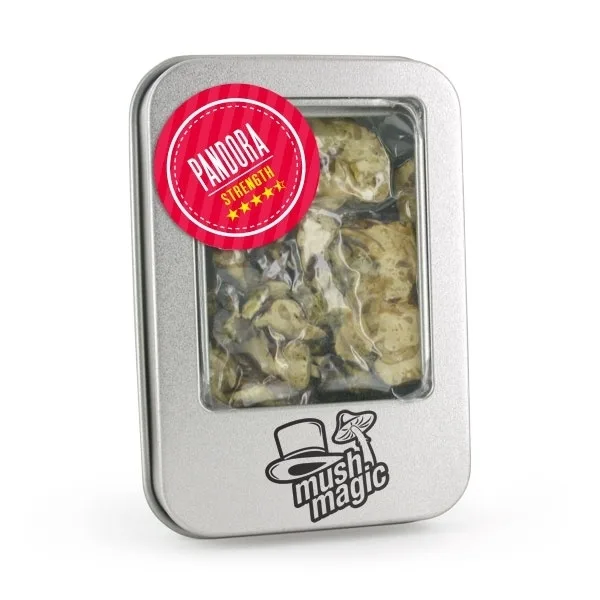
If you’re in a legal market or considering purchasing psychedelic products, knowing how to assess quality and avoid dangerous counterfeits is essential.
Reputable Sources
In the Netherlands, licensed smart shops are the gold standard for truffles. These shops operate under regulatory oversight, maintain quality standards, and typically provide product information including strain, expected effects, and dosing guidelines.
Look for shops that have been established for years, have positive reviews from multiple sources, display proper business licensing, offer product testing results, and provide clear information rather than making exaggerated claims.
Red flags include: products with no strain information or batch numbers, prices significantly below market average (possibly indicating low quality or contaminated products), vague or missing dosing guidance, vendors unwilling to answer questions about sourcing or testing, and overly aggressive marketing or medicinal claims.
Lab Testing and Transparency
Quality vendors, especially in legal markets, often provide third-party lab testing results showing psilocybin and psilocin content. These tests may also screen for contaminants like heavy metals, pesticides, or mold.
If lab results aren’t automatically provided, ask for them. Legitimate vendors should be able to supply this information or explain their quality control process.
Recognizing Quality Products
Fresh truffles should be firm but not rock-hard, with a relatively uniform color (usually tan, brown, or yellowish depending on strain). Avoid any with visible mold, unusual odors (beyond normal earthy fungal smell), excessive moisture or sliminess, or dark discoloration suggesting degradation.
Dried mushrooms should be fully dried (snap when bent, not bend), stored in airtight packaging, free from visible mold or moisture, and have consistent color appropriate to the species.
Cost Expectations
In legal markets like Amsterdam, expect to pay roughly €15-25 for a 15-gram portion of fresh truffles (enough for a moderate experience). Pre-portioned microdose packs might run €10-20 for multiple doses.
Prices significantly below this range might indicate quality issues. Prices significantly above might suggest you’re paying for branding rather than quality.
In illegal markets, prices vary wildly and there’s no consumer protection. This is where the risks of contamination, misidentification, or outright fraud are highest.
Storage After Purchase
If you’ve purchased fresh truffles, keep them refrigerated in the original vacuum-sealed packaging until use. Once opened, transfer to an airtight container and use within a week or two.
For dried mushrooms, store in an airtight container with a desiccant pack in a cool, dark place. A properly sealed container in a cupboard away from heat sources is fine. Some people refrigerate or freeze for longer-term storage, though condensation during temperature changes can introduce moisture.
Verification and Testing
In regions where psychedelics remain illegal, some harm reduction organizations offer drug checking services where you can anonymously submit substances for testing. This identifies what’s actually in your product and screens for dangerous adulterants.
Home test kits exist that can indicate the presence of psilocybin, though they don’t measure potency. These are less reliable than lab testing but offer some verification.
| Feature | Magic Truffles | Magic Mushrooms |
|---|---|---|
| Biological Structure | Sclerotia (underground storage organs) | Fruiting bodies (above-ground reproductive structures) |
| Active Compounds | Psilocybin, psilocin | Psilocybin, psilocin |
| Typical Potency | 0.5–1.5% by dry weight; more consistent distribution | 0.5–2%+ by dry weight; variable within specimen |
| Legal Access | Legal in Netherlands for retail sale | Illegal almost everywhere; some local decriminalization |
| Appearance | Small, knobbly, irregular stones | Classic mushroom: stem, cap, gills |
| Fresh-to-Dry Ratio | Approximately 3:1 to 5:1 | Approximately 10:1 |
| Storage (Fresh) | Refrigerate, airtight, several weeks | Highly perishable, usually dried immediately |
| Storage (Dried) | Cool, dark, dry like mushrooms | Cool, dark, airtight; very stable long-term |
| Misidentification Risk | Essentially none (cultivated product) | Significant if wild-foraged |
| Microdosing Suitability | Excellent; consistent potency distribution | Good but more variable within specimens |
| Cultivation Difficulty | Moderate; slower but more forgiving | Moderate to high; faster but more sensitive |
| Typical Dose (Moderate Experience) | 10–15 g fresh | 2–3.5 g dried / 20–35 g fresh |
| Effects Duration | 4–6 hours | 4–6 hours |
| Subjective Experience | Identical to mushrooms | Identical to truffles |
| Price (Legal Markets) | Moderate to high | Lower if self-cultivated; unavailable in most legal retail |
| Product Consistency | High in legal markets with testing | Variable; depends on source and strain |
Walk into any health store or browse online wellness retailers, and you’ll find yourself facing a dizzying array of bottles,
The modern world has created a perfect storm for declining mental wellness. Between demanding careers, constant digital connectivity, and the
The supplement aisle can feel overwhelming. Rows of bottles promise better energy, sharper focus, stronger immunity, and improved wellness. With
You must be 18 years of age or older to view page. Please verify your age to enter.
Your access is restricted because of your age.