

Herbal Remedies vs Synthetic Supplements: Benefits, and Choosing What’s Best
Walk into any health store or browse online wellness retailers, and you’ll find yourself facing a dizzying array of bottles,

Ordered before 5pm = Shipped today

Discreet Shipping & Transactions

Proven and tested effectiveness
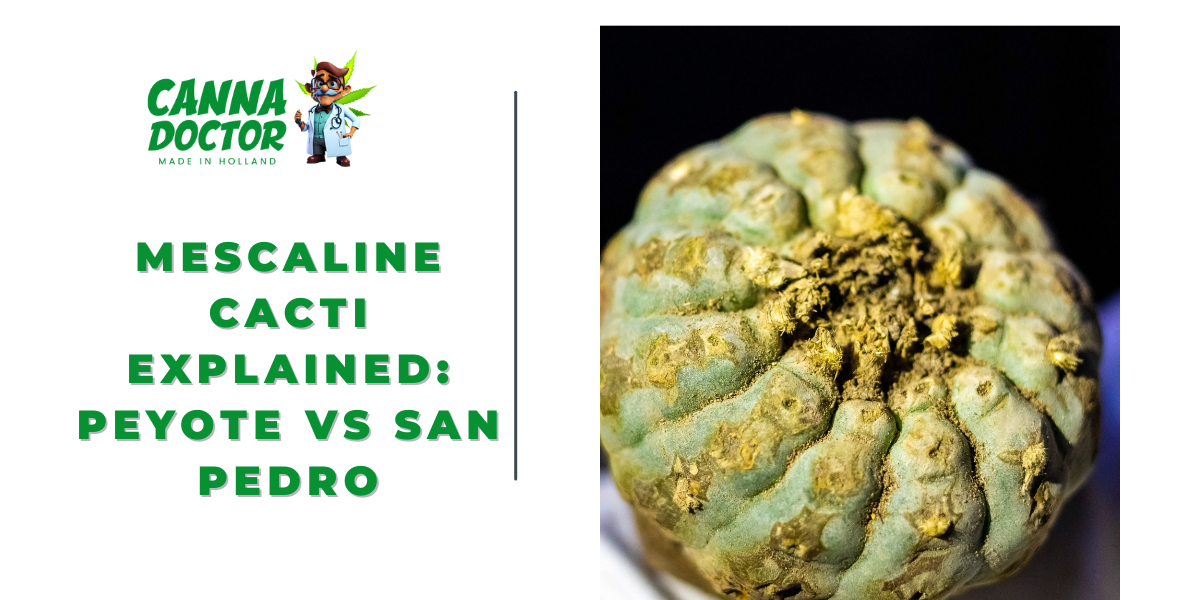
For thousands of years, indigenous peoples across the Americas have turned to sacred cacti for healing, ceremony, and spiritual communion. At the heart of these practices lies mescaline, a naturally occurring psychedelic compound found primarily in two distinct types of cacti: the small, button-shaped peyote and the towering columnar San Pedro. While both plants produce similar psychoactive effects, they differ dramatically in appearance, potency, cultural significance, legal status, and conservation concerns.
This guide explores the chemistry, history, effects, and ethical considerations surrounding these remarkable plants, offering a comprehensive comparison for those seeking to understand their place in both indigenous tradition and contemporary consciousness exploration.
Mescaline is a naturally occurring psychedelic alkaloid belonging to the phenethylamine class of compounds. Chemically known as 3,4,5-trimethoxyphenethylamine (C₁₁H₁₇NO₃), it was first isolated from peyote in 1896 by German chemist Arthur Heffter, making it one of the earliest identified psychedelic compounds. By 1919, researchers had successfully synthesized mescaline in the laboratory, opening doors for early scientific investigation into altered states of consciousness.
Unlike psilocybin and DMT, which belong to the tryptamine family, mescaline’s structure resembles neurotransmitters like dopamine and norepinephrine. However, its psychoactive effects primarily result from its action as a partial agonist at serotonin 5-HT₂A receptors in the brain, the same mechanism underlying most classic psychedelics. This interaction produces the characteristic visual alterations, emotional shifts, and expanded awareness associated with mescaline experiences.
From the plant’s perspective, mescaline serves as a chemical defense mechanism. Cacti biosynthesize this alkaloid from the amino acid tyrosine through a series of enzymatic reactions involving decarboxylation, hydroxylation, and methylation. The three methoxy groups attached to the phenethylamine backbone at positions 3, 4, and 5 are essential for the compound’s hallucinogenic properties.
While the exact ecological function remains partially speculative, plant biologists believe mescaline and related alkaloids deter herbivores and protect against microbial pathogens. The bitter taste and psychoactive properties likely discourage most animals from consuming these slow-growing desert survivors. This defensive strategy has allowed mescaline-containing cacti to thrive in harsh environments where every bit of stored water and nutrients must be protected.
Mescaline occupies a unique position in the pantheon of naturally occurring psychedelics. While compounds like psilocybin from mushrooms and ayahuasca’s DMT have gained considerable research attention in recent years, mescaline represents the oldest documented psychedelic in human use, with archaeological evidence extending back millennia.
Compared to tryptamine psychedelics, mescaline produces a notably longer experience, often lasting 10 to 12 hours. Users frequently describe the effects as more grounded and sensory than mushrooms or LSD, with a particular emphasis on visual enhancement, color saturation, and geometric patterns. The experience tends to maintain clarity of thought even during peak effects, allowing for introspection alongside perceptual changes.
Mescaline also requires substantially higher doses than most other psychedelics. While 20-30 milligrams of psilocybin or 100-200 micrograms of LSD can produce full effects, mescaline typically requires 200-400 milligrams, necessitating consumption of significant plant material when using natural sources.
| Characteristic | Peyote | San Pedro |
|---|---|---|
| Botanical Name | Lophophora williamsii | Trichocereus pachanoi (also Echinopsis pachanoi) |
| Plant Family | Cactaceae | Cactaceae |
| Native Region | Chihuahuan Desert (South Texas, Northern Mexico) | Andes Mountains (Peru, Ecuador, Bolivia, Chile) |
| Growth Habit | Small, button-shaped, very slow-growing (5–10 cm tall) | Tall columnar cactus, fast-growing (2–6 meters) |
| Average Mescaline Content | 3–6% dry weight (higher concentration) | 0.5–2.3% dry weight (lower and more variable) |
| Typical Amount Used (Dried) | 10–20 grams (approximately 6–12 buttons) | 50–150 grams (approximately a 10–30 cm section) |
| Duration of Effects | 8–12 hours | 10–14 hours |
| Conservation Status | Vulnerable to endangered (wild populations declining) | Generally stable (widely cultivated) |
| Legal Status (US) | Schedule I federally; exemption for Native American Church members | Legal to grow ornamentally; mescaline extraction illegal |
| Cultural Significance | Sacred sacrament in the Native American Church and Huichol tradition | Traditional use in Andean shamanism; increasingly global use |
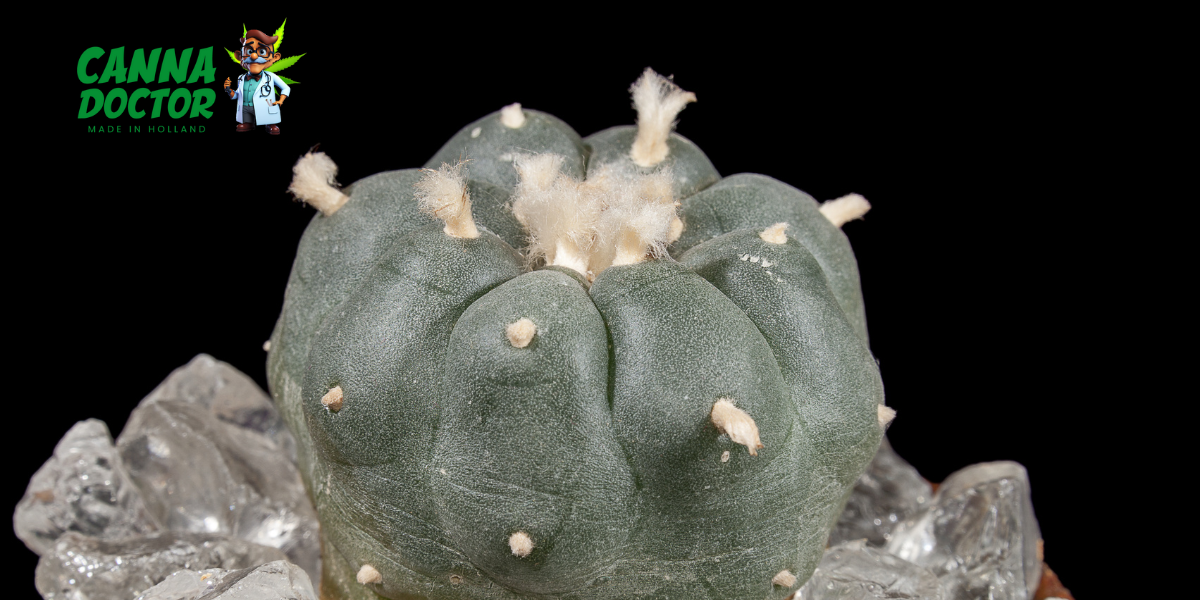
Lophophora williamsii, commonly known as peyote, is a small, spineless cactus native to the Chihuahuan Desert regions of southern Texas and northern Mexico. Unlike its towering relatives, peyote grows close to the ground, rarely exceeding 10 centimeters in height. The plant’s blue-green body is divided into rounded sections called tubercles, which spiral from a central point, creating a distinctive button-like appearance.
Mature peyote plants produce delicate pink or white flowers from the crown during summer months. These blooms give way to elongated pink fruits containing small black seeds. Below ground, peyote develops a substantial taproot that can extend 25 centimeters or more into the rocky desert soil, allowing it to access deep moisture and survive prolonged droughts.
Growth is remarkably slow. A peyote button may take 10 to 30 years to reach maturity, making wild populations particularly vulnerable to overharvesting. The plant can live for decades, with some specimens estimated at over 100 years old.
Peyote holds profound spiritual significance for numerous indigenous groups across Mexico and the southwestern United States. Archaeological evidence from dry caves in Texas suggests human use of peyote dates back at least 5,700 years, with some estimates extending to 8,000 years based on ceremonial artifacts and residue analysis.
The Huichol (Wixárika) people of central Mexico have maintained an unbroken tradition of peyote pilgrimage for centuries. Each year, community members journey to Wirikuta, their sacred homeland in the San Luis Potosí desert, to gather peyote and conduct ceremonies that renew their covenant with the divine. For the Huichol, peyote is Hikuri, a deity and teacher that facilitates communication with the spirit world and maintains cosmic balance.
In the United States, the Native American Church (NAC), formally established in 1918 though rooted in much older traditions, incorporates peyote as its central sacrament. Church members, predominantly from Plains tribes including Navajo, Comanche, and Kiowa nations, consume peyote during all-night prayer ceremonies that blend indigenous spiritual practices with Christian elements. Participants report that peyote facilitates healing, provides spiritual guidance, and strengthens community bonds.
These traditional contexts emphasize respect, intention, and ceremonial structure. Peyote is not consumed recreationally but approached with reverence as a medicine and teacher requiring proper preparation, guidance, and integration.
Beyond traditional indigenous use, peyote attracted attention from Western researchers, writers, and spiritual seekers throughout the 20th century. Figures like Aldous Huxley documented their experiences, introducing peyote and mescaline to broader audiences through works like “The Doors of Perception.” However, this increased interest has contributed to serious conservation challenges.
Wild peyote populations have declined dramatically due to habitat loss, climate change, and unsustainable harvesting pressure. In the United States, peyote is listed as endangered in its native Texas habitat. Licensed peyote harvesters, known as peyoteros, legally collect the cactus for distribution to Native American Church members, but even regulated harvesting may exceed the plant’s slow regeneration rate.
The situation in Mexico is similarly concerning. Illegal harvesting for international black markets, combined with mining operations and agricultural expansion, threatens populations across the plant’s range. Conservation biologists emphasize that any non-indigenous use of wild-harvested peyote directly threatens both the species and the spiritual practices of communities who depend on it.
Ethical considerations are paramount. Indigenous leaders and conservation advocates uniformly request that non-indigenous people avoid peyote entirely, pointing to abundant alternatives like cultivated San Pedro and synthetic mescaline. Respecting these boundaries honors indigenous sovereignty and helps ensure peyote’s survival for future generations of traditional practitioners.
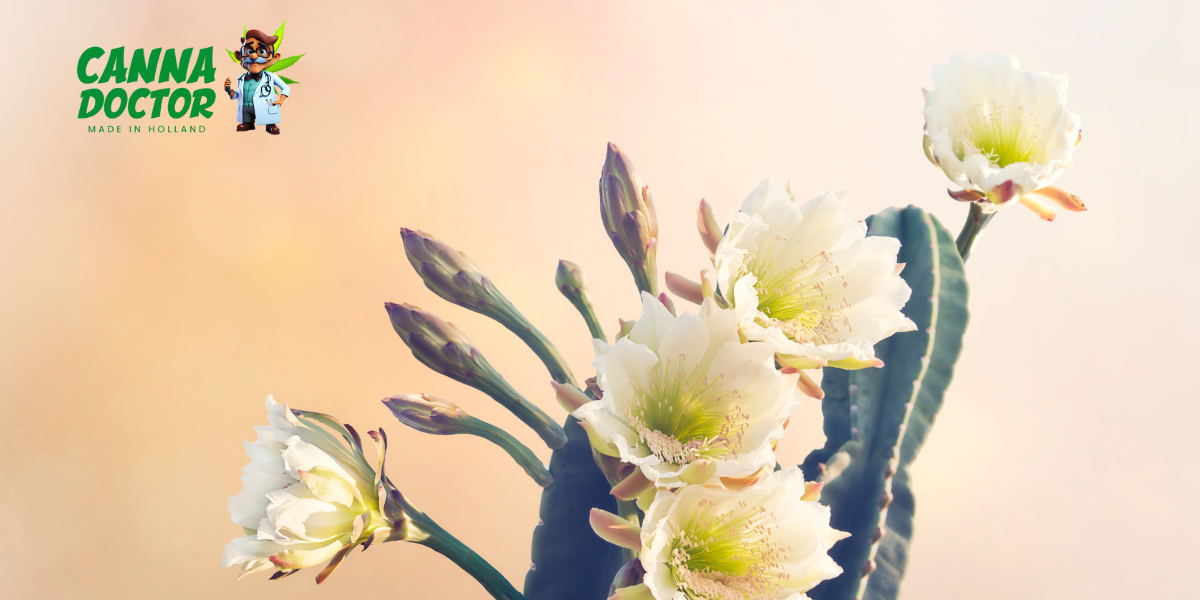
San Pedro refers primarily to Trichocereus pachanoi (also classified as Echinopsis pachanoi), a fast-growing columnar cactus native to the Andes mountains. Unlike peyote’s discrete buttons, San Pedro grows as a tall, multi-branched column that can reach 3 to 6 meters in height. The plant typically displays 6 to 8 rounded ribs running vertically along its blue-green surface, with small spines clustered at regular intervals.
Related species with similar properties include Peruvian Torch (Trichocereus peruvianus) and Bolivian Torch (Trichocereus bridgesii). These relatives share San Pedro’s growth habit and mescaline content but differ in rib count, spine characteristics, and subtle variations in alkaloid profiles. Modern cultivation has also produced numerous hybrids combining traits from different species.
San Pedro produces large, fragrant white flowers that bloom at night, attracting moth pollinators. The flowers can reach 20 centimeters in diameter and emerge from the cactus’s sides rather than its crown. Unlike peyote’s glacial growth rate, San Pedro can add 30 to 60 centimeters of height per year under favorable conditions, making cultivation practical for patient gardeners.
Archaeological evidence places San Pedro use in South America at approximately 8,600 years ago, making it among the oldest documented psychoactive plant medicines. Stone carvings from the Chavín culture (1000-300 BCE) in Peru clearly depict the distinctive form of San Pedro cacti, suggesting their central role in ancient ceremonial life.
Traditional Andean shamans, known as curanderos, continue to prepare and administer San Pedro (locally called huachuma or achuma) in healing ceremonies throughout Peru, Ecuador, and Bolivia. These multi-hour rituals typically take place at night or before dawn at sacred sites, often incorporating Catholic saints and indigenous deities in syncretic practice.
The curandero prepares San Pedro by slicing the cactus, removing spines, and boiling the flesh for many hours to create a concentrated brew. Participants drink the bitter liquid while the shaman sings icaros (sacred songs), makes offerings, and guides the group’s journey. Curanderos use San Pedro to diagnose illness, retrieve lost souls, communicate with nature spirits, and facilitate emotional and spiritual healing.
This traditional framework emphasizes San Pedro as a medicine for addressing specific ailments and life challenges rather than as a substance for casual experimentation. The shaman’s role as intermediary and guide is considered essential for safe and beneficial outcomes.
Unlike peyote, San Pedro has become widely cultivated as an ornamental plant throughout temperate and subtropical regions worldwide. Garden centers in many countries sell San Pedro and its relatives legally as decorative cacti, often without acknowledging their psychoactive properties.
This accessibility has made San Pedro the most commonly used natural source of mescaline outside indigenous contexts. The plant’s rapid growth, relatively simple cultivation requirements, and lower conservation concerns have led many ethnobotanical enthusiasts to prefer it over peyote.
Numerous cultivars and hybrids now exist, bred for various characteristics including growth rate, size, and appearance. Some of these selections have been informally reported to have higher or more consistent mescaline content, though rigorous analytical data remains limited. The plant propagates easily from cuttings, allowing growers to share genetics and expand their collections without harvesting wild specimens.
However, legal complexity persists. While growing San Pedro as an ornamental plant is legal in most jurisdictions, processing it for mescaline consumption typically violates controlled substance laws. This creates an ambiguous situation where the plant itself is unrestricted but its traditional use may carry legal risk.
Mescaline content varies significantly between species, individual plants, and even different parts of the same specimen. Laboratory analyses reveal these general ranges:
Peyote (Lophophora williamsii): Dried peyote buttons typically contain 3-6% mescaline by weight, with some exceptional specimens reaching higher levels. This relatively high concentration means that 10-20 grams of dried peyote (roughly 6-12 buttons) provides an effective dose of 200-400 milligrams of mescaline.
San Pedro (Trichocereus pachanoi): Mescaline content is both lower and more variable, generally ranging from 0.5-2.3% by dry weight. This means 50-150 grams of dried San Pedro flesh might be needed to achieve similar mescaline doses. The wide variability makes dosing less predictable compared to peyote.
Peruvian Torch (Trichocereus peruvianus): Often reported to contain somewhat higher mescaline levels than standard San Pedro, sometimes reaching 0.8-3% by dry weight, though individual variation remains substantial.
Bolivian Torch (Trichocereus bridgesii): Mescaline content comparable to or slightly higher than San Pedro, with anecdotal reports suggesting it may produce qualitatively different effects due to variations in the accompanying alkaloid profile.
Neither peyote nor San Pedro contains mescaline in isolation. Both species produce dozens of related alkaloids that may contribute to the overall experience through what researchers term the “entourage effect.”
Peyote contains significant quantities of related compounds including lophophorine, anhalonidine, anhalinine, and pellotine. Some of these alkaloids have mild psychoactive, sedative, or cardiovascular effects that may modulate mescaline’s primary action.
San Pedro species similarly contain tyramine, hordenine, 3-methoxytyramine, and other phenethylamines alongside mescaline. The specific ratios vary by species and even between specimens of the same species, potentially accounting for reports that different Trichocereus varieties produce subtly different experiences despite similar mescaline content.
Scientific understanding of how these alkaloid complexes interact remains incomplete. Most research has focused on isolated mescaline rather than whole-plant extracts, leaving gaps in our knowledge about traditional preparations.
Multiple variables influence the mescaline content in any given cactus sample:
Genetics: Just as different cannabis strains vary in THC content, individual cacti inherit varying capacities for alkaloid production. Cuttings from the same parent plant (clones) should theoretically have similar potency, while seed-grown plants show wider variation.
Growing Conditions: Stress factors including drought, intense sun exposure, and nutrient limitation may trigger increased alkaloid production as a defense response. Conversely, pampered greenhouse specimens might produce lower concentrations.
Plant Age and Part: In columnar cacti, mescaline concentrates more heavily in the outer green flesh and near the growing tip. Older, woodier sections contain less. In peyote, the crown (above-ground portion) contains higher alkaloid levels than the root.
Harvest Timing and Processing: The season of harvest may influence alkaloid content, though research data on this point remains limited. Drying methods, storage conditions, and time between harvest and use can all affect final potency through degradation of sensitive compounds.
Preparation Method: Extraction efficiency varies dramatically between traditional brewing methods and modern techniques. Temperature, duration, pH, and solvent choice all impact how much mescaline transfers from plant material into consumable form.
This variability makes precise dosing difficult when using plant material. Many experienced users suggest starting with conservative amounts and allowing time for effects to fully develop before considering additional doses.
Mescaline experiences unfold more slowly and last considerably longer than most other psychedelics, requiring patience and appropriate time set aside.
Onset: Initial effects typically begin 60-90 minutes after consumption when using dried cactus material, sometimes extending to 2-3 hours depending on stomach contents and individual metabolism. Purified mescaline acts somewhat faster, with effects emerging around 30-60 minutes after ingestion.
Peak: The experience reaches full intensity 2-4 hours after onset and maintains this plateau for several hours. Users often describe this peak as clear-headed compared to other psychedelics, with visual and emotional effects remaining manageable and rarely overwhelming at moderate doses.
Duration: Total experience length typically spans 10-12 hours for mescaline from natural sources, occasionally extending to 14-16 hours. Effects gradually diminish during the second half of this period, often leaving users with a gentle afterglow and mild stimulation that can persist into the following day.
Return to Baseline: Complete return to normal functioning usually occurs within 24 hours, though some users report feeling subtly altered or emotionally tender for several days following intense experiences.
Mescaline produces a characteristic constellation of perceptual, emotional, and cognitive changes that share features with other classical psychedelics while maintaining a distinct profile.
Visual Effects: Enhanced color perception ranks among the most consistently reported effects. Colors appear more vivid, saturated, and emotionally meaningful. Visual acuity may increase, allowing perception of fine details normally overlooked. Geometric patterns, often featuring angular or crystalline forms, may appear on surfaces or with closed eyes. Natural settings become particularly striking, with enhanced appreciation for textures, patterns in plant life, and subtle color variations.
Physical Sensations: The body may feel energized yet grounded, with increased awareness of physical presence and bodily sensations. Some users report enhanced tactile sensitivity and pleasure from touching different textures. Unlike psilocybin, which often produces waves of physical sensation, mescaline tends toward steady, sustained effects.
Emotional Openness: Many users describe increased emotional accessibility and empathy. Difficult emotions may surface for examination with reduced anxiety about confronting them. Feelings of connection to others, nature, and a sense of the sacred frequently emerge, particularly in appropriate settings.
Cognitive Effects: Thought processes often remain clearer than with equivalent doses of psilocybin or LSD. Users report being able to maintain conversations, navigate familiar spaces, and make decisions more readily, though abstract thinking and problem-solving may still be affected. Some describe enhanced introspective capacity and ability to examine personal patterns from new perspectives.
While both cacti deliver mescaline as their primary active compound, users often report qualitative differences between them:
Peyote experiences are frequently described as more introspective, spiritual, and emotionally intensive. The higher alkaloid diversity may contribute to additional physical effects including mild sedation interspersed with the overall stimulation. Traditional contexts frame peyote as a teacher plant, and users often approach it with this expectation, potentially influencing the experience through set and setting.
San Pedro is often characterized as more gentle, visual, and heart-centered. Users describe it as easier on the body than peyote, with less nausea (though still present) and a clearer, more lucid quality. The experience may feel more oriented toward nature appreciation and sensory exploration than deep psychological examination, though individual experiences vary tremendously.
These reported differences might stem from varying alkaloid profiles, different preparation methods, dose variations, or cultural expectations and contexts that shape interpretation of effects. Rigorous comparative research is lacking, so much of this understanding comes from user reports rather than controlled studies.
Scientific investigation of mescaline’s subjective effects remains limited compared to psilocybin or LSD, but available research offers insights:
A comprehensive survey study published in the Journal of Psychopharmacology examined experiences with various psychedelics, including mescaline. Respondents rated mescaline experiences as highly meaningful and positive, with rates of challenging experiences lower than LSD or psilocybin. The study noted mescaline’s reputation for producing spiritual and mystical-type experiences at rates comparable to other classical psychedelics.
Qualitative research interviewing San Pedro ceremony participants found common themes of emotional healing, enhanced connection to nature, confronting and releasing past traumas, and gaining new perspectives on life challenges. Participants often framed benefits in terms of long-term positive changes to emotional well-being and life satisfaction rather than acute effects during the experience itself.
Neuroimaging and pharmacological studies have primarily used pure mescaline rather than plant material. These reveal increased activity in visual processing areas, altered connectivity between brain regions involved in self-referential thinking, and decreased activity in the default mode network, similar to patterns seen with psilocybin.
Determining appropriate doses from plant material involves substantial uncertainty due to potency variation:
Dried Peyote Buttons:
Dried San Pedro (ground flesh):
Pure Mescaline (extracted or synthetic):
These ranges serve as rough guidelines only. Individual sensitivity varies significantly, and plant material potency cannot be determined without laboratory analysis. Conservative approaches suggest starting at the lower end of ranges, especially for first experiences or with new plant sources.
The legal status of mescaline-containing cacti creates complex and sometimes contradictory situations that vary significantly by jurisdiction and context.
Mescaline: Listed as a Schedule I controlled substance under the Controlled Substances Act of 1970. This classification prohibits manufacture, distribution, and possession except for approved research purposes.
Peyote: Despite containing Schedule I mescaline, peyote itself occupies a unique legal position. The American Indian Religious Freedom Act Amendments of 1994 explicitly protect the use of peyote by members of the Native American Church and other federally recognized indigenous religious practitioners. This exemption applies only to enrolled members of federally recognized tribes participating in bona fide religious ceremonies.
Non-indigenous possession, cultivation, or use of peyote remains illegal under federal law and most state laws. Texas allows licensed peyoteros to harvest peyote from private land in specific counties for distribution to Native American Church members, but this privilege extends only to registered dealers.
San Pedro and Related Species: Here the law becomes murky. Growing San Pedro as an ornamental plant is not explicitly illegal in most states. However, possessing it with intent to consume for its psychoactive properties, or processing it to extract mescaline, constitutes a federal offense. This creates a gray area where the plant itself is tolerated but its traditional use is criminalized.
Several states have attempted to clarify this situation with varying results. No state currently provides clear legal protection for San Pedro consumption outside research contexts.
Mescaline is listed as a Schedule III substance under the Controlled Drugs and Substances Act, making it illegal to possess, produce, or distribute without authorization. Like the US, Canada has historically declined to prosecute members of the Native American Church for ceremonial peyote use, though no explicit legal exemption exists.
San Pedro cacti can be grown legally as ornamental plants, with the same ambiguity around consumption that exists in the United States.
Mexico’s situation is particularly complex given that peyote’s natural range falls primarily within Mexican territory. Peyote is classified as a controlled substance, but the law explicitly exempts traditional indigenous and ritual use by the Huichol and other ethnic groups with documented historical peyote practices.
Enforcement focuses primarily on commercial trafficking rather than traditional collection and ceremonial use. The Mexican government has recognized the cultural significance of peyote and designated some areas as protected sites, though implementation and enforcement remain inconsistent.
San Pedro cultivation and ornamental possession appear to be largely unregulated, though extracting mescaline theoretically falls under controlled substance laws.
Peru: San Pedro has traditional use protections and is generally tolerated in ceremonial contexts. Ayahuasca receives more explicit legal recognition, with San Pedro occupying a less formally defined space. Tourist participation in curandero-led ceremonies operates in a legal gray area, neither explicitly legal nor actively prosecuted.
Ecuador and Bolivia: Similar informal tolerance exists for traditional ceremonial use, with little legal clarity regarding tourist participation or modern adaptations of traditional practices.
European Union: Mescaline is controlled across the EU as a Schedule I substance under the UN Convention on Psychotropic Substances. Individual countries implement this through national legislation, creating variation in specifics.
San Pedro cacti are widely available for purchase as ornamental plants throughout Europe. Cultivation for decorative purposes is generally legal, while preparation for consumption may violate controlled substance laws depending on specific national statutes.
United Kingdom: Mescaline is a Class A controlled substance under the Misuse of Drugs Act 1971. Peyote and prepared San Pedro fall under this prohibition, but the status of live, unprepared San Pedro plants remains ambiguous, leading to availability through horticultural suppliers.
Mescaline is prohibited as a Schedule 9 substance. Neither peyote nor San Pedro has specific exemptions, though enforcement appears focused on prepared material rather than living ornamental cacti.
The UN Convention on Psychotropic Substances of 1971 controls mescaline internationally but does not explicitly restrict the plants that contain it. This creates the legal foundation for the ornamental cultivation allowances in many countries, though individual nations may impose additional restrictions.
The situation mirrors broader tensions around plant-based psychedelics, traditional knowledge, and modern drug policy. As research into psychedelic-assisted therapy expands, some advocates call for re-evaluation of mescaline’s legal status, while indigenous groups emphasize the importance of protecting sacred plant medicines from commercialization and cultural appropriation.
This complex legal landscape creates several practical realities:
Purchasing San Pedro cacti through legitimate horticultural suppliers is legal in most jurisdictions, but evidence of intent to consume it (discussions, preparation equipment, extraction materials) could potentially support prosecution for possession of a controlled substance.
Crossing international borders with these cacti, even for ornamental purposes, may violate import regulations and drug laws.
Legal status can change. Several US municipalities have recently decriminalized various psychedelics through local ordinances, though state and federal law remain unchanged. Anyone considering involvement with these plants should research current law in their specific location.
While mescaline-containing cacti have relatively favorable safety profiles compared to many substances, both legal and illegal, they are not without risks. Responsible use requires understanding potential adverse effects and taking appropriate precautions.
Nausea and Gastrointestinal Distress: This ranks as the most common and often most uncomfortable aspect of consuming mescaline cacti. The nausea stems partly from mescaline itself but is significantly worsened by other alkaloids and the large volume of plant material required.
Nausea typically begins 30-60 minutes after consumption and may persist for 2-4 hours. Vomiting (purging) is common, particularly with peyote. Many traditional practices actually frame purging as a cleansing process rather than a side effect to be avoided.
Preparation methods influence severity. Thoroughly removing the waxy outer skin and inner woody core of San Pedro reduces but does not eliminate gastrointestinal effects. Some users find that extracting mescaline and discarding most plant material significantly improves tolerability, though this crosses into legally problematic territory in most jurisdictions.
Other Physical Effects: Increased heart rate, elevated blood pressure, dilated pupils, and mild tremors occur commonly. Appetite suppression lasts throughout the experience, with some users reporting reduced appetite for a day or two following use. Temperature regulation may be affected, with alternating feelings of warmth and coolness.
Physical coordination may be impaired during peak effects, though less dramatically than with alcohol or many other substances. Nevertheless, operating vehicles or machinery is unsafe and inadvisable.
Anxiety and Difficult Experiences: While mescaline produces challenging experiences less frequently than some other psychedelics, they can occur, particularly at higher doses or in inappropriate settings. Anxiety, paranoia, confusion, or overwhelming emotions may emerge.
The extended duration of mescaline experiences means that difficult periods cannot be simply endured for a brief time. Having support systems in place becomes particularly important.
Contraindications for Specific Populations: Individuals with personal or family history of psychotic disorders, schizophrenia, or bipolar disorder face elevated risks of triggering latent conditions or experiencing prolonged adverse psychological reactions. Current research into psychedelic therapy typically excludes individuals with these histories from participation.
Those dealing with active trauma, severe depression, or unstable mental health conditions should approach psychedelics only in appropriate therapeutic contexts with professional support, if at all.
Long-term Psychological Effects: Research suggests that adverse long-term psychological effects from mescaline use are rare when used responsibly. However, intense experiences may bring suppressed emotions or memories to the surface, requiring integration work and potentially professional support afterward.
SSRIs and Antidepressants: Selective serotonin reuptake inhibitors (SSRIs) and other antidepressants may reduce or eliminate mescaline’s effects by occupying serotonin receptors. More concerning, MAO inhibitors (MAOIs) can dangerously amplify and prolong effects while increasing cardiovascular risks. The combination should be strictly avoided.
Cardiovascular Concerns: Mescaline increases heart rate and blood pressure. Individuals with heart conditions, hypertension, or cardiovascular disease face elevated risks of complications. Medical consultation is strongly advised for anyone with cardiac concerns.
Other Medications: Lithium, used for bipolar disorder, shows dangerous interactions with psychedelics and should not be combined with mescaline. Stimulant medications, blood pressure medications, and many other pharmaceuticals may interact problematically.
Minimizing risks requires thoughtful preparation and appropriate context:
Set and Setting: Approach the experience with clear intentions in a safe, comfortable environment. Outdoor natural settings often complement mescaline’s effects, but ensure accessibility to shelter, water, and facilities. Avoid challenging social situations, unfamiliar places, or contexts involving obligations or time pressure.
Social Support: Having a sober, trusted friend present (a “trip sitter”) provides security and assistance if needed. This person should remain calm, non-judgmental, and available throughout the experience.
Physical Preparation: Eat lightly in the hours before consumption to reduce nausea while maintaining blood sugar. Avoid alcohol and other substances. Ensure adequate hydration but don’t overdo water consumption.
Dose Conservatively: Especially with plant material of unknown potency, starting with lower doses allows assessment of individual sensitivity and that particular batch’s strength. Additional doses can always be considered for future experiences.
Clear Schedule: Ensure the full day and preferably the following day are free of obligations. Mescaline’s long duration requires adequate time for both the experience and initial recovery.
Integration: Reserve time after the experience to reflect on insights, process emotions, and incorporate any lessons or perspectives into daily life. Journaling, creative expression, or discussing the experience with trusted others supports integration.
If serious adverse reactions occur, seek appropriate help:
Medical Emergency: Call emergency services (911 in the US) for cardiovascular symptoms, seizures, loss of consciousness, or other medical crises.
Psychological Crisis: Contact local crisis hotlines or the Fireside Project’s psychedelic peer support line (62-FIRESIDE), which provides specialized support for people experiencing difficult psychedelic experiences.
General Poison Control: 1-800-222-1222 in the US provides 24/7 guidance for substance-related concerns.
Remember that medical professionals can provide better care when they have accurate information about what substances have been consumed, despite legal concerns. Many jurisdictions have Good Samaritan laws providing some protection for those seeking emergency medical help related to drug use.
The story of mescaline cacti cannot be separated from urgent questions about conservation, indigenous rights, and the ethics of cross-cultural engagement with sacred plant medicines.
Peyote faces serious threats across its range. In Texas, where the species reaches the northern extent of its distribution, wild populations have declined dramatically. Harvest pressure from licensed peyoteros serving the Native American Church, combined with habitat loss from energy development and agricultural expansion, has pushed the species toward local extinction in portions of its historic range.
Current harvest rates likely exceed regeneration capacity. Because peyote grows so slowly, taking even 10-year-old buttons removes plants that may have decades of life and reproduction ahead of them. Traditional sustainable harvesting practices involve cutting above the root to allow regrowth, but even this method requires many years for the plant to return to harvestable size.
In Mexico, peyote’s situation is similarly precarious. The Huichol pilgrimage territory in Wirikuta faces threats from mining concessions that would destroy critical habitat. Illegal harvesting for black markets adds pressure beyond what traditional use alone would create. Climate change compounds these stresses by altering rainfall patterns and increasing drought severity in already marginal desert environments.
Peyote currently lacks formal endangered species protection in Mexico or at the international level, despite clear population declines. Conservation biologists emphasize that any non-essential harvest contributes to an unsustainable situation.
San Pedro’s conservation status differs dramatically from peyote’s, primarily due to biological and cultural factors:
Growth Rate: San Pedro can reach harvestable size within 3-5 years from a cutting, compared to peyote’s 10-30 year timeline. This rapid growth makes cultivation practical for patient gardeners and reduces pressure on wild populations.
Propagation: San Pedro propagates extremely easily from cuttings. A gardener can produce dozens of new plants from a single healthy specimen in a few years, creating abundance without touching wild populations.
Geographic Range: San Pedro grows across a broader elevational and geographic range than peyote, with less specialized habitat requirements. Wild populations, while also facing pressure, are not as critically threatened.
Cultivation Tradition: Unlike peyote, which many indigenous groups believe should be wild-gathered from sacred landscapes, San Pedro has a long tradition of deliberate cultivation. Andean communities plant San Pedro around homes and ceremonial sites, creating a cultural precedent for cultivated sources.
Most San Pedro available through horticultural channels derives from cultivation rather than wild harvesting. While always worth confirming sources, purchasing cultivated San Pedro has minimal conservation impact compared to any peyote acquisition.
Indigenous leaders and organizations have increasingly spoken out about the ethics of non-indigenous psychedelic use. Common themes in these statements include:
Peyote Should Be Left for Indigenous Peoples: Numerous indigenous groups and the Native American Church have explicitly requested that non-indigenous people avoid peyote entirely. They point out that even legal, religiously protected use by Native American Church members is threatened by peyote scarcity. Any additional demand from non-indigenous users directly impacts their ability to maintain spiritual practices.
Context and Lineage Matter: Many indigenous teachers emphasize that plant medicines developed within specific cultural contexts, with protocols, prayers, and community structures that support safe and meaningful use. Extracting these medicines from their contexts while ignoring indigenous knowledge systems constitutes a form of appropriation that can cause harm.
Reciprocity and Right Relationship: Traditional approaches to plant medicine emphasize reciprocal relationships with plants, teachers, and communities. Simply taking a substance for individual benefit without giving back to the plants’ stewards or ecosystems represents an extractive rather than reciprocal approach.
Economic Justice: When non-indigenous people profit from traditional plant knowledge through tourism, commerce, or publishing while indigenous communities struggle with poverty and marginalization, ethical concerns multiply.
For those who choose to engage with mescaline despite these considerations, several practices demonstrate respect and responsibility:
Avoid Wild-Harvested Peyote: Purchase cultivated San Pedro or synthetic mescaline instead. If learning from traditional contexts, seek out indigenous-led ceremonies where fees support the facilitators and their communities rather than non-indigenous organizers.
Support Indigenous-Led Conservation: Organizations like the Indigenous Peyote Conservation Initiative work to restore peyote habitat and protect ceremonial lands. Financial support for these efforts helps ensure peyote’s survival for those whose spiritual practices depend on it.
Research Before Traveling for Ceremonies: If participating in San Pedro ceremonies in South America, investigate whether facilitators have legitimate traditional training and community connections, and whether compensation reaches indigenous communities rather than external operators.
Cultivate Rather Than Harvest: Growing San Pedro yourself eliminates pressure on wild populations and creates a direct relationship with the plant across years of care. Many people report that this long-term relationship enriches their eventual experience.
Educate Others: Help shift cultural norms around psychedelics toward sustainability and respect. Challenge the commodification of indigenous knowledge and the entitled extraction of sacred medicines from vulnerable ecosystems and cultures.
The surging interest in psychedelics for therapy, spirituality, and consciousness exploration creates both opportunities and risks. Approached thoughtfully, this renaissance could support indigenous sovereignty, species conservation, and healing for many people. Approached carelessly, it could accelerate the extinction of sacred plants and further marginalize the cultures that preserved them.
Each person who engages with these substances makes choices that ripple outward, affecting ecosystems, indigenous communities, and the long-term viability of plant medicine traditions. The question is not simply whether to use these plants, but how to engage with them in ways that honor their origins, protect their future, and support the communities who have stewarded them across millennia.
The journey into understanding mescaline cacti extends far beyond a single article. For those seeking deeper knowledge, numerous resources offer pathways to continued learning while respecting indigenous wisdom and supporting conservation efforts.
Ethnobotanical and Historical Works:
Scientific Literature:
Indigenous Peyote Conservation Initiative (IPCI): Works to protect peyote habitat, support sustainable harvest practices, and center indigenous voices in conservation efforts. Accepts donations and provides educational resources about peyote’s conservation status.
Native American Church: The principal organization representing indigenous peyote religious use in the United States. Their statements on conservation and appropriate use provide essential perspectives for anyone learning about peyote.
Decriminalize Nature: While focused broadly on psychedelic policy reform, this organization emphasizes indigenous reciprocity and conservation in their advocacy work.
Sacred Plant Medicine Coalition: Centers indigenous leadership in discussions about plant medicine access, sustainability, and appropriate use.
Erowid: Maintains extensive archives of experience reports, research summaries, dosage information, and safety guidelines for mescaline and mescaline-containing cacti. Their trip reports section offers insights into the range of human experiences with these substances.
Fireside Project: Provides free peer support for people experiencing difficulty during or after psychedelic experiences, staffed by trained volunteers available via call or text.
DanceSafe and Zendo Project: Organizations focused on drug checking services and psychedelic harm reduction, particularly in festival and event contexts.
MAPS (Multidisciplinary Association for Psychedelic Studies): While focused primarily on psilocybin and MDMA therapy research, MAPS provides educational resources on psychedelic safety and advocacy for research access.
The internet hosts numerous forums, social media groups, and websites where people share experiences, cultivation advice, and information about mescaline cacti. While these can provide valuable practical knowledge, approach them critically. Verify information through multiple sources, be aware that individual experiences vary tremendously, and remember that legality and ethics should guide decisions regardless of what others report doing.
Communities like r/mescaline on Reddit, various cactus cultivation forums, and ethnobotanical discussion groups can connect you with experienced cultivators and users, but also expose you to misinformation and potentially illegal activity. Use discretion about what you share online and remember that internet anonymity is imperfect.
Whether your interest in mescaline cacti is botanical, historical, spiritual, or personal, approaching these remarkable plants with respect, humility, and commitment to ongoing learning serves everyone involved. The indigenous peoples who preserved these traditions across centuries of colonization and suppression deserve recognition as the true experts. The plants themselves, facing various degrees of threat in the wild, need advocates who prioritize their survival over personal desires for experience.
This guide has aimed to provide comprehensive, accurate information to support informed decision-making. Whatever choices you make, let them be guided by respect for indigenous sovereignty, commitment to conservation, careful attention to safety and legality, and recognition that these are not merely interesting chemicals but living beings embedded in complex ecological and cultural contexts deserving of our care.
Walk into any health store or browse online wellness retailers, and you’ll find yourself facing a dizzying array of bottles,

The modern world has created a perfect storm for declining mental wellness. Between demanding careers, constant digital connectivity, and the
The supplement aisle can feel overwhelming. Rows of bottles promise better energy, sharper focus, stronger immunity, and improved wellness. With
You must be 18 years of age or older to view page. Please verify your age to enter.
Your access is restricted because of your age.