




What Are Medicinal Mushrooms?
Medicinal mushrooms represent a fascinating bridge between ancient healing traditions and modern wellness science. Unlike the button mushrooms in your grocery store, these functional fungi have been valued for centuries not for their flavor, but for their potential to support human health in measurable ways.
The distinction matters. Culinary mushrooms like portobello or shiitake are primarily food, while medicinal mushrooms like Lion’s Mane, Reishi, and Cordyceps are used specifically for their bioactive compounds. These compounds interact with our bodies in ways that go beyond basic nutrition, targeting specific systems like immunity, cognition, and energy metabolism.
Traditional Chinese Medicine and Ayurvedic practitioners have prescribed these mushrooms for millennia, treating everything from respiratory conditions to mental clarity. What’s changed is our ability to validate these uses through controlled research, identifying the exact molecules responsible for their effects and understanding how they work at a cellular level.
At the heart of medicinal mushrooms’ benefits are several key compounds. Beta-glucans, complex polysaccharides that modulate immune function, appear across all three species we’ll examine. Beyond these, each mushroom produces unique bioactives: triterpenes in Reishi that may reduce inflammation, erinacines in Lion’s Mane that could support nerve growth, and cordycepin in Cordyceps that appears to enhance cellular energy production.
Understanding these active ingredients is critical because not all mushroom supplements are created equal. The concentration of these compounds varies dramatically based on growing conditions, the part of the mushroom used, and extraction methods. This is where modern consumers need to think like biohackers: demanding transparency, seeking data, and choosing products based on verifiable active compound content rather than marketing claims.
Key Benefits Backed by Science
The wellness community often treats medicinal mushrooms as interchangeable “superfoods,” but each species offers distinct, measurable benefits supported by varying levels of scientific evidence. Let’s examine what the research actually shows, without the hype.
Lion’s Mane stands out for its potential cognitive effects. In human trials, participants with mild cognitive impairment who consumed 3 grams daily for 16 weeks showed improvements on cognitive assessment scales compared to placebo groups. The catch? Effects diminished after supplementation stopped, and sample sizes remained relatively small. This suggests promise rather than proof, particularly for those concerned about age-related cognitive decline or seeking focus enhancement.
Reishi’s reputation as an immune modulator and stress-reducer has stronger backing. Meta-analyses examining studies with athletes showed that 5-gram daily doses improved hemoglobin levels and enhanced immune markers, particularly natural killer cell activity. These aren’t trivial outcomes for those tracking recovery metrics or managing stress loads. However, the evidence for sleep improvement, while positive, comes from smaller trials and requires more rigorous investigation.
Cordyceps demonstrates the most consistent performance benefits. Clinical reviews of athlete studies reveal statistically significant improvements in VO2max (a key endurance marker), hemoglobin, serum ferritin, and immunoglobulin levels. For those using wearables to track performance metrics, these aren’t abstract benefits but measurable improvements in oxygen utilization and recovery capacity.
The evidence hierarchy matters here. Human randomized controlled trials (RCTs) provide the strongest evidence, followed by animal studies, then cell-based research, and finally traditional use. Lion’s Mane benefits rest primarily on small human trials plus extensive animal research. Reishi has moderate human evidence for immune effects, strong for physical performance markers. Cordyceps boasts the most robust human performance data, though much comes from studies on trained athletes rather than general populations.
This isn’t to dismiss any species, but to set realistic expectations. If you’re a biohacker tracking quantified self-data, Cordyceps may show measurable performance changes within weeks. Lion’s Mane benefits might require months of consistent use and may be subtle. Reishi’s stress and immune effects could be harder to quantify without lab testing.
Lion’s Mane: Cognitive Support and Neuroprotection
Lion’s Mane (Hericium erinaceus) has captured the attention of those seeking natural cognitive enhancement, and for good reason beyond the marketing hype. The mushroom contains compounds called erinacines and hericenones that, in laboratory settings, stimulate the production of nerve growth factor (NGF), a protein essential for neuron survival and function.
The most compelling human evidence comes from a Japanese study where participants aged 50-80 with mild cognitive impairment received 3 grams of Lion’s Mane daily for 16 weeks. Cognitive scores on the Mini-Mental State Examination improved significantly during the treatment period, but declined again four weeks after stopping. This pattern suggests Lion’s Mane may support ongoing cognitive function rather than create permanent improvements.
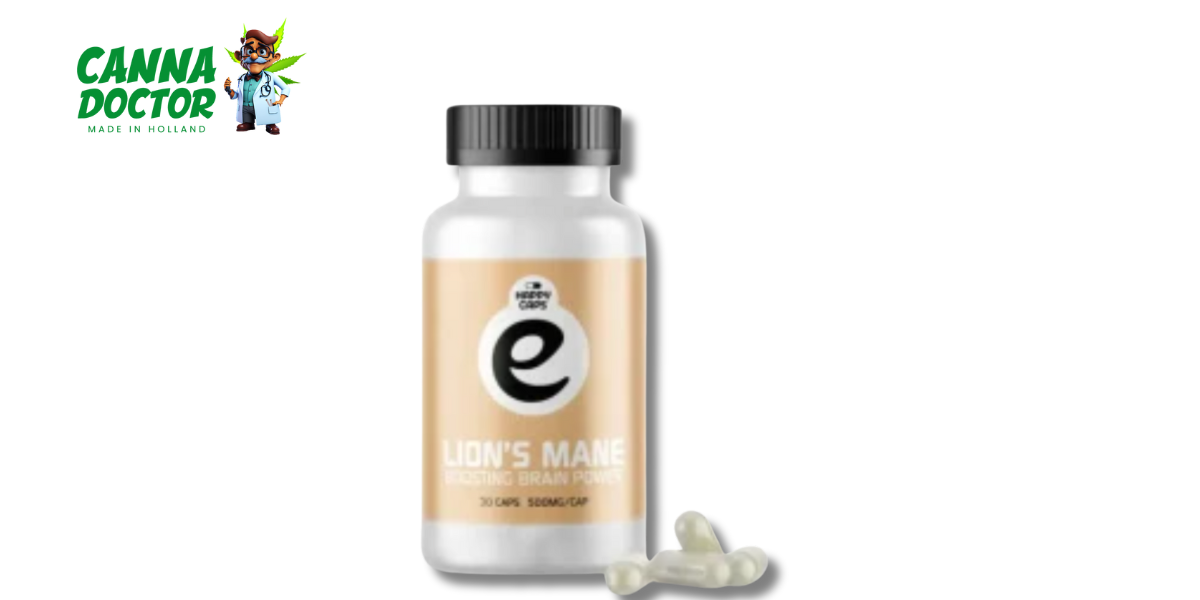
Smaller studies have examined mood and anxiety. One trial found that women consuming Lion’s Mane cookies for four weeks reported reduced irritability and anxiety compared to placebo. While intriguing, these findings need replication in larger, more diverse populations before we can draw firm conclusions about mental health applications.
The proposed mechanisms are fascinating. Beyond NGF stimulation, Lion’s Mane appears to reduce neuroinflammation and oxidative stress in animal models, both factors implicated in cognitive decline. Some researchers suggest it may support myelin production, the protective sheath around nerve fibers. These are compelling biological pathways, but translating animal research to human outcomes requires caution.
For practical use, studies typically employed 1-3 grams daily, often split into multiple doses. Most products come as powders or capsules derived from fruiting body extracts. Hot water extraction appears critical for bioavailability, as many active compounds are bound in chitin, a fiber our bodies can’t digest without processing.
Quality selection is non-negotiable here. Many products use mycelium grown on grain substrates, which dilutes active compounds with starch. Legitimate suppliers provide certificates of analysis showing beta-glucan content (aim for 20% or higher) and verify the absence of grain fillers. Third-party testing for heavy metals and pesticides adds another layer of assurance, particularly important given mushrooms’ tendency to concentrate environmental contaminants.
The evidence suggests Lion’s Mane may offer modest cognitive support, particularly for those experiencing age-related changes. However, it’s not a nootropic in the pharmaceutical sense. Biohackers seeking dramatic cognitive enhancement may be disappointed. Those taking a long-view approach to brain health, willing to track subtle changes over months, may find it a valuable addition to a comprehensive wellness protocol.
Reishi: Immune Regulation and Stress Management
Reishi (Ganoderma lucidum) holds a revered place in traditional medicine, often called the “mushroom of immortality.” Modern research has begun validating some of these historical claims, particularly regarding immune function and stress response, though immortality remains elusive.
The immune benefits show the strongest scientific support. Multiple meta-analyses examining Reishi supplementation in athletes and active individuals found significant improvements in immune markers. Studies using doses up to 5 grams daily demonstrated increased natural killer cell activity, enhanced lymphocyte counts, and improved hemoglobin levels. These aren’t subjective wellness feelings but measurable biomarkers that can be tracked through blood work.
For biohackers monitoring recovery and immune resilience, these findings matter. Natural killer cells form your first line of defense against viral infections and potentially cancerous cells. Enhanced lymphocyte function suggests improved adaptive immunity. Higher hemoglobin supports oxygen delivery, critical for both cognitive function and physical performance.
The stress and sleep support claims rest on somewhat thinner evidence. Small human trials suggest Reishi may reduce fatigue and improve quality of life scores in people with neurasthenia (a condition characterized by chronic fatigue and weakness). The proposed mechanism involves modulation of the hypothalamic-pituitary-adrenal axis and potential effects on cortisol regulation. Animal studies show promise, but larger human trials are needed before making definitive claims.
Reishi’s bioactivity comes primarily from triterpenes and polysaccharides. Triterpenes give Reishi its characteristic bitter taste and may contribute to its anti-inflammatory and stress-modulating effects. The polysaccharides, particularly beta-glucans, drive immune benefits. This dual-action profile makes extraction method critical. Hot water extracts capture polysaccharides, while alcohol extracts pull triterpenes. Dual extraction processes, using both water and alcohol, theoretically provide the full spectrum of compounds.
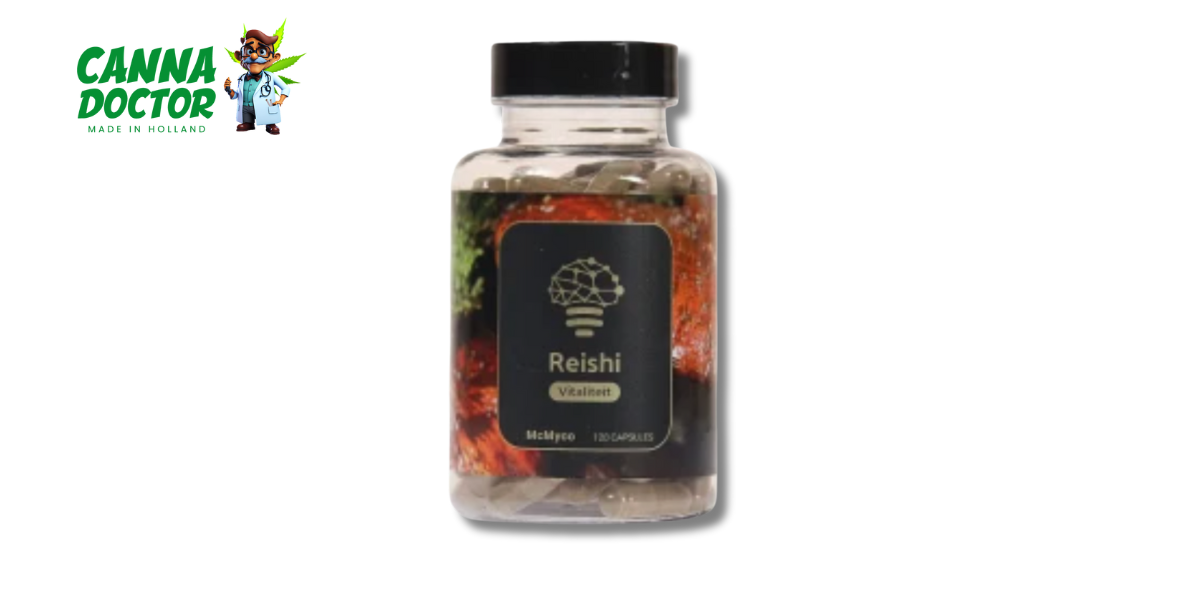
Product selection requires attention. Look for supplements clearly stating they use Ganoderma lucidum fruiting bodies rather than mycelium. Verify extraction methods and request certificates of analysis showing triterpene and polysaccharide content. Some suppliers provide specific percentages, allowing you to compare products objectively.
Safety profiles are generally excellent. Large-scale reviews report Reishi as well-tolerated, with occasional mild digestive upset in sensitive individuals. However, Reishi may affect blood clotting and immune function, creating potential interactions with anticoagulants or immunosuppressant medications. Anyone managing chronic conditions or taking prescription medications should consult healthcare providers before starting supplementation.
For practical application, doses in successful studies ranged from 1.5 to 5 grams daily, typically divided across two or three doses. Effects on immune markers appeared within 8-12 weeks in most studies. Those tracking HRV, sleep quality, or subjective stress levels might notice changes sooner, though individual responses vary widely.
Reishi represents one of the better-researched medicinal mushrooms for immune support, making it particularly relevant for those prioritizing resilience and recovery in demanding training or work schedules. The stress-management benefits, while less proven, add potential value for high-performers managing chronic stressors.
Cordyceps: Energy, Endurance, and Athletic Performance
Cordyceps occupies a unique position among medicinal mushrooms, with some of the most robust human performance data available. Unlike Lion’s Mane and Reishi, which require longer-term use to demonstrate benefits, Cordyceps shows measurable effects on athletic performance and energy metabolism in relatively short timeframes.
The research is compelling. Systematic reviews of Cordyceps supplementation in athletes consistently show improvements in VO2max, the gold standard measure of aerobic capacity. In one meta-analysis, participants showed statistically significant increases in maximal oxygen uptake compared to placebo groups. These aren’t marginal gains, performance improvements that would appear clearly in training data or wearable metrics.
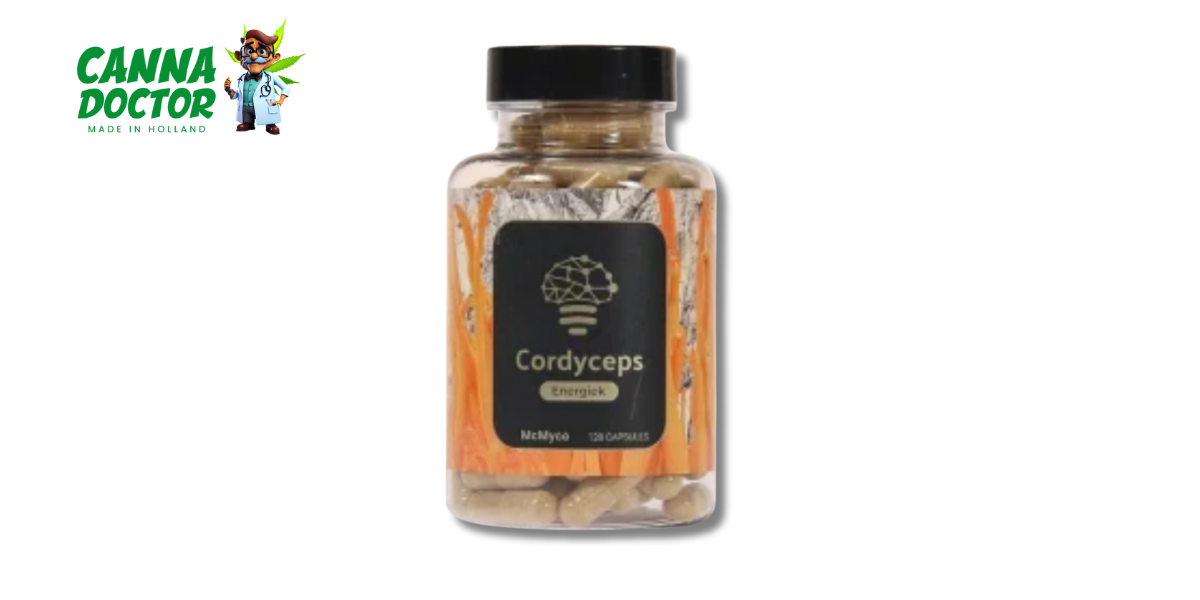
Beyond oxygen uptake, studies document improved hemoglobin and serum ferritin levels. Higher hemoglobin enhances oxygen-carrying capacity, while ferritin stores indicate iron reserves. For endurance athletes or anyone tracking performance optimization, these biomarkers directly correlate with capacity for sustained effort.
The proposed mechanisms involve several pathways. Cordyceps appears to enhance ATP (cellular energy currency) production in mitochondria, potentially through increased efficiency of electron transport chains. Animal studies suggest improved lactate clearance and better cellular oxygen utilization. Some research points to enhanced antioxidant capacity, potentially reducing exercise-induced oxidative stress.
Here’s where sourcing becomes critical and complex. Wild Cordyceps sinensis, growing on caterpillar larvae in high-altitude regions, is extraordinarily rare and expensive. Most supplements use either mycelium of C. sinensis grown in controlled conditions or fruiting bodies of Cordyceps militaris, a related species. Both can contain active compounds like cordycepin and adenosine, but concentrations vary dramatically.
militaris cultivation has advanced significantly, producing fruiting bodies with measurable cordycepin content. This compound shows promise for energy metabolism and immune function in laboratory studies. When evaluating products, look for clear specification of species (militaris vs. sinensis), the part used (fruiting body vs. mycelium), and standardization to specific compounds like cordycepin or polysaccharides.
Clinical doses in successful studies typically ranged from 1 to 3 grams daily. Some protocols used higher doses (up to 4.5 grams) in athletic populations without reported adverse effects. Most studies administered doses for 6-12 weeks before measuring performance outcomes, though some athletes report subjective energy improvements within 2-3 weeks.
Product formats vary. Powders offer flexibility in dosing and can be added to pre-workout drinks or smoothies. Capsules provide convenience and standardized dosing. Liquid extracts may offer faster absorption but often come at premium prices. Dual-extraction products theoretically provide both water-soluble polysaccharides and alcohol-soluble compounds, though verification of this requires analytical testing.
For biohackers tracking metrics, Cordyceps offers some of the most measurable benefits among medicinal mushrooms. Those monitoring VO2max, lactate threshold, or recovery metrics may see objective improvements within a training cycle. The energy benefits, while subjective, often appear more pronounced than with other adaptogenic supplements.
Safety data is reassuring. Large reviews report minimal adverse effects, primarily mild digestive symptoms in a small percentage of users. However, Cordyceps may affect blood sugar and immune function, warranting caution for those with diabetes or autoimmune conditions. As always, medication interactions deserve professional consultation.
Choosing and Using Medicinal Mushrooms Safely
Navigating the medicinal mushroom market requires the same critical thinking and data-driven approach that defines effective biohacking. The explosion of interest has created a landscape where quality varies enormously, and marketing often outpaces science.
Understanding product labels is your first line of defense. Legitimate products specify the mushroom species using Latin names: Hericium erinaceus for Lion’s Mane, Ganoderma lucidum for Reishi, Cordyceps militaris or C. sinensis for Cordyceps. This specificity matters because related species may have different compound profiles.
The part of the mushroom used profoundly affects potency. Fruiting bodies (the actual mushroom structure) generally contain higher concentrations of beneficial compounds than mycelium (the root-like structure). Many budget products use mycelium grown on grain substrates, where the final product may contain more grain starch than actual mushroom material. Quality suppliers clearly state they use fruiting bodies and often provide extraction ratios (like 8:1 or 10:1), indicating how many pounds of mushrooms were concentrated into one pound of extract.
Active compound percentages provide objective quality metrics. For beta-glucans, the primary immune-active polysaccharides, look for products containing at least 20-30%. Some suppliers list specific triterpene content for Reishi or cordycepin levels for Cordyceps. These numbers allow direct comparison between products rather than relying on vague “potency” claims.
Third-party testing represents the gold standard for verification. Reputable suppliers provide certificates of analysis from independent labs testing for heavy metals (mushrooms accumulate environmental contaminants), pesticides, microbial contamination, and active compound content. These certificates should be current and available on request or published on company websites.
Dosage should align with research protocols. Most human studies used 1-5 grams daily, depending on the mushroom and desired outcome. Starting at the lower end of this range allows assessment of individual tolerance and response before increasing. For those tracking quantified self-data, maintaining consistent dosing simplifies correlation with measurable outcomes.
Stacking multiple mushroom species is common in the biohacking community, theoretically combining Lion’s Mane for cognition, Reishi for immune support, and Cordyceps for energy. While generally safe, this approach makes it difficult to attribute specific effects to individual mushrooms. Those new to medicinal mushrooms might start with single species for 8-12 weeks, tracking relevant metrics, before adding others.
Product format affects both convenience and bioavailability. Powders offer dosing flexibility and can be mixed into coffee, smoothies, or other beverages. Capsules provide standardized doses and eliminate the strong taste many find off-putting. Liquid extracts and tinctures may offer faster absorption but typically cost more per dose. Hot water or dual extracts (using both water and alcohol) generally provide better bioavailability than raw powdered mushrooms, as extraction breaks down chitin that our digestive systems can’t process.
Safety profiles for these three mushrooms are generally excellent in healthy populations. Large-scale reviews report few serious adverse events. However, several interactions and contraindications deserve attention. Medicinal mushrooms, particularly Reishi, may affect blood clotting, creating potential issues for those on anticoagulant medications. Their immune-modulating effects could theoretically interfere with immunosuppressants used in autoimmune conditions or organ transplants.
Pregnancy and breastfeeding represent areas where insufficient human safety data exists. While traditional use suggests safety, the lack of controlled studies means conservative approaches make sense. Anyone managing chronic conditions or taking prescription medications should involve healthcare providers in decisions about supplementation.
Individual response variability is significant. Some users notice subjective benefits within weeks, while others require months of consistent use before detecting changes. Those tracking objective metrics (cognitive tests, athletic performance, immune markers) can assess efficacy more reliably than relying solely on subjective feelings.
Storage matters more than many realize. Mushroom extracts are sensitive to heat, light, and moisture. Store products in cool, dark, dry conditions. Watch expiration dates, as potency degrades over time, particularly in products without proper packaging.
Market Insights and Industry Trends
The medicinal mushroom market exemplifies broader trends in the wellness and biohacking sectors, rapid growth driven by consumer demand colliding with variable quality and limited regulation. Understanding these dynamics helps navigate the market intelligently.
Market projections tell a compelling story. The global mushroom supplement market is projected to reach $862 million by 2035, with a compound annual growth rate around 6%. Broader functional mushroom categories, including food and beverage applications, may hit $62 billion by 2032. These aren’t marginal wellness niches but significant market segments attracting major investment.
Within this growth, Lion’s Mane shows the fastest expansion at approximately 11% CAGR, reflecting intense consumer interest in cognitive health and nootropics. Reishi and Cordyceps maintain substantial market shares, driven by immune support and athletic performance applications respectively. This differentiation suggests consumers are becoming more sophisticated, seeking specific mushrooms for targeted benefits rather than treating them as interchangeable.
However, rapid growth creates quality challenges. Increased demand has led to supply chain issues and, predictably, increased adulteration. Common problems include mycelium-on-grain products marketed as full-spectrum mushroom extracts, undisclosed fillers, misidentification of species, and inconsistent active compound levels. The supplement industry’s self-regulatory nature means enforcement relies heavily on consumer awareness and brand reputation.
The regulatory landscape offers limited protection. In most countries, including the United States, medicinal mushrooms fall under dietary supplement regulations rather than pharmaceutical standards. This means companies cannot make specific disease treatment claims without FDA approval, but quality control and testing requirements remain minimal. Pre-market approval isn’t required, and post-market surveillance is limited.
This regulatory gap places responsibility on consumers to verify quality through third-party testing, transparent sourcing information, and reputation research. Brands serving the informed biohacking community increasingly recognize that data-driven consumers demand verification, creating competitive pressure toward transparency.
Sourcing transparency is becoming a differentiator. Leading suppliers provide detailed information about cultivation conditions, growing substrates, extraction methods, and testing protocols. Some offer full traceability from cultivation through final product. This transparency allows consumers to make informed decisions rather than relying on marketing claims.
The tension between traditional whole-mushroom approaches and standardized extracts reflects broader debates in the natural products industry. Traditional use emphasized consuming whole mushrooms, often as teas or soups. Modern extraction technology allows concentration of specific compounds, potentially improving efficacy but also introducing processing variables that may alter activity. Research comparing whole mushrooms to extracts remains limited, leaving both approaches with theoretical support.
For consumers navigating this market, several strategies emerge. Prioritize brands with clear third-party testing, transparent sourcing, and specific active compound guarantees. Be skeptical of products making dramatic health claims without citing specific research. Understand that premium pricing doesn’t automatically indicate superior quality, but extremely cheap products likely involve quality compromises.
The intersection of medicinal mushrooms with the broader wellness optimization movement creates both opportunities and risks. On one hand, increased interest drives research funding and product innovation. On the other, hype cycles can create unrealistic expectations and attract opportunistic actors prioritizing profit over quality.
Expert Perspectives and Future Directions
The scientific and medical establishment views medicinal mushrooms with cautious optimism, recognizing promising preliminary evidence while calling for more rigorous investigation. This balanced perspective helps contextualize current knowledge and future potential.
Major research institutions, including the National Cancer Institute, acknowledge that laboratory and animal studies show encouraging results for various medicinal mushroom compounds. However, they consistently note that human clinical evidence remains limited in scale and scope. The NCI’s position on mushrooms in cancer care, for example, recognizes potential immune benefits while emphasizing that they cannot replace proven treatments.
Current scientific debates center on several key questions. The whole mushroom versus extract discussion continues, with advocates of whole mushroom supplementation arguing that synergistic effects between multiple compounds may be lost in standardized extracts. Extract proponents counter that concentration and bioavailability improvements outweigh any lost synergy. Research directly comparing these approaches in human trials remains sparse.
The fruiting body versus mycelium debate carries both scientific and commercial weight. Mycelium contains different compound ratios than fruiting bodies, and when grown on grain substrates, the final product may include significant grain material. Some research suggests mycelium produces unique compounds not found in fruiting bodies, but concentration differences are substantial. The scientific consensus leans toward fruiting body extracts for most applications, though this may evolve as mycelium cultivation technology advances.
Active compound identification represents ongoing work. While beta-glucans receive the most attention for immune benefits, hundreds of other compounds in medicinal mushrooms remain incompletely characterized. Understanding which specific molecules drive observed benefits, their optimal ratios, and potential synergies requires continued investigation. Some researchers advocate for whole-mushroom approaches until we better understand these complex interactions.
Future research directions are taking shape. Several large-scale clinical trials are underway or planned examining Lion’s Mane for mild cognitive impairment and early Alzheimer’s disease. If these trials demonstrate significant benefits with acceptable safety profiles, they could shift medicinal mushrooms from wellness supplements toward recognized therapeutic agents.
Athletic performance research is expanding beyond VO2max to examine recovery, immune function during training stress, and potential benefits for specific sports. This work particularly interests the biohacking community, as it promises quantifiable metrics for evaluation.
Immune function studies are exploring applications in cancer care (as adjunct therapy supporting immune function during treatment), autoimmune conditions (where immune modulation might help), and preventive health (maintaining immune resilience in healthy populations). These diverse applications require different research approaches and regulatory pathways.
Mechanistic research using advanced techniques like metabolomics and proteomics is identifying how medicinal mushroom compounds interact with human cells and systems. Understanding these mechanisms at a molecular level could enable more targeted applications and better product standardization.
Standardization remains a critical challenge. Unlike pharmaceutical drugs with single active ingredients, mushrooms contain hundreds of compounds. Determining which to standardize to, at what levels, and how to verify them requires ongoing work. Some researchers advocate for fingerprinting approaches using multiple compounds rather than single-compound standardization.
The integration of medicinal mushrooms into broader health optimization protocols interests researchers studying longevity and healthspan extension. Rather than viewing them as standalone interventions, future research may examine how they complement other evidence-based approaches like exercise, sleep optimization, and nutritional interventions.
For consumers and practitioners, this evolving evidence base suggests several principles. First, maintain realistic expectations based on current evidence rather than promising preliminary findings. Second, recognize that individual responses vary significantly, making personal experimentation with careful tracking valuable. Third, view medicinal mushrooms as potential components of comprehensive health strategies rather than magic bullets.
The scientific community’s increasing interest in validating traditional mushroom use through modern research methods represents a convergence of ancient wisdom and contemporary methodology. While much work remains, the foundation suggests that at least some traditional claims have scientific merit.
Moving Forward With Medicinal Mushrooms
Lion’s Mane, Reishi, and Cordyceps represent a compelling intersection of traditional wisdom and modern science, offering targeted wellness benefits backed by growing but still incomplete evidence. For those approaching health optimization systematically, these mushrooms provide tools worth serious consideration.
The strongest evidence supports Cordyceps for athletic performance and energy metabolism, Reishi for immune function and recovery, and Lion’s Mane for cognitive support, particularly in age-related decline. However, evidence strength varies, and individual responses differ significantly. What works remarkably for one person may produce minimal effects in another.
Quality selection cannot be overstated. The medicinal mushroom market includes both rigorous, science-based suppliers and opportunistic actors capitalizing on trends. Third-party testing, transparent sourcing, clear active compound specifications, and verifiable extraction methods distinguish legitimate products from questionable alternatives.
Safe use for most healthy adults is well-established, but attention to proper dosing, potential medication interactions, and individual contraindications remains essential. Those managing chronic conditions or taking prescription medications should involve healthcare providers in supplementation decisions.
Realistic expectations prevent disappointment. These are not pharmaceutical drugs producing rapid, dramatic changes. Instead, they represent gentle, cumulative interventions that may support health optimization when combined with fundamental practices like quality sleep, appropriate exercise, stress management, and proper nutrition. Viewing them as components of comprehensive wellness strategies rather than standalone solutions aligns with both research findings and practical outcomes.
For the data-driven biohacker, medicinal mushrooms offer several advantages: measurable biomarkers (immune panels, performance metrics, cognitive tests), established dosing ranges from research, and generally excellent safety profiles. Systematic experimentation with proper tracking can reveal whether these tools provide value for your specific goals and biochemistry.
The field continues evolving rapidly. Current research suggests we’re only beginning to understand these complex organisms’ potential benefits. Future studies will likely refine our understanding of optimal applications, dosing strategies, and quality parameters.
If medicinal mushrooms interest you for specific health goals, approach them systematically. Start with quality products targeting your primary objective, establish baseline measurements where possible, maintain consistent dosing for adequate timeframes (8-16 weeks), track both objective and subjective responses, and adjust based on results.
The convergence of ancient use, modern research, and growing consumer demand has created an exciting but complex market. Navigating it successfully requires the critical thinking, data literacy, and skeptical optimism that characterize effective health optimization. These mushrooms aren’t magic, but for many users, they represent valuable tools in the ongoing project of building resilient, optimized health.