




How to Read CBD & Smartshop Product Labels

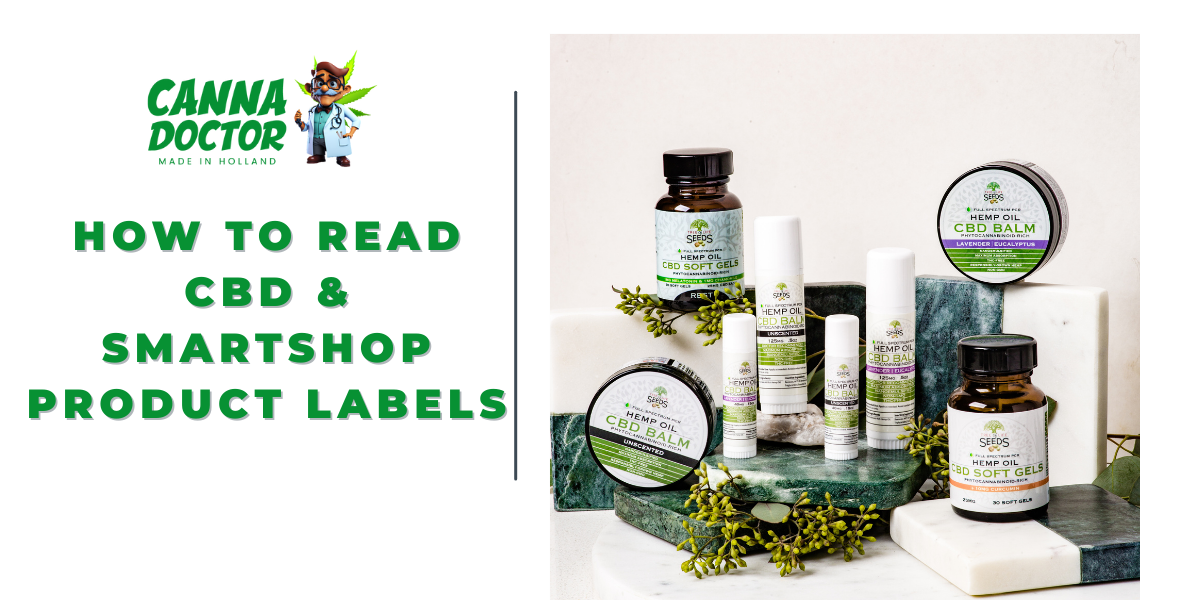
Walking into a CBD shop or browsing online can feel overwhelming. Rows of tinctures, gummies, capsules, and smartshop supplements all promise wellness benefits, but how do you know what you’re actually getting? The answer lies in learning to read product labels like a pro.
Product labels are your first line of defense against mislabeled, contaminated, or ineffective products. With recent studies showing that up to 60% of CBD products don’t match their label claims, understanding what to look for has never been more important. This guide will walk you through everything you need to know to make informed, safe choices in 2024.
Quick Label Checklist
Before we dive deep, here’s your at-a-glance checklist for evaluating any CBD or smartshop product:
Essential Elements
- Product identity and spectrum type clearly stated (full-spectrum, broad-spectrum, or isolate)
- Exact CBD content listed both per serving and per package in milligrams
- Complete ingredient list with no vague “proprietary blends” for active compounds
- Manufacturer name, address, and contact information
- Batch or lot number with expiration or “best by” date
- Third-party Certificate of Analysis (COA) that’s easily accessible and matches the batch number
- Required warnings and disclaimers (pregnancy, age restrictions, FDA statement)
- Legal compliance symbols where mandated (QR codes, universal cannabis warnings)
- No exaggerated health claims like “cures” or “treats” specific diseases
If a product fails to meet even one of these criteria, consider it a red flag worth investigating further.
Label Basics & Regulatory Must-Haves
Understanding what’s legally required on a CBD or smartshop product label starts with knowing the regulatory landscape. While there’s no single federal law governing CBD labeling in the United States, products must comply with existing Food, Drug, and Cosmetic Act (FD&C) regulations and dietary supplement rules under DSHEA.
Core Required Elements
Every legitimate product should display a clear product identity. This means the label tells you exactly what you’re buying: “CBD Oil Tincture,” “Broad-Spectrum CBD Gummies,” or “Lion’s Mane Mushroom Capsules.” Vague descriptions like “hemp wellness extract” should raise immediate questions.
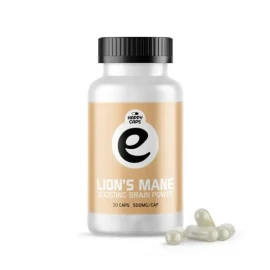
Net contents must be stated in standard measurements. For liquids, you’ll see milliliters (mL) or fluid ounces (fl oz). For solids like gummies or capsules, expect counts and total weight. This information helps you calculate value and appropriate dosing.
Manufacturer information isn’t just a formality. The brand name, physical address, and contact details must appear on the label. This accountability allows you to reach out with questions and helps regulators track products if issues arise. A P.O. box or missing contact information is a significant warning sign.
Batch and lot numbers serve as your product’s unique identifier, linking it to specific production runs and lab testing. Without this number, there’s no way to verify the Certificate of Analysis or participate in recalls if contamination is discovered. Expiration dates or “best by” dates indicate when the product may start losing potency or stability.
FDA and State-Level Mandates
Federal law requires a specific disclaimer on all CBD products: “This product is not intended to diagnose, treat, cure, or prevent any disease.” This statement, often called the FDA disclaimer, protects consumers from misleading medical claims. Its absence suggests the manufacturer either doesn’t understand regulations or is deliberately avoiding compliance.
State requirements vary significantly and often exceed federal minimums. New York has emerged as one of the most stringent regulators, requiring QR codes that link directly to Certificates of Analysis, detailed spectrum disclosure (full, broad, or isolate), precise THC percentages, and exact CBD content per serving and per package. Ingredients must be listed in descending order by weight, and batch numbers must match lab testing documentation.
Colorado and California have implemented similar transparency measures, mandating clear THC content disclosure, batch traceability, explicit cannabis warning symbols, and accessible COAs. Texas requires hemp source disclosure, scannable QR codes for lab results, and complete ingredient panels. These states represent the direction the industry is moving, even where regulations haven’t yet caught up.
Anatomy of a CBD Label
A well-designed label typically has two panels: front and back. The front panel displays product identity, net contents, and brand information. It might also feature certifications, spectrum type, and total CBD content. The back panel contains the detailed ingredient list, supplement facts, dosing instructions, warnings, manufacturer details, batch number, expiration date, and the FDA disclaimer.
Premium products increasingly include QR codes on the front or back panel. These codes should link directly to the product’s Certificate of Analysis, allowing instant verification of lab testing results. Some brands also include customer service QR codes or links to detailed product information and usage guides.
Understanding CBD Spectrum & Extract Terminology
The term “spectrum” describes which cannabinoids and plant compounds remain in the final CBD product. This distinction matters enormously for efficacy, legality, and whether you might fail a drug test.
Full-Spectrum CBD
Full-spectrum products contain all naturally occurring cannabinoids from the hemp plant, including up to 0.3% THC (the legal federal limit), plus terpenes and flavonoids. Advocates point to the “entourage effect,” a theory suggesting these compounds work synergistically to enhance therapeutic benefits.
The presence of trace THC creates both advantages and concerns. Some users report better results with full-spectrum products, but that small amount of THC can accumulate with regular use and potentially trigger positive drug tests. Anyone subject to workplace drug screening should carefully consider this risk.
Full-spectrum labels should explicitly state THC content as a percentage or in milligrams per serving. Look for precise numbers, not just “less than 0.3%” or “trace amounts.” New York and other leading states require exact disclosure.
Broad-Spectrum CBD
Broad-spectrum represents a middle ground. These products undergo additional processing to remove THC while retaining other beneficial cannabinoids and terpenes. You still get multiple plant compounds working together, but without the psychoactive component or drug test concerns.
The challenge with broad-spectrum products lies in verification. Labels should specify “THC-free” or “ND” (non-detectable) rather than just “broad-spectrum.” The Certificate of Analysis should confirm THC levels below the detection limit, typically less than 0.01%.
CBD Isolate
Isolate products contain pure CBD with all other cannabinoids, terpenes, and plant compounds removed. These products test at 99%+ CBD purity and contain absolutely no THC. While you lose the potential entourage effect, you gain complete certainty about what you’re consuming.
Isolate makes sense for anyone with zero THC tolerance (due to employment, athletic testing, or personal preference) or those who’ve experienced sensitivity to other cannabinoids. It’s also easier to dose precisely since you’re working with a single compound.
Why Spectrum Matters
The spectrum type affects everything from the product’s legal status in your state to how it interacts with your body. Unfortunately, this is where mislabeling runs rampant. Studies from 2024 show that only 57% to 68% of products accurately match their claimed spectrum type when independently tested.
A product labeled “broad-spectrum” that contains THC isn’t just mislabeled; it could cause legal or employment problems for the consumer. Similarly, isolate products that actually contain other cannabinoids may trigger unexpected effects or interactions.
Comparing Spectrum Types
| Spectrum Type | Contains THC? | Other Cannabinoids? | Terpenes? | Best For | Drug Test Risk |
|---|---|---|---|---|---|
| Full-Spectrum | Yes (≤0.3%) | Yes | Yes | Seeking entourage effect, not subject to drug testing | Moderate to High |
| Broad-Spectrum | No (ND) | Yes | Yes | Want multiple compounds without THC | Very Low |
| CBD Isolate | No | No | No | Want pure CBD only, zero THC tolerance | None |
When evaluating a label, the spectrum type should be clearly stated near the product name or in the supplement facts panel. If you have to hunt for this information or if it’s only vaguely referenced, consider that a quality concern.
Dosage, Potency & How to Interpret Serving Sizes
Potency information tells you how much CBD or active ingredient you’re actually getting. This is where many consumers get confused, and manufacturers sometimes take advantage of that confusion.
Decoding Total vs. Per-Serving Potency
Labels must distinguish between total package potency and per-serving potency. A bottle might contain 1,500 mg of CBD total, but if it contains 30 servings, each serving delivers 50 mg. Both numbers matter, but for different reasons.
Total potency helps you compare value between products. A 1,000 mg bottle at $50 costs $0.05 per milligram, while a 500 mg bottle at $30 costs $0.06 per milligram. The first offers better value, assuming quality is equal.
Per-serving potency determines your actual dose. If you’re aiming for 25 mg of CBD per day, a product with 50 mg per serving means you’ll take half a serving. This becomes crucial with edibles where splitting a gummy or capsule isn’t practical.
The “Hemp Extract” Trick
Some labels list only “hemp extract” without specifying CBD content. This phrasing is deliberately misleading. Hemp extract could contain any amount of CBD, from nearly 100% down to virtually nothing. It might even refer to hemp seed oil, which contains beneficial fatty acids but zero cannabinoids.
Legitimate products state CBD content explicitly: “Contains 25 mg CBD per serving” or “1,000 mg CBD per bottle.” If you see only “hemp extract,” ask the manufacturer for clarification or choose a more transparent product.
Matching Your Needs with Label Information
Understanding dosage starts with knowing your goals. Research and anecdotal evidence suggest different dosage ranges for different purposes: 10-20 mg for general wellness, 20-40 mg for moderate discomfort or sleep support, and higher doses under healthcare provider guidance for specific conditions.
Product format affects how you dose. Tinctures offer precise control since you can adjust drops or milliliters. Capsules provide consistent dosing but less flexibility. Edibles like gummies are convenient but typically come in fixed doses (10 mg, 25 mg, etc.). Topicals work differently entirely, with absorption depending on application area and skin type.
When reading a label, calculate whether the product allows your intended dosing. If you want to start at 15 mg but the product contains 50 mg per gummy with no score line for splitting, it’s not the right choice.
Industry Potency Problems
Here’s the uncomfortable truth: in 2024, approximately 74% of tested CBD products had inaccurate potency claims. Of those, 46% contained more CBD than labeled, while 28% contained less. While getting extra might seem like a bonus, it makes consistent dosing impossible and raises questions about manufacturing quality control.
Under-dosed products represent clear consumer fraud. You’re paying for potency you’re not receiving. Over-dosed products create different problems, including unexpected effects, faster depletion than anticipated, and potential side effects from higher-than-intended consumption.
Dosing Safety Considerations
Recent research, including a 2023 study in JAMA Internal Medicine, has highlighted potential liver health concerns with very high CBD doses (above 200-300 mg daily). While CBD is generally well-tolerated, accuracy in labeling becomes critical for consumers trying to stay within safe ranges.
The lack of federal dosing guidelines makes label accuracy even more important. Without authoritative recommendations, consumers rely entirely on product labels to make informed decisions. When those labels prove unreliable, safety risks increase.
Ingredient Transparency & Hidden Red Flags
Beyond CBD or active compounds, what else goes into your product matters significantly for both efficacy and safety.
Complete Ingredient Disclosure
Federal law requires all ingredients to be listed in descending order by weight. The first ingredient listed represents the largest component, continuing down to the smallest. This ordering helps you understand product composition at a glance.
For CBD products, you’ll typically see the carrier oil listed first. Common carriers include MCT oil (medium-chain triglyceride oil, usually derived from coconut), hemp seed oil (which provides omega fatty acids but no CBD), and olive oil. The choice of carrier affects absorption, taste, and shelf stability.
Additional ingredients might include natural or artificial flavors, sweeteners (for edibles), colorants, preservatives, emulsifiers, and sometimes additional supplements or botanicals. Each ingredient should be clearly named, not hidden behind vague terms.
Allergen Information
Products must disclose major allergens including milk, eggs, fish, shellfish, tree nuts, peanuts, wheat, and soybeans. This information usually appears in a separate statement: “Contains: Soy” or “Allergen Warning: Contains tree nuts (coconut).”
For CBD and smartshop products, coconut-derived ingredients (MCT oil) represent the most common allergen. Some people with coconut allergies can tolerate highly refined MCT oil, but the potential for reaction means clear labeling is essential.
Red Flag Terminology
“Hemp oil” without clarification remains one of the biggest red flags in CBD labeling. This term could mean CBD-rich hemp extract, or it could mean hemp seed oil containing zero CBD. Reputable manufacturers never use this ambiguous phrasing. They specify either “CBD oil” or “hemp seed oil” to prevent confusion.
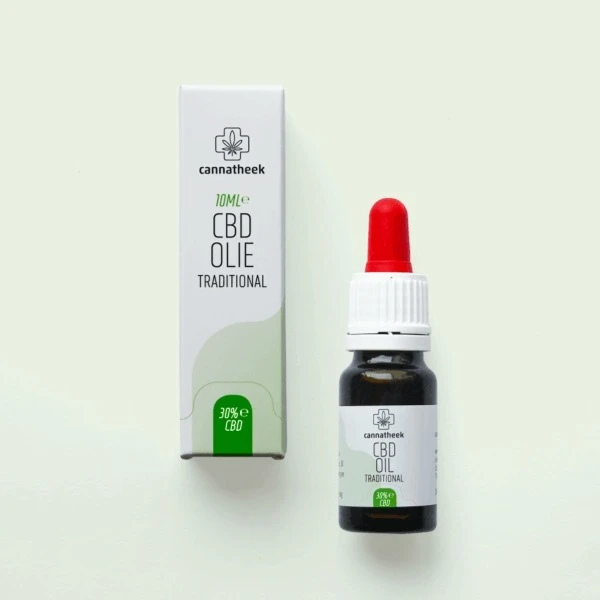
“Proprietary blend” appears more commonly in smartshop products containing multiple nootropics or adaptogens. While some formulation details might legitimately be proprietary, the amounts of active ingredients should never be hidden. If a product contains Lion’s Mane mushroom and Bacopa monnieri, you should know how much of each you’re getting.
Phrases like “maximum strength” or “ultra-potent” without specific milligram amounts are marketing speak that obscures actual potency. Terms like “pure” or “natural” lack regulatory definitions and tell you nothing about product quality.
Spotting Fake or Misleading Labels
Several characteristics distinguish legitimate labels from questionable ones:
Missing or incomplete ingredient lists suggest the manufacturer has something to hide or doesn’t understand regulatory requirements. Either scenario should concern you.
Absent batch numbers or expiration dates make product verification impossible. Without these identifiers, you can’t access lab results or know if the product is still good.
Vague CBD content claims like “high potency” or “concentrated formula” without specific milligram amounts prevent informed dosing and comparison shopping.
“Cure-all” health claims (we’ll discuss these more in the warnings section) violate federal law and indicate a manufacturer operating outside regulatory boundaries.
Generic or stock images instead of actual product photography sometimes accompany fake products, particularly in online marketplaces.
Third-Party Lab Testing & Verifying COA Authenticity
The Certificate of Analysis represents your best tool for verifying what’s actually in the bottle. However, not all COAs are created equal, and some are outright fabricated.
What is a COA?
A Certificate of Analysis is a document produced by an independent, third-party laboratory that tests the product for cannabinoid content, contaminants, and sometimes additional quality markers. The key word is “independent.” Tests performed by the manufacturer or by labs with financial ties to the brand lack credibility.
Legitimate COAs come from ISO/IEC 17025 accredited laboratories. This international standard ensures the lab meets specific requirements for technical competence and quality management. When reviewing a COA, look for the lab’s accreditation information, usually included in the document footer or header.
Accessing the COA
Premium brands make accessing COAs effortless. The best approach is a QR code printed directly on the product label. Scanning this code should take you directly to the COA for that specific batch, not to a generic company webpage or testing page.
Alternative access methods include direct links on the company website (searchable by batch number), email provision upon request, or physical copies included with the product. While these approaches work, they create more friction than a simple QR code scan.
Red flags appear when companies claim to have COAs but make them difficult to access, when they provide only generic results not linked to batch numbers, or when they don’t offer COAs at all.
Batch Number Matching
This critical step gets overlooked constantly. The batch or lot number on your product label must match the batch number on the COA. If these don’t align, you’re looking at testing results for a different product run, which tells you nothing about what you’re actually holding.
Manufacturers produce multiple batches, and quality can vary between them due to differences in hemp crops, processing conditions, or even human error. Only a batch-matched COA provides relevant information about your specific product.
What to Check in a COA
A comprehensive COA typically includes several testing panels:
The cannabinoid profile shows exact amounts of CBD, THC, and other cannabinoids like CBG, CBN, or CBC. These results should closely match label claims. For CBD, look for results within about 10% of the stated amount. THC should match the spectrum claim (0.3% or less for full-spectrum, non-detectable for broad-spectrum or isolate).
Heavy metals testing screens for lead, arsenic, mercury, and cadmium. Hemp naturally accumulates metals from soil, so this testing is critical. All results should show “pass” or levels below safety thresholds established by regulatory bodies.
Pesticide testing checks for agricultural chemicals that shouldn’t appear in final products. A 2024 industry analysis found that approximately 15% of tested products contained detectable pesticides. All pesticide results should read “ND” (non-detectable) or “pass.”
Microbial contamination testing looks for harmful bacteria, mold, yeast, and E. coli. Products should pass all microbial safety tests.
Residual solvent testing (for products made using extraction methods) ensures that chemicals used during processing have been properly removed. Common solvents include ethanol, butane, and CO2. Results should show levels below safety limits or non-detectable.
Mycotoxin testing screens for toxic compounds produced by certain molds. These shouldn’t appear in properly stored, handled hemp.
Some COAs also include terpene profiles (showing aromatic compounds that may contribute to effects), moisture content, and water activity (both indicating freshness and shelf stability).
Pass/Fail Status
Each testing category should clearly indicate pass or fail status. Some COAs use green checkmarks for pass and red X’s for fail. Others simply state “Pass” or “Within limits.” Any failed category means the product shouldn’t be sold and definitely shouldn’t be consumed.
Case Example: Reading a Real COA
Let’s walk through a sample verification:
Your product label states “25 mg CBD per serving, broad-spectrum, 30 servings (750 mg total CBD).” The batch number reads “BD2024-127.”
You scan the QR code and pull up a COA. First, verify the batch number matches: “BD2024-127” appears on the COA. Good.
Next, check the cannabinoid profile. It shows 26.3 mg CBD per serving, 788 mg total CBD. This is within acceptable variance (about 5% higher than claimed). The THC line shows “ND” (non-detectable), confirming the broad-spectrum claim.
The heavy metals panel shows all results as “pass” with specific values well below limits. Pesticides: “No pesticides detected.” Microbiological testing: “Pass.” Solvents: “ND.”
This COA confirms the product matches its label and passes safety testing. You can proceed with confidence.
When COA and Label Don’t Match
Discrepancies require action. Small variations (within 10-15%) may reflect testing methodology differences or normal manufacturing variance. Larger discrepancies suggest either mislabeling, poor quality control, or potentially a fraudulent COA.
If you spot a serious mismatch:
Contact the manufacturer directly. Ask them to explain the discrepancy. Legitimate companies will investigate and provide explanations.
If the response is unsatisfactory or you receive no response, report the issue to your state’s cannabis regulatory agency (if applicable) or to the FDA through their Safety Reporting Portal.
Stop using the product. If the label and testing don’t align, you don’t know what you’re actually consuming.
Leave reviews on the retailer’s website or other platforms to warn fellow consumers.
COA Red Flags
Certain warning signs indicate a COA might be fabricated or misleading:
Suspiciously perfect results, where every cannabinoid matches the label exactly or all contamination tests show exactly zero detection, can indicate data manipulation.
Missing accreditation information, lab contact details, or physical addresses make verification impossible.
Generic or outdated results not linked to specific batch numbers suggest the company is recycling old test results across multiple product runs.
Poor quality scans, images, or PDFs that appear edited or altered should raise immediate suspicion.
Results that seem too good compared to industry norms (for example, 100% purity claims for non-isolate products) don’t pass basic logic tests.
Required Warnings, Disclaimers & Legal Compliance
Federal and state laws mandate specific language on CBD and supplement labels to protect consumers and ensure manufacturers don’t make illegal medical claims.
The FDA Disclaimer
Every CBD and smartshop supplement must include this statement or very similar wording: “These statements have not been evaluated by the Food and Drug Administration. This product is not intended to diagnose, treat, cure, or prevent any disease.”
This disclaimer serves two purposes. It reminds consumers that supplements aren’t FDA-approved medications and warns them not to replace medical treatment with supplements. It also protects manufacturers from FDA enforcement action, provided they’re not making actual drug claims.
The absence of this disclaimer indicates either ignorance of federal law or deliberate non-compliance. Neither scenario should inspire confidence.
Age Restrictions
Most CBD and all psychoactive smartshop products should include age warnings. Common language includes “Not for use by persons under 18” or “under 21” depending on state requirements and product type.
These warnings protect minors and provide legal cover for manufacturers and retailers. Products without age-appropriate warnings may face regulatory action, and retailers selling to minors could face penalties.
Pregnancy and Nursing Warnings
CBD and many smartshop ingredients lack sufficient safety data for pregnant or nursing individuals. Standard warnings state: “If pregnant, nursing, or taking medications, consult your healthcare provider before use.”
This language is more than legal protection. Pregnant and nursing people metabolize substances differently, and many compounds cross the placental barrier or appear in breast milk. The absence of this warning suggests the manufacturer hasn’t considered basic safety protocols.
Drug Interaction Advisories
CBD interacts with numerous medications, particularly those metabolized by liver enzymes CYP3A4 and CYP2C19. These include blood thinners, some antidepressants, and many others. While labels can’t list every potential interaction, quality products include language like “Consult your healthcare provider before use, especially if taking medications.”
Smartshop products containing nootropics or adaptogens may have their own interaction profiles. Products should warn about known interactions or generally advise medical consultation.
Allergen and Sensitivity Warnings
Beyond ingredient lists, labels should call out major allergens in a prominent “Contains” statement. Additional warnings might include “Processed in a facility that also processes [allergen]” for cross-contamination risks.
Some ingredients, while not traditional allergens, can cause sensitivities. For example, high doses of certain B vitamins can cause flushing. Quality manufacturers include these warnings even when not legally required.
State-Mandated Symbols and Disclosures
States with mature cannabis programs require specific symbols and warnings:
Universal THC symbol: A standardized icon indicating the product contains THC, required in states like Colorado, California, and Washington even for hemp-derived products with trace amounts.
Child-resistant packaging statements describing how to properly secure the container.
Serving size warnings for edibles, particularly “Start Low and Go Slow” messaging for products containing THC.
State-specific website or helpline information for consumers seeking additional information about cannabis products.
QR codes linking to official state tracking systems or required consumer education resources.
Recent Regulatory Updates (2023-2024)
The regulatory environment continues tightening. New York’s Office of Cannabis Management issued updated guidance in June 2024 that strengthened COA linkage requirements, added homogeneity testing for edibles, and increased oversight of online sales.
Several states have stepped up enforcement actions against mislabeled products, with California’s Department of Cannabis Control issuing multiple recalls in late 2023 and early 2024 for products failing to meet labeling standards or testing requirements.
The EU’s General Product Safety Regulation (GPSR), taking full effect in December 2024, creates new requirements for products sold in European markets. While this doesn’t directly affect U.S. consumers, international CBD brands may start implementing these stricter standards across all markets, raising the bar globally.
Smartshop Product Labels: What’s Different?
Smartshops specialize in nootropics, adaptogens, legal plant-based psychedelics, and consciousness-exploring supplements alongside CBD products. While many labeling principles overlap, some unique considerations apply.
Defining Smartshop Products
The smartshop category includes cognitive enhancers like Lion’s Mane mushroom, Bacopa monnieri, and racetam compounds; adaptogens such as Rhodiola rosea and Ashwagandha; and legal psychoactive or psychedelic alternatives including certain Amanita muscaria preparations, Blue Lotus, and others depending on jurisdiction.
These products operate in a regulatory gray area. Most are sold as dietary supplements in the U.S., subject to DSHEA regulations. However, some ingredients face scrutiny from the FDA or may be controlled in specific states.
Similarities with CBD Labeling
Smartshop products need the same foundational elements:
Clear product identity and ingredient disclosure Batch numbers and expiration dates Manufacturer information Supplement facts panel with serving sizes and amounts FDA disclaimer Appropriate warnings (age, pregnancy, drug interactions)
The best smartshop brands have adopted COA practices from the CBD industry, providing third-party testing for purity, potency, and contamination even when not legally required.
Key Differences and Special Considerations
Psychoactive disclosure becomes critical for smartshop products. While CBD is generally non-psychoactive (or minimally psychoactive), many smartshop products are specifically taken for consciousness-altering effects. Labels should clearly communicate these properties with warnings like “May cause alterations in perception and cognition” or “Not for use before driving or operating machinery.”
Potency standardization proves more challenging for botanical products. While synthetic nootropics can be dosed precisely, plant-based products vary in active compound concentrations depending on growing conditions, harvest timing, and processing methods. Quality manufacturers standardize extracts to specific percentages of key compounds (for example, “Bacopa extract standardized to 45% bacosides”).
Stacking and combination products are popular in the smartshop space, where multiple ingredients are combined for synergistic effects. These labels must clearly list all active ingredients with individual dosages, not hide them in proprietary blends. A “Focus Formula” containing 300 mg of various nootropics tells you nothing; a formula listing 150 mg Alpha-GPC, 100 mg L-Theanine, and 50 mg Rhodiola extract provides actionable information.
Legal status variations mean some smartshop ingredients are legal nationally while others face state or local restrictions. Responsible manufacturers include information about legal status and shipping limitations.
Navigating Mixed-Ingredient Labels
Many smartshop products combine CBD with other compounds: CBD plus adaptogens for stress, CBD with sleep-supporting herbs like valerian or passionflower, or CBD with cognitive enhancers.
For these products, look for:
Individual dosages of all active ingredients, including both CBD and other compounds Spectrum type for the CBD component (full, broad, isolate) Source and standardization information for botanical ingredients (extract ratios, standardized percentages) Potential interaction warnings between different active ingredients COAs covering all major active compounds, not just CBD
European Smartshop Standards
European smartshops have longer histories than American ones, and some markets have stricter requirements. The Netherlands, with its famous smartshops in Amsterdam and other cities, has specific regulations around certain products.
The new GPSR taking effect across the EU in late 2024 requires enhanced product traceability, clear responsible person (manufacturer or importer) identification, and comprehensive safety documentation. While these rules apply to European sales, top international brands may adopt them across all markets.
Red Flags & Misleading Claims: What to Avoid
Becoming a savvy label reader means developing a sense for what doesn’t pass the smell test. Certain claims and omissions should trigger immediate skepticism.
Health Claim Red Flags
Federal law prohibits supplement manufacturers from claiming their products diagnose, treat, cure, or prevent diseases. Despite this clear rule, violations abound in the CBD and smartshop spaces.
Problematic claims to watch for:
“Treats anxiety and depression” (disease treatment claim) “Cures cancer” or “fights tumors” (cure claim) “Prevents Alzheimer’s disease” (prevention claim) “Clinically proven to treat [specific condition]” (treatment claim, often based on misrepresented research)
Manufacturers can make structure/function claims describing how a product affects normal body function: “Supports healthy stress response,” “Promotes restful sleep,” or “Supports cognitive function.” These descriptions suggest benefits without claiming to treat diseases.
The line sometimes blurs, which is why the FDA disclaimer matters. A product can discuss supporting sleep without claiming to cure insomnia, or supporting calm without claiming to treat anxiety disorders.
Missing Critical Information
Several omissions indicate poor quality control or deliberate obscuration:
No COA or inaccessible COA: If a company won’t provide third-party testing results, they’re likely hiding something.
Missing batch numbers: Without these identifiers, you can’t verify which test results apply to your product or participate in recalls.
Absent expiration dates: CBD and most smartshop ingredients degrade over time. Products without expiration information could be years old.
Incomplete ingredient disclosure: Vague terms like “herbal blend” or “ancient formula” instead of specific ingredient lists prevent informed decision-making and allergy/sensitivity assessment.
No manufacturer contact information: Legitimate businesses want you to reach them with questions. Absent contact details suggest the company wants to avoid accountability.
Too-Good-To-Be-True Claims
Certain promises should immediately trigger skepticism:
“Miracle cure” language or testimonials claiming dramatic healing from serious diseases “Works for everyone” or “100% effective” statements (no supplement works for everyone) “No side effects” claims (all active substances can cause effects in some people) “Proprietary formula more powerful than prescription drugs” “Guaranteed results or your money back” combined with vague or impossible-to-verify claims
Verification Impossibilities
Some labels create verification barriers:
QR codes that don’t work or link to generic pages instead of specific COAs COAs that don’t match product batch numbers Lab results on company letterhead instead of independent laboratory documents Testing results without lab contact information or accreditation details Stock photos instead of actual product images, especially for online sales
Checking Retailer Compliance
The retailer matters as much as the manufacturer. Red flags for sellers include:
No age verification for CBD or psychoactive products Willingness to make health claims that labels avoid Inventory without batch numbers or with expired dates Resistance to questions about COAs or product authenticity Prices dramatically lower than market averages (possible counterfeit products)
In physical stores, ask to see COAs for products you’re considering. Staff should be able to provide them or at least explain how to access them via QR codes or the company website. Online retailers should make COAs accessible directly on product pages.
User FAQs & Troubleshooting Guide
How do I know if my CBD dose is correct?
Start with the serving size suggested on the label, typically in the 10-25 mg range for CBD. Monitor how you feel over several days. CBD doesn’t produce dramatic, immediate effects for most people. Subtle improvements in sleep quality, stress response, or discomfort levels may take consistent use to notice.
If you don’t notice benefits after a week or two at the labeled serving size, you can gradually increase. Many people find their “sweet spot” between 20-40 mg daily, though needs vary widely. Keep a simple journal noting dose and effects to identify patterns.
What should I do if a product is mislabeled?
First, verify the mislabeling. Compare the label to the COA and check that batch numbers match. If you confirm a significant discrepancy:
Stop using the product immediately. Contact the manufacturer through their customer service channels. Explain what you found and ask for an explanation. Report the issue to the FDA through their Safety Reporting Portal (https://www.safetyreporting.hhs.gov). If applicable, report to your state’s cannabis regulatory agency. Consider posting reviews on the retailer’s site to alert other consumers. Request a refund from the retailer or manufacturer.
My COA link doesn’t work. Now what?
Try accessing the COA through the company website. Look for a “Lab Results,” “Test Results,” or “Certificates of Analysis” page where you can search by batch number.
If this doesn’t work, contact customer service via email or phone and provide your batch number. Request that they send you the COA directly or fix the broken link.
If the company can’t or won’t provide a COA for your specific batch, treat this as a major red flag. Consider requesting a refund and choosing a different brand.
Can I trust that “hemp oil” is the same as “CBD oil”?
No. “Hemp oil” is ambiguous terminology that could mean CBD-rich hemp extract or hemp seed oil containing no CBD. These are completely different products with different uses and benefits.
Hemp seed oil comes from pressed hemp seeds and contains beneficial omega fatty acids but zero cannabinoids. It’s a nutritious food oil, not a CBD product.
CBD oil (or CBD hemp extract) comes from hemp flowers, leaves, and stalks and contains concentrated cannabinoids.
Always look for explicit CBD content in milligrams. If a product uses “hemp oil” without clarifying CBD content, either ask the manufacturer directly or choose a more transparent product.
How can I check if a retailer is compliant?
For physical stores, look for business licenses displayed prominently. Ask staff about their sourcing practices and whether they verify COAs for products they carry. Knowledgeable staff willing to discuss testing and quality are good signs.
For online retailers, check:
Whether they require age verification for purchase If they provide direct access to COAs on product pages Reviews from other customers about product authenticity and quality Professional website design and clear contact information Responsiveness to customer service inquiries Membership in industry organizations like the U.S. Hemp Authority or similar groups
State cannabis regulatory agencies often maintain lists of licensed retailers. Check these databases if available in your state.
What should I do if I experience unexpected effects?
Stop using the product immediately. Many factors could explain unexpected effects: incorrect labeling, contamination, interactions with medications or other supplements, or individual sensitivity.
If effects are severe (difficulty breathing, severe allergic reactions, extreme drowsiness affecting safety), seek medical attention and bring the product with you.
For milder unexpected effects, discontinue use and contact the manufacturer. Report your experience to the FDA and consider whether you might have been taking other products or medications that could interact.
How do I compare products from different brands?
Create a simple comparison checklist:
CBD content per serving and per package (calculate cost per milligram) Spectrum type COA accessibility and quality Ingredient quality (organic, non-GMO if those matter to you) Additional ingredients (beneficial additions or unnecessary fillers) Manufacturing practices (GMP certification, domestic vs. imported) Company reputation and transparency Customer reviews and feedback Price point
Don’t default to the cheapest option. Very low prices often indicate low quality, weak potency, or inadequate testing.
Recent Regulatory & Quality Updates (2023-2024)
The CBD and smartshop industries continue evolving rapidly. Staying current with regulatory changes helps you make informed decisions and anticipate future trends.
State-Level Enforcement Increases
Leading cannabis states have ramped up testing requirements and enforcement actions throughout 2023 and 2024. New York’s June 2024 Laboratory Testing Guidance for adult-use licensees expanded testing panels and tightened homogeneity requirements for edibles. Products must now demonstrate consistent cannabinoid distribution throughout each batch, with samples falling within 25% of the mean for products over 2mg per serving.
California’s Department of Cannabis Control issued multiple recalls in late 2023 for products failing to meet labeling standards, containing undisclosed pesticides, or showing significant potency variances. The agency has made it clear that hemp-derived CBD products making cannabis-related claims face the same scrutiny as traditional cannabis products.
Colorado continues to lead in transparency, expanding its tracking system to include more detailed product information accessible to consumers via QR codes.
Texas, while maintaining stricter overall cannabis policies, has clarified requirements for hemp-derived CBD, mandating clear THC content disclosure and accessible COAs.
Mislabeling and Contamination Statistics
Research published in 2024 continues to reveal concerning industry-wide quality issues. Independent testing of CBD products purchased from various retail channels (online, dispensaries, health food stores, gas stations) found:
20% to 60% of products deviate ≥10% from labeled CBD content, with variation depending on retail channel. Gas station and convenience store products showed the highest deviation rates.
10% to 20% of products tested positive for pesticides, heavy metals, or microbial contamination at levels exceeding safety thresholds.
Products with easily accessible, batch-matched COAs showed significantly better accuracy, though even these weren’t perfect.
The majority of products without accessible COAs had accuracy and safety issues when tested.
These statistics underscore why rigorous label reading and COA verification matter. You can’t rely on industry-wide quality; you must verify each product individually.
Emerging Cannabinoids and Novel Products
Beyond CBD, the market has seen growth in products featuring delta-8 THC, delta-10 THC, THC-O, HHC, and other hemp-derived cannabinoids. These products exist in regulatory gray areas, with some states explicitly banning certain compounds while federal guidance remains unclear.
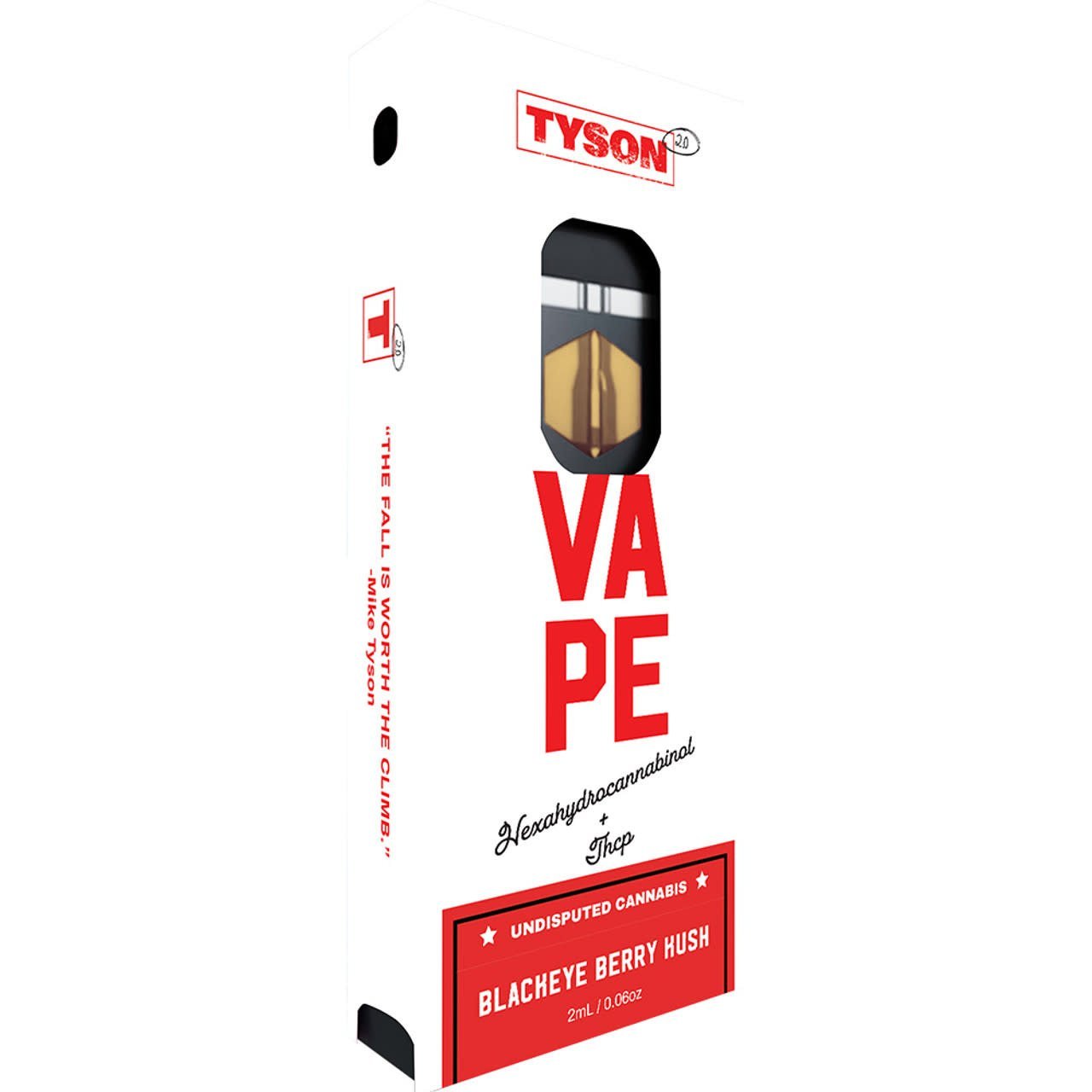
Labels for these novel cannabinoids require even more scrutiny. Since these compounds often result from chemical conversion of CBD, residual solvents and conversion byproducts present safety concerns. COAs should test for these alongside standard panels.
Nano-CBD and Enhanced Bioavailability
Several brands now market nano-emulsified or water-soluble CBD, claiming enhanced bioavailability. While the science suggests some improvements in absorption, labels should specify the technology used and provide evidence of increased bioavailability beyond marketing claims.
These products still need standard labeling: clear CBD content, full ingredients, COAs, and appropriate warnings. The nano-technology shouldn’t obscure basic transparency.
International Harmonization Efforts
While the U.S. continues with patchwork state regulation, international efforts toward standardization are progressing. The EU’s GPSR represents the most significant move toward comprehensive product safety requirements, covering everything from CBD to smartshop products.
Key GPSR requirements include:
Unique product identifiers traceable through supply chains Clearly identified responsible persons (manufacturers or importers) Comprehensive safety documentation Language-appropriate warnings and instructions Digital product passports for traceability
Major international brands selling in both U.S. and EU markets may adopt these stricter standards across all regions, gradually raising baseline expectations.
FDA Positioning and Future Federal Regulation
Despite repeated calls for clear federal CBD regulations, the FDA has not issued comprehensive guidance as of mid-2024. The agency continues to assert that CBD products require FDA approval to make health claims and that adding CBD to food products remains illegal under current interpretations of the Food, Drug, and Cosmetic Act.
The CBD Product Safety and Standardization Act (H.R. 1628) introduced in Congress in 2023 failed to advance, leaving regulation to states. Industry advocates continue pushing for federal clarity, but consumers shouldn’t expect immediate changes.
In the absence of federal action, states will likely continue implementing their own requirements, creating a complex landscape where product compliance varies by location.
Making Informed Decisions: Your Path Forward
Reading CBD and smartshop product labels isn’t just about checking boxes on a list. It’s about developing critical thinking skills that protect your health and your wallet.
Start by prioritizing transparency. The brands making information easily accessible, who proudly display their COAs, who clearly list every ingredient and provide precise potency information are the ones worth your trust and money.
Don’t be swayed by beautiful packaging or clever marketing alone. Some of the most attractively packaged products in the industry fail basic quality standards, while some plain-Jane bottles contain exactly what they claim with rigorous testing to prove it.
Develop relationships with retailers who demonstrate knowledge and commitment to quality. Whether shopping online or in physical stores, sellers who can answer your questions about COAs, who understand spectrum types, and who source from reputable manufacturers provide value beyond just transaction processing.
Join communities of informed consumers. Online forums, social media groups, and review sites where people share COA analyses and testing results can help you identify reliable brands and avoid problem products.
Stay curious and keep learning. The CBD and smartshop industries evolve constantly. New products, new regulations, and new research emerge regularly. What you’ve learned from this guide provides a foundation, but maintaining that knowledge requires ongoing engagement.
Remember that you vote with your dollars. Supporting transparent, compliant, quality-focused brands sends market signals that raise industry standards. Avoiding sketchy products and retailers puts pressure on bad actors to improve or exit the market.
Your health deserves products you can trust. With the knowledge to read labels critically, verify claims independently, and identify red flags, you’re equipped to make choices that serve your wellness goals safely and effectively.
The smartshop and CBD spaces offer genuine potential for supporting health and consciousness exploration. Ensuring you’re getting authentic, properly labeled, tested products lets you explore that potential with confidence rather than taking unnecessary risks with mystery substances.