
Herbal Remedies vs Synthetic Supplements: Benefits, and Choosing What’s Best
Walk into any health store or browse online wellness retailers, and you’ll find yourself facing a dizzying array of bottles,

Ordered before 5pm = Shipped today

Discreet Shipping & Transactions

Proven and tested effectiveness
Starting your CBD journey can feel overwhelming. Walk into any health store or browse online, and you’ll face walls of bottles, jars, and packages, each promising different benefits. Should you choose oil or gummies? Full-spectrum or isolate? And how much should you even take?
If you’re feeling confused, you’re not alone. The CBD market has exploded in recent years, and while that means more options, it also means more decisions for newcomers to navigate. This guide cuts through the noise and breaks down everything you need to know to make a confident, informed choice about your first CBD product.
CBD, or cannabidiol, is a naturally occurring compound found in hemp plants. Unlike its more famous cousin THC (tetrahydrocannabinol), CBD won’t get you high or impair your judgment. It’s non-intoxicating, which is precisely why it’s gained such widespread acceptance for wellness purposes.
People turn to CBD for various reasons: managing everyday stress, supporting better sleep, easing discomfort after workouts, or simply as part of their daily wellness routine. While research is still catching up to consumer enthusiasm, preliminary studies and countless user experiences suggest CBD may offer genuine benefits for these common concerns.
The legal landscape has shifted dramatically since the 2018 Farm Bill federally legalized hemp-derived CBD containing less than 0.3% THC. However, regulations continue to evolve, and as of 2025, it’s important to verify that products meet current federal standards and comply with your state’s specific laws. Florida residents have particularly clear access, though anyone purchasing CBD should confirm local regulations before buying.
One of the first decisions you’ll face is choosing between different “spectrum” types. This refers to what other compounds from the hemp plant are included alongside CBD.
CBD Isolate contains pure CBD and nothing else. All other cannabinoids, terpenes, and plant compounds have been removed, leaving 99% pure cannabidiol. This is the right choice if you’re subject to drug testing, want zero THC for personal or legal reasons, or prefer to start with the simplest possible product.
Broad-Spectrum CBD includes CBD plus other beneficial cannabinoids and terpenes from the hemp plant, but with THC completely removed. Many users find this offers enhanced benefits through what’s called the “entourage effect,” where multiple cannabis compounds work together synergistically, without any THC-related concerns.
Full-Spectrum CBD contains the complete profile of cannabinoids, terpenes, and other compounds naturally present in hemp, including trace amounts of THC (under the legal 0.3% limit). This delivers the most complete entourage effect, though it means you’re consuming small amounts of THC.
For most beginners, broad-spectrum offers a sensible middle ground. You get the potential benefits of multiple hemp compounds without any THC-related worries. However, if you’re particularly sensitive or face strict drug testing, isolate provides peace of mind. Full-spectrum can be powerful, but save it until you understand how your body responds to CBD generally.
CBD comes in several formats, each with distinct advantages for different situations and preferences.
Oils and Tinctures remain the most popular choice for good reason. You place drops under your tongue, hold for 30-60 seconds, then swallow. This method allows CBD to absorb directly into your bloodstream through the tissue under your tongue, typically producing effects within 15-45 minutes. Oils offer precise dosing control and flexibility, though some people dislike the earthy, slightly bitter taste. If you’re methodical about wellness and want maximum control, oils are likely your best starting point.
Capsules and Softgels provide the ultimate in convenience and consistency. Each capsule contains an exact, pre-measured dose, making them perfect for people who want simplicity or already take other supplements. The downside? They must pass through your digestive system, which means effects take longer to appear (typically 45-90 minutes) and overall absorption is reduced compared to oils. Choose capsules if ease and discretion matter more than speed.
Gummies and Edibles make CBD approachable and even enjoyable, especially for anyone uncomfortable with the idea of “taking medicine.” They taste good, look friendly, and fit seamlessly into your routine. Like capsules, they take longer to work because they’re digested first. The challenge for beginners is that gummies come in fixed doses (often 10mg or 25mg per piece), giving you less flexibility to fine-tune your amount. They’re ideal if you want something pleasant and don’t mind waiting an hour for effects.
Topical Creams and Balms work differently altogether. You apply them directly to your skin, where CBD absorbs locally rather than entering your bloodstream. This makes topicals perfect for targeted concerns like sore muscles after exercise or uncomfortable joints, but they won’t help with stress or sleep. If your primary interest is physical discomfort in specific areas, topicals can work beautifully alongside other CBD formats.
Vapes deliver the fastest effects, often within minutes, because CBD enters your bloodstream directly through your lungs. However, they’re generally not recommended for beginners. Vaping requires additional equipment, raises potential respiratory concerns, and makes precise dosing difficult. Start with another method and consider vaping only if you have specific needs for very rapid effects.
One of the most common beginner mistakes is either taking too much too soon or giving up too quickly because they started with too little. Finding your optimal CBD dose requires patience and a systematic approach.
For most people just starting out, 10-20mg of CBD once or twice daily provides a sensible baseline. If you’re particularly sensitive to supplements or medications, or if you weigh less than 130 pounds, consider starting at the lower end around 10mg. Those with more body mass or stubborn concerns might begin at 20-25mg.
The key principle is this: start low and increase slowly. Take your initial dose consistently for at least 3-5 days before changing anything. Keep simple notes about how you feel, any changes you notice (or don’t), and any side effects. If you’re not experiencing the benefits you’re seeking after a week, increase by just 5-10mg and repeat the process.
This gradual approach might feel slow, but it serves several important purposes. First, it helps you find the minimum effective dose rather than overshooting and wasting product. Second, it gives your body’s endocannabinoid system time to adjust and respond. Third, it helps you clearly attribute any changes to CBD rather than other life variables.
Your bodyweight provides a rough starting point, but individual response varies significantly. Someone who weighs 200 pounds might find relief at 15mg, while another person of identical size might need 40mg for similar benefits. Metabolism, the specific concern you’re addressing, your endocannabinoid system’s natural sensitivity, and even what you’ve eaten all influence how CBD affects you.
Not all CBD products are created equal, and the market still contains unreliable products that don’t deliver what their labels promise. Protecting yourself requires knowing what to look for.
Every legitimate CBD product should have an associated Certificate of Analysis (COA) from an independent, third-party laboratory. This document confirms what’s actually in the bottle: how much CBD, whether any THC is present, and crucially, whether the product is free from contaminants like heavy metals, pesticides, or residual solvents from extraction.
Finding and reading a COA is simpler than it sounds. Reputable brands typically provide QR codes on their packaging that link directly to test results, or they publish COAs on their website organized by batch number. Look for recent testing (within the past year), verification that the tested batch matches what you’re buying, and confirmation that cannabinoid levels match label claims within a reasonable margin (usually ±10%).
The COA should show testing for potency (CBD and THC levels) and safety (contaminants). If a brand makes accessing this information difficult, or if they don’t provide third-party testing at all, walk away. This is non-negotiable for safe CBD use.
Beyond laboratory testing, other quality signals include transparent sourcing information (where and how the hemp was grown), clear and accurate labeling, and realistic claims. Be skeptical of products promising to cure diseases or making dramatic health claims. Legitimate CBD companies focus on wellness support, not miracle cures, and they make finding information about their products straightforward rather than mysterious.
When purchasing CBD, buying from established retailers with quality standards often serves beginners better than hunting for the absolute lowest price. At Canna Doctors of America, we understand that navigating the wellness landscape can be challenging, which is why we’ve built our reputation on transparency, education, and putting patient needs first. Whether you’re exploring CBD or considering medical cannabis options, the same principles apply: quality, safety, and finding what works for your unique situation.
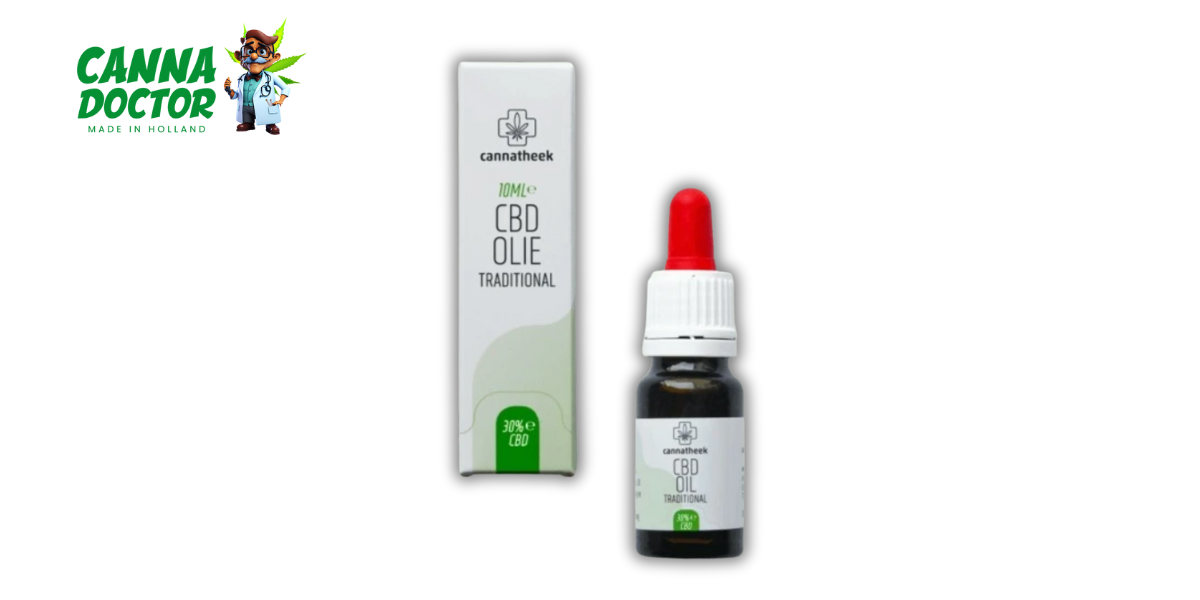
The “best” CBD product isn’t universal; it’s the one that aligns with your specific situation, preferences, and wellness goals.
If you’re primarily dealing with daily stress and mild anxious feelings, a moderate dose (15-25mg) of broad-spectrum CBD oil taken in the morning might help you maintain calm throughout your day. The sublingual oil format delivers effects relatively quickly when you need them.
For those struggling with occasional sleeplessness, consider taking CBD about an hour before bed. Capsules or gummies work well here since you’re planning ahead, and the slower absorption coincides with your wind-down routine. A slightly higher dose (25-40mg) might be more appropriate for sleep support than for daytime stress management.
Anyone dealing with physical discomfort from exercise or daily activities might combine a topical application to specific areas with a systemic dose (oil or capsule) for more comprehensive support. The topical provides targeted relief while the internal dose offers broader benefits.
Your lifestyle matters too. Busy professionals who want something discreet and simple often prefer capsules they can take alongside morning vitamins. Creative types and those working from home might appreciate the ritual and flexibility of measuring out oil drops. Parents and caregivers sometimes find gummies less intimidating and more approachable.
Consider also your relationship with THC. If you’re subject to drug testing through work, athletics, or other circumstances, isolate or carefully verified broad-spectrum products eliminate any risk. If you live in a state with restrictive cannabis laws or simply want to avoid THC entirely for personal reasons, those same options serve you well. Conversely, if you’re interested in the fullest potential benefits and have no THC concerns, full-spectrum might eventually become your preference as you gain experience.
Learning from others’ mistakes can save you time, money, and frustration.
Many newcomers expect immediate, dramatic results. CBD typically works more subtly than that, and benefits often build over days or weeks of consistent use. Give any product at least two weeks of regular use before deciding it doesn’t work for you. The exception is topical products, which should provide some noticeable effect within an hour of application if they’re going to help at all.
Another frequent mistake is buying based purely on price. That bargain CBD oil might be a bargain because it contains far less CBD than advertised, or worse, because it’s contaminated with substances you definitely don’t want in your body. Quality CBD costs more to produce than cheap alternatives, and while you shouldn’t overpay, extremely low prices signal problems.
Don’t skip the verification step. Actually look up that COA. Check the batch number. Confirm the testing date. It takes five minutes and could save you from consuming an ineffective or unsafe product.
Beginners also sometimes confuse lack of psychoactive effects with lack of effectiveness. Remember, CBD isn’t supposed to make you feel noticeably different in the way THC or alcohol would. Its benefits are often more about what you stop feeling (tension, discomfort, restlessness) than about new sensations. Subtle doesn’t mean ineffective.
Finally, many people fail to track their experience systematically. Your memory of “how you felt last Tuesday” is unreliable. Keep simple notes for at least the first month: date, time, dose, format, and any observations about your wellness. This data becomes invaluable when you’re trying to optimize your routine or determine if CBD is genuinely helping.
Choosing your first CBD product doesn’t have to be complicated, but it does require some thoughtfulness. Start by identifying your primary wellness goal. Select a spectrum type that aligns with your THC tolerance and testing situation. Match a product format to your lifestyle and preferences. Verify quality through third-party testing. Begin with a conservative dose and adjust methodically based on your response.
This measured approach might not be as exciting as just grabbing something off the shelf, but it dramatically increases your chances of a positive experience. CBD has genuine potential to support wellness for many people, but only when used intelligently and consistently.
As you gain experience, you’ll develop preferences and instincts that make future decisions easier. You might discover that you respond particularly well to morning doses but not evening ones, or that combining formats works better than using one alone. This personal knowledge comes only through the patient, systematic approach outlined here.
The CBD landscape will continue to evolve, with new products, formats, and research emerging regularly. The fundamentals, however, remain constant: quality matters, individual response varies, consistency beats intensity, and informed choices lead to better outcomes.
Whether you’re exploring CBD for the first time or considering the broader possibilities of cannabis wellness, education and proper guidance make all the difference. At Canna Doctors of America, we’ve spent years helping people navigate these choices with compassion, clarity, and an unwavering commitment to doing things the right way. Your wellness journey deserves that same level of care and attention.
Walk into any health store or browse online wellness retailers, and you’ll find yourself facing a dizzying array of bottles,
The modern world has created a perfect storm for declining mental wellness. Between demanding careers, constant digital connectivity, and the
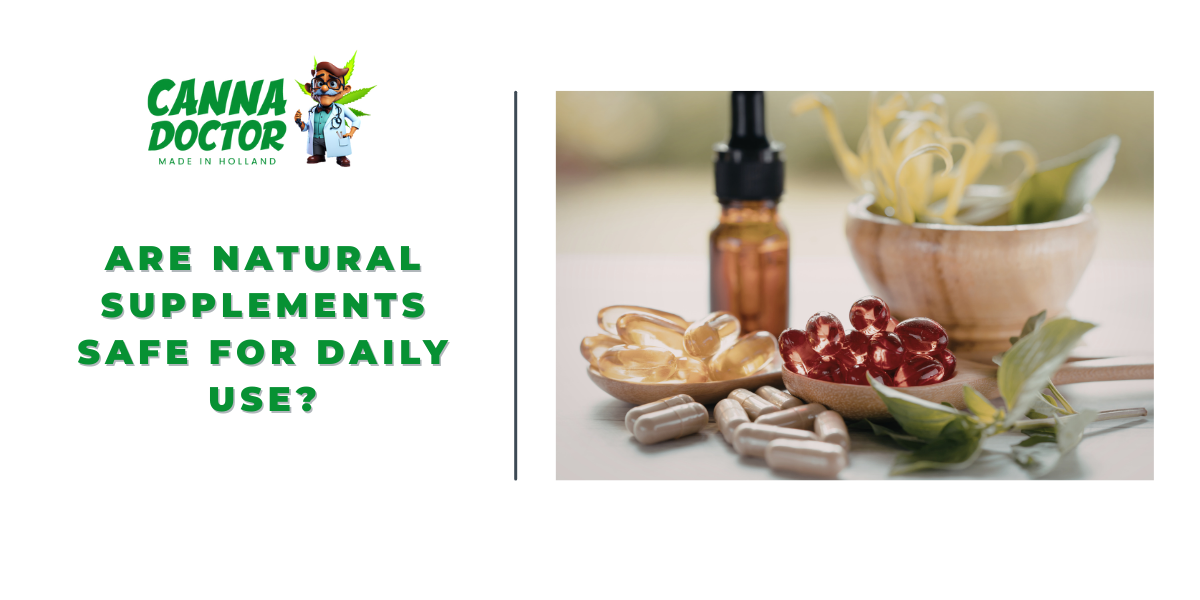
The supplement aisle can feel overwhelming. Rows of bottles promise better energy, sharper focus, stronger immunity, and improved wellness. With
You must be 18 years of age or older to view page. Please verify your age to enter.
Your access is restricted because of your age.