




Beginner’s Guide to Growing Cannabis at Home: From Seed to Harvest

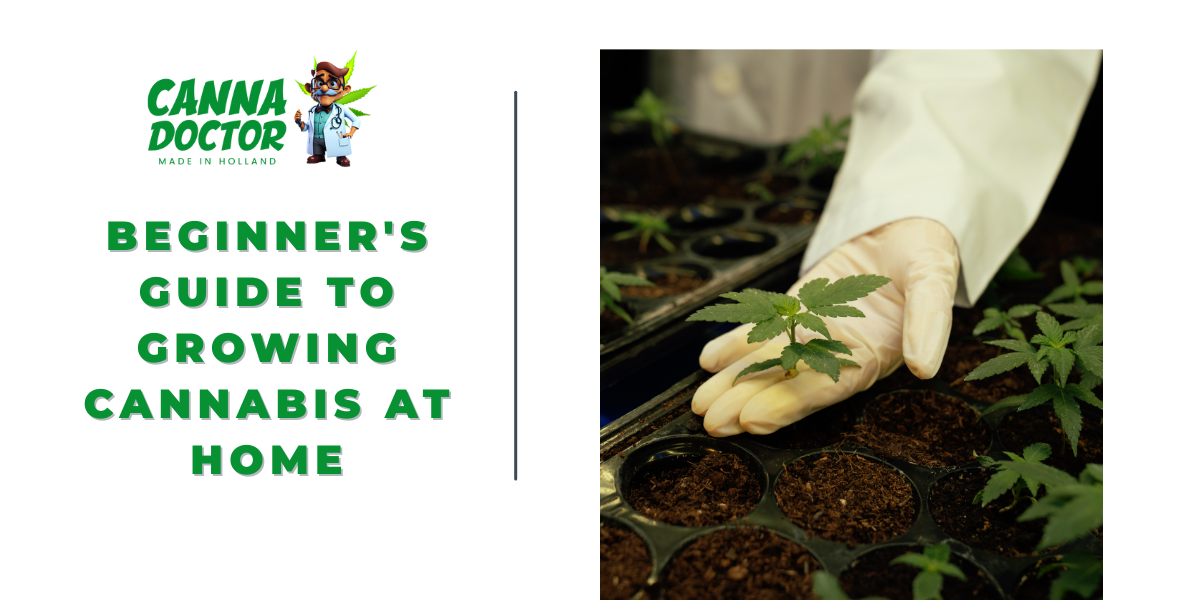
Growing cannabis at home can feel overwhelming at first. Between navigating legal requirements, choosing the right equipment, and understanding plant care, many beginners don’t know where to start. This comprehensive guide walks you through every step of the process, from legal compliance to your first successful harvest.
Understanding the Legal Landscape Before You Begin
Before purchasing a single seed or piece of equipment, you need to understand the legal framework in your area. Cannabis laws vary dramatically by location, and growing without proper authorization can result in serious legal consequences.
What You Need to Research:
Start by checking your state or country’s specific regulations on home cultivation. Many jurisdictions that have legalized cannabis still impose strict limits on the number of plants you can grow, typically ranging from 3 to 12 plants per household. Some areas require you to be a registered medical marijuana patient, while others allow recreational growing.
If you’re in Florida and considering medical cannabis cultivation, understanding the state’s medical marijuana program is essential. While Florida law currently restricts home growing for most patients, staying informed about your legal options and working with licensed physicians can help you navigate the medical cannabis landscape properly.
Key Legal Considerations:
Your living situation matters significantly. Apartment dwellers need to check their lease agreements and HOA rules, as many prohibit cannabis cultivation regardless of state law. Homeowners should verify local zoning ordinances, as some municipalities have additional restrictions beyond state law.
Privacy and security requirements also vary by jurisdiction. Some areas mandate that plants remain invisible from public view, while others require locked growing spaces. Understanding these requirements before you start will save you from costly mistakes.
Safety and Compliance Basics:
Electrical safety should be your top priority. Cannabis lights can draw significant power, potentially overloading circuits not designed for the load. Always use surge protectors, avoid daisy-chaining power strips, and consider having an electrician verify your setup if you’re using high-wattage equipment.
Odor management isn’t just about discretion; in some areas, it’s a legal requirement. Even in legal jurisdictions, excessive odor can lead to neighbor complaints and potential legal issues. Carbon filters and proper ventilation will be essential components of your setup.
Choosing Your Growing Space
The space you select will determine much of your growing strategy, equipment needs, and potential yield. Most beginners start with indoor growing because it offers greater control over environmental factors.
Indoor Growing Options:
Grow tents represent the most popular choice for beginners. These specialized enclosures come in various sizes, typically ranging from compact 2×2 foot models perfect for a single plant to larger 4×4 foot tents that can accommodate 4-6 plants. Tents offer built-in reflective interiors, ventilation ports, and easy assembly.
A 2×4 foot tent works well for 2-3 plants and fits in most closets or spare rooms. The 4×4 foot size provides the best balance of space efficiency and yield potential for beginners, offering room for equipment and plant training while remaining manageable.
Closet conversions offer a cost-effective alternative if you have suitable space. A standard bedroom closet can work, though you’ll need to address light leaks, install ventilation, and add reflective material to the walls. The main advantage is zero equipment cost for the enclosure itself.
Space Requirements and Planning:
Plants need vertical space to grow. Cannabis can reach 3-6 feet tall depending on strain and growing method, so factor in light fixtures, pots, and clearance space. A tent with at least 5-6 feet of height gives you flexibility for different strains and training methods.
Air circulation is non-negotiable. Your space needs intake and exhaust capabilities to maintain proper temperature and humidity. Calculate your tent’s cubic footage and choose fans that can exchange the air every 1-3 minutes.
Outdoor Growing Considerations:
Outdoor growing costs less and can produce larger yields, but you sacrifice control over the environment. You’ll depend on natural sun cycles, deal with pests more frequently, and risk weather damage to your plants.
Check sun exposure carefully. Cannabis needs at least 6-8 hours of direct sunlight daily for optimal growth. South-facing locations in the Northern Hemisphere provide the best light throughout the growing season.
Privacy remains crucial even where growing is legal. Fences, strategic plant placement, and companion planting can help keep your garden discreet. Remember that outdoor plants can grow quite large, sometimes exceeding 10 feet in height.
Selecting Seeds and Strains for Success
Your choice of seeds will significantly impact your growing experience and final results. As a beginner, certain seed types and strains will set you up for success better than others.
Understanding Seed Types:
Feminized seeds eliminate the risk of male plants, which don’t produce consumable flowers and can pollinate females, reducing yield quality. Since approximately 50% of regular seeds produce males, feminized seeds effectively double your productive plant count.
Autoflowering seeds flower based on age rather than light schedule, typically harvesting in 8-12 weeks from germination. These plants stay smaller and require less precise light management, making them ideal for beginners. However, they generally produce smaller yields than photoperiod plants.
Photoperiod seeds give you more control over plant size and yield potential. These plants enter flowering when they receive 12 hours of darkness daily. This allows you to keep plants in the vegetative stage longer, creating larger plants with higher yields, though the total grow time extends to 3-5 months.
Beginner-Friendly Strains:
Northern Lights remains a classic beginner strain. This indica-dominant variety resists common problems like mold and pests, stays relatively short (ideal for limited spaces), and forgives minor growing mistakes. Flowering time runs 7-9 weeks with moderate to high yields.
Blue Dream offers a balanced experience with slightly more challenge but higher rewards. This sativa-dominant hybrid grows vigorously and produces generous yields. While it can grow tall (plan for training), it handles stress well and resists most pests naturally.
White Widow provides another excellent middle-ground option. Known for resilience and consistent performance, this hybrid adapts well to different growing methods and environmental conditions. Expect flowering in 8-9 weeks with solid yields.
Where to Source Seeds Legally:
Reputable seed banks operate in legal jurisdictions and ship worldwide, though you must verify that receiving seeds is legal in your location. Established companies like ILGM (I Love Growing Marijuana), Seedsman, and Crop King Seeds offer guarantees, stealth shipping, and strain information.
Many seed banks provide germination guarantees, replacing seeds that fail to sprout. Look for companies with responsive customer service, detailed growing information, and good reviews from actual growers.
If you’re exploring medical cannabis options in Florida, consulting with qualified physicians who understand the state’s medical marijuana program can provide valuable guidance on legal pathways and therapeutic applications.
Essential Equipment and Budget Planning
Setting up a grow space requires several key components. Understanding what you truly need versus nice-to-have extras will help you build an effective setup without overspending.
Core Equipment Checklist:
Grow lights represent your largest investment and most critical decision. LED lights cost more upfront but use less electricity, produce less heat, and last for years. A quality LED suitable for a 2×4 tent costs $150-300, while a 4×4 setup needs $300-500 in lighting.
For a starter budget, consider HPS (High-Pressure Sodium) or MH (Metal Halide) lights, which cost less initially but increase electricity bills and heat management challenges. A 400-600 watt HPS setup for a 4×4 space runs $100-200 for the fixture and bulbs.
Growing medium choices start with soil for most beginners. Quality organic potting soil amended with perlite for drainage costs $20-40 for enough to fill several 5-gallon pots. Avoid garden soil, which compacts and drains poorly in containers.
Containers need drainage holes and appropriate sizing. Fabric pots promote healthy root growth through air pruning and cost $2-5 each in 3-5 gallon sizes. Start with 3-gallon pots for autoflowers and 5-gallon for photoperiod plants.
Ventilation and Climate Control:
Inline fans extract hot air and odors while bringing in fresh air. For a 4×4 tent (64 cubic feet), you need a fan rated for at least 200 CFM (cubic feet per minute). Pair this with a carbon filter to eliminate odor, adding another $60-120 to your setup.
Oscillating fans improve air circulation within the tent, strengthening stems and preventing mold. A couple of 6-inch clip-on fans ($15-25 each) provide adequate movement for small to medium spaces.
Temperature and humidity monitoring requires an accurate digital thermometer/hygrometer combo ($10-25). This simple tool prevents countless problems by letting you catch environmental issues before they damage plants.
Nutrients and Supplements:
Beginner-friendly nutrient lines provide base nutrients plus supplements in simple feeding schedules. Three-part systems from companies like General Hydroponics or Fox Farm cost $30-60 and last for multiple grows.
Don’t overbuy supplements initially. Start with base nutrients, and add Cal-Mag if you notice deficiencies. Experienced growers use many supplements, but beginners often create more problems by over-supplementing than by keeping things simple.
Realistic Budget Estimates:
A minimal 2×2 tent setup runs approximately $350-500 including tent, light, fan, filter, pots, soil, seeds, and basic nutrients. This supports 1-2 plants and teaches you fundamentals without major investment.
A more capable 4×4 setup ranges from $700-1200 depending on light choice and equipment quality. This size lets you grow 4-6 plants, experimenting with different strains and techniques while producing meaningful yields.
Ongoing costs include electricity (roughly $30-50 monthly for LED in a 4×4, $50-80 for HPS), nutrients ($10-20 per grow), and water (minimal). Annual costs for continuous growing typically run $400-800 beyond initial setup.
The Complete Cannabis Growth Cycle
Understanding each stage of plant development helps you provide appropriate care and recognize when something isn’t right.
Germination: Getting Seeds to Sprout
The paper towel method offers simplicity and high success rates. Place seeds between moist (not soaking) paper towels, put them in a sealed plastic bag or between plates, and keep them in a warm, dark place. Check daily and plant when the taproot emerges, usually within 2-5 days.
Direct soil planting works well too. Plant seeds 1/4 inch deep in moist soil, keep the environment warm (70-85°F), and maintain moisture without overwatering. Seedlings typically emerge within 3-7 days.
Don’t panic if seeds take longer than expected. Some varieties need up to 10 days, and older seeds germinate slower than fresh ones. Maintain patience and consistent conditions.
Seedling Stage: The First Two Weeks
Seedlings are delicate and need gentle conditions. Keep lights close but not too intense; LED lights should be 24-30 inches away initially, while fluorescent can go as close as 6 inches. Watch for stretching, which indicates insufficient light.
Water sparingly during this stage. Seedlings need moisture but their tiny root systems can’t process large amounts of water. A spray bottle or small watering can helps you control portions and avoid overwatering.
Humidity should stay higher than later stages, ideally 65-70%. A humidity dome (or even a clear plastic cup) over seedlings creates a beneficial microclimate. Remove it once plants have 3-4 sets of true leaves.
Vegetative Stage: Building Plant Structure
Vegetative growth continues until you switch to a 12/12 light schedule (for photoperiod plants) or until autoflowers automatically begin flowering around week 3-4. This stage focuses on developing strong stems, branches, and leaves.
Light schedules of 18/6 (18 hours on, 6 hours off) work well for both photoperiod and autoflowering plants during veg. Some growers use 20/4 or even 24/0, but plants benefit from some darkness for rest and metabolic processes.
Nutrient needs increase during vegetative growth. Start with 1/4 strength nutrients in week 2-3, gradually increasing to full strength by week 4-5. Watch for signs of overfeeding like burnt leaf tips or extremely dark green leaves.
Training techniques like topping (cutting the main stem to create two main colas) or low-stress training (LST, bending branches to create an even canopy) can begin once plants have 4-6 nodes. These methods increase yield by creating more bud sites and better light penetration.
Flowering Stage: Bud Development
Flowering begins when photoperiod plants receive 12 hours of uninterrupted darkness daily, or automatically in autoflowers around week 3-5 from germination. This stage lasts 6-12 weeks depending on strain.
The first sign of flowering is the appearance of white pistils (hairs) at branch intersections. Over the following weeks, these develop into dense bud formations. Avoid switching back to vegetative light schedules once flowering begins, as this causes stress and hermaphroditism.
Flowering nutrients contain less nitrogen and more phosphorus and potassium, supporting bud development over leaf growth. Switch to flowering nutrients when you see the first pistils appear.
Odor increases dramatically during flowering, particularly in weeks 4-8. If you haven’t installed carbon filtration yet, do it before flowering begins. Even legal growers benefit from odor control for privacy and neighbor relations.
Harvest Timing: Knowing When Plants Are Ready
Trichomes, the tiny, mushroom-shaped glands on buds and leaves, indicate harvest readiness. You’ll need a magnifying glass or jeweler’s loupe (30-60x magnification) to see them clearly.
Clear trichomes mean plants need more time. Cloudy/milky trichomes indicate peak THC and the beginning of the harvest window. Amber trichomes develop as THC degrades to CBN, creating more sedative effects. Most growers harvest when trichomes are 70-90% cloudy with some amber.
Other harvest indicators include pistil color (most should darken from white to brown/orange) and overall bud density. However, trichomes provide the most reliable indicator of cannabinoid development.
Flush your plants by giving them only plain, pH-adjusted water for the final 1-2 weeks before harvest. This removes excess nutrients from the plant tissue, improving final flavor and smoothness.
Plant Care and Maintenance Fundamentals
Consistent, proper care prevents most growing problems. Understanding these basics will keep your plants healthy throughout the grow cycle.
Watering: The Most Common Beginner Mistake
Overwatering kills more cannabis plants than any other single issue. Cannabis roots need oxygen, and waterlogged soil suffocates them, leading to root rot and plant death.
Water when the top inch of soil feels dry to the touch. Lift your pots to learn their weight when dry versus wet. Watering frequency depends on plant size, pot size, temperature, and humidity, but typically ranges from every 2-4 days.
Water thoroughly until runoff appears from drainage holes, ensuring even moisture distribution throughout the root zone. Then don’t water again until the soil partially dries out. Never leave plants sitting in water-filled saucers.
Nutrient Management
Start with lower nutrient concentrations than package recommendations suggest. Cannabis nutrient companies often overestimate dosing, and beginners have better success with conservative feeding.
Watch for nutrient deficiency signs like yellowing lower leaves (nitrogen), brown spots (calcium or phosphorus), or pale new growth (iron or magnesium). Address deficiencies gradually; plants recover slowly and overcompensating creates new problems.
pH affects nutrient availability. Soil grows thrive at pH 6.0-7.0, while hydroponic systems need 5.5-6.5. Invest in a basic pH meter ($15-30) and pH adjustment solutions to maintain the correct range.
Environmental Control
Temperature during lights-on should stay between 70-85°F, dropping 10-15 degrees during lights-off. Temperatures above 85°F stress plants and reduce growth, while temperatures below 60°F slow metabolism.
Humidity needs change by growth stage. Seedlings prefer 65-70%, vegetative plants do well at 55-65%, and flowering plants need 40-50% to prevent mold. A basic humidifier or dehumidifier maintains ideal ranges.
Air circulation strengthens stems and prevents mold and pests. Position oscillating fans to create gentle movement throughout the canopy without blasting plants directly.
Troubleshooting Common Problems
Even experienced growers encounter issues. Learning to identify and address problems quickly minimizes their impact.
Nutrient Problems
Yellow lower leaves during vegetative growth usually indicate nitrogen deficiency. Increase vegetative nutrients slightly, but remember that lower leaves naturally yellow during flowering as the plant redirects resources.
Burnt leaf tips signal nutrient burn from overfeeding. Flush the soil with plain, pH-adjusted water (2-3 times the pot volume) and reduce nutrient strength by 25-50% going forward.
Pale or yellow new growth might indicate iron, magnesium, or sulfur deficiency. Cal-Mag supplements address many of these issues, particularly if you’re using RO water or LED lights (which can increase calcium/magnesium needs).
Pest and Disease Issues
Spider mites appear as tiny dots on leaf undersides, leaving stippled, yellowing leaves. Treat them with insecticidal soap or neem oil, applying thoroughly to all leaf surfaces every 3-5 days for 2-3 weeks.
Fungus gnats fly around soil and indicate overwatering. Let soil dry out more between waterings, and consider adding a layer of sand or diatomaceous earth to the soil surface to break their lifecycle.
Powdery mildew looks like white powder on leaves and stems. Improve air circulation, reduce humidity, and treat with diluted milk spray (1:9 milk to water ratio) or specialized fungicides. Remove severely infected leaves.
Environmental Stress
Heat stress causes leaves to curl upward and growth to slow. Increase ventilation, raise lights, or add air conditioning if necessary. Most problems resolve when temperatures return to the ideal range.
Light burn creates bleached, pale patches directly under lights. Raise lights several inches and monitor for improvement. LED lights can burn plants even without excessive heat.
Overwatering symptoms include drooping leaves that feel firm and heavy. Stop watering and let soil dry significantly before resuming. Improve drainage for future grows if this becomes a recurring issue.
Harvesting, Drying, and Curing
Proper post-harvest handling significantly affects your final product’s quality, potency, and shelf life.
Harvest Process
Cut plants at the base or remove individual branches with clean, sharp scissors or pruning shears. Work in a clean area to minimize contamination, and handle buds gently to avoid trichome damage.
Trim away large fan leaves immediately after cutting. You can choose to manicure buds (remove smaller sugar leaves) now while plants are fresh, or after drying when leaves are crisp and easier to remove.
Drying: Preserving Quality
Hang branches or individual buds in a dark room with temperatures around 60-70°F and humidity at 45-55%. Proper drying takes 7-14 days; faster drying degrades quality while slower drying risks mold.
Ensure good air circulation with fans, but don’t blow air directly on drying cannabis. This causes uneven, too-rapid drying. Check daily for mold, particularly in dense buds or if humidity creeps above 60%.
Buds are dry enough for curing when small stems snap rather than bend, and the outside of buds feels crispy. The inside will still contain moisture that needs to distribute evenly during curing.
Curing: Developing Quality
Place dried buds in glass jars, filling them 75% full to leave space for air. Store jars in a cool, dark place and open them daily for the first week, letting them breathe for 5-10 minutes.
Over 2-4 weeks of curing, moisture redistributes from bud centers to the surface. After the first week, reduce burping to every few days. Properly cured cannabis continues improving for several months.
If buds feel wet again after being sealed in jars, they weren’t dry enough. Remove them and dry for another day or two before returning to jars. If you notice mold, remove affected buds immediately and ensure better drying next time.
Storage for Long-Term Quality
Store cured cannabis in airtight containers in a cool, dark place. Mason jars work excellently, as do specialized cannabis storage containers with humidity control.
Ideal storage humidity sits around 55-62%. Boveda or similar humidity packs maintain this range automatically, preventing buds from becoming too dry or moldy.
Properly stored cannabis maintains potency for 6-12 months, though it gradually degrades afterward. Freezing can extend storage life but risks trichome damage from ice crystal formation.
Taking Your First Steps
Starting your first cannabis grow involves many moving parts, but thousands of beginners succeed every year by following these principles: start simple, focus on learning rather than maximizing yield, and address problems as they arise rather than trying to prevent every possible issue.
Your first grow won’t be perfect. You’ll make mistakes, encounter unexpected challenges, and probably achieve lower yields than experienced growers. That’s normal and expected. Each grow teaches you more than any guide can convey, building intuition about plant needs and behavior.
For those interested in exploring medical cannabis applications, particularly in Florida, working with knowledgeable medical professionals ensures you navigate the state’s medical marijuana program correctly and legally. Understanding both cultivation fundamentals and legal frameworks helps you make informed decisions about your cannabis journey.
Focus on these core priorities for your first grow: maintain proper temperature and humidity, avoid overwatering, provide adequate light, and don’t overfeed nutrients. Master these basics before worrying about advanced techniques or maximizing yields. A healthy, simple grow beats a stressed, complicated one every time.
The cannabis growing community offers tremendous support for beginners. Online forums, growing websites, and local growing groups provide knowledge, troubleshooting help, and encouragement. Don’t hesitate to ask questions and learn from others’ experiences.
Your journey as a cannabis cultivator starts with a single seed. Take time to plan, invest in quality basics rather than expensive gadgets, and approach growing as a learning process. The skills you develop, the satisfaction of growing your own, and the quality of homegrown cannabis make the effort worthwhile.