Herbal Remedies vs Synthetic Supplements: Benefits, and Choosing What’s Best
Walk into any health store or browse online wellness retailers, and you’ll find yourself facing a dizzying array of bottles,

Ordered before 5pm = Shipped today

Discreet Shipping & Transactions

Proven and tested effectiveness
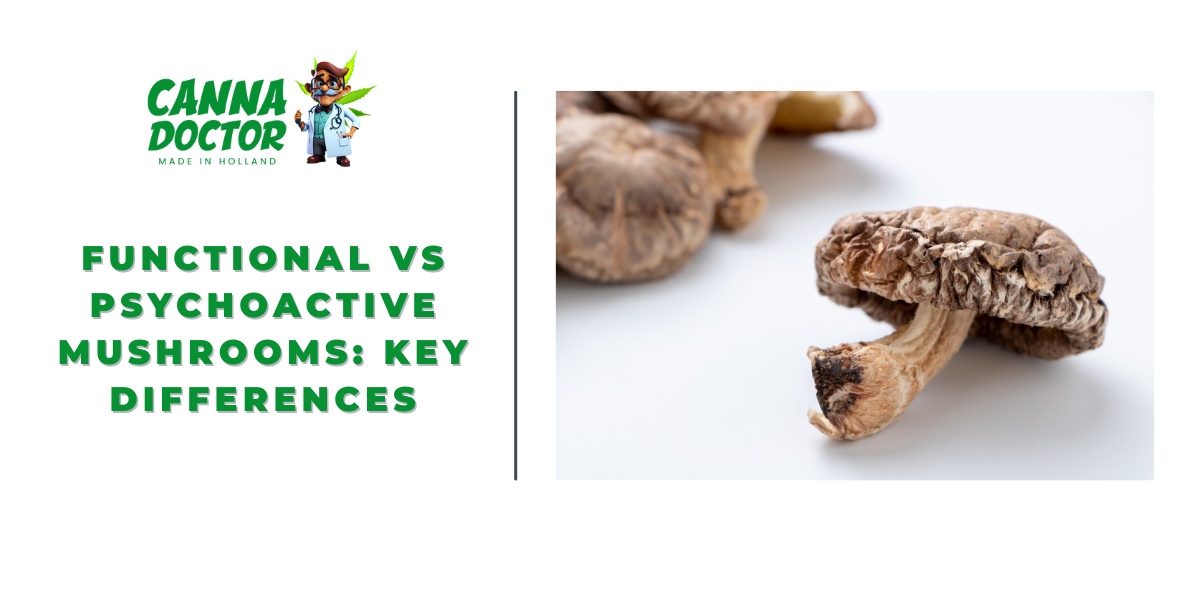
The mushroom wellness market has exploded in recent years, but confusion persists about two fundamentally different categories: functional and psychoactive mushrooms. While both come from the fungi kingdom, their effects, uses, legal status, and safety profiles couldn’t be more different. This comprehensive guide clarifies these distinctions for health-conscious consumers, biohackers, and anyone curious about incorporating mushrooms into their wellness routine.
Functional mushrooms represent a category of non-psychoactive fungi valued for their health-promoting properties rather than any mind-altering effects. The term “functional” refers to their ability to support specific bodily functions beyond basic nutrition, making them popular additions to daily wellness routines.
These mushrooms have been used in traditional Asian medicine for centuries, but Western science has only recently begun validating their therapeutic potential. Unlike their psychoactive cousins, functional mushrooms work subtly over time, supporting immune function, cognitive health, and stress resilience without causing any altered states of consciousness.
Common Functional Mushroom Species:
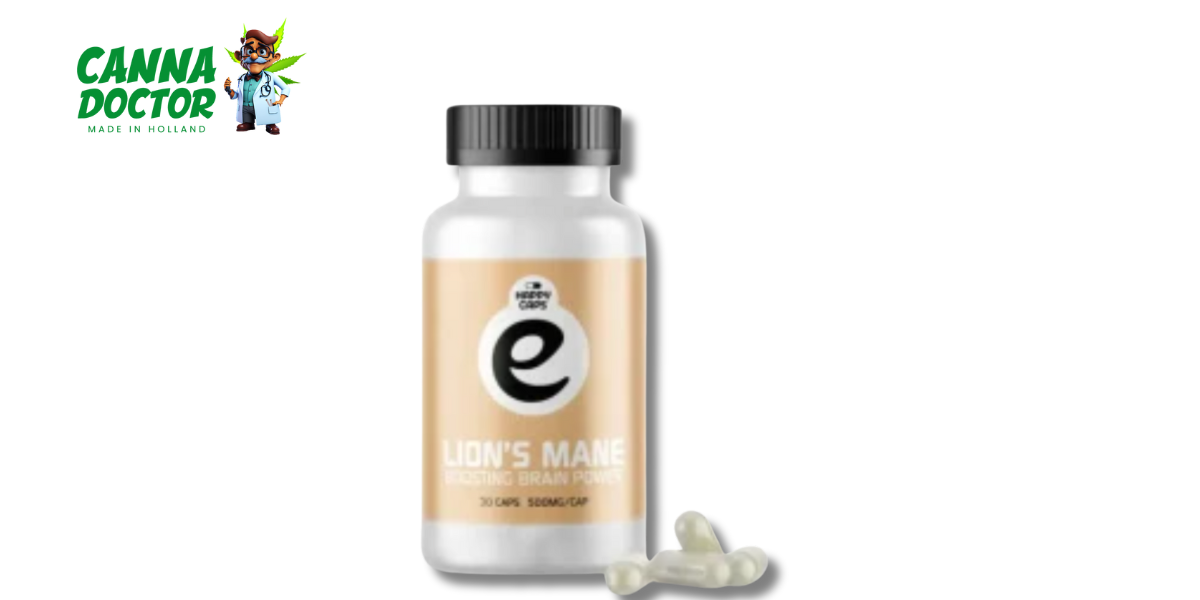
Lion’s Mane (Hericium erinaceus) stands out for its distinctive appearance and cognitive benefits. Research suggests it may support nerve growth factor production, potentially enhancing memory and focus. Studies in elderly populations and animal models show promise for neuroprotection, though human clinical evidence remains in early stages.
Reishi (Ganoderma lucidum), often called the “mushroom of immortality,” has been prized in Chinese medicine for over 2,000 years. Modern research indicates it may help the body adapt to stress while offering modest immune system support and anti-inflammatory effects. Its bitter taste makes it more popular in extract or capsule form than as a culinary ingredient.
Chaga (Inonotus obliquus) grows primarily on birch trees in cold climates and appears as a dark, crusty mass. Rich in antioxidants, it’s been studied for potential anti-cancer properties as an adjunct therapy, though it should never replace conventional cancer treatment.
Cordyceps has gained attention in athletic communities for potential energy and endurance benefits. Turkey Tail shows promise in immune support, particularly during cancer treatment. Shiitake and Maitake offer both culinary appeal and health benefits, easily incorporated into regular cooking.
How People Use Functional Mushrooms:
The supplement market offers functional mushrooms in numerous convenient forms. Powders blend easily into morning coffee, smoothies, or protein shakes. Capsules provide precise dosing for those who prefer simplicity. Many wellness brands now incorporate these mushrooms into functional beverages, from mushroom coffee to adaptogenic teas.
The focus remains firmly on long-term wellness support rather than immediate effects. Users typically take functional mushrooms daily, much like other dietary supplements, with benefits accumulating over weeks or months of consistent use.
What the Science Says:
Research into functional mushrooms has intensified over the past decade, revealing several active compounds responsible for their effects. Beta-glucans, complex polysaccharides found abundantly in mushroom cell walls, appear to modulate immune response by activating various immune cells. This doesn’t mean they “boost” immunity in a simple sense, but rather help the immune system respond more appropriately to threats.
Hericenones and erinacines, compounds unique to Lion’s Mane, cross the blood-brain barrier and may stimulate nerve growth factor production. This has sparked interest in their potential for cognitive maintenance and neurodegenerative disease prevention, though robust human clinical trials remain limited.
Triterpenes found in Reishi and other species demonstrate adaptogenic properties, potentially helping the body manage physical and psychological stress. However, it’s important to note that while functional mushrooms show promise for supporting baseline health, they haven’t demonstrated the rapid, dramatic effects on mood or consciousness seen with psychoactive varieties.
Psychoactive mushrooms occupy a completely different category, containing compounds that fundamentally alter consciousness, perception, and mood. The primary active ingredient, psilocybin, converts in the body to psilocin, which acts as a powerful serotonin receptor agonist.
Understanding the Psychoactive Experience:
When someone consumes psilocybin mushrooms, they typically experience effects beginning 20-40 minutes after ingestion, peaking around 2-3 hours, and lasting 4-6 hours total. These effects range from visual distortions and enhanced colors to profound shifts in thought patterns, emotional processing, and sense of self.
The most common psychoactive species include Psilocybe cubensis, widely cultivated and researched, and Psilocybe semilanceata (liberty caps), which grows wild in temperate grasslands. Over 200 psilocybin-containing species exist worldwide, though potency varies significantly.
Historical and Modern Uses:
Indigenous cultures have used these mushrooms ceremonially for thousands of years, particularly in Mesoamerican spiritual traditions. Western interest surged in the 1950s-60s before prohibition halted most research. The current renaissance in psychedelic research represents a return to scientific investigation after decades of restriction.
Today, psilocybin mushrooms appear in three primary contexts: clinical research settings exploring therapeutic applications, underground therapy or personal exploration (where legal risk exists), and microdosing protocols that use sub-perceptual doses attempting to enhance creativity or mood.
Breakthrough Clinical Research:
The past five years have witnessed remarkable developments in psilocybin research, with major medical institutions conducting rigorous trials. Studies at Johns Hopkins, Imperial College London, UCSF, and other leading centers have demonstrated impressive results for treatment-resistant depression, with some trials showing 71% positive response rates in patients who hadn’t responded to conventional treatments.
Brain imaging studies using fMRI technology reveal how psilocybin temporarily disrupts the brain’s default mode network, the neural circuit associated with self-referential thinking and rumination. This “reset” effect appears to create a window of enhanced neuroplasticity, during which the brain becomes more receptive to new patterns of thinking and feeling.
Research has expanded beyond depression to explore applications in PTSD, addiction (particularly alcohol and nicotine dependence), end-of-life anxiety in terminal cancer patients, and even early-stage Parkinson’s disease. The Mystical Experience Questionnaire, developed by researchers, helps quantify the profound experiences participants report, correlating these subjective effects with therapeutic outcomes.
Critical to understanding this research: these results occur in carefully controlled clinical settings with extensive screening, preparation, professional support during sessions, and integration therapy afterward. The outcomes don’t translate to recreational or unsupervised use.
Understanding the biochemistry behind these mushrooms helps clarify why functional and psychoactive varieties produce such different effects.
Functional Mushroom Compounds:
Beta-glucans represent the most studied component of functional mushrooms, large polysaccharide molecules that interact with immune system receptors. They don’t directly kill pathogens but rather train immune cells to respond more efficiently. This immune modulation differs from simple “boosting,” instead promoting balanced immune function.
Hericenones and erinacines, found specifically in Lion’s Mane, are small enough to cross the blood-brain barrier. Animal studies suggest they stimulate production of nerve growth factor (NGF), a protein crucial for neuron maintenance and growth. Human research remains preliminary but promising for cognitive support.
Triterpenes provide the bitter taste in mushrooms like Reishi and contribute to adaptogenic effects. These compounds may influence cortisol regulation and stress response pathways, though mechanisms remain under investigation.
Polysaccharides beyond beta-glucans contribute antioxidant properties, potentially reducing oxidative stress and inflammation. The combined effect of these compounds working together, sometimes called the “entourage effect,” may explain why whole mushroom extracts often outperform isolated compounds in research.
Psychoactive Mushroom Mechanisms:
Psilocybin itself is a prodrug, meaning it’s not active until the body converts it to psilocin through dephosphorylation in the digestive system. Psilocin’s molecular structure closely resembles serotonin, allowing it to bind to serotonin receptors, particularly the 5-HT2A receptor subtype.
This binding triggers a cascade of neurological effects. Brain regions that normally maintain strict separation begin communicating in novel patterns. The default mode network, associated with ego and self-identity, temporarily loses its dominant role, potentially explaining the dissolution of ego boundaries many users report.
Neuroplasticity enhancement occurs through multiple pathways, including increased brain-derived neurotrophic factor (BDNF) expression and dendritic spine growth. This temporary state of enhanced plasticity may allow the brain to form new neural connections, potentially explaining lasting therapeutic effects from brief exposure.
The subjective experience varies enormously based on dose, individual neurobiology, psychological state (“set”), and environment (“setting”). Clinical research has refined protocols to maximize beneficial outcomes while minimizing distressing experiences.
Recent research has sharply defined what each mushroom category can and cannot offer for health and wellbeing.
Functional Mushrooms: Supporting Baseline Health
Current evidence positions functional mushrooms as valuable additions to a comprehensive wellness strategy rather than standalone solutions. For immune support, meta-analyses of beta-glucan research show modest but consistent improvements in immune markers, potentially reducing cold and flu incidence when taken regularly. However, they won’t prevent serious illness or replace vaccines.
Cognitive support from Lion’s Mane appears most promising for maintaining function in aging populations. Small human trials suggest improvements in mild cognitive impairment, though large-scale, long-term studies remain needed. For healthy young adults, benefits appear subtle and may require consistent long-term use.
Anti-inflammatory and antioxidant properties show up reliably in laboratory and animal studies. Translation to human health outcomes requires more research, though the safety profile makes them reasonable additions to anti-inflammatory dietary approaches.
Energy and athletic performance claims around Cordyceps have mixed evidence. Some studies show improvements in oxygen utilization and exercise capacity, while others find no significant effects. Results may depend on baseline fitness and specific product formulations.
Critically, functional mushrooms don’t produce rapid mood changes, dramatic cognitive enhancement, or the “reset” effects seen with psychoactive varieties. Their value lies in gradual, sustained support for overall health when used as part of a healthy lifestyle.
Psychoactive Mushrooms: Psychiatric Applications
The clinical evidence for psilocybin in mental health treatment has become remarkably strong over the past three years. For treatment-resistant depression, multiple randomized controlled trials demonstrate rapid and sustained improvements, with effects often persisting months after just one or two supervised sessions. This contrasts sharply with conventional antidepressants, which require daily use and often take weeks to show effects.
PTSD research shows particular promise, with trials demonstrating reduced symptoms and improved quality of life. The combination of psilocybin’s effects on fear memory reconsolidation and the therapeutic support provided during sessions appears to help patients process trauma in new ways.
Addiction treatment applications leverage psilocybin’s ability to facilitate profound perspective shifts. Studies on alcohol use disorder and tobacco addiction show impressive abstinence rates compared to conventional treatments. The mystical or spiritual quality of high-dose experiences may contribute to these outcomes, potentially disrupting addictive patterns at a fundamental level.
End-of-life anxiety in terminal cancer patients represents one of the most established applications, with studies dating back to the mid-2010s showing lasting reductions in existential distress and improved quality of remaining life.
Brain imaging reveals immediate changes in neural connectivity that persist beyond the acute experience. Increased communication between brain regions that normally operate independently may underlie reports of enhanced creativity, emotional openness, and new perspectives on long-standing problems.
However, all this evidence comes from controlled clinical contexts with careful participant screening, extensive preparation, professional guidance during sessions, and integration therapy afterward. Outcomes in unsupervised settings may differ dramatically and carry significant risks.
Responsible use requires understanding the distinct safety profiles of these two mushroom categories.
Functional Mushroom Safety:
Functional mushrooms enjoy an excellent safety record when sourced from reputable suppliers. Serious adverse effects are extremely rare, with most issues arising from contamination rather than the mushrooms themselves.
Common side effects remain minimal and typically mild. Some users report digestive discomfort when first starting, often resolved by taking mushrooms with food or reducing initial doses. Allergic reactions occur rarely but are possible, as with any food product. Anyone with known mold allergies should exercise caution.
Medication interactions deserve attention despite the low risk. Those taking immunosuppressants should consult healthcare providers before using mushrooms with immune-modulating effects. Blood thinning medications may interact with certain mushroom compounds, though clinical evidence remains limited.
Quality concerns present the main safety issue in the functional mushroom market. Without regulation comparable to pharmaceuticals, some products contain little active ingredient, are contaminated with heavy metals or pesticides, or are adulterated with cheaper fillers. Third-party testing certifications, clear sourcing information, and reputable brands help mitigate these risks.
Best practices include starting with lower doses to assess individual tolerance, choosing certified organic products when possible, verifying third-party lab testing results, and maintaining consistency for several weeks before evaluating effects. Functional mushrooms work best as part of a comprehensive health strategy including proper nutrition, sleep, and stress management.
Psychoactive Mushroom Safety Considerations:
The safety profile of psilocybin mushrooms divides sharply between clinical and unsupervised contexts. In controlled clinical settings with proper screening and support, serious adverse events remain rare. The main risks involve temporary psychological distress during sessions (“difficult experiences”) rather than physical harm.
Unsupervised use carries substantially more risk, primarily psychological rather than physical. Psilocybin has extremely low toxicity in terms of lethal dose, but psychological effects can be extremely challenging or traumatic without proper preparation and support.
Specific contraindications include personal or family history of psychotic disorders, as psilocybin may trigger or worsen these conditions. Those with bipolar disorder face increased risk of manic episodes. Cardiovascular conditions warrant caution due to potential increases in heart rate and blood pressure, though serious cardiac events remain rare.
Medication interactions require careful consideration. Combining psilocybin with SSRIs or other serotonergic medications can reduce effects or, rarely, contribute to serotonin syndrome. Anyone taking psychiatric medications should never adjust their regimen without medical supervision.
“Bad trips” or difficult experiences represent the most common adverse event in recreational use. These intensely uncomfortable experiences involving fear, paranoia, or psychological distress typically resolve when the drug wears off but can leave lasting psychological impact. Set and setting, proper dosing, and having a trusted sober person present dramatically reduce this risk.
Legal risks remain significant in most jurisdictions, with possession carrying criminal penalties. Even in regions with decriminalization, purchasing and distribution typically remain illegal.
Best practices for those in locations where legal or clinical access exists include comprehensive screening for contraindications, preparation sessions with a trained guide, controlled dosing starting low, ensuring a safe and comfortable environment, having experienced trip-sitters present, and integration therapy afterward to process and apply insights.
The legal landscape for these mushrooms varies dramatically by category and location, evolving rapidly in recent years.
Functional Mushrooms: Broadly Legal
Functional mushrooms enjoy legal status as dietary supplements in virtually all countries. They’re sold openly in health food stores, online retailers, and smartshops without legal restrictions in most jurisdictions.
Regulation focuses on quality and labeling accuracy rather than restricting access. In the United States, the FDA regulates them as dietary supplements under less stringent requirements than pharmaceuticals. Europe has varying standards across countries, with some requiring novel food approvals for newer mushroom products.
Quality standards remain inconsistent without mandatory third-party testing. Reputable manufacturers voluntarily submit products for testing to verify ingredient accuracy, ensure absence of contaminants, and confirm potency claims. Consumer awareness of these quality markers helps drive better industry practices.
Psychoactive Mushrooms: Complex and Changing
Psilocybin mushrooms remain Schedule I controlled substances under U.S. federal law and similarly restricted in most countries. This classification considers them to have no accepted medical use and high abuse potential, despite mounting evidence challenging both assertions.
However, the legal landscape has shifted dramatically in recent years with several notable developments:
The Netherlands permits sale of psilocybin-containing truffles (sclerotia) through licensed smartshops, though fruiting bodies (traditional mushrooms) remain illegal. This creates a legal gray area where the same active compounds in slightly different fungal forms have different legal statuses.
Oregon and Colorado have established regulated therapeutic frameworks allowing supervised psilocybin sessions through licensed facilitators, though recreational use remains prohibited. Other U.S. states are considering similar measures.
Several U.S. cities including Denver, Oakland, and Washington D.C. have decriminalized psilocybin possession, making it the lowest law enforcement priority, though production and sale typically remain illegal.
Canada permits psilocybin access through the Special Access Program for end-of-life care and has granted exemptions for training of therapists and limited research purposes.
Australia made headlines in 2023 by allowing psychiatrists to prescribe psilocybin for treatment-resistant depression and PTSD, making it the first country to permit medical prescription outside clinical trials.
Clinical trials operate globally under special research licenses, with major studies ongoing in the U.S., UK, Europe, and elsewhere.
For consumers, this patchwork of laws creates confusion and risk. Even in regions with decriminalization, purchasing typically remains illegal, forcing many to gray or black markets with associated quality and safety concerns.
Smart shop availability varies by location. In the Netherlands, shops openly sell psilocybin truffles alongside functional mushroom products, with staff providing guidance on safe use. Elsewhere, smartshops focus on legal products like functional mushrooms, kratom, and other supplements.
Anyone considering psychoactive mushroom use should thoroughly research local laws, understand penalties, and recognize that legal status can change rapidly. The safest legal path for therapeutic use involves participating in clinical trials or, where available, licensed therapeutic programs.
The market offers diverse formats for both mushroom categories, each suited to different preferences and goals.
Functional Mushroom Products:
Powdered extracts remain the most versatile format, easily mixed into beverages, smoothies, or food. Quality varies significantly, with extraction ratios (like 10:1 or 20:1) indicating concentration levels. Hot water extraction and dual-extraction processes affect which compounds are captured.
Capsules offer convenience and precise dosing, ideal for those who dislike mushroom flavor or want consistent daily supplementation. Look for products listing actual extract amounts rather than just “mushroom powder,” which may include mostly inactive filler.
Functional mushroom coffee and tea products have exploded in popularity, combining familiar beverages with mushroom extracts. While convenient, these often contain lower mushroom concentrations than dedicated supplements. They work well for introducing mushrooms into routines but may not provide therapeutic doses.
Gummies and chocolate products make mushroom supplementation more palatable, particularly for those sensitive to taste. Verify that these contain meaningful amounts of actual mushroom extracts rather than minimal doses for marketing purposes.
Whole dried mushrooms like shiitake and maitake can be incorporated into cooking, providing both nutritional and potential health benefits. While less concentrated than extracts, they offer whole-food nutrition in enjoyable culinary forms.
Psychoactive Mushroom Products (Where Legal):
Dried whole mushrooms remain the traditional format in regions where legal or decriminalized. Potency varies by species and growing conditions, making dosing less precise than pharmaceutical preparations. Typical doses range from 1-2 grams for mild effects to 3.5+ grams for full psychedelic experiences.
Microdosing capsules containing sub-perceptual doses (typically 0.1-0.3 grams) have gained popularity, though scientific evidence for benefits remains limited. Users report improved mood, creativity, and focus, but placebo-controlled studies show mixed results.
Fresh mushrooms contain the same compounds but weigh approximately 10 times more than dried due to water content. They’re less shelf-stable and primarily available to those who grow them.
Clinical preparations in therapeutic settings use precisely measured pharmaceutical-grade psilocybin in controlled doses, ensuring consistency and safety impossible with whole mushrooms.
Stacking and Integration Strategies:
Functional mushroom stacking combines multiple species targeting different health goals. A common approach pairs Lion’s Mane for cognitive support with Reishi for stress management and Cordyceps for energy. While generally safe, effects remain subtle and cumulative rather than immediately noticeable.
The Stamets Stack, named after mycologist Paul Stamets, combines Lion’s Mane, psilocybin (in microdoses), and niacin, theoretically for enhanced neuroplasticity and cognitive function. This protocol exists in a legal gray area and lacks rigorous scientific validation. Anyone considering it should understand legal risks and uncertain benefits.
Combining functional mushrooms with other supplements like adaptogens (ashwagandha, rhodiola), nootropics (L-theanine, caffeine), or vitamins generally poses minimal risk but may complicate identifying which substances provide benefits.
Integrating psychoactive mushroom experiences requires different approaches. Clinical protocols include preparation therapy to set intentions, supported sessions with trained guides, and integration therapy to process insights and translate them into behavioral changes. Without this structure, profound experiences may fail to translate into lasting positive change.
Daily integration of functional mushrooms works best through consistent routines, such as adding powder to morning coffee or taking capsules with breakfast. Benefits accumulate gradually, typically requiring several weeks to months of consistent use before noticeable effects.
Both mushroom markets are experiencing rapid growth and transformation, driven by research breakthroughs, changing regulations, and consumer interest in alternative wellness.
Current Market Dynamics:
The functional mushroom market reached approximately $33.7 billion in 2025, with projections exceeding $62 billion by 2032. Asia-Pacific regions lead in both production and consumption, followed by North America and Europe. Growth drivers include aging populations seeking cognitive support, immunity concerns heightened by recent pandemics, and the broader wellness and biohacking movements.
Product innovation continues accelerating, with functional mushrooms appearing in unexpected categories: protein powders, energy bars, skincare products, and even pet supplements. The coffee category alone has spawned numerous brands positioning mushroom-enhanced beverages as healthier alternatives to regular coffee.
The psychedelic therapy market, though much smaller at around $1.7 billion in 2025, shows explosive growth potential with projections reaching $4.7 billion by 2035. This growth assumes continued regulatory progress and successful completion of late-stage clinical trials.
Investment in psychedelic companies has surged, with both pharmaceutical giants and specialized startups pursuing drug development, clinic networks, and therapist training programs. Several companies are developing synthetic psilocybin and alternative delivery methods to navigate patent landscapes.
Smartshop Evolution:
Traditional smartshops, primarily concentrated in the Netherlands, are expanding their functional mushroom offerings while maintaining their unique position as legal providers of psilocybin truffles. These shops increasingly position themselves as education centers, offering detailed information about safe use, legal status, and product selection.
Online smartshops and wellness retailers have democratized access to functional mushroom products, though this expanded market includes both high-quality and questionable products. Consumer education becomes critical in navigating options.
Transparency trends favor brands that provide detailed testing data, sourcing information, and extraction methodologies. Third-party certifications for organic growing, heavy metal testing, and potency verification increasingly distinguish quality products.
Research Pipeline:
Over 200 mushroom species are currently under scientific investigation for various health applications. Beyond the well-known varieties, researchers are exploring lesser-known species for novel compounds and applications.
Clinical trials for psilocybin have expanded beyond depression and anxiety into addiction, anorexia, obsessive-compulsive disorder, and even cluster headaches. Results will shape future regulatory decisions and clinical availability.
Combination therapy research explores whether functional and psychoactive mushrooms might complement each other. Some theorize that Lion’s Mane’s neuroplasticity effects might enhance or extend benefits from psilocybin therapy, though rigorous research remains absent.
Looking Ahead:
Regulatory evolution will dramatically shape both markets. Potential FDA approval of psilocybin for specific psychiatric conditions could revolutionize mental health treatment while spurring further regulatory consideration. Functional mushroom regulations may tighten to address quality concerns, potentially benefiting consumers through better standardization.
Consumer sophistication is increasing, with more people understanding differences between species, extraction methods, and quality markers. This education drives demand for better products and transparency.
The intersection of traditional knowledge and modern science continues yielding insights. Indigenous wisdom about mushroom use, combined with rigorous clinical research, points toward optimal applications of both functional and psychoactive varieties.
The mushroom kingdom offers remarkable potential for human health and wellbeing, but this potential manifests in fundamentally different ways depending on which mushrooms we’re discussing. Functional mushrooms provide safe, legal, and increasingly well-researched support for everyday health maintenance. Their compounds work gradually to support immune function, cognitive health, and stress resilience without any mind-altering effects. These mushrooms belong in the same category as other evidence-based dietary supplements, best used as part of comprehensive wellness strategies.
Psychoactive mushrooms occupy entirely different territory, offering powerful tools for mental health treatment in appropriate clinical contexts. Their ability to facilitate profound psychological experiences and catalyze rapid therapeutic breakthroughs represents one of the most exciting developments in psychiatry in decades. However, these benefits come with significant caveats: they require professional supervision, careful screening, legal access, and proper integration support. They’re not wellness supplements for casual use.
Understanding these distinctions empowers informed choices aligned with individual health goals, legal constraints, and risk tolerance. As research progresses and regulations evolve, both categories will likely play increasingly important roles in health and medicine. For now, functional mushrooms offer accessible wellness support, while psychoactive varieties remain primarily in the domain of clinical research and emerging therapeutic programs.
Whether you’re drawn to the gentle, sustained support of functional mushrooms or curious about the therapeutic potential of psychoactive varieties, prioritize safety, legality, and scientific evidence in all decisions. The mushroom renaissance is just beginning, and understanding these fundamental differences positions you to benefit from these remarkable fungi responsibly and effectively.
Walk into any health store or browse online wellness retailers, and you’ll find yourself facing a dizzying array of bottles,
The modern world has created a perfect storm for declining mental wellness. Between demanding careers, constant digital connectivity, and the
The supplement aisle can feel overwhelming. Rows of bottles promise better energy, sharper focus, stronger immunity, and improved wellness. With
You must be 18 years of age or older to view page. Please verify your age to enter.
Your access is restricted because of your age.