
Herbal Remedies vs Synthetic Supplements: Benefits, and Choosing What’s Best
Walk into any health store or browse online wellness retailers, and you’ll find yourself facing a dizzying array of bottles,

Ordered before 5pm = Shipped today

Discreet Shipping & Transactions

Proven and tested effectiveness
When you invest in CBD products or other wellness supplements, proper storage isn’t just a suggestion; it’s essential for maintaining effectiveness, ensuring safety, and complying with regulations. Whether you’re managing chronic pain with CBD oil, exploring nootropics for cognitive support, or using medical cannabis under Florida’s program, how you store these products directly impacts their therapeutic value and your household’s wellbeing.
This comprehensive guide covers everything from the science of degradation to practical storage solutions that work for real-life situations.
CBD and other cannabinoids are remarkably sensitive compounds. Research demonstrates that CBD can lose up to 20% of its potency within just 30 days when exposed to temperatures above 98.6°F (37°C). For someone managing anxiety or chronic pain, that degradation means weaker relief and wasted money. Similarly, nootropics, adaptogens, and other smartshop supplements contain active ingredients that break down when environmental conditions aren’t optimal.
Think of proper storage as protecting your wellness investment. Just as you wouldn’t leave prescription medications on a sunny windowsill, CBD oils, gummies, and other therapeutic products deserve the same careful treatment. When stored correctly, most CBD products maintain full potency for 12-24 months, while poor storage can render them ineffective in weeks.
Florida law takes child safety seriously, and for good reason. CBD gummies can look remarkably similar to regular candy, and curious children or pets can’t distinguish between treats and therapeutic products. Accidental ingestion isn’t just a theoretical concern; poison control centers regularly receive calls related to unintentional cannabis product consumption.
Secure storage protects vulnerable household members while demonstrating the responsible use that legitimizes medical cannabis and CBD in our communities.
Florida’s medical marijuana program includes specific requirements for product storage and handling. While enforcement primarily targets retailers and dispensaries, patients who fail to store products securely could face complications, particularly in homes with minors. Many Florida dispensaries provide child-resistant packaging specifically to meet state safety standards, but maintaining that security at home remains the patient’s responsibility.
For CBD products purchased outside the medical program, federal and state regulations still apply regarding child-resistant packaging and proper labeling. Maintaining products in their original containers with intact labels isn’t just about compliance; it’s about having clear documentation of what you’re using, especially if questions arise during travel or in medical situations.
Understanding what destroys your products helps you protect them effectively. Four primary environmental factors accelerate degradation: light, heat, air exposure, and moisture. Each attacks cannabinoids and other active compounds through different mechanisms.
Light, particularly ultraviolet (UV) radiation, breaks chemical bonds in cannabinoids. Studies show that even indirect sunlight can initiate photodegradation, gradually converting CBD and THC into less effective compounds. This process happens faster than most people realize, which explains why quality manufacturers use amber or opaque bottles rather than clear glass.
Heat accelerates all chemical reactions, including the breakdown of therapeutic compounds. At room temperature (around 70°F or 21°C), CBD products remain stable for extended periods. However, temperatures common in Florida vehicles during summer (often exceeding 120°F or 49°C) can devastate product potency within hours. The molecular structure of cannabinoids simply can’t withstand prolonged heat exposure without degrading.
Oxygen exposure triggers oxidation, a process that transforms cannabinoids into less potent forms. This happens whenever you open a container, which is why properly sealing products after each use matters. Over time, even small amounts of air exposure accumulate, gradually reducing effectiveness.
Moisture creates multiple problems simultaneously. It can dilute active ingredients in oils and tinctures, promote mold growth in edibles and plant materials, and cause capsules or tablets to deteriorate. Florida’s humid climate makes moisture control particularly important for local patients.
The sweet spot for storing most CBD and cannabis products falls between 59-77°F (15-25°C). This range keeps compounds stable without requiring refrigeration, which can introduce moisture problems. Many Florida homes maintain temperatures in this range through air conditioning, making climate-controlled indoor storage ideal.
Humidity should stay below 60% relative humidity (RH). Higher moisture levels encourage mold growth and accelerate degradation. Again, air-conditioned spaces typically maintain appropriate humidity levels, though bathrooms and kitchens often exceed these limits due to steam and cooking.
Darkness or minimal light exposure prevents photodegradation. This doesn’t require complete blackout conditions; simply keeping products away from windows and direct lighting proves sufficient. Closets, drawers, and opaque containers all provide adequate protection.
Minimal air exposure means using airtight containers and closing them promptly after use. For products in their original packaging, this simply means tightening caps fully. For bulk storage or transferred products, quality airtight containers become essential.
Glass clearly outperforms plastic for long-term CBD and cannabis storage. High-quality glass is chemically inert, meaning it won’t leach compounds into your products or absorb cannabinoids from oils and tinctures. Amber or cobalt blue glass offers additional UV protection, blocking the wavelengths most harmful to cannabinoids.
Plastic containers present several concerns. Some plastics can leach chemicals, particularly when exposed to oils or heat. Others allow gradual air permeation, reducing storage life. If you must use plastic, choose food-grade HDPE (high-density polyethylene) or glass-reinforced options, and avoid long-term storage in anything not specifically designed for the purpose.
For patients obtaining products through Florida’s medical marijuana program, most dispensaries already use appropriate packaging. These containers balance safety, compliance, and product protection. However, for those purchasing CBD products or transferring items for convenience, investing in quality glass storage pays dividends in preserved potency.
Child-resistant doesn’t mean child-proof, but it does mean significantly harder for young children to access. Effective child-resistant containers typically require two simultaneous actions (like squeezing and turning) or unusual techniques that children under five struggle to master.
For CBD users or those consolidating products, several options exist. Locking medicine cabinets offer straightforward security. Combination lockboxes provide portable protection. Some families prefer smart locks on specific cabinets, allowing controlled access for responsible adults while maintaining security.
The key is layered protection. Store products in child-resistant containers, then place those containers in locked or elevated locations. This redundancy ensures that if one security measure fails, others remain in place. For households with children or frequent young visitors, this isn’t paranoia; it’s responsible stewardship of powerful therapeutic tools.
Manufacturers design packaging to protect products throughout their shelf life while meeting regulatory requirements. Those amber bottles, sealed containers, and desiccant packets aren’t just marketing; they’re engineered solutions to real preservation challenges. Original packaging also maintains crucial information: batch numbers, expiration dates, cannabinoid content, and usage instructions.
Keeping products in original packaging provides additional benefits. If questions arise about a product’s legitimacy or contents, original packaging offers clear documentation. This matters during traffic stops, medical emergencies, or any situation requiring verification of what you’re carrying.
The labels on quality CBD and cannabis products contain surprisingly detailed information. Beyond basic potency and expiration dates, they often include batch-specific lab results, recommended storage conditions, and safety warnings. Removing or discarding this information by transferring to unmarked containers eliminates valuable reference material.
Sometimes transferring products serves legitimate purposes. You might need to consolidate multiple small containers for travel, upgrade to better child-resistant packaging, or protect a damaged original container. When repackaging becomes necessary, do it thoughtfully.
First, photograph or carefully copy all information from the original label. Record the product name, manufacturer, batch number, potency, expiration date, and any warnings. This documentation travels with your repackaged product or remains easily accessible at home.
Choose containers specifically designed for the product type. Oils and tinctures need glass with tight-sealing lids. Edibles require food-safe, airtight containers that won’t absorb odors or moisture. Dry products like capsules benefit from containers with desiccant packets to control humidity.
Never combine different products in a single container. Beyond the contamination risk, mixed products become impossible to dose accurately or identify if questions arise. Each product deserves its own properly labeled container with complete information transferred from the original packaging.
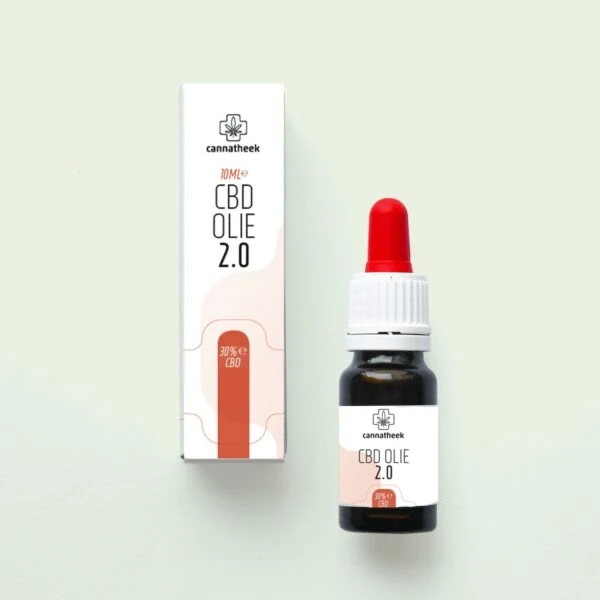
CBD oils face unique storage challenges due to their liquid nature and concentrated active ingredients. Store bottles upright to prevent leakage and minimize air contact with the product surface. After each use, wipe the dropper clean and seal the bottle immediately. Oxygen exposure during dosing is unavoidable, but minimizing contact time preserves potency.
Room temperature storage works well for most CBD oils, though some manufacturers recommend refrigeration for extended shelf life. If refrigerating, understand that carrier oils (like MCT or hemp seed oil) may become cloudy or solidify slightly when cold. This is normal and reverses at room temperature, but you’ll need to allow time for the product to return to liquid consistency before use.
Never store CBD oil in your car, even temporarily. Florida’s heat turns vehicles into ovens, and even brief exposure to extreme temperatures can damage products. If you need portable access, consider a small insulated case with ice packs for temperature stability during transport.
CBD gummies present specific storage challenges in Florida’s climate. Heat causes melting and deformation, while humidity can make them sticky or promote mold growth. Despite seeming like candy, these therapeutic products require more careful storage than most foods.
Room temperature storage in airtight containers works best. Refrigeration might seem logical, but it often introduces moisture problems as products warm and cool. If you must refrigerate, use airtight containers with desiccant packets and allow products to reach room temperature before opening the container. This prevents condensation from forming on cool products exposed to humid air.
Store edibles away from strong-smelling items. Many people don’t realize that gummies and other edibles can absorb odors from nearby foods or products, potentially affecting taste and quality. A dedicated storage container or section of your pantry prevents these issues.
Capsules and tablets seem stable, but humidity remains their enemy. Gelatin capsules can become sticky or even melt together in high humidity, while tablets may crumble or lose integrity. Keep these products in their original bottles when possible, as most manufacturers include desiccant packets specifically sized for the container volume.
If you use weekly pill organizers for convenience, only transfer what you’ll use within a few days. Extended storage in organizers exposes products to humidity each time you open the container. For patients managing multiple supplements along with CBD products, consider separate organizers for different storage requirements.
Store all dry products away from bathrooms and kitchens, where humidity naturally runs higher. Closets in bedrooms or climate-controlled pantries typically offer better conditions. If you live in a particularly humid area or notice moisture problems, adding desiccant packets to your storage area provides additional protection.
Nootropic powders, adaptogenic herbs, and concentrated extracts each present unique storage requirements. Powders are particularly moisture-sensitive and often require airtight glass containers with desiccant packets. Even slight humidity can cause clumping, which indicates moisture exposure and potential degradation.
Concentrated extracts typically need refrigeration after opening. These products contain high levels of active compounds in small volumes, making them particularly valuable to protect. Follow manufacturer guidelines precisely, and when in doubt, refrigerate in airtight, opaque containers.
For those exploring complementary approaches alongside medical cannabis treatment, proper storage of all therapeutic products ensures each element of a wellness routine maintains effectiveness. The principles remain consistent across product types: control temperature, limit light exposure, minimize air contact, and keep moisture away.
If children live in or regularly visit your home, multiple layers of security become non-negotiable. Start with height. Store all CBD and cannabis products well above children’s reach, and remember that determined children can climb. Locking cabinets or boxes add a second layer of security that doesn’t rely on height alone.
Consider the curiosity factor. Products that look or smell interesting to children pose particular risks. Gummies obviously resemble candy, but even oils and tinctures might attract curious exploration. Child-resistant containers slow access, but they’re not foolproof. The best security combines child-resistant packaging, locked storage, and elevation.
Many families designate a specific locking cabinet or safe for all therapeutic products, from CBD to prescription medications. This centralization simplifies security and creates a clear household rule: the locked cabinet is off-limits.
Smart locks offer modern solutions for families comfortable with technology. These allow adults to access storage quickly while maintaining robust security. Some systems even log access times, which can provide peace of mind for parents managing household safety.
Pets face similar risks to children, sometimes higher due to their lower body weight and tendency to explore everything orally. Dogs, in particular, show little discretion about eating appealing items, and CBD or cannabis products often smell or taste interesting to them.
Store products where pets cannot reach them, even if that requires creative solutions. Remember that cats climb and dogs can learn to open cabinets. Truly secure storage typically means latching doors, elevating products, or using locked containers.
Never leave products unattended in areas where pets roam freely. This includes items temporarily set down while dosing, packages delivered to your doorstep, or products forgotten on counters or tables. Pets move quickly, and prevention is far easier than managing accidental ingestion.
Most quality CBD and cannabis products include expiration or “best by” dates on their packaging. These dates aren’t arbitrary; they represent the manufacturer’s guarantee of full potency and safety under proper storage conditions. Products may remain usable beyond these dates, but effectiveness and quality decline.
Expiration dates assume ideal storage. Products exposed to heat, light, or air degrade faster than these dates suggest. Conversely, refrigerated or otherwise optimally stored products sometimes remain potent beyond labeled dates. However, for therapeutic use where consistent dosing matters, respecting manufacturer dating provides the most reliable results.
For those managing chronic conditions with CBD or medical cannabis, using expired products means unpredictable dosing. What worked at full potency may prove insufficient when degraded. Track purchase dates and expiration dates carefully, using older products first to minimize waste while ensuring you’re always using effective supplies.
Visual, olfactory, and textural changes often indicate degradation before products reach printed expiration dates. CBD oil that darkens significantly, develops cloudy sediment (beyond normal crystallization in cold temperatures), or smells rancid has likely degraded. Fresh CBD oil typically has a mild, slightly earthy or grassy scent; strong, unpleasant odors suggest oxidation.
Gummies that become excessively hard, sticky, or discolored have experienced quality changes. While these might not pose safety risks, they indicate degraded active ingredients. Similarly, capsules that stick together, crack, or show visible moisture inside their bottles have been compromised.
When in doubt, dispose of suspicious products. The cost of replacing questionable items is far less than the risk of using ineffective or potentially unsafe products.
Never flush CBD or cannabis products down toilets or pour them into drains. These compounds can enter water systems, potentially affecting aquatic life and contributing to environmental contamination. Similarly, don’t simply discard them in regular trash where children, pets, or others might access them.
Many communities offer medication take-back programs through pharmacies or law enforcement agencies. While these primarily target prescription medications, many accept CBD and other therapeutic products. Contact your local program to verify they’ll accept your specific products.
For products that can’t go through take-back programs, the FDA recommends mixing them with undesirable materials (used coffee grounds, cat litter, or dirt), sealing the mixture in a container, and disposing of it in household trash. Remove or obscure any personal information from the original packaging before disposal.
Many Florida residents need to transport CBD or medical marijuana products regularly, whether commuting to work, visiting family, or running errands. During transport, the same principles apply: avoid heat, minimize light exposure, and maintain security.
Never leave products in vehicles longer than necessary. Florida’s climate can turn cars into ovens within minutes, and even brief exposure to extreme heat damages products. If you must leave items in your car temporarily, use insulated containers with ice packs and park in shade when possible.
Keep products in original, labeled containers during transport. This provides clear documentation if questions arise during traffic stops or other encounters with law enforcement. For medical marijuana patients, Florida law requires keeping products in their original dispensary packaging while traveling.
Consider a dedicated, lockable transport case for regular commuting. These cases maintain temperature stability better than leaving products loose in your car, and they provide an additional security layer if you need to leave items in your vehicle briefly.
TSA regulations technically permit CBD products derived from hemp with less than 0.3% THC on flights within the United States. However, actual enforcement varies, and individual TSA agents may not distinguish between legal CBD and illegal cannabis products. Traveling with CBD involves some risk, despite federal legalization under the 2018 Farm Bill.
To minimize complications, carry CBD products in their original packaging with clear labeling showing hemp derivation and THC content. Keep quantities reasonable for personal use during your trip. Place liquid products in your checked baggage if they exceed the 3.4-ounce carry-on limit, though keeping them in carry-on luggage prevents exposure to extreme cargo hold temperatures.
Research laws at your destination before traveling with any cannabis products. While CBD is federally legal, some states maintain stricter regulations. Medical marijuana patients face additional challenges, as Florida medical marijuana cards provide no legal protection in states without reciprocity agreements.
For international travel, regulations become significantly more complex. Many countries strictly prohibit all cannabis products, including legal CBD. The legal protections you enjoy in Florida and the United States don’t extend beyond American borders.
Florida medical marijuana cards do not provide legal protection when crossing state lines with cannabis products. Federal law still classifies marijuana as a Schedule I controlled substance, making interstate transport technically illegal regardless of medical authorization.
Some patients choose to risk transport for medical necessity, but understand the legal implications. If you decide to travel with medical marijuana, minimize risk by keeping products in original dispensary packaging, carrying your medical marijuana card and physician certification, and transporting only amounts reasonable for personal medical use during your trip.
Several states offer reciprocity, recognizing out-of-state medical marijuana cards and allowing visiting patients to purchase from local dispensaries. Research your destination’s laws before traveling.
Florida’s medical marijuana program, overseen by the Office of Medical Marijuana Use (OMMU), includes specific requirements for patients. Products must remain in their original, labeled dispensary packaging. Patients must carry their medical marijuana card when possessing products. Storage must prevent access by minors.
The program limits possession to a 70-day supply based on your physician’s recommendation. Exceeding this amount could result in legal complications, even with a valid card.
The 2018 Farm Bill federally legalized hemp-derived CBD products containing less than 0.3% THC. Florida law aligns with federal standards, making compliant CBD products legal for adults to purchase, possess, and use without a medical marijuana card.
However, “legal” doesn’t mean “unregulated.” The FDA continues developing regulatory frameworks for CBD products, focusing on safety, labeling accuracy, and therapeutic claims. Quality manufacturers voluntarily comply with good manufacturing practices (GMP) and provide third-party lab testing to verify potency and purity.
When purchasing CBD products, look for clear labeling, accessible lab results, and compliance with Florida’s packaging requirements. Products should list CBD content, THC content, batch numbers, and expiration dates.
Maintaining records of your CBD and cannabis purchases provides legal protection and helps track effectiveness. For medical marijuana patients, dispensaries automatically record all purchases in the OMMU system. Keeping personal notes about dosing, effectiveness, and side effects helps optimize use.
For CBD users, personal records become even more important. Note purchase dates, product specifics, and experiences with each product to identify what works best.
Photograph product labels before disposing of packaging. This creates a permanent record without requiring you to store empty containers indefinitely.
Many people assume refrigeration extends shelf life for all products, but CBD and cannabis products often fare worse in refrigerators than in proper room-temperature storage due to humidity and condensation issues.
Unless the manufacturer specifically recommends refrigeration, room-temperature storage in a cool, dark place usually works better.
Bathroom medicine cabinets experience extreme humidity and temperature fluctuations, accelerating product degradation. Store CBD and cannabis products in climate-controlled areas away from bathrooms and kitchens.
Light, especially UV radiation, rapidly degrades cannabinoids. Store products in darkness or minimal light to preserve potency.
Assess your household, product types, and usage patterns to design a storage system that balances security, accessibility, and product protection.
Establish regular monthly checks to monitor expiration dates, signs of degradation, and security measures.
Proper storage requires awareness and consistency. Control temperature, limit light exposure, minimize air contact, and keep moisture away. Combine these practices with appropriate security measures for your household.
Whether you’re managing chronic conditions through Florida’s medical marijuana program, exploring CBD for wellness support, or using other therapeutic supplements, proper storage preserves potency, extends shelf life, and provides peace of mind.
Canna Doctor sells products you can buy directly from us.
Walk into any health store or browse online wellness retailers, and you’ll find yourself facing a dizzying array of bottles,
The modern world has created a perfect storm for declining mental wellness. Between demanding careers, constant digital connectivity, and the
The supplement aisle can feel overwhelming. Rows of bottles promise better energy, sharper focus, stronger immunity, and improved wellness. With
You must be 18 years of age or older to view page. Please verify your age to enter.
Your access is restricted because of your age.