





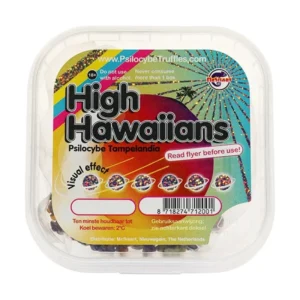
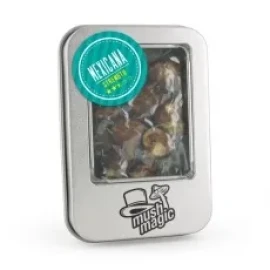
Mexicana truffle
13,00 €
Traditional & Scientific Legacy
Mexicana truffles represent a fascinating intersection of ancient wisdom and modern scientific research. As the first scientifically studied psychedelic truffle, Psilocybe mexicana holds a unique position in both traditional ceremonial practices and contemporary therapeutic research. These sclerotia offer a mild, approachable psychoactive profile that has made them particularly popular among beginners and those exploring microdosing protocols.
Key Features:
- Traditional & scientific legacy: the first scientifically studied psychedelic truffle (Psilocybe mexicana)
- Mild, approachable psychoactive profile — often recommended for beginners and microdosing
- Contains psilocybin and psilocin — supporting gentle altered-state experiences and being studied for therapeutic use
- Nutritional snapshot (per 100g): ~464.7 kJ energy, 5.3g protein, 13.2g carbs
- Legal status varies by country/region — buyers must verify local law
Historical & Cultural Context
The story of Psilocybe mexicana begins in the mountainous regions of Mexico, where indigenous communities have maintained ceremonial relationships with these fungi for centuries. The scientific journey of these remarkable organisms took a pivotal turn in the 1950s when researcher R. Gordon Wasson documented their traditional use, leading to the first isolation of psilocybin by Albert Hofmann in 1958.
This historical significance extends beyond academic curiosity. Psilocybe mexicana became the foundation for understanding how psilocybin compounds interact with human consciousness, paving the way for modern therapeutic research. The transition from traditional ceremonial use to laboratory study represents a bridge between ancient wisdom and contemporary mental health applications.
Understanding this cultural context matters for modern users. It emphasizes the importance of approaching these substances with respect, acknowledging their sacred origins, and recognizing the responsibility that comes with their use. This historical perspective also highlights the importance of ethical sourcing and supporting practices that honor traditional knowledge while advancing scientific understanding.
The legacy of Psilocybe mexicana continues today as researchers investigate its potential for treating depression, anxiety, PTSD, and other mental health conditions, bringing ancient wisdom into modern therapeutic frameworks.
What Are Mexicana Truffles?
Mexicana truffles are scientifically known as sclerotia — compact, nutrient-dense masses formed by certain psilocybin fungi as survival mechanisms. These underground storage structures develop when the fungus encounters environmental stress, concentrating nutrients and active compounds into dense, truffle-like formations.
The key distinction between sclerotia and traditional mushrooms lies in their formation and characteristics. While mushrooms are the above-ground fruiting bodies designed for spore dispersal, sclerotia develop underground as energy reserves. This fundamental difference results in several practical advantages: sclerotia typically offer better shelf stability, more predictable potency profiles, and often present a milder psychoactive experience compared to their mushroom counterparts.
Visually, Mexicana truffles appear as small, irregularly shaped masses with a firm, somewhat rubbery texture and earthy brown coloration. Their dense structure makes them naturally resistant to degradation, contributing to their popularity among both researchers and consumers seeking consistent, reliable experiences.
The formation process of sclerotia represents a fascinating adaptation where the fungus essentially creates its own survival food source, concentrating both nutrients and psychoactive compounds into these compact structures. This natural preservation mechanism explains why many suppliers prefer offering truffles over mushrooms — they provide more stable potency and longer shelf life while maintaining the full spectrum of active compounds found in Psilocybe mexicana.
Chemical Composition & Nutritional Information
Mexicana truffles contain a sophisticated array of compounds, with psilocybin and psilocin serving as the primary psychoactive constituents. Psilocybin functions as a prodrug, meaning it converts into the active compound psilocin once metabolized in the human body. Psilocin is the molecule primarily responsible for the characteristic effects associated with these truffles, interacting with serotonin receptors in the brain to produce altered states of consciousness.
The concentration of these active compounds varies significantly based on growing conditions, harvesting methods, storage duration, and individual batch characteristics. This natural variation underscores the importance of professional lab testing for anyone requiring precise potency information. Quality suppliers typically provide batch-specific testing data to ensure consistency and safety.
Nutritional Profile (per 100g):
- Energy: approximately 464.7 kJ
- Protein: approximately 5.3g
- Carbohydrates: approximately 13.2g
- Fat content: minimal
- Fiber: moderate amounts
From a nutritional standpoint, Mexicana truffles offer modest caloric value with low fat content and moderate protein levels. However, it’s important to understand that these truffles are not consumed as food staples but rather for their psychoactive and potentially therapeutic properties. The nutritional data primarily serves consumers who track their caloric or macronutrient intake for health or dietary reasons.
The carbohydrate content consists largely of complex sugars and fiber, while the protein content includes various amino acids naturally present in fungal tissue. These nutritional components may contribute to the overall experience by affecting absorption rates and metabolic processing, though the quantities involved in typical serving sizes are minimal from a dietary perspective.
Effects, Onset & Duration
Mexicana truffles are renowned for producing gentle, introspective experiences that make them particularly suitable for newcomers to psilocybin compounds. The typical subjective effects include mild to moderate alterations in perception, enhanced mood states, increased introspective awareness, heightened sensory vividness, and sometimes subtle visual enhancements such as enhanced colors or slight geometric patterns.
Typical Timeline:
- Onset: Usually occurs within 30-90 minutes after ingestion, though individual metabolism significantly affects timing
- Peak: Generally reached 1.5-3 hours after onset, representing the period of most intense effects
- Duration: Complete experiences commonly last 3-6 hours for mild to moderate servings, with considerable individual variation
The experience profile of Mexicana truffles is often described as cleaner and more manageable compared to many Psilocybe mushroom varieties. Users frequently report less physical discomfort, reduced nausea, and more controllable psychological effects. This gentler profile makes them particularly appropriate for therapeutic exploration, creative enhancement, or spiritual practices.
For microdosing applications, Mexicana truffles offer an excellent foundation. Microdosing involves taking sub-perceptual amounts intended to provide subtle benefits without obvious psychoactive effects. Many users report enhanced creativity, improved mood stability, increased focus, and better emotional regulation from consistent microdosing protocols. The mild nature of Mexicana truffles makes them ideal for this approach, allowing users to find their optimal sub-threshold serving size.
Individual sensitivity varies dramatically, influenced by factors including body weight, metabolism, recent food intake, psychological state, environmental setting, and previous experience with psychoactive substances. This variability emphasizes the importance of starting with conservative amounts and gradually adjusting based on personal response.
Therapeutic Potential & Research Summary
Clinical research into psilocybin-assisted therapy has generated compelling evidence for treating various mental health conditions. Controlled studies have demonstrated significant improvements in treatment-resistant depression, with some trials reporting remission rates between 50-80% of participants. Similar promising results have emerged for anxiety disorders, PTSD, obsessive-compulsive disorder, and addiction treatment.
The therapeutic mechanism appears to involve psilocybin’s interaction with serotonin receptors, particularly the 5-HT2A receptor, leading to increased neural plasticity and enhanced connectivity between brain regions. This neuroplasticity may allow individuals to break out of rigid thought patterns associated with depression, anxiety, and trauma responses.
However, these impressive clinical results come with important caveats. Most successful therapeutic applications occur within controlled clinical settings featuring professional psychological support, careful screening procedures, structured preparation sessions, and comprehensive integration therapy. The combination of psilocybin with psychotherapy appears crucial for achieving lasting therapeutic benefits.
Real-world effectiveness varies considerably from clinical trial results. Factors including setting, support systems, psychological preparation, and integration practices significantly influence outcomes. Additionally, more research is needed to understand optimal protocols, long-term effects, and which individuals are most likely to benefit from psilocybin-assisted therapy.
Current research continues expanding our understanding of how psilocybin compounds like those found in Mexicana truffles might address mental health challenges. However, these substances should not be considered guaranteed treatments, and anyone seeking therapeutic benefits should consider working with qualified healthcare professionals familiar with psychedelic-assisted therapy protocols.
Safety & Harm Reduction Guidance
Safe use of Mexicana truffles requires careful attention to preparation, environment, and individual factors. The fundamental principle remains “start low and go slow,” recognizing that potency varies between batches and individual sensitivity differs dramatically among users.
Essential Safety Principles:
- Begin with the smallest recommended amount for your experience level
- Use only in safe, comfortable environments with trusted, sober supervision available
- Avoid driving, operating machinery, or making important decisions for at least 24 hours
- Wait a minimum of 90-120 minutes before considering additional consumption
- Always verify product lab testing when available
Setting Considerations:
The environment profoundly influences the experience. Choose familiar, comfortable locations free from potential stressors or interruptions. Having a trusted, sober individual present (“trip sitter”) is highly recommended, especially for inexperienced users or when exploring moderate serving sizes.
Important Contraindications:
- Personal or family history of psychotic disorders (schizophrenia, bipolar disorder with psychotic features)
- Current use of SSRI antidepressants, MAOIs, or other psychiatric medications without medical consultation
- Pregnancy or breastfeeding
- Severe cardiovascular conditions
- Current substance abuse issues
Drug Interactions:
Psilocybin can interact unpredictably with various medications, particularly psychiatric drugs. SSRIs may diminish effects while potentially creating serotonin syndrome risks. MAOIs can intensify and prolong experiences dangerously. Stimulants and alcohol can create complicated interactions affecting both safety and experience quality.
Emergency Preparedness:
Despite their generally safe profile, psychological distress can occur. Prepare emergency contact information, know local crisis resources, and have plans for seeking immediate professional help if severe anxiety, panic, or psychological disturbance develops. Most challenging experiences resolve naturally with time and supportive presence.
Legal Landscape
The legal status of Mexicana truffles varies dramatically across jurisdictions, creating a complex landscape for potential users. In the Netherlands, psilocybin truffles (sclerotia) remain legal while mushrooms are controlled, representing one of the few locations where these products are commercially available. Most other countries classify psilocybin-containing substances as controlled, regardless of whether they’re mushrooms or truffles.
Several regions are developing regulated pathways for therapeutic psilocybin use. Oregon has implemented a licensed psilocybin therapy program, while various cities and states have decriminalized possession or deprioritized enforcement. Canada permits psilocybin access through Special Access Programs for certain medical conditions.
However, these emerging legal frameworks typically don’t extend to recreational use or unregulated therapeutic applications. The distinction between legal therapeutic access and general availability remains significant in most jurisdictions implementing policy changes.
Critical Legal Reminder: Always verify local laws before purchasing, possessing, or consuming any psilocybin-containing products. Legal status can change rapidly, and individual circumstances may affect legal interpretations. When in doubt, consult legal professionals familiar with local drug policies.
International travelers face additional complications, as carrying these substances across borders typically violates multiple jurisdictions’ laws regardless of origin or destination legality.
Quality Assurance, Sourcing & Storage
Quality Mexicana truffles should come from reputable suppliers committed to transparency, safety, and ethical practices. Responsible sourcing involves sustainable cultivation methods, respect for traditional knowledge, and adherence to applicable legal frameworks.
Laboratory Testing:
Professional lab analysis provides crucial information about potency, contaminants, and overall product safety. Quality testing examines:
- Psilocybin and psilocin concentrations
- Heavy metals (lead, mercury, cadmium)
- Pesticide residues
- Microbiological contamination (bacteria, mold, yeast)
- Foreign matter detection
Batch numbers and testing certificates enable traceability and quality verification. Suppliers committed to transparency typically provide this information readily.
Storage Guidelines:
Proper storage maintains potency and prevents degradation:
- Store in cool, dry, dark locations
- Use airtight containers to prevent moisture exposure
- Avoid temperature fluctuations
- Refrigeration can extend shelf life but requires careful moisture control
- Follow supplier-specific recommendations for optimal preservation
Shelf Life Considerations:
Fresh truffles typically maintain potency for several weeks when properly stored, while dried products can last months or longer. Signs of degradation include unusual odors, visible mold growth, significant texture changes, or discoloration beyond normal variation.
Quality suppliers provide clear shelf life guidance and storage instructions tailored to their specific processing and packaging methods.
Comparison: Mexicana vs Other Psilocybin Options
Mexicana Truffles vs Psilocybe Cubensis (Common Mushrooms):
- Potency: Mexicana truffles generally provide milder experiences, making them more suitable for beginners
- Physical Form: Dense sclerotia versus lighter, more fragile mushroom structures
- Experience Quality: Many users report cleaner, less physically uncomfortable experiences with truffles
- Shelf Stability: Truffles typically maintain potency longer and resist degradation better
Mexicana vs Psilocybe Tampanensis (Philosopher’s Stones):
Both produce sclerotia with similar cultivation requirements, but experience profiles can vary. Tampanensis sometimes provides slightly different subjective effects, though individual responses vary significantly.
Advantages of Mexicana for New Users:
- Historical significance provides cultural context and research foundation
- Milder potency profile reduces risk of overwhelming experiences
- Predictable onset and duration help users plan appropriately
- Extensive documentation aids in preparation and expectation setting
- Generally positive user reports for therapeutic and creative applications
Considerations for Experienced Users:
While Mexicana truffles offer gentler experiences, experienced users may find them ideal for situations requiring functional capability, creative work, or therapeutic introspection where intense experiences would be counterproductive.
Frequently Asked Questions
Are Mexicana truffles legal where I live?
Legal status varies significantly by jurisdiction. Truffles are legal in some places like the Netherlands but controlled in most regions. Always check local laws before purchasing or consuming.
How do Mexicana truffles differ from magic mushrooms?
Truffles are sclerotia (underground storage structures) while mushrooms are fruiting bodies. Truffles typically offer milder effects, better shelf stability, and more predictable potency.
How long do effects last?
Most users experience onset within 30-90 minutes, peak effects around 1.5-3 hours, and total duration of 3-6 hours, though individual variation is significant.
Are truffles safe for first-time users?
Mexicana truffles are often recommended for beginners due to their milder profile, but proper preparation, setting, and supervision remain essential for safe experiences.
What is microdosing and how does it differ from regular use?
Microdosing involves taking sub-perceptual amounts intended to provide subtle benefits without obvious psychoactive effects, typically used for productivity, creativity, or mood enhancement.
Can truffles be used therapeutically?
Clinical research shows promising results for psilocybin-assisted therapy, but therapeutic applications should involve qualified healthcare professionals and appropriate clinical settings.
Do Mexicana truffles contain psilocybin and psilocin?
Yes, these are the primary active compounds responsible for psychoactive effects. Psilocybin converts to psilocin in the body.
Will truffles show up on drug tests?
Standard employment drug tests typically don’t screen for psilocybin, but specialized tests can detect it. Detection windows vary based on usage patterns and test sensitivity.
Can I take truffles with prescription medications?
Many medications can interact with psilocybin, particularly psychiatric drugs. Always consult healthcare providers before combining with any medications.
How should I store my truffles?
Keep in cool, dry, dark locations using airtight containers. Follow supplier-specific storage recommendations for optimal potency retention.
How do I know the potency of my batch?
Quality suppliers provide lab testing data showing psilocybin/psilocin concentrations. Batch numbers enable tracking specific potency information.
What should I do if I experience psychological distress?
Remain in a safe environment with trusted support. Most challenging experiences resolve naturally. Seek immediate professional help for severe or persistent distress.
Important Disclaimers:
This product’s legality depends on your jurisdiction — always verify local laws before purchasing or consuming. This information is not medical advice; consult qualified healthcare professionals for mental health treatment and medication interactions. Start with conservative amounts, use in safe settings with sober supervision, and never drive or operate machinery while under the influence.
 Premium ingredients for optimal results
Long-lasting effects for extended pleasure
Safe and certified formulations
Fast-acting solutions for instant impact
Discreet packaging for total privacy
Premium ingredients for optimal results
Long-lasting effects for extended pleasure
Safe and certified formulations
Fast-acting solutions for instant impact
Discreet packaging for total privacy
Premium ingredients for optimal results
Long-lasting effects for extended pleasure
Safe and certified formulations
Fast-acting solutions for instant impact
Discreet packaging for total privacy
Premium ingredients for optimal results
Long-lasting effects for extended pleasure
Safe and certified formulations
Fast-acting solutions for instant impact
Discreet packaging for total privacy
Related Products

Frequently Asked Questions
Everything You Need to Know