




Hawaiian Growkit
65,00 €
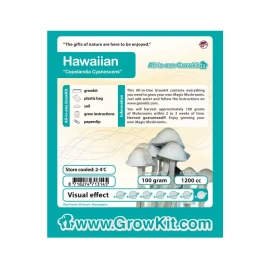
Complete cultivation kit featuring fully colonized substrate and comprehensive instructions for growing Copelandia cyanescens, the renowned Hawaiian strain known for exceptional potency and research applications.
Key Features
- Species: Copelandia cyanescens (Hawaiian strain)
- Includes: Fully colonized substrate, cultivation bag, detailed step-by-step instructions
- Expected Yield: Approximately 100 grams fresh weight per kit
- User Level: Suitable for beginners through advanced cultivators
- Storage: Requires refrigeration at 2–4°C until ready for cultivation
- Shelf Life: Best used within 3 months of receipt when properly stored
Technical Specifications
- Substrate Type: Proprietary fully colonized nutrient-rich medium
- Colonization Status: Completely colonized and ready for fruiting phase
- Estimated Flushes: 2-4 productive flushes yielding ~100g total
- Packaging: Single sterile cultivation bag with integrated filter patch
- Storage Temperature: 2–4°C for preservation (fruiting requires 20–26°C)
Product Overview
The Hawaiian Growkit represents the pinnacle of controlled cultivation technology, delivering a fully colonized Copelandia cyanescens substrate ready for immediate fruiting. This comprehensive kit eliminates the lengthy colonization phase while maintaining the highest standards of sterility and viability. Designed for both newcomers seeking reliable results and experienced cultivators wanting premium Hawaiian genetics, this kit provides everything necessary for successful home cultivation in jurisdictions where legal.
Key Advantages
- Plug-and-Play Simplicity: Arrives fully colonized, dramatically reducing contamination risk and accelerating your cultivation timeline from months to weeks
- Comprehensive Guidance: Beginner-friendly instructions with advanced cultivation notes for experienced growers seeking optimal yields
- Premium Genetics: Copelandia cyanescens Hawaiian strain renowned for exceptional psilocybin and psilocin concentrations, significantly more potent than standard Psilocybe cubensis varieties
Important Storage Note: The specified 2–4°C temperature refers to storage requirements. Fruiting requires room temperature conditions of 20–26°C. Always transition gradually from storage to fruiting temperatures.
Legal & Safety Notice
⚠️ CRITICAL LEGAL WARNING
Legal Status Varies by Jurisdiction: Psychoactive mushrooms, spores, and cultivation materials are strictly regulated or prohibited in many countries, states, and regions. Purchasing, possessing, or cultivating these materials may constitute a serious criminal offense. You are solely responsible for verifying the legal status in your jurisdiction before purchase or use.
Research and Educational Use Only: This product is intended exclusively for mycological research, educational purposes, and legal applications where permitted by local law. We explicitly do not encourage, endorse, or provide guidance for illegal activities.
Safety Requirements
- Professional Supervision Required: Do not consume without proper legal authorization and qualified professional guidance
- Hygiene Protocols: Always use sterile gloves and maintain clean working surfaces when handling substrate materials
- Child and Pet Safety: Store securely away from minors and animals
- Disposal: Follow local hazardous waste guidelines for unused materials
Legal Compliance
Users must independently verify local regulations regarding:
- Possession of psilocybin-containing materials
- Cultivation of psychoactive species
- Import/export restrictions
- Research permit requirements
Disclaimer: All product information is provided for educational purposes only and does not constitute medical, legal, or professional advice. Consult qualified professionals for guidance specific to your situation and jurisdiction.
Scientific Background — Copelandia cyanescens
Species Profile
- Scientific Name: Copelandia cyanescens (Berk. & Broome) Singer
- Common Names: Hawaiian mushroom, Blue Meanies, Pan cyans
- Potency Characteristics: Exceptionally high psilocybin and psilocin concentrations, typically 2-3 times more potent than Psilocybe cubensis varieties
- Natural Habitat: Tropical and subtropical coastal regions, particularly abundant in Hawaiian ecosystems growing in nutrient-rich substrates
Copelandia vs. Psilocybe Comparison
| Characteristic | Copelandia cyanescens | Psilocybe cubensis |
|---|---|---|
| Potency | Significantly higher (2-3x psilocybin content) | Moderate baseline potency |
| Appearance | Smaller caps (1-4cm), thin stems, distinctive blue bruising | Larger caps (2-8cm), thicker stems |
| Growing Sensitivity | More demanding environmental conditions | Generally forgiving and resilient |
| Yield per Kit | ~100g fresh weight | Typically 200-400g fresh weight |
| Cultivation Time | 14-28 days from pins to harvest | 10-21 days from pins to harvest |
Research Applications
Copelandia cyanescens serves as an important subject for mycological research, particularly in studies examining:
- Psilocybin biosynthesis pathways
- Environmental adaptation mechanisms
- Substrate colonization efficiency
- Comparative potency analysis across species
Target Audience
Ideal Users
- Novice Cultivators: Seeking a streamlined introduction to controlled cultivation with reduced complexity and contamination risk
- Experienced Mycologists: Interested in high-potency Hawaiian genetics without investing time in initial colonization phases
- Research Professionals: Requiring consistent, reliable specimens for legitimate scientific investigation in permissible jurisdictions
- Educational Institutions: Conducting approved mycological studies and coursework where legally authorized
Use Cases
- Home Cultivation Research: Learning controlled environmental techniques and observing complete fungal life cycles
- Comparative Studies: Analyzing differences between Copelandia and Psilocybe species regarding growth patterns, yields, and characteristics
- Academic Projects: Supporting mycology coursework, botany studies, and related scientific disciplines
- Professional Development: Building expertise in sterile cultivation techniques and contamination prevention
Comprehensive Cultivation Guide
Timeline Overview
- Day 0: Kit arrival and inspection
- Days 1-7: Temperature acclimation from storage to fruiting conditions
- Days 7-21: Pin formation and early development phase
- Days 14-28: First flush harvest window
- Subsequent Flushes: Every 2-4 weeks with proper care
Step-by-Step Instructions
1. Unboxing and Initial Inspection (Day 0)
Visual Quality Checklist:
- Verify intact packaging seal without tears or punctures
- Examine substrate for healthy white mycelial coverage
- Confirm absence of green, black, or colored contamination
- Check for neutral, earthy aroma (avoid foul or sour odors)
- If any contamination signs present: Do not open; contact support immediately
Documentation: Record arrival date, visual observations, and storage transition plan.
2. Temperature Transition Preparation
Storage to Fruiting Transition:
- Remove kit from 2–4°C storage gradually
- Allow 24-48 hours for temperature equilibration to room conditions
- Target fruiting temperature range: 20–26°C (68–79°F)
- Avoid rapid temperature changes that may shock the mycelium
Environmental Setup Requirements:
- Temperature: Maintain consistent 20–26°C throughout fruiting cycle
- Humidity: 85–95% relative humidity during active fruiting
- Air Exchange: Moderate fresh air circulation (3-5 air changes per hour)
- Lighting: Indirect natural light or 12/12 artificial light cycle (low intensity)
3. Cultivation Bag Opening and Fruiting Initiation
Sterile Technique Protocol:
- Thoroughly wash hands and don sterile gloves
- Prepare clean, sanitized work surface
- Carefully open cultivation bag using sterile blade or scissors
- Create air exchange opening while maintaining partial coverage
- Position substrate on elevated platform for drainage
Moisture Management System:
- Initial misting: Light spray 2-3 times daily using fine atomizer
- Maintain visible water droplets on surface without pooling
- Adjust frequency based on environmental humidity levels
- Monitor for over-saturation signs (bacterial growth, foul odors)
4. Pin Formation and Development Monitoring
Healthy Development Indicators:
- Dense white mycelial mat with no discoloration
- Pin formation typically begins days 7-14 after fruiting initiation
- Pins appear as small, dark nodules emerging from substrate surface
- Gradual size increase and cap differentiation over 3-7 days
Critical Monitoring Points:
- Daily visual inspection for contamination signs
- Humidity maintenance during vulnerable pin development
- Temperature stability to prevent abortion
- Proper air circulation without direct drafts
5. Environmental Fine-Tuning
Optimization Techniques:
- Humidity Control: Use perlite chamber or automatic humidifier for consistency
- Temperature Regulation: Heating mats with thermostats for precise control
- Air Quality: HEPA filtration for contamination prevention
- Light Management: 6000K LED lighting for optimal photomorphogenesis
6. Multi-Flush Management
Post-Harvest Preparation:
- Allow substrate rest period of 7-10 days between flushes
- Gradual rehydration through careful misting schedule
- Monitor for signs of substrate exhaustion (yellowing, reduced vigor)
- Expect diminishing yields with successive flushes (2-4 productive cycles typical)
Substrate Revitalization:
- Light casing layer application may extend productive life
- Nutritional supplements (where appropriate) can support continued fruiting
- Temperature cycling can stimulate additional pin formation
Harvesting, Processing, and Storage
Optimal Harvest Timing
Peak Potency Indicators:
- Caps beginning to flatten but before full opening
- Veil stretched thin but not completely ruptured
- Firm stem texture with minimal flexibility
- Critical Window: Harvest before spore release for maximum alkaloid concentration
Harvesting Technique:
- Use clean, sharp blade or sterile scissors
- Cut individual specimens at substrate level
- Twist-and-pull method for cluster harvesting
- Minimize substrate disturbance to preserve future flushes
- Remove all mature specimens simultaneously to prevent uneven development
Processing and Preservation
Fresh Weight to Dried Conversion:
- Typical moisture content: 90-95% water weight
- Conversion ratio: Approximately 10:1 fresh to dried weight
- Expected dried yield: 8-12 grams per 100g fresh harvest
Drying Methods:
- Optimal: Food dehydrator at 40-50°C (104-122°F) for 6-12 hours
- Alternative: Fan drying with desiccant in well-ventilated area
- Storage: Airtight containers with silica gel packets
- Environment: Cool, dark, moisture-free conditions
Long-Term Storage Requirements:
- Temperature: Below 20°C for extended preservation
- Humidity: Less than 5% relative humidity with desiccants
- Light Protection: Opaque containers to prevent degradation
- Shelf Life: 2-3 years when properly dried and stored
Comprehensive Troubleshooting Guide
No Pin Formation Issues
Probable Causes and Solutions:
- Temperature Problems: Verify 20-26°C range; adjust heating/cooling systems
- Humidity Deficiency: Increase misting frequency; implement humidity chamber
- Insufficient Air Exchange: Improve ventilation while maintaining humidity
- Substrate Exhaustion: Allow longer rest periods; consider nutritional supplementation
- Light Deficiency: Provide consistent 12/12 light cycle with appropriate spectrum
Contamination Management
Green Mold (Trichoderma) Identification:
- Bright green powdery appearance
- Rapid spreading across substrate surface
- Musty, distinctive odor
- Action: Immediate isolation and disposal in sealed containers
Black Mold (Aspergillus) Recognition:
- Dark black or brown coloration
- Fuzzy texture distinct from healthy mycelium
- Action: Complete kit disposal; decontaminate work area thoroughly
Bacterial Contamination Signs:
- Slimy, wet appearance on substrate
- Foul, sour, or putrid odors
- Discolored liquid accumulation
- Action: Cease cultivation; dispose safely; review sterile technique
Growth Development Problems
Mycelial Stalling:
- Temperature Shock: Maintain consistent environmental conditions
- Moisture Stress: Balance humidity without oversaturation
- Air Quality Issues: Ensure fresh air exchange without contamination
Pin Abortion (Premature Development Stopping):
- Environmental Instability: Stabilize temperature and humidity fluctuations
- Insufficient Nutrients: Allow substrate recovery time between flushes
- CO₂ Accumulation: Increase air exchange rates while maintaining humidity
Substrate Overlay (Hard Surface Formation):
- Excessive Moisture: Reduce misting frequency; improve drainage
- Poor Air Circulation: Increase ventilation; adjust fan positioning
- Solution: Light surface scratching with sterile implement
Preventative Best Practices
Sterile Technique Fundamentals:
- Always use sterile gloves for any substrate contact
- Maintain clean work environment with regular sanitization
- Isolate cultivation area from high-traffic zones
- Use sterile tools for all cutting and manipulation activities
Environmental Control:
- Invest in quality thermometer and hygrometer for monitoring
- Avoid sudden environmental changes that stress mycelium
- Maintain consistent light cycles throughout cultivation period
- Document conditions and results for continuous improvement
Support Contact Guidelines:
- Immediate Contact Required: Visible contamination upon arrival, damaged packaging, or unusual odors
- Return Criteria: Manufacturing defects, contamination present at delivery, or damaged sterile sealing
- Documentation: Photograph issues clearly before handling contaminated materials
Frequently Asked Questions
Is this cultivation kit legal in my area?
Legal status varies significantly by jurisdiction. Psychoactive mushrooms and related cultivation materials are prohibited in many regions. You must independently research and verify local laws regarding possession, cultivation, and research use before purchasing or using this product.
What exactly is included with the Hawaiian Growkit?
Each kit contains a fully colonized Copelandia cyanescens substrate in a sterile cultivation bag with integrated filter patch, comprehensive step-by-step cultivation instructions, and troubleshooting guides. No additional materials are required for basic cultivation.
Do I need prior mushroom growing experience?
No previous experience is required. The kit includes detailed instructions suitable for beginners, while also providing advanced techniques for experienced cultivators. The fully colonized substrate significantly reduces complexity compared to starting from spores.
How long until I can expect to harvest?
Timeline varies based on environmental conditions, but typical schedule includes 7-14 days for pin formation after fruiting initiation, followed by 7-14 days for full development. Total time from setup to first harvest is generally 14-28 days.
What temperature does the kit require?
Storage requires 2–4°C refrigeration until ready for use. Fruiting requires room temperature conditions of 20–26°C. Gradual transition between temperatures is essential to prevent mycelial shock and ensure successful cultivation.
Is the 100g yield measurement fresh or dried weight?
The estimated 100g yield refers to fresh weight harvest. After proper drying (removing 90-95% moisture content), expect approximately 8-12 grams of dried material per complete kit cycle across all flushes.
Can I reuse the substrate for multiple harvests?
Yes, properly maintained substrate typically produces 2-4 productive flushes over 2-3 months. Yields generally decrease with successive flushes as nutrients become depleted. Allow rest periods between harvests for optimal results.
Are mushroom spores included in this kit?
This kit contains fully developed mycelium rather than spores. The legal status of spores varies by jurisdiction and is separate from cultivation materials. Research local regulations regarding both spores and cultivation substrates.
Can you ship this product internationally?
Shipping is restricted to jurisdictions where possession and cultivation are legal. We cannot ship to areas where these materials are prohibited. International shipping requires customer verification of legal compliance in destination country.
What should I do if contamination appears?
Immediately isolate the kit to prevent spread. If contamination was present upon arrival, contact support with photographic documentation. If contamination develops during cultivation, safely dispose of materials in sealed containers and sanitize the cultivation area.
How should I store harvested material?
Fresh harvests should be processed immediately through proper drying techniques. Dried material requires airtight storage with desiccants in cool, dark conditions. Properly dried and stored specimens maintain potency for 2-3 years.
What makes Copelandia cyanescens different from other species?
Copelandia cyanescens is renowned for significantly higher psilocybin concentrations compared to common Psilocybe cubensis varieties, typically 2-3 times more potent. They also have distinctive smaller caps, thinner stems, and pronounced blue bruising characteristics.
Safety and Responsible Research
Harm Reduction Principles
Research Context Safety:
- Conduct all activities within legal frameworks and institutional oversight
- Maintain detailed documentation of cultivation parameters and results
- Use appropriate personal protective equipment during handling
- Ensure proper ventilation in cultivation areas to prevent respiratory exposure
Professional Guidelines:
- Collaborate with qualified mycologists or research supervisors
- Follow institutional safety protocols and review board requirements
- Implement proper waste disposal procedures for biological materials
- Maintain sterile technique standards throughout cultivation process
Medical and Legal Disclaimers
Important Notices:
- This product and information are not intended for medical diagnosis, treatment, or therapeutic use
- All content is provided for educational and research purposes only
- Consult qualified professionals for medical, legal, or scientific guidance
- Individual responsibility applies for all legal compliance and safety measures
Child and Pet Safety Protocols:
- Store all materials in secure, locked containers away from minors
- Maintain cultivation areas as restricted access zones
- Use child-resistant packaging for any processed materials
- Implement clear labeling systems to prevent accidental exposure
Product Advantages and Selection Rationale
Comparative Benefits vs. Standard Psilocybe Cubensis Kits
Potency Advantages:
- Superior Alkaloid Content: Copelandia cyanescens delivers 2-3 times higher psilocybin concentrations compared to typical cubensis varieties
- Research Efficiency: Higher potency means smaller sample sizes required for equivalent research applications
- Genetic Consistency: Hawaiian strain provides reliable, consistent alkaloid profiles across harvests
Cultivation Benefits:
- Reduced Contamination Risk: Fully colonized substrate eliminates the most vulnerable contamination window
- Accelerated Timeline: Immediate fruiting capability saves 4-6 weeks compared to spore-based cultivation
- Higher Success Rate: Pre-colonized materials significantly improve success rates for novice cultivators
Unique Value Propositions
Technical Excellence:
- Strain Authentication: Verified Copelandia cyanescens genetics from Hawaiian sources
- Quality Assurance: Laboratory-controlled colonization under sterile conditions
- Comprehensive Support: Detailed species-specific cultivation guidance and troubleshooting resources
Scientific Research Applications:
- Standardized Material: Consistent substrate composition enables reproducible research results
- Educational Value: Complete life cycle observation from fruiting through sporulation
- Comparative Studies: Ideal for side-by-side analysis with other species and varieties
The Hawaiian Growkit represents the convergence of advanced mycological techniques, premium genetics, and comprehensive educational resources, delivering an unparalleled cultivation experience for serious researchers and educators operating within appropriate legal frameworks.
 Premium ingredients for optimal results
Long-lasting effects for extended pleasure
Safe and certified formulations
Fast-acting solutions for instant impact
Discreet packaging for total privacy
Premium ingredients for optimal results
Long-lasting effects for extended pleasure
Safe and certified formulations
Fast-acting solutions for instant impact
Discreet packaging for total privacy
Premium ingredients for optimal results
Long-lasting effects for extended pleasure
Safe and certified formulations
Fast-acting solutions for instant impact
Discreet packaging for total privacy
Premium ingredients for optimal results
Long-lasting effects for extended pleasure
Safe and certified formulations
Fast-acting solutions for instant impact
Discreet packaging for total privacy
Related Products
Frequently Asked Questions
Everything You Need to Know