




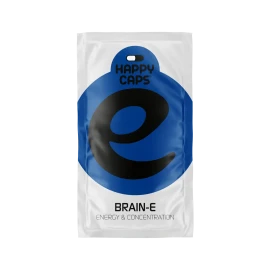
Brain-E pilletjes om je te helpen concetreren
10,00 €
Enhance Your Mental Performance Naturally
Brain-E represents a scientifically-formulated blend of natural nootropic compounds designed to support sustained concentration, enhanced memory, and optimized cognitive performance. Unlike traditional stimulants that often lead to jitters and crashes, Brain-E’s carefully balanced formula combines adaptogenic herbs, amino acids, and cognitive enhancers to promote clear thinking and mental endurance without the typical drawbacks of caffeine-heavy products.
This comprehensive nootropic stack features research-backed ingredients including Rhodiola Rosea, L-theanine, choline, and GABA, each selected for their proven ability to support different aspects of cognitive function. Whether you’re a student preparing for exams, a professional tackling demanding projects, a creative seeking sustained focus, or simply someone looking to maintain mental sharpness, Brain-E offers a natural approach to cognitive enhancement.
The formulation addresses the growing demand for clean, effective cognitive support that works with your body’s natural systems rather than overwhelming them with synthetic stimulants.
Understanding Nootropics and Their Mechanisms
Nootropics, often called “smart drugs” or cognitive enhancers, are substances that support brain function through various biological pathways. These compounds work by modulating neurotransmitter systems, improving blood flow to the brain, providing precursors for essential brain chemicals, and supporting the brain’s natural stress response mechanisms.
Natural nootropics differ significantly from synthetic alternatives and traditional stimulants. While caffeine and energy drinks provide rapid but short-lived alertness through adenosine receptor blockade, natural nootropics like those in Brain-E work more subtly to enhance cognitive function without creating dependency or tolerance. They support the brain’s existing systems rather than forcing artificial states of alertness.
The mechanisms involved include supporting acetylcholine production for memory and learning, modulating GABA receptors for balanced alertness without anxiety, providing adaptogenic support for stress resilience, and enhancing cerebral blood flow for improved oxygen and nutrient delivery to brain tissue. This multi-pathway approach creates more sustainable cognitive enhancement compared to single-mechanism stimulants.
Research indicates that combining complementary nootropic compounds often produces synergistic effects, where the total benefit exceeds the sum of individual components. This principle guides Brain-E’s formulation strategy.
Brain-E’s Formula – Comprehensive Ingredient Analysis
Rhodiola Rosea
This adaptogenic herb serves as Brain-E’s foundation for stress resilience and mental fatigue reduction. Rhodiola works primarily through its active compounds rosavins and salidroside, which help regulate the hypothalamic-pituitary-adrenal axis and support healthy cortisol responses.
Clinical research demonstrates Rhodiola’s ability to improve attention span, reduce mental fatigue, and enhance cognitive performance under stress. Studies show significant improvements in concentration and reduced feelings of burnout after several weeks of consistent use. The herb’s adaptogenic properties mean it helps normalize stress responses rather than simply masking fatigue.
Rhodiola’s effects typically build over time, with users often reporting increased mental stamina and improved ability to maintain focus during extended work sessions. The quality of Rhodiola extract matters significantly, with standardized extracts containing specific percentages of active compounds showing superior results in research settings.
L-Theanine
This amino acid, naturally found in green tea, provides the calming component of Brain-E’s formula. L-theanine promotes relaxation without sedation by increasing alpha brain wave activity, which is associated with calm, focused attention states.
Research consistently shows L-theanine’s ability to reduce anxiety and improve attention when combined with caffeine. This synergistic relationship allows for enhanced alertness without the jitters, crashes, or anxiety often associated with stimulant use alone. L-theanine effectively smooths caffeine’s stimulating effects while preserving and even enhancing its cognitive benefits.
The compound works by modulating neurotransmitter activity, particularly increasing GABA, dopamine, and serotonin levels in the brain. This creates a state of relaxed alertness ideal for sustained cognitive work. Effects typically begin within 30-60 minutes of consumption and can last several hours.
Caffeine
Brain-E includes a measured amount of caffeine to provide immediate alertness and enhanced attention. Caffeine blocks adenosine receptors, preventing the buildup of this sleep-promoting neurotransmitter and maintaining wakefulness and focus.
The caffeine content in Brain-E is carefully balanced with L-theanine to minimize negative side effects while maximizing cognitive benefits. This combination has been extensively studied and shown to improve both attention and working memory performance better than either compound alone.
Users sensitive to caffeine benefit from this balanced approach, as L-theanine significantly reduces caffeine’s potential for causing anxiety, restlessness, or sleep disruption. The formula provides clean energy without the typical stimulant roller coaster.
Choline
As a precursor to acetylcholine, the brain’s primary learning and memory neurotransmitter, choline plays a crucial role in cognitive function. Adequate choline levels support memory formation, recall, and overall learning capacity.
Research indicates choline supplementation can enhance memory performance, particularly in tasks requiring sustained attention and working memory. The compound is especially beneficial for supporting cognitive function in older adults, though younger users also report improved mental clarity and memory retention.
Choline’s bioavailability varies significantly depending on the form used. High-quality nootropic formulations utilize forms like citicoline or alpha-GPC for superior absorption and effectiveness compared to basic choline salts.
L-Tryptophan
This essential amino acid serves as a precursor to serotonin, the neurotransmitter crucial for mood regulation and sleep quality. While not directly cognitive-enhancing, L-tryptophan supports the emotional and sleep foundations necessary for optimal mental performance.
Adequate serotonin levels promote emotional stability and stress resilience, indirectly supporting sustained cognitive performance. Quality sleep, facilitated by healthy serotonin levels, is essential for memory consolidation and mental recovery.
Users should note potential interactions with antidepressant medications, particularly SSRIs and MAOIs, as combining these with L-tryptophan may increase serotonin levels beyond safe ranges.
GABA
Gamma-aminobutyric acid (GABA) is the brain’s primary inhibitory neurotransmitter, promoting calm and balanced mental states. While oral GABA supplementation has limited ability to cross the blood-brain barrier, some users report calming effects that may support focused work by reducing anxiety and mental tension.
The inclusion of GABA in Brain-E’s formula aims to balance the stimulating effects of other ingredients, creating a more controlled and sustainable cognitive enhancement experience. Research on oral GABA’s effectiveness remains mixed, with individual responses varying significantly.
GABA works synergistically with L-theanine to promote relaxed alertness, potentially reducing the overthinking and mental tension that can interfere with productive focus sessions.
DMAE
Dimethylaminoethanol (DMAE) has been traditionally used to support alertness and mental clarity. While research on DMAE’s cognitive effects in healthy adults shows mixed results, some users report improved mental energy and focus.
DMAE is theorized to support acetylcholine production, though this mechanism is less well-established than with choline compounds. The ingredient’s inclusion in Brain-E reflects its traditional use and anecdotal reports of cognitive benefits.
Evidence for DMAE’s effectiveness is weaker compared to other ingredients in the formula, representing the reality that not all traditional nootropic compounds have extensive modern research backing.
L-Carnitine
This amino acid derivative plays essential roles in cellular energy metabolism, particularly in mitochondrial function. Research suggests L-carnitine may provide modest cognitive benefits, especially in populations experiencing age-related cognitive decline.
L-carnitine’s potential cognitive benefits appear related to improved cellular energy production and reduced oxidative stress in brain tissue. While effects in healthy young adults are generally subtle, the compound may contribute to sustained mental energy during demanding cognitive tasks.
The ingredient represents Brain-E’s comprehensive approach to cognitive support, addressing energy metabolism alongside neurotransmitter function for holistic mental performance enhancement.
Niacin (Vitamin B3)
Essential for proper brain metabolism and energy production, niacin ensures optimal cellular function throughout the nervous system. While not a nootropic in itself for individuals with adequate nutrition, niacin deficiency can significantly impair cognitive function.
Niacin’s inclusion ensures Brain-E users maintain optimal B-vitamin status for supporting the increased metabolic demands of enhanced cognitive performance. The vitamin works synergistically with other ingredients to support overall brain health and function.
For individuals with adequate nutritional status, niacin’s cognitive benefits are primarily supportive rather than directly noticeable, representing good formulation practice for comprehensive cognitive support.
Scientific Evidence and Research Reliability
The scientific foundation for Brain-E’s ingredients varies in strength across compounds. Rhodiola Rosea has robust evidence from multiple randomized controlled trials showing significant improvements in mental fatigue, attention, and stress resilience. These studies consistently demonstrate benefits across different populations and stress conditions.
L-theanine combined with caffeine represents one of the most well-researched nootropic combinations, with numerous studies confirming synergistic effects on attention, working memory, and subjective alertness without negative side effects. This combination has particularly strong evidence for improving cognitive performance in demanding tasks.
Choline compounds have extensive research supporting their role in memory and learning, with evidence strongest for preventing cognitive decline and supporting memory formation. Studies show particular benefits for working memory and sustained attention tasks.
The evidence becomes more limited for compounds like GABA, DMAE, and L-carnitine in healthy populations. While these ingredients have some research support and extensive traditional use, the evidence for cognitive enhancement in healthy adults is less conclusive than for the primary active ingredients.
Transparency about research limitations is crucial – most nootropic studies are relatively short-term, individual responses vary significantly, and optimal dosing for cognitive enhancement often differs from studied amounts. Long-term safety data for most nootropic combinations remains limited.
Advantages Over Traditional Stimulants
Brain-E offers several key advantages compared to caffeine-only products and synthetic nootropics. The balanced formulation provides sustained cognitive enhancement without the peaks and crashes associated with high-dose caffeine products. The inclusion of L-theanine and adaptogenic compounds creates smoother, more controlled alertness.
Unlike energy drinks containing high sugar and caffeine levels, Brain-E focuses on cognitive modulation rather than simple stimulation. This approach reduces the risk of tolerance development, sleep disruption, and the anxiety often accompanying traditional stimulants.
Compared to prescription nootropics like modafinil, Brain-E offers a gentler approach with fewer side effects and no prescription requirements. While effects may be more subtle than pharmaceutical options, the natural formula carries lower risks and can be used more flexibly.
The adaptogenic components in Brain-E actually help build stress resilience over time, contrasting with stimulants that may increase stress responses. This makes Brain-E more suitable for long-term cognitive support strategies.
However, users should understand that Brain-E’s effects are generally more subtle and building than the immediate impact of strong stimulants. Those seeking dramatic, immediate cognitive enhancement may find natural nootropics insufficient for their needs.
Target Users and Applications
Students and Academics benefit from Brain-E’s support for sustained attention during study sessions, improved memory consolidation, and stress resilience during exam periods. The formula’s balanced approach helps maintain focus during long reading and writing sessions without creating dependence.
Professionals and Knowledge Workers use Brain-E to enhance concentration during meetings, improve mental stamina for project work, and maintain clarity during demanding deadlines. The formula supports the sustained mental effort required in modern knowledge-based careers.
Creative Professionals find Brain-E helpful for achieving flow states, maintaining inspiration during long creative sessions, and balancing focused work with creative openness. The calming components prevent the mental tension that can block creative processes.
Gamers and E-sports Athletes utilize Brain-E to enhance reaction time, maintain concentration during extended gaming sessions, and support the mental endurance required for competitive play. The formula provides sustained alertness without the crashes that can impair performance.
Older Adults benefit particularly from the memory-supporting compounds like choline and the stress-resilience provided by adaptogenic ingredients. Brain-E can help maintain cognitive sharpness and support healthy brain aging when combined with proper nutrition and exercise.
Shift Workers and Irregular Schedules find Brain-E useful for maintaining mental performance during non-traditional hours, though timing of use becomes crucial to avoid sleep disruption.
Usage Guidelines and Timing
For optimal results, take Brain-E 30-60 minutes before periods requiring enhanced cognitive performance. Morning or early afternoon consumption works best, as the caffeine content can interfere with sleep if taken late in the day.
The presence of L-theanine makes Brain-E compatible with additional caffeine sources like coffee or tea, though total caffeine intake should be monitored to prevent overstimulation. Many users find Brain-E enhances their morning coffee routine by smoothing caffeine’s effects.
Individual timing preferences vary based on caffeine sensitivity, sleep schedules, and cognitive demands. Those sensitive to caffeine should start with half doses and avoid late-day consumption. Night shift workers may need to adjust timing based on their specific schedules.
Consistency in usage timing helps optimize results, as some ingredients like Rhodiola build effects over time. However, Brain-E can be used as needed rather than requiring daily consumption for effectiveness.
Taking Brain-E with food may reduce potential stomach irritation, though this varies among individuals. Adequate hydration supports optimal cognitive function and helps prevent headaches that can accompany nootropic use.
Safety Profile and Interactions
Brain-E is generally well-tolerated by healthy adults, with most side effects being mild and related to individual sensitivities. Common side effects may include mild stomach upset, headaches, or sleep difficulties if taken too late in the day.
The most significant interaction concern involves L-tryptophan and antidepressant medications, particularly SSRIs and MAOIs. Combining these substances can potentially lead to dangerous serotonin syndrome. Users taking antidepressants should consult healthcare providers before using Brain-E.
Pregnant and nursing women should avoid Brain-E due to caffeine content and limited safety data for some ingredients during pregnancy and lactation. The developing brain’s sensitivity to various compounds makes caution essential during these periods.
Individuals with liver or kidney conditions should exercise caution, as these organs process the compounds in Brain-E. Those with cardiovascular conditions should be particularly careful with caffeine-containing supplements and consult medical professionals.
Users taking multiple supplements should consider cumulative caffeine intake and potential nutrient interactions. Combining Brain-E with other nootropic supplements requires careful consideration of overlapping ingredients and total dosages.
Quality and Transparency Standards
Brain-E maintains high quality standards through third-party testing for purity, potency, and contamination. Each batch undergoes testing for heavy metals, pesticides, and microbial contamination to ensure consumer safety.
The sourcing of botanical ingredients like Rhodiola Rosea emphasizes sustainable harvesting practices and standardized extract quality. Traceability from source to finished product ensures consistent potency and purity across batches.
Manufacturing follows Good Manufacturing Practice (GMP) standards in certified facilities, providing additional quality assurance. Regular audits and documentation ensure consistent production standards and product reliability.
Packaging utilizes recyclable materials where possible, and the company provides detailed information about ingredient sources and processing methods for transparency-conscious consumers.
Certificate of analysis documents are available for each batch, allowing consumers to verify the quality and composition of their specific product lot.
Personalizing Your Cognitive Enhancement Approach
Individual responses to nootropics vary significantly based on genetics, lifestyle, existing supplement use, and specific cognitive goals. Some users notice immediate effects from the caffeine and L-theanine combination, while others require several days of consistent use to experience Rhodiola’s adaptogenic benefits.
Age influences optimal nootropic strategies, with younger users often responding well to acute focus enhancement, while older adults may benefit more from long-term cognitive support and neuroprotective compounds.
Caffeine sensitivity plays a crucial role in determining optimal dosing and timing. Highly sensitive individuals may prefer half doses or evening use of caffeine-free nootropic stacks, while caffeine-tolerant users might combine Brain-E with additional coffee or tea.
Stress levels and sleep quality significantly impact nootropic effectiveness. Brain-E works best as part of a comprehensive approach including adequate sleep, regular exercise, proper nutrition, and stress management techniques.
Specific cognitive goals – whether memory enhancement, creativity support, or sustained attention – may benefit from different timing strategies and complementary lifestyle approaches.
Comparison with Alternative Approaches
Brain-E vs. Coffee/Caffeine: While coffee provides rapid alertness, Brain-E offers sustained cognitive support with reduced crash potential. The L-theanine component smooths caffeine’s effects, while additional ingredients support memory and stress resilience beyond caffeine’s capabilities.
Brain-E vs. Energy Drinks: Energy drinks typically rely on high caffeine and sugar content for short-term energy, often followed by significant crashes. Brain-E provides more stable cognitive enhancement without the sugar content and artificial stimulants common in energy products.
Brain-E vs. Single-Ingredient Nootropics: Combined formulations like Brain-E offer synergistic effects and convenience compared to building custom nootropic stacks. However, single ingredients allow for more precise dosing and easier identification of individual responses.
Brain-E vs. Prescription Nootropics: While prescription options may provide more dramatic effects, Brain-E offers a gentler approach with fewer side effects and no prescription requirements. Natural formulations are generally safer for long-term use and daily cognitive support.
The choice between approaches depends on individual goals, risk tolerance, and desired effect intensity. Brain-E represents a middle ground between basic caffeine supplementation and prescription cognitive enhancers.
Frequently Asked Questions
Does Brain-E work immediately or require build-up time?
Brain-E provides both immediate and building effects. The caffeine and L-theanine combination offers noticeable cognitive enhancement within 30-60 minutes, while ingredients like Rhodiola Rosea provide increasing benefits over days to weeks of consistent use.
Can I combine Brain-E with coffee or other caffeine sources?
Yes, the L-theanine in Brain-E actually complements additional caffeine sources by reducing jitters and anxiety. However, monitor total caffeine intake to avoid overstimulation and potential sleep disruption.
Is Brain-E safe during pregnancy or breastfeeding?
No, Brain-E contains caffeine and other ingredients that should be avoided during pregnancy and nursing. Pregnant and breastfeeding women should consult healthcare providers before using any nootropic supplements.
How quickly will I notice cognitive improvements?
Acute effects from caffeine and L-theanine typically appear within 30-60 minutes. Adaptogenic benefits from Rhodiola may build over several days to weeks. Individual responses vary based on sensitivity, existing caffeine tolerance, and baseline cognitive function.
Are the ingredients tested for purity and heavy metals?
Yes, Brain-E undergoes comprehensive third-party testing for heavy metals, pesticides, microbial contamination, and ingredient potency. Certificates of analysis are available for each production batch.
What age groups can safely use Brain-E?
Brain-E is formulated for healthy adults. Individuals under 18 should consult healthcare providers before use. Older adults may particularly benefit from the memory-supporting ingredients, though medical consultation is advisable for those with existing health conditions.
How does Brain-E affect sleep quality?
The caffeine content can interfere with sleep if taken too close to bedtime. Most users should avoid Brain-E within 6-8 hours of intended sleep time. The L-theanine and adaptogenic ingredients may actually support better sleep quality when the supplement is timed appropriately.
Can Brain-E be used with antidepressant medications?
Brain-E contains L-tryptophan, which can interact with antidepressant medications, particularly SSRIs and MAOIs. Users taking antidepressants should consult their healthcare providers before using Brain-E to avoid potential serotonin syndrome.
What makes Brain-E different from other nootropic supplements?
Brain-E combines immediate cognitive enhancement (caffeine + L-theanine) with building adaptogenic support (Rhodiola) and comprehensive cognitive support ingredients (choline, GABA). This multi-pathway approach provides both acute and long-term cognitive benefits in a single formulation.
How long can I safely use Brain-E?
Brain-E’s natural ingredients are generally safe for long-term use in healthy adults. However, periodic breaks may be beneficial to assess baseline cognitive function and prevent potential tolerance to caffeine. Users with health conditions should consult healthcare providers regarding long-term supplementation strategies.
 Premium ingredients for optimal results
Long-lasting effects for extended pleasure
Safe and certified formulations
Fast-acting solutions for instant impact
Discreet packaging for total privacy
Premium ingredients for optimal results
Long-lasting effects for extended pleasure
Safe and certified formulations
Fast-acting solutions for instant impact
Discreet packaging for total privacy
Premium ingredients for optimal results
Long-lasting effects for extended pleasure
Safe and certified formulations
Fast-acting solutions for instant impact
Discreet packaging for total privacy
Premium ingredients for optimal results
Long-lasting effects for extended pleasure
Safe and certified formulations
Fast-acting solutions for instant impact
Discreet packaging for total privacy
Related Products



Frequently Asked Questions
Everything You Need to Know