



Kratom
Filter by price
Product categories
- All Products 1
- Cannashop 39
- Headshop 110
- Health Shop 43
- health shop 14
- mushroom shop 37
- Popper Store 16
- Seedshop 99
- Sex Shop 21
- Smartshop 138
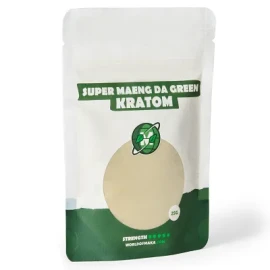
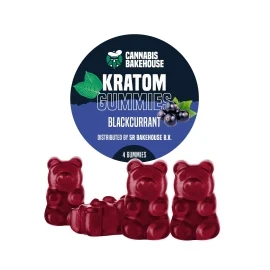
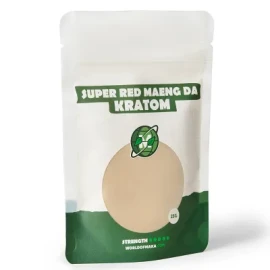
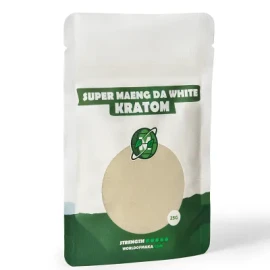
How do people typically use Kratom?
Today, people often use kratom as powders, capsules, or extracts.
Important notes:
• Effects vary widely depending on dose and strain.
• Higher doses can increase risks like nausea, dizziness, and dependency.
• Mixing kratom with alcohol, opioids, benzodiazepines, or other sedatives can be dangerous.
• It is not medically approved in most countries, so anyone considering it should research risks carefully.
What are the effects of Kratom?
• Low doses may feel stimulating or energizing.
• Higher doses may feel sedating, numbing, or calming.
Reported short-term effects include:
• Increased alertness
• Mild euphoria
• Reduced perception of pain
• Relaxation or drowsiness
Risks and side effects may include:
• Nausea and vomiting
• Rapid heartbeat
• Constipation
• Dependency and withdrawal
• Mood changes or irritability
Because of these risks, kratom should be used cautiously.
What does Kratom actually consist of?
The two most notable are:
• Mitragynine
• 7-hydroxymitragynine (7-HMG)
These compounds interact with various receptors — including opioid receptors — which can produce stimulating or opioid-like effects.
This also explains why dependency and withdrawal can occur with frequent use.
What is the history of Kratom?
Traditionally, it was used by laborers to:
• Reduce fatigue
• Increase stamina
• Ease physical aches
• Promote social relaxation
It has also appeared in herbal and ritual contexts.
In modern times, kratom spread to Western markets as an unregulated supplement, raising medical and legal concerns due to potential risks.
Can Kratom help with depression?
However:
• Kratom is NOT an approved treatment for depression.
• Regular use can worsen mental health by causing dependency.
• Withdrawal may cause anxiety, low mood, and sleep issues.
Anyone experiencing depression should seek professional mental-health support — safer and clinically tested treatments exist.
Which type of Kratom should I buy?
• White vein – often described as stimulating
• Green vein – often described as balanced
• Red vein – often described as sedating
These effects are anecdotal and vary widely.
Before considering any product, research your local laws and understand potential health risks such as dependency, interactions, and withdrawal.