




Most Common Cannabis Growing Mistakes and How to Avoid Them

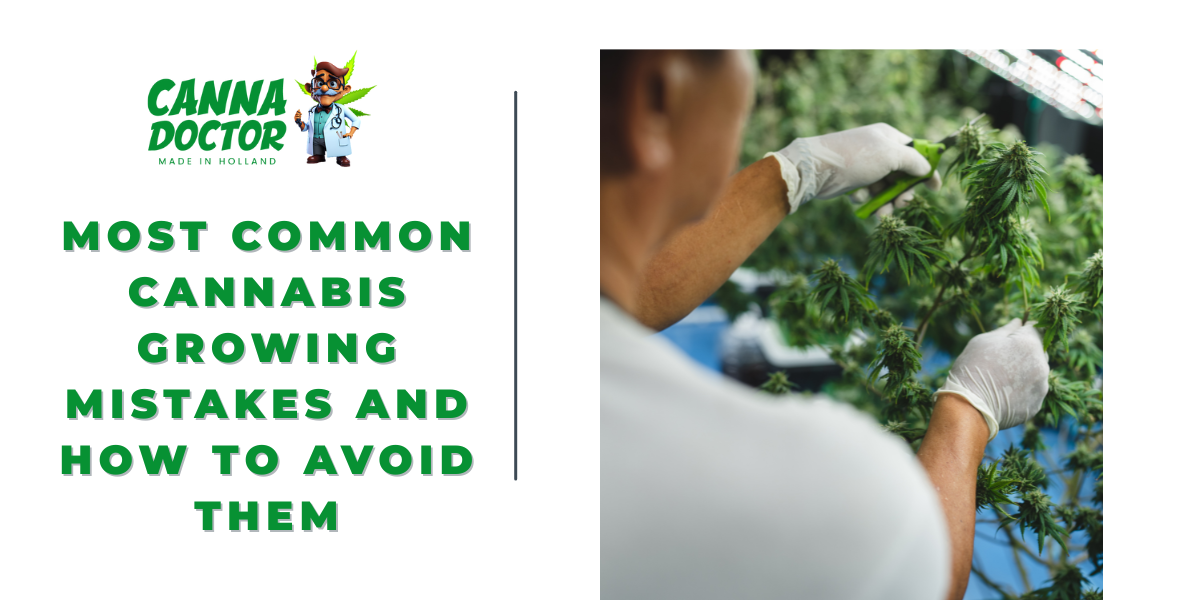
Growing cannabis can be incredibly rewarding, but the path from seed to harvest is littered with potential pitfalls. Whether you’re cultivating for personal wellness or exploring the therapeutic benefits of medical cannabis, understanding common mistakes can save you time, money, and frustration. This comprehensive guide walks you through the most frequent errors growers make and provides actionable solutions to keep your plants thriving.
Understanding the Foundation: Why Mistakes Happen
Before diving into specific problems, it’s worth noting that cannabis cultivation requires balancing multiple variables simultaneously. Light, water, nutrients, airflow, humidity, and temperature all interact in complex ways. A mistake in one area often triggers problems elsewhere. The good news? Most issues are preventable with proper knowledge and attention to detail.
For those new to cannabis cultivation, especially medical marijuana patients in Florida looking to understand their medicine better, mastering these fundamentals helps you appreciate the care that goes into producing quality cannabis.
Overwatering vs. Underwatering: Finding the Balance
Water management represents the single most common stumbling block for new growers. Cannabis roots need oxygen just as much as they need water, and finding the right balance takes practice.
Recognizing the Symptoms
Overwatered plants display yellowing lower leaves, swollen or bloated-looking stems, and a general appearance of being waterlogged. The leaves may feel soft and limp, drooping downward in a characteristic curve. Paradoxically, underwatered plants also droop, but their leaves feel dry and papery, with crispy edges and a wilted appearance that perks up quickly after watering.
The Quick Fix
Check your soil moisture before every watering. The top inch should feel dry to the touch before you water again. Invest in pots with proper drainage holes, and when you do water, do it thoroughly until you see runoff from the bottom. Then wait. Resist the urge to water on a fixed schedule. Your plants will tell you when they’re thirsty.
Advanced Approach
Consider using a soil moisture meter to remove guesswork. These inexpensive tools provide objective readings of moisture levels at different depths. Indoor growers typically need to water less frequently than outdoor cultivators due to reduced evaporation. Pay attention to environmental factors like temperature, humidity, and airflow, all of which affect how quickly your medium dries out.
The reality is simple: more cannabis plants die from overwatering than almost any other cause. New growers tend to show their love through excessive watering. Your plants need periods of relative dryness to develop strong, oxygen-rich root systems.
Nutrient Burn, Deficiencies, and pH Imbalance
Feeding your plants seems straightforward until you realize that cannabis has specific nutritional needs that change throughout its lifecycle. Too much, too little, or the wrong pH can all create serious problems.
Reading the Warning Signs
Nutrient burn appears as crispy, brown-tipped leaves, often accompanied by unusually dark green foliage. The tips look almost scorched. Deficiencies show up differently depending on which nutrient is lacking. General yellowing, especially in older leaves, suggests nitrogen deficiency. Purple stems might indicate magnesium deficiency. Interveinal chlorosis (yellowing between leaf veins while veins stay green) often points to iron or manganese issues.
pH problems create a deceptive situation where your plants show multiple deficiency symptoms despite regular feeding. This happens because incorrect pH levels lock out nutrients, making them unavailable to the plant even though they’re present in the soil.
The Solution Path
Start conservatively with nutrients, using half the recommended dose on the bottle. Cannabis marketing often leads manufacturers to suggest higher concentrations than necessary. Invest in a quality pH meter and test every single time you feed or water. For soil grows, aim for 6.0 to 7.0. Hydroponic systems need tighter control between 5.5 and 6.5.
If you’ve overfed and see nutrient burn, flush your growing medium with pH-balanced water (two to three times the pot volume) to wash out excess salts, then resume feeding at a lower concentration.
Pro-Level Calibration
Test your source water for both pH and electrical conductivity (EC) before adding anything. Municipal water chemistry varies, and well water can be even more unpredictable. Recalibrate your pH and EC meters monthly using proper calibration solutions. Meters drift over time, and an inaccurate reading can send you down the wrong troubleshooting path for weeks.
Silent pH drift causes more mysterious plant problems than almost anything else. You think you’re feeding correctly, but your meter is lying to you.
Lighting Problems: Too Much, Too Little, Wrong Timing
Light is energy for your plants, but the wrong intensity, spectrum, or photoperiod can severely impact growth and yield.
Identifying Light Issues
Plants stretching tall with long distances between nodes (internodal spacing) aren’t getting enough light. They’re literally reaching for more energy. Conversely, bleached white or yellow spots on upper leaves indicate light burn from excessive intensity or fixtures placed too close. Stunted flower development often results from incorrect light cycles or spectrum.
Dialing It In
During vegetative growth, provide 18 hours of light and 6 hours of darkness (18/6 cycle). When you’re ready to trigger flowering, switch to 12 hours light and 12 hours dark (12/12). Maintain this schedule religiously. Position LED lights 18 to 24 inches from your canopy, adjusting as plants grow. High-intensity discharge (HID) lights may need greater distance. Watch your plants daily and raise lights if you see any bleaching.
Spectrum and Intensity Refinement
Cannabis responds to different light spectrums during different growth phases. Cooler, blue-heavy light (5000-6500K) promotes vegetative growth and keeps plants compact. Warmer, red-heavy light (2700-3000K) encourages flowering and resin production. Many modern LED systems allow spectrum adjustment throughout the grow.
Check religiously for light leaks during the flowering dark period. Even small amounts of light pollution can interrupt flowering hormones, causing plants to re-vegetate or develop hermaphroditic traits. Your flowering room should be absolutely dark during lights-off periods.
Research shows that improper lighting can reduce final yield by 40 percent or more, making it one of the most impactful variables in your grow.
Airflow and Humidity Errors
Stagnant air and incorrect humidity levels create perfect conditions for mold, mildew, and pest infestations while weakening plant structure.
Spotting the Problems
Powdery mildew, bud rot, or other fungal issues almost always indicate humidity and airflow problems. Weak, spindly stems that can’t support their own weight suggest inadequate air movement. Curling leaf tips can also signal humidity stress.
Creating the Right Environment
Install oscillating fans to keep air moving gently across your canopy. Plants should sway slightly but not whip around violently. Ensure regular air exchange in your grow space; stale air accumulates CO2 depletion and humidity. During vegetative growth, maintain relative humidity (RH) between 55 and 70 percent. Drop this to 40 to 50 percent during flowering to prevent mold.
Advanced Environmental Control
For enclosed growing spaces, carbon filters serve double duty: controlling odor and helping manage airflow. In humid climates like Florida, dehumidifiers become essential during flowering. Monitor different areas of your grow space separately. Corners and areas near walls often have different microclimates than the center of your room.
Poor ventilation stands as a primary catalyst for both pest problems and fungal infections. Prevention through proper airflow costs far less than treating an infestation.
Training and Pruning: The Stress Management Challenge
Plant training techniques like topping, low-stress training (LST), and defoliation can dramatically improve yields, but aggressive or poorly timed intervention can set your plants back weeks.
Common Training Mistakes
Major defoliation during late flowering removes the solar panels your plants need for bud development. Topping or high-stress techniques performed too close to the flowering transition don’t allow adequate recovery time. Using dirty or dull tools can introduce pathogens or cause jagged wounds that heal slowly.
Training Done Right
Perform training and pruning during early to mid vegetative growth, allowing at least 5 to 7 days of recovery before any major transition. Always sterilize your scissors or pruning shears with rubbing alcohol before making cuts. Clean cuts heal faster and resist infection better than ragged tears.
Gentle vs. Aggressive Methods
Low-stress training, where you gently bend and tie branches to create an even canopy, produces excellent results without the recovery time required by high-stress techniques. Supercropping (deliberately damaging stems to create knuckles) and heavy topping work well for experienced growers but can shock plants if done incorrectly or at the wrong time.
Think of your plants as living organisms that need time to heal. Every training session is a controlled injury that triggers growth responses, but only if the plant has the energy and time to respond properly.
Environment-Specific Challenges: Indoor, Outdoor, Greenhouse
Your growing environment fundamentally changes which problems you’ll encounter and how you’ll solve them.
Outdoor Growing Realities
Outdoor cultivators face weather unpredictability, pest pressure from the entire ecosystem, variable soil quality, and potential security concerns. You can’t control the sun’s photoperiod or prevent a sudden rainstorm. However, outdoor growing offers natural sunlight, larger potential plant sizes, and lower overhead costs.
Indoor Growing Variables
Indoor environments give you complete control over light cycles, temperature, and humidity, but they require constant monitoring. Odor management becomes critical, and the need for climate control equipment increases costs. Small mistakes in enclosed spaces can cascade quickly without natural buffers.
Greenhouse Growing: The Hybrid Approach
Greenhouses combine outdoor sun exposure with protected growing conditions, but they create unique challenges with heat buildup and condensation. You’ll need to balance natural photoperiods with supplemental lighting, manage ventilation carefully, and watch for condensation-related mold issues.
Adaptation Strategies
Outdoor growers should select pest-resistant genetics suited to their climate and use mulch to buffer root zone temperatures and moisture. Indoor growers must monitor multiple microclimates within their space, as temperature and humidity can vary significantly from one corner to another. Greenhouse cultivators should install shade cloth for hot months and check daily for condensation buildup on walls and ceiling.
Regardless of environment, adapt your care based on actual conditions rather than following generic feeding and watering schedules designed for different setups.
Cloning and Genetics Mistakes
Propagation problems can undermine entire grows before they even start. Cloning allows you to preserve genetics and maintain consistency, but it requires attention to detail.
Where Cloning Goes Wrong
Selecting unhealthy or stressed mother plants passes problems to the next generation. Cutting stems that are too thick, too thin, or lack adequate nodes reduces rooting success. Failing to maintain high humidity in your cloning dome causes cuttings to dry out before roots develop.
The Proper Protocol
Only take clones from healthy, vigorously growing mother plants that are at least two months old. Use a sterile, sharp razor blade to make clean 45-degree cuts just below a node. Apply rooting hormone (gel or powder) immediately. Maintain 75 to 90 percent humidity in your propagation dome or chamber until roots appear, typically 7 to 14 days.
Fine-Tuning Success Rates
Monitor and adjust the pH of your cloning solution to 5.8 to 6.0 for optimal root development. Provide gentle light (fluorescent or low-intensity LED) but avoid strong light that causes transpiration stress. Keep your cloning area warm, around 72 to 78°F.
Inconsistent cloning techniques produce variable results. Develop a standardized protocol and track your success rate with different strains, adjusting variables systematically to improve results.
Harvest Timing, Drying, and Curing Mistakes
After months of careful cultivation, poor harvest timing or post-harvest handling can dramatically reduce quality and potency.
Reading Readiness
The most reliable harvest indicator is trichome color. Using a jeweler’s loupe or pocket microscope, examine the mushroom-shaped trichomes on your buds. When 50 to 70 percent appear cloudy or milky (rather than clear or amber), you’ve hit the peak potency window. Pistils (the hair-like structures) should be mostly darkened and curled inward.
The Harvest Window
Harvest during the dark period or in low light to preserve terpene content. Handle buds gently to avoid knocking off trichomes. Trim carefully, removing large fan leaves but preserving smaller sugar leaves if desired.
Drying and Curing Fundamentals
Dry your harvest slowly in a dark room at 60 to 70°F with 45 to 55 percent relative humidity. This process should take 7 to 14 days. Buds are ready for curing when small stems snap rather than bend. Place dried buds in glass jars, filling them 75 percent full. For the first two weeks, open jars daily to release moisture (this is called burping). After two weeks, reduce burping frequency. Proper curing takes a minimum of four weeks but can continue for months.
Rushing the drying process creates harsh smoke and reduces potency. Curing allows chlorophyll to break down and terpenes to develop their full aromatic profile.
Rare but Costly Mistakes
Some errors don’t appear on every beginner’s list but can devastate your crop when they occur.
Overtraining and Extreme Defoliation
Removing too much foliage or performing aggressive training late in the cycle can trigger stress responses, including hermaphroditism, where plants develop both male and female flowers. This stress response ruins unfertilized buds. Avoid extreme manipulation, especially during late vegetative growth and flowering.
Root Disturbance
Cannabis roots are sensitive to damage. Rough handling during transplanting can shock plants and stunt growth for weeks. Transplant when soil is slightly moist (not saturated or bone dry), minimize root exposure to air and light, and handle the root ball gently.
Meter Miscalibration
pH and EC meters drift over time, providing false readings that send you down the wrong troubleshooting path. Recalibrate monthly using proper calibration solutions. When strange symptoms appear and nothing makes sense, suspect your meters first.
Inconsistent Cloning Practices
Without standardized procedures, you’ll never know which variables contribute to success or failure. Create a cloning protocol and stick to it, changing only one variable at a time when troubleshooting.
Light Leaks and Photoperiod Confusion
Unintentional light exposure during the dark period can cause flowering plants to revert to vegetative growth or develop hermaphroditic flowers. Check for absolute darkness during flowering lights-off periods. Even LED indicator lights on equipment can cause problems.
Troubleshooting: A Diagnostic Approach
When problems appear, systematic diagnosis saves time and prevents making issues worse.
Start with the Symptom
Yellowing leaves with drooping stems and wet soil? You’re likely overwatering. Let the medium dry out significantly before the next watering.
Brown, crispy leaf tips with dark green foliage? Classic nutrient burn. Flush your medium and reduce feeding concentration by half.
Yellowing between leaf veins while veins remain green? This interveinal chlorosis suggests micronutrient deficiency, often caused by pH lockout. Check and adjust your pH immediately.
Stunted growth and pale, weak plants? Examine your lighting intensity and spectrum, then verify pH levels.
Mold or rot appearing on buds? Your humidity is too high and airflow insufficient. Increase ventilation, reduce humidity, and remove affected material immediately.
Ask the Right Questions
When did symptoms first appear? What changed in your routine before symptoms started? Is the problem affecting the whole plant or specific areas (top, bottom, new growth, old growth)? What are your environmental conditions (temperature, humidity, light schedule)? When did you last calibrate your meters?
Prevention Checklist for Each Growth Stage
Different growth phases require different attention. Here’s what to monitor at each stage.
Seedling Stage
Use gentle lighting to avoid stretching but prevent burning. Water carefully, keeping the medium moist but never soggy. Maintain soil temperature between 70 and 75°F. Test water pH before every watering. Protect seedlings from drafts and temperature swings.
Vegetative Stage
Confirm your light cycle runs correctly at 18/6. Monitor for excessive stretching or compact growth. Adjust fan speed to create gentle stem movement that strengthens plant structure. Gradually increase nutrient concentration as plants grow. Scout for pests and disease weekly. Watch for rapid, potentially problematic overgrowth that might require training.
Flowering Stage
Switch precisely to 12/12 light cycles. Increase red spectrum light if your system allows. Lower humidity to 40 to 50 percent to prevent bud rot. Increase ventilation and air exchange. Avoid any pruning or training after the first two weeks of flowering. Inspect plants daily for hermaphroditic flowers, pests, and mold development.
Pre-Harvest
Examine trichomes regularly with magnification. Plan your drying space, ensuring proper temperature and humidity control. Reduce nutrient feeding and flush plants with plain, pH-balanced water approximately one week before harvest. Prepare trimming tools and storage containers.
Moving Forward with Confidence
Growing cannabis successfully requires patience, observation, and willingness to learn from mistakes. Every grower, from novice to expert, has killed plants, misdiagnosed problems, and learned through trial and error. The key is approaching cultivation systematically, making changes deliberately, and keeping detailed records of what works and what doesn’t.
For medical marijuana patients in Florida working with programs like those offered through medical cannabis certification services, understanding cultivation helps you appreciate the care and expertise that goes into producing your medicine. While home cultivation regulations vary by state, the knowledge of how cannabis grows enhances your relationship with this remarkable plant.
Start with quality genetics, maintain consistent environmental conditions, feed conservatively, and give your plants time to respond to any changes you make. Most importantly, enjoy the process. Cannabis cultivation is as much an art as it is a science, and the journey from seed to harvest offers continuous opportunities for learning and improvement.