




How to Choose the Right Wellness Supplement: A Complete, Science-Backed Guide

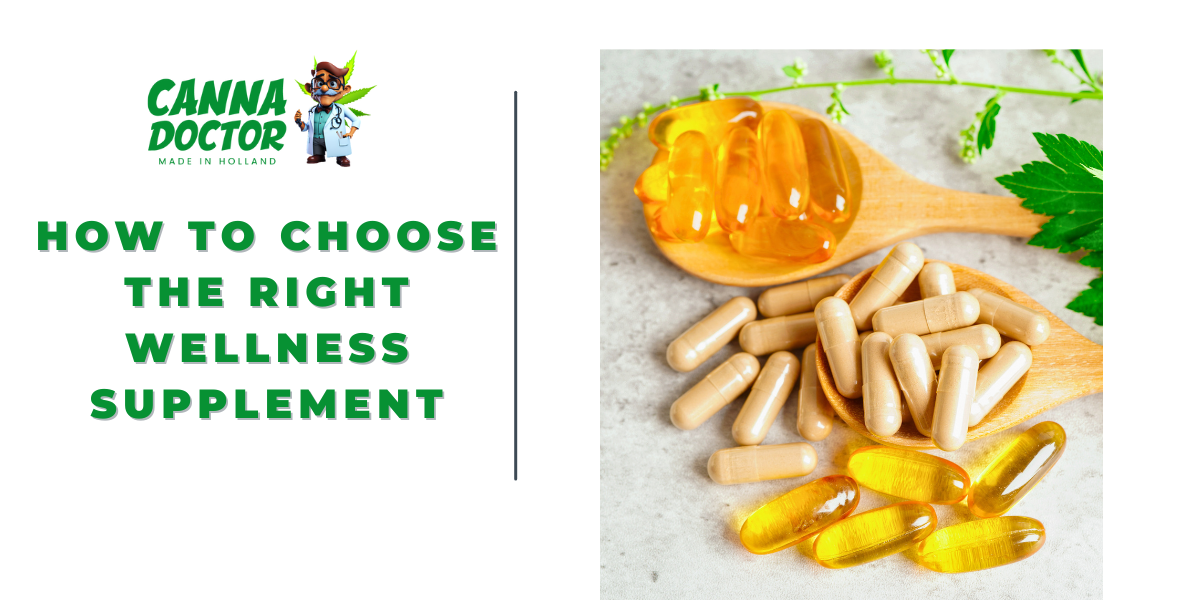
Navigating the wellness supplement aisle can feel overwhelming. With thousands of products promising everything from boundless energy to perfect gut health, how do you separate legitimate science from clever marketing? This comprehensive guide will walk you through the entire process of selecting supplements that truly match your needs, backed by evidence and aligned with your personal health journey.
Assess Your Personal Wellness Goals
Before you invest a single dollar in supplements, take a step back and honestly evaluate what you’re trying to achieve. The supplement that transforms your neighbor’s energy levels might do absolutely nothing for you if your bodies have different needs.
Start by asking yourself specific questions: Are you constantly fatigued by 3 PM? Do you catch every cold that circulates through your office? Is your digestion unpredictable? Are you managing chronic stress that’s affecting your sleep? Each of these scenarios points toward different nutritional gaps that supplements might address.
Your life stage matters tremendously here. A 25-year-old athlete training for marathons has vastly different nutritional demands than a 55-year-old woman navigating menopause. Similarly, if you’re pregnant, managing a chronic condition, or recovering from illness, your supplement strategy needs to reflect those realities.
Consider keeping a symptom journal for two weeks before shopping for supplements. Track your energy levels, mood fluctuations, digestive patterns, and sleep quality. These patterns will reveal far more about your actual needs than any generic “wellness quiz” ever could. You might discover that your afternoon energy crash correlates with skipped meals rather than a magnesium deficiency, or that your poor sleep stems from screen time rather than melatonin levels.
The most effective supplement regimen starts with clarity about your baseline health and specific, measurable goals. “Feel better” is too vague. “Reduce afternoon energy crashes by supporting steady blood sugar” or “strengthen immune response during cold season” gives you something concrete to work toward and measure.
Ingredient Quality and Evidence-Based Efficacy
Once you’ve identified your goals, it’s time to become a discerning ingredient detective. This is where most consumers get led astray by flashy labels and bold promises.
When you pick up a supplement bottle, flip it over immediately and examine the ingredient list. Quality supplements provide complete transparency: you’ll see every active ingredient listed with its specific amount in milligrams or international units. If you encounter vague terms like “proprietary blend” with no individual quantities disclosed, put it back on the shelf. These blends prevent you from knowing exactly what you’re getting and make it impossible to compare products or assess whether you’re taking therapeutic doses.
Next, investigate the science behind each ingredient. Reputable supplement companies cite peer-reviewed research on their websites or packaging. You don’t need a PhD to evaluate this; simply search “[ingredient name] clinical studies” and look for research published in recognized medical journals. Be skeptical of supplements relying solely on testimonials or “ancient wisdom” without modern clinical validation.
Pay particular attention to bioavailability, which determines how much of an ingredient your body can actually absorb and use. For example, curcumin (from turmeric) has poor bioavailability on its own, but when combined with black pepper extract (piperine), absorption increases dramatically. Magnesium comes in multiple forms, with magnesium glycinate offering superior absorption compared to magnesium oxide. Iron supplements paired with vitamin C absorb more efficiently than iron alone.
Check inactive ingredients as well. Quality supplements minimize fillers, binders, and artificial colors. If you see a long list of unpronounceable chemicals, especially ones linked to allergic reactions or digestive issues, keep looking. Clean-label products typically contain just the active ingredients plus minimal, recognizable excipients needed for manufacturing.
Sustainability and sourcing matter both ethically and practically. Ingredients sourced from polluted environments or processed with harsh chemicals may contain contaminants that undermine their benefits. Look for brands that transparently share where their ingredients come from, how they’re grown or harvested, and what quality controls ensure purity. Certifications like USDA Organic, Rainforest Alliance, or Fair Trade provide some assurance, though they’re not foolproof.
Certifications and Third-Party Testing
Supplement manufacturing operates under different regulations than pharmaceuticals. The FDA doesn’t pre-approve supplements for safety or efficacy, which places the burden of verification squarely on manufacturers and consumers. This is where third-party certifications become your safety net.
USP (United States Pharmacopeia) verification is among the most rigorous. Products bearing the USP Verified mark have undergone testing to confirm they contain the ingredients listed on the label in the declared amounts, will dissolve properly for absorption, have been screened for harmful contaminants, and were manufactured under safe, sanitary conditions using well-controlled procedures.
NSF International offers similar independent testing and certification. Their protocols verify ingredient accuracy, screen for contaminants including heavy metals and microbes, and audit manufacturing facilities for compliance with Good Manufacturing Practices (GMP). GMP certification itself, while less comprehensive than USP or NSF, at least confirms basic manufacturing quality standards.
For those avoiding genetically modified ingredients, the Non-GMO Project Verified seal provides assurance. If you’re vegan or vegetarian, look for certified vegan symbols, as many supplements contain animal-derived ingredients in capsules or as processing aids.
Some premium brands publish Certificates of Analysis (COAs) for each product batch on their websites. These laboratory reports detail exactly what third-party testing found in that specific production run. While not required, this level of transparency demonstrates exceptional commitment to quality and accountability.
Don’t assume that expensive equals certified or that “natural” means tested. Some budget brands invest heavily in third-party verification, while some luxury wellness brands rely primarily on marketing. Always verify rather than assume.
Understanding Personalization: Matching Supplements to Your Life
The one-size-fits-all approach to supplementation is increasingly outdated. Your unique biology, lifestyle, diet, and genetics all influence which supplements will benefit you and which might be unnecessary or even counterproductive.
Start with your dietary pattern. If you follow a strict vegan diet, you’re at higher risk for B12, iron, omega-3, and zinc deficiencies, making supplementation in these areas particularly important. Someone eating a varied omnivorous diet rich in vegetables, quality proteins, and healthy fats might need far fewer supplements overall. Those on ketogenic diets may require electrolyte supplementation, while people eating high-fiber plant-based diets often need less digestive support.
Food allergies and intolerances also shape your supplement needs. If you’re lactose intolerant and avoid dairy, calcium and vitamin D supplementation becomes more relevant. Celiac disease or gluten sensitivity can impair nutrient absorption, potentially creating needs for broader nutritional support even when diet seems adequate.
Your activity level significantly impacts requirements. Athletes and highly active individuals burn through B vitamins, magnesium, and electrolytes faster than sedentary people. Those engaged in intense resistance training may benefit from protein supplementation, creatine, or branched-chain amino acids, while someone doing gentle yoga likely needs none of these.
Geographic location influences vitamin D status based on sunlight exposure. If you live in northern latitudes or spend most daylight hours indoors, vitamin D supplementation often makes sense. Similarly, if you live in an area with selenium-poor soil, supplementation might compensate for dietary gaps.
Emerging personalized supplement services use various assessment tools to refine recommendations. Some employ detailed questionnaires about symptoms, lifestyle, and health history. Others incorporate at-home blood tests measuring nutrient levels, inflammatory markers, or metabolic indicators. The most sophisticated services integrate genetic testing to identify how your body processes certain nutrients, though the clinical utility of nutrigenomics remains an evolving science.
While personalization tools can be valuable, approach them with appropriate skepticism. A comprehensive blood panel interpreted by a knowledgeable healthcare provider offers more reliable insight than an algorithm making assumptions based on limited data. Consider professional-grade assessment tools as helpful starting points rather than definitive answers.
Recognize and Avoid Common Supplement Mistakes
Even well-intentioned supplement users make errors that waste money, reduce effectiveness, or occasionally create health risks. Awareness of these pitfalls helps you avoid them.
The most serious mistake involves interactions between supplements and medications or between supplements and existing health conditions. St. John’s Wort, for instance, interferes with numerous prescription medications including birth control, antidepressants, and blood thinners. High-dose vitamin K can reduce the effectiveness of warfarin. Even seemingly innocent supplements like grapefruit seed extract or ginkgo biloba can cause dangerous interactions.
Before starting any new supplement, especially if you take prescription medications, consult your healthcare provider or pharmacist. Use interaction-checking tools available through reputable sources like the NIH Office of Dietary Supplements or pharmacist-reviewed databases. This precaution is absolutely essential for anyone managing chronic conditions, taking multiple medications, pregnant or nursing, or preparing for surgery.
“Natural” does not automatically mean safe. Many potent pharmaceutical drugs derive from plants, and concentrated herbal supplements can cause significant physiological effects, both intended and unintended. Approach herbal supplements with the same caution you’d apply to any medication, particularly concerning dosing and duration of use.
Dosing errors happen frequently. Taking more than recommended doses rarely provides additional benefits and often increases side effects or toxicity risk. Fat-soluble vitamins (A, D, E, K) accumulate in body tissues and can reach toxic levels with chronic over-supplementation. Even water-soluble vitamins like B6 can cause nerve damage at excessive doses despite being excreted in urine.
The opposite problem, taking supplements in doses too low to provide therapeutic benefit, wastes money without delivering results. Research the clinically effective dose for your target ingredient and ensure your supplement provides it. A turmeric supplement containing 50mg of curcumin won’t deliver the anti-inflammatory benefits seen in studies using 500-1000mg daily.
Product stacking creates risks of ingredient overlap and over-supplementation. If you take a multivitamin, an immune support formula, and a B-complex supplement, you’re likely getting three times the B vitamins you need. Chart all your supplements and add up the total daily intake of each nutrient to ensure you’re not accidentally mega-dosing.
Pay attention to timing and food interactions. Some supplements absorb best with food, particularly fat-soluble vitamins which need dietary fat for absorption. Others, like certain minerals, compete for absorption if taken together. Iron and calcium interfere with each other’s absorption when taken simultaneously. Probiotics may be destroyed by stomach acid if taken with meals in some cases, while others are specifically formulated to survive regardless of timing.
Comparing Supplement Formats, Pricing, and Value
Supplements come in numerous formats, each with advantages and limitations. Choosing the right delivery method for your needs affects both effectiveness and adherence.
Capsules and tablets remain the most common format. They’re portable, shelf-stable, tasteless, and allow precise dosing. Capsules dissolve quickly, releasing ingredients faster than compressed tablets, though some tablets use time-release formulations for sustained nutrient delivery. Vegetarian capsules serve those avoiding animal products, as standard capsules often contain gelatin.
Gummies have surged in popularity, particularly among those who dislike swallowing pills. However, they typically contain added sugars and may provide lower doses per serving due to space limitations. Heat sensitivity can degrade nutrients in gummies during shipping or storage. They also pose a risk if left accessible to children who might eat them like candy.
Powders offer flexibility in dosing and easy mixing into beverages or food. They often provide better value per serving and work well for people who struggle with pills or need higher doses. The downside includes taste concerns, preparation inconvenience, and shorter shelf life once opened. Powders work particularly well for protein supplements, greens blends, and electrolyte formulas.
Liquid supplements promise superior absorption, though this advantage varies by ingredient. Liquids eliminate concerns about capsule dissolution but require careful measurement, refrigeration in some cases, and often have shorter expiration dates. Sublingual (under-tongue) liquids like B12 sprays can bypass digestive processes for more direct absorption.
Soft gels containing oil-based nutrients like omega-3s or vitamin E protect these fragile ingredients from oxidation and may enhance absorption. They’re not suitable for those with fish or soy allergies if derived from these sources.
When evaluating price, calculate cost per serving rather than cost per bottle. A $15 bottle providing 30 servings costs $0.50 daily, while a $40 bottle with 120 servings costs just $0.33 daily, making it the better value despite higher upfront cost. Compare the actual amount of active ingredients per serving across brands. A cheap vitamin D supplement providing 400 IU per capsule is no bargain compared to a moderately priced option delivering 2000 IU if you need higher doses for deficiency correction.
Generic or store-brand supplements can offer excellent value if they maintain quality standards. Check for the same third-party certifications and compare ingredient lists with name brands. Often, you’re paying primarily for marketing and packaging with premium brands, not superior formulation.
Be wary of supplements that seem suspiciously inexpensive. Quality ingredients, ethical sourcing, rigorous testing, and proper manufacturing all cost money. Rock-bottom prices may indicate corners cut somewhere in the supply chain, potentially compromising purity, potency, or safety.
Measuring Supplement Effectiveness Over Time
Supplements aren’t like pharmaceutical drugs with immediate, obvious effects. Most work subtly over weeks or months, making systematic tracking essential for evaluating whether they’re worth continuing.
Establish a baseline before starting new supplements. Document your current symptoms, energy patterns, sleep quality, mood, and any relevant health markers. If possible, get lab work done measuring nutrient levels, inflammatory markers, or other relevant biomarkers before supplementation begins.
Give supplements adequate time to work. Most vitamins and minerals require 4-8 weeks of consistent use before noticeable effects emerge. Adaptogenic herbs and some specialized nutrients may need 8-12 weeks. Don’t abandon a supplement after just a week or two unless you experience adverse reactions.
Keep a simple log tracking your target symptoms or goals. Rate your energy, mood, pain levels, or sleep quality on a 1-10 scale daily for the first month, then weekly thereafter. Note any changes in frequency or severity of issues you’re trying to address.
After 30 days, conduct an honest assessment. Are you noticing the improvements you hoped for? Are symptoms heading in the right direction, even if not fully resolved? Consider that some benefits might be subtle or preventive rather than immediately perceptible, like immune support supplements that reduce illness frequency over a full season rather than providing obvious daily effects.
At 60-90 days, repeat any relevant lab testing to see objective changes in nutrient status or health markers. This provides concrete data beyond subjective symptom tracking.
If you’re not seeing expected benefits after an adequate trial period, troubleshoot before abandoning the approach entirely. Are you taking the right dose? Is timing optimal for absorption? Could poor product quality be the issue? Sometimes switching brands or adjusting how you take a supplement makes the difference.
Recognize when to stop. If a supplement causes digestive upset, headaches, or other side effects that persist beyond the first week, discontinue use. If you experience zero benefit after a thorough trial despite choosing quality products at appropriate doses, the supplement may not match your actual needs.
Be aware that needs change over time. A supplement that served you well during a stressful period or seasonal illness pattern might become unnecessary once circumstances shift. Periodically reassess your entire regimen rather than taking supplements indefinitely by habit.
Sustainability, Sourcing, and Brand Ethics
Your supplement choices ripple beyond personal health to environmental and social impact. As the wellness industry grows, so does its ecological footprint and influence on global supply chains.
Ingredient sourcing practices vary dramatically across brands. Some companies verify sustainable harvesting methods for botanicals, ensuring plant populations aren’t depleted and ecosystems remain intact. Others source from suppliers who clear-cut forests or use agricultural practices that degrade soil and water quality.
Look for brands transparent about their supply chains. Where do their omega-3s come from? Are fish stocks managed sustainably? Is their turmeric sourced from farms using regenerative agriculture? Do they audit suppliers for environmental and labor practices? Companies genuinely committed to sustainability publish detailed sourcing information rather than making vague “eco-friendly” claims.
Packaging represents another significant environmental consideration. Glass bottles are recyclable but heavy, increasing transportation emissions. Plastic is lighter for shipping but rarely recycled effectively. Some innovative brands use biodegradable packaging, refill programs, or minimal packaging designs that reduce waste.
Certified B Corporations undergo rigorous assessment of social and environmental performance, meeting high standards of verified impact. This certification indicates a company balances profit with purpose, considering effects on workers, community, and environment alongside shareholder returns.
Fair Trade certification ensures that farmers and workers receive fair wages and work under safe conditions. This particularly matters for supplements using ingredients from developing countries, where exploitation in agricultural supply chains remains common.
Carbon neutrality commitments show that brands measure and offset their climate impact. While carbon offsets have limitations and don’t eliminate environmental harm, they demonstrate consciousness about climate responsibility.
Consider brand values beyond environmental issues. Some companies donate portions of profits to health access initiatives, medical research, or community wellness programs. Others actively advocate for supplement industry transparency and stronger quality standards.
Evaluate whether a brand’s marketing aligns with evidence-based claims. Companies making outrageous promises or fear-mongering about health issues to sell products prioritize profit over integrity. Brands that educate consumers, acknowledge scientific limitations, and recommend consulting healthcare providers demonstrate ethical practices.
Ultimately, your purchasing power supports certain business models and practices over others. Choosing brands that align with your values beyond product efficacy sends market signals about what consumers prioritize.
Your Personal Supplement Selection Checklist
Before purchasing any wellness supplement, run through this decision framework:
Have you clearly identified the specific health goal or nutrient gap this supplement addresses? Vague wellness goals lead to random supplement collections that drain your budget without delivering results.
Does scientific evidence support this ingredient for your intended purpose? Check for clinical studies, not just traditional use or theoretical mechanisms.
Are all ingredients listed with specific amounts? Avoid proprietary blends that hide what you’re actually getting.
Does the product carry reputable third-party certifications like USP, NSF, or GMP? These verify what’s on the label matches what’s in the bottle.
Have you checked for potential interactions with your medications, health conditions, or other supplements? This step isn’t optional if you take prescription drugs or manage chronic conditions.
Does the format (capsule, powder, liquid, etc.) fit your preferences and lifestyle realistically? The best supplement is the one you’ll actually take consistently.
Have you calculated the cost per serving and compared it with similar products? Make sure you’re getting fair value for the active ingredients you need.
Does the brand demonstrate transparency about sourcing, testing, and manufacturing? Trustworthy companies openly share this information.
Can you commit to taking this supplement consistently for at least 30-60 days to properly evaluate effectiveness? Sporadic use rarely provides meaningful results.
Do you have a plan for tracking whether it’s working? Without measurement, you’re supplementing on blind faith.
This systematic approach transforms supplement selection from overwhelming guesswork into an informed, personalized decision that respects both your health goals and your budget.
Additional Resources for Informed Supplement Choices
Educating yourself through reputable sources empowers better decisions and helps you distinguish science from sales pitches.
The NIH Office of Dietary Supplements maintains comprehensive fact sheets on individual vitamins, minerals, and popular supplement ingredients. These evidence-based resources explain what each nutrient does, who might need supplementation, appropriate dosing, safety concerns, and interactions. Their consumer-friendly format makes complex nutrition science accessible without oversimplification.
ConsumerLab independently tests popular supplement brands and publishes detailed reports comparing products for quality, purity, and value. While full access requires a subscription, their free articles on supplement red flags and buying guides offer valuable consumer protection information.
The Linus Pauling Institute’s Micronutrient Information Center provides exceptionally thorough, research-backed information on vitamins, minerals, and phytochemicals. Their content goes deeper than basic fact sheets, exploring mechanisms of action and current research frontiers while remaining accessible to educated consumers.
For tracking industry trends and understanding the broader supplement market, resources like the Allied Market Research reports on wellness supplements and Vitaquest’s trend analyses offer insight into what’s driving product development and consumer interest. While these are industry-focused rather than consumer advocacy resources, they help you understand market forces shaping the products available to you.
Professional associations like the Council for Responsible Nutrition promote industry standards and provide consumer education materials. While industry-funded, they offer useful perspective on quality manufacturing and responsible marketing practices.
Engaging with these resources alongside this guide equips you to navigate the supplement landscape with confidence, making choices that truly serve your wellness journey rather than just enriching supplement marketers.