





The cannabis vaporizer market has matured into a sophisticated ecosystem where precision engineering meets wellness-focused innovation. Whether you’re exploring vaporization for the first time or looking to upgrade your setup, understanding the fundamental differences between dry herb and concentrate vaporizers will shape your entire cannabis experience. This guide cuts through the marketing noise to deliver practical insights backed by industry data and real-world performance.
What Are Dry Herb and Concentrate Vaporizers?
At their core, vaporizers are devices that heat cannabis materials to temperatures that release cannabinoids and terpenes without combustion. This seemingly simple concept masks significant technical and experiential differences between the two main categories.
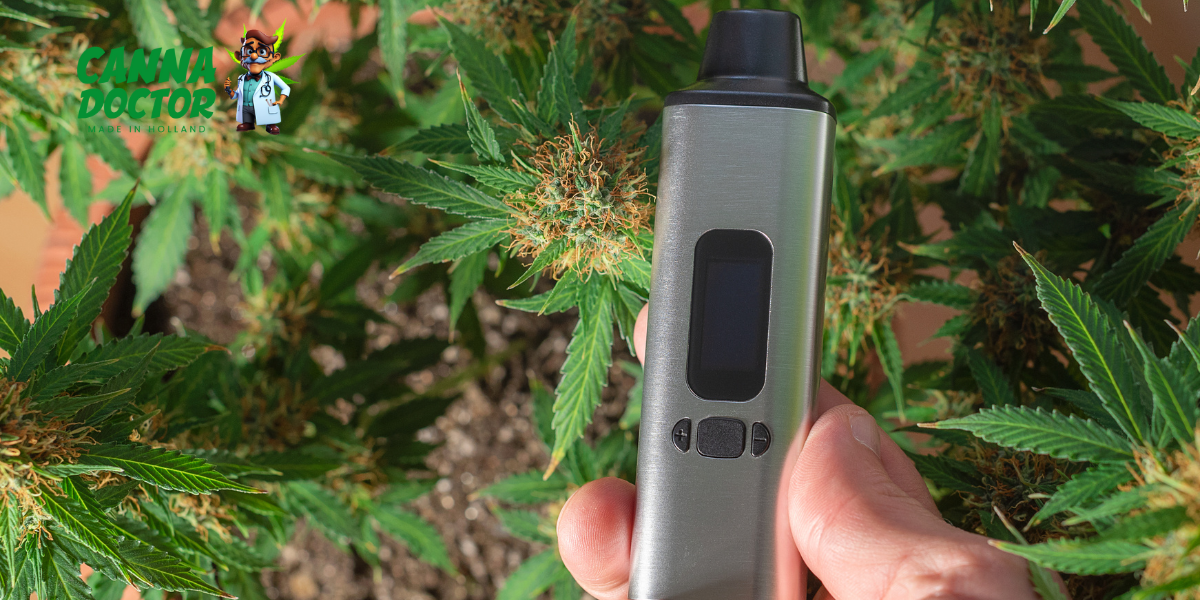
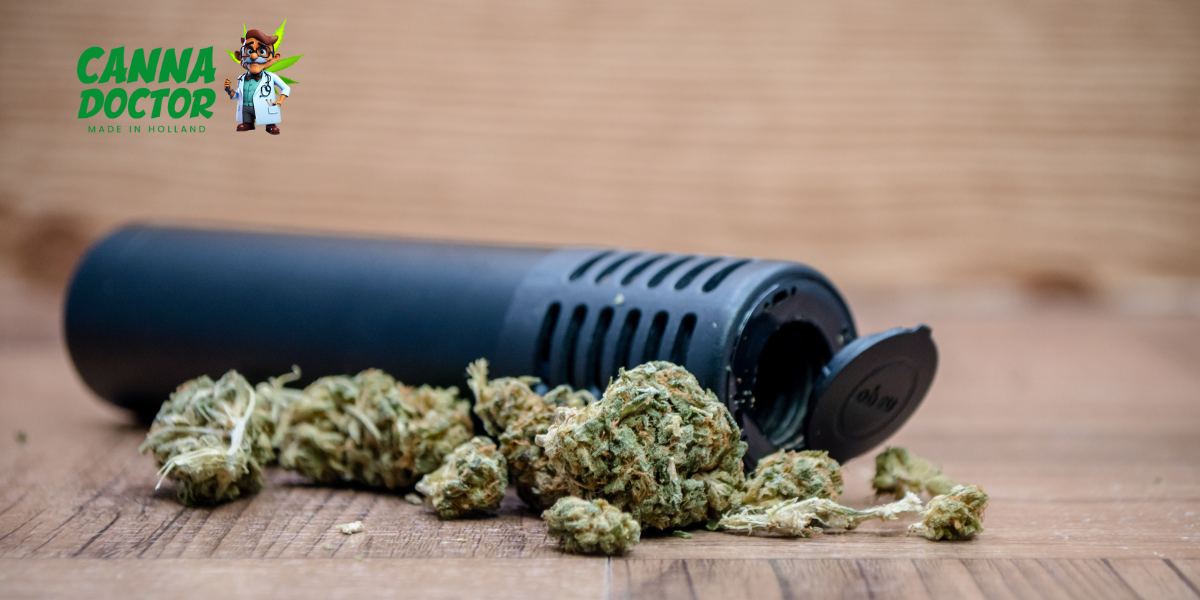
Dry herb vaporizers are engineered specifically for ground cannabis flower. They use carefully calibrated heating chambers (typically ceramic or stainless steel) to extract compounds from plant material. When you load a dry herb vaporizer, you’re working with the same flower you’d recognize from a dispensary, ground to a consistency somewhere between coarse sand and fine tea leaves.
Concentrate vaporizers tackle an entirely different challenge: vaporizing cannabis extracts like wax, shatter, live resin, or oil. These devices employ specialized atomizers with quartz, ceramic, or metal coils designed to handle the sticky, potent nature of concentrates. The engineering requirements differ dramatically from dry herb devices because you’re dealing with substances that are 3-5 times more concentrated than flower.
Both device types share fundamental components: a battery power source, a heating element or chamber, and a mouthpiece or vapor pathway. But how these elements interact with your material creates vastly different user experiences.
How Vaporization Actually Works
The magic of vaporization happens in a precise temperature sweet spot. Cannabis compounds have specific boiling points: THC vaporizes around 315°F, CBD at approximately 356°F, and the terpenes responsible for flavor and aroma release between 310-400°F. Quality vaporizers maintain temperatures within this range, hot enough to liberate these compounds but cool enough to avoid the combustion point of plant material (around 450°F).
When you heat ground flower in a dry herb chamber, hot air or direct heat causes the trichomes (those crystalline structures visible on quality buds) to release their contents as vapor. With concentrates, you’re essentially melting and vaporizing an already-extracted product, which is why they require higher temperatures and different heating surfaces.
Device Categories Beyond the Basics
The vaporizer landscape includes portable units small enough to slip into a pocket, desktop powerhouses designed for home use, and specialized dab pens for concentrate enthusiasts. Portable dry herb vaporizers dominate the market with a projected 61.3% share in 2025, reflecting consumer preference for discretion and mobility.
Desktop units like the medically certified Volcano deliver unmatched vapor quality and volume but sacrifice portability. Dab pens and portable concentrate vaporizers offer the opposite trade-off: maximum discretion and convenience with slightly less control over the experience.
Materials matter more than many users realize. Dry herb vaporizers work with flower containing 10-25% THC by weight, alongside hundreds of other cannabinoids and terpenes. Concentrates push THC levels to 60-80% or higher, with some distillates exceeding 90% purity. This potency difference isn’t just a number; it fundamentally changes dosing, effects, and user expectations.
Technical Differences: Devices, Heating, and Operation
The engineering behind vaporizers reveals why certain devices excel with specific materials. Understanding these technical foundations helps you make informed choices and get better performance from your device.
Heating Methods and Their Trade-offs
Conduction heating works through direct contact between your material and a heated surface. Think of it like cooking on a stovetop. Conduction vaporizers heat faster and cost less to manufacture, but they risk uneven heating. The material touching the chamber walls vaporizes first, potentially leaving the center underutilized. Budget-friendly devices and many concentrate pens use conduction for its speed and simplicity.
Convection heating passes hot air through your material, similar to a convection oven. This method provides more even extraction and superior flavor preservation because the material never touches a heating element directly. Convection requires more sophisticated engineering and draws more battery power, which explains the higher price points of devices like the Mighty+ or premium desktop units. The payoff is consistent vapor quality and efficient material usage.
Hybrid heating systems combine both methods, using conduction to maintain base temperature and convection to finish extraction. This approach, employed by devices like the PAX 3, aims for the best of both worlds: fast heat-up times with even, flavorful vapor.
Temperature Precision and Control
Temperature control separates amateur devices from professional tools. Dry herb vaporization performs best between 320°F and 430°F. The lower end of this range preserves delicate terpenes responsible for flavor and aroma, while higher temperatures extract more cannabinoids but sacrifice some taste. Many enthusiasts start a session at 365°F and gradually increase to 390°F for complete extraction.
Concentrate vaporizers operate in a higher range: 350°F to 550°F. The volatility of extracted oils demands these elevated temperatures, but precision becomes even more critical. Too cool and you waste material; too hot and you risk harsh vapor and potential degradation of cannabinoids.
Modern devices from brands like DaVinci and PAX offer degree-by-degree control via smartphone apps, letting users dial in exact temperatures for specific strains or concentrate types. This isn’t just tech showing off; it’s functional customization that genuinely impacts your experience.
Chamber and Atomizer Engineering
Dry herb chambers are relatively straightforward: a bowl-shaped cavity with even heat distribution. Quality matters in material selection. Ceramic chambers are prized for neutral flavor and even heating. Stainless steel offers durability and fast heat-up. Some premium devices incorporate both, using ceramic for the bowl and stainless for the heating element.
Concentrate atomizers present more complex engineering challenges. Quartz offers the purest flavor but can crack under thermal stress. Ceramic balances flavor and durability. Metal coils (typically titanium or kanthal) heat fastest but may impart slight metallic notes. Each material represents a deliberate trade-off between performance characteristics.
The evolution toward hybrid chambers demonstrates engineering creativity. Devices like the DaVinci IQ2 use removable inserts or separate chambers, allowing the same heating system to accommodate both flower and concentrates. This versatility comes with complexity; you’re essentially carrying two devices in one, which affects both performance optimization and maintenance requirements.
Maintenance Realities
Dry herb vaporizers accumulate plant residue that can be brushed out or burned off at high temperatures. Cleaning involves removing the chamber, brushing away debris, and occasionally wiping down the vapor path with isopropyl alcohol. Well-maintained dry herb devices can last years with minimal performance degradation.
Concentrate vaporizers demand more frequent attention. Sticky residue builds up on coils and atomizer surfaces, affecting both flavor and performance. Many concentrate users keep isopropyl wipes handy for quick cleaning between sessions. Coils eventually burn out and require replacement every few months with regular use, adding to long-term costs.
Battery performance varies significantly based on heating method and material type. Conduction devices typically offer 6-10 sessions per charge. Convection systems, working harder to heat air, may deliver 4-6 sessions. Concentrate vaporizers generally last longer between charges because sessions are shorter, though high-power dab rigs drain batteries quickly during use.
Potency, Flavor, and User Experience
The sensory and psychoactive experience of vaporizing differs dramatically between dry herb and concentrates. These differences shape not just what you feel, but how you interact with cannabis as a ritual and wellness tool.
The Flavor Spectrum
Dry herb vaporizers excel at capturing the full aromatic complexity of cannabis. When you vaporize quality flower at optimal temperatures, you’re experiencing the plant’s complete terpene profile. Different strains reveal distinct personalities: the citrus punch of a Lemon Haze, the earthy depth of an OG Kush, the floral notes of Lavender. Connoisseurs often compare the experience to wine tasting, where subtle variations in growing conditions and genetics create unique flavor signatures.
Lower temperature sessions (320-365°F) emphasize flavor at the expense of visible vapor production. This range captures the most volatile terpenes before they degrade. As you increase temperature, vapor density increases but flavor becomes more generic, eventually taking on a toasted or popcorn-like character as you approach the upper limits of the range.
Concentrate flavor depends heavily on extraction quality and type. Well-made live resin or rosin can preserve remarkable terpene profiles, sometimes more intense than flower because you’re experiencing concentrated aromatics. However, lower-quality concentrates processed with harsh solvents may taste chemical or flat. The concentrate experience tends toward intensity over nuance; you get powerful hits of flavor rather than the layered complexity dry herb offers.
Potency and Effect Profiles
The THC content difference between flower (10-25%) and concentrates (60-80%+) translates to profoundly different experiences. A typical dry herb session might consume 0.1-0.3 grams of flower, delivering roughly 15-45mg of THC over multiple draws. Effects build gradually, allowing you to gauge your comfort level and stop when you reach your desired state.
Concentrate sessions are a different animal. A single small dab (0.05 grams of 70% THC concentrate) delivers approximately 35mg of THC in one or two hits. The onset is faster and the peak more intense. For medical patients seeking rapid symptom relief, this efficiency is invaluable. For recreational users or those with lower tolerance, it can be overwhelming.
This potency gap makes dosing control fundamentally different. Dry herb vaporizers naturally support microdosing and gradual titration. You can take a draw or two, wait to feel effects, and decide whether to continue. Concentrates require more discipline and experience. Many new users overdo it simply because they underestimate how quickly effects will manifest.
The Session Experience
Dry herb vaporization is inherently more contemplative and ritualized. You grind your flower (grind consistency matters more than many realize), load the chamber with care, and settle in for a session lasting 5-15 minutes. There’s a meditative quality to this process that many users value. The ritual becomes part of the appeal, particularly for those using cannabis for stress relief or mindfulness.
Concentrate sessions lean toward efficiency. Heat your device, load a small amount, take a couple of potent hits, and you’re done in under two minutes. It’s the espresso shot to dry herb’s pour-over coffee. This makes concentrates ideal for medical users who need fast relief or busy professionals squeezing in a quick session.
The social dynamics differ too. Dry herb devices work well for group sessions where a loaded chamber gets passed around. Concentrate devices are typically more personal, both because of potency concerns and because loading and cleaning between users becomes impractical.
Health, Safety, and Practical Considerations
The health case for vaporization over smoking is well-established, but important distinctions exist between dry herb and concentrate devices that affect safety and wellness outcomes.
Combustion Avoidance and Harm Reduction
Research consistently shows that vaporization reduces exposure to the toxic byproducts of combustion. A 2007 study published in the Journal of Cannabis Therapeutics found that vaporizers deliver THC while substantially reducing harmful smoke toxins. When combustion doesn’t occur, you avoid inhaling the carbon monoxide, tar, and carcinogenic compounds produced by burning plant material.
However, “vaporization” isn’t automatically healthy. Temperature control matters enormously. Devices that run too hot can produce harmful compounds even without visible combustion. This is why medical-grade certification, like that earned by Storz & Bickel’s Volcano, carries weight. Such devices undergo rigorous testing to ensure they maintain safe operating temperatures.
Contaminant Risks and Material Sourcing
Dry herb carries lower inherent contamination risk if sourced from tested, licensed dispensaries. The main concerns are pesticides, mold, and heavy metals from growing processes. In legal markets with mandatory testing, these risks are minimized. You can directly inspect flower quality and often access lab test results.
Concentrates present a more complex safety landscape. Extraction processes using solvents like butane or propane can leave residual chemicals if not properly purged. While reputable extractors purge their products to safe levels and provide lab testing, black market concentrates may contain dangerous residual solvents. Health-conscious users should insist on lab-tested concentrates and avoid products without clear sourcing.
Some concentrate extraction methods, particularly solventless techniques like rosin pressing, avoid these risks entirely by using only heat and pressure. These products command premium prices but eliminate solvent-related concerns.
Cleaning Impact on Health
Residue buildup affects more than just flavor and performance. Dirty devices can harbor bacteria and mold, particularly in moisture-rich vapor pathways. Dry herb vaporizers generate less sticky residue but still accumulate plant matter that can decompose if left uncleaned. A weekly cleaning schedule for regular users prevents these issues.
Concentrate device hygiene is more critical because residue attracts more contaminants and degrades faster. The sticky nature of concentrate residue creates an ideal environment for bacterial growth. Daily wipes and weekly deep cleaning aren’t just about performance; they’re about respiratory health.
Odor, Discretion, and Practical Use
Vapor is less pungent than smoke, but dry herb vapor still carries a recognizable herbal aroma. It dissipates faster than smoke and doesn’t cling to fabrics, but it’s noticeable in enclosed spaces. Concentrate vapor tends to be less aromatic and disperses even faster, making concentrate devices the more discreet option for public or semi-public use.
Portability considerations extend beyond size. Dry herb devices require you to carry ground flower, which can be messy and aromatic. Concentrates store more compactly and discreetly but need careful handling to avoid sticky messes.
Legal and Travel Considerations
Even in legal markets, cannabis device possession can be complicated. Dry herb vaporizers are sometimes easier to explain as general herbal vaporizers (which many legally are), while concentrate-specific devices are harder to justify. Residue becomes a legal concern too. A “clean” dry herb vaporizer can often be cleaned more thoroughly than a concentrate pen with residue-caked coils.
Battery safety deserves attention, particularly with concentrate devices that use high-wattage heating. Quality devices include protections against overheating and short circuits, but cheap devices may lack these safeguards. Only purchase from established brands with safety certifications.
Pros and Cons of Each Vaporizer Type
Real-world performance often diverges from marketing promises. Understanding the genuine advantages and limitations of each approach helps set appropriate expectations.
Dry Herb Vaporizers: Strengths
The full-spectrum experience is dry herb’s primary draw. You’re consuming cannabis in a form close to its natural state, with the complete range of cannabinoids and terpenes working synergistically (the “entourage effect” researchers continue studying). For users who value this holistic experience, concentrates can feel one-dimensional by comparison.
Dosing control and gradual onset make dry herb more forgiving for new users or those with lower tolerance. You can take a couple of draws, set the device down, and evaluate how you feel. This natural pacing prevents the overconsumption that sometimes occurs with concentrates.
Economic efficiency favors flower in most markets. A gram of quality flower ($10-15 in legal markets) provides multiple sessions, while a gram of concentrate ($30-60) may deliver similar use despite higher potency. The math depends on your consumption pattern, but casual users typically spend less with flower.
Already-vaped bud (AVB) represents bonus value. The lightly toasted flower remaining after vaporization still contains cannabinoids (primarily CBN after THC decarboxylation). Many users save AVB for making edibles, essentially getting two uses from one purchase.
Dry Herb Vaporizers: Limitations
Preparation requirements can’t be ignored. You need a grinder, you need to load carefully to avoid overpacking, and you need to clean out spent material after sessions. It’s not complicated, but it’s more involved than loading a dab pen.
Session length cuts both ways. The 5-15 minute commitment is meditative to some, inconvenient to others. If you’re looking for fast relief or only have a minute of privacy, dry herb sessions feel protracted.
Device size generally exceeds concentrate vaporizers. Portable dry herb units have shrunk impressively, but physics limits miniaturization when you need chamber space for ground flower. A discrete pocket vape for flower will always be larger than a slim dab pen.
Odor and discretion remain relative weaknesses. Yes, vapor beats smoke, but dry herb vapor is noticeably aromatic. If discretion is paramount, concentrates hold clear advantages.
Concentrate Vaporizers: Strengths
Potency and efficiency define the concentrate experience. When you need strong effects quickly, whether for acute pain relief or simply preference, concentrates deliver. Medical patients often cite this rapid onset as essential for managing breakthrough symptoms.
Discretion is concentrate devices’ killer feature. Slim, pocket-friendly form factors and minimal odor make them ideal for users who need access throughout the day. The vapor dissipates quickly and doesn’t broadcast your cannabis use.
Session speed appeals to busy users. The ability to achieve desired effects in under two minutes fits modern lifestyles better than leisurely dry herb sessions. It’s cannabis consumption optimized for efficiency.
Modern concentrate devices increasingly offer precise temperature control and quality construction that rivals dry herb counterparts. Brands like PAX have elevated concentrate pens from disposable afterthoughts to serious, feature-rich devices.
Concentrate Vaporizers: Limitations
The learning curve is real. Dosing concentrate requires experience and self-awareness. New users routinely overdo it, leading to uncomfortable experiences that could be avoided with flower’s more gradual onset.
Concentrate quality varies wildly, and poor-quality extracts present genuine health risks. The market includes everything from craft rosin to suspicious BHO with unknown residual solvents. Navigating this landscape requires more knowledge than buying tested flower.
Maintenance intensity surprises many new users. The sticky residue, frequent coil replacements, and careful cleaning required to maintain performance mean concentrate devices demand more upkeep despite their convenience in other areas.
Cost per session typically exceeds dry herb despite concentrate efficiency. A 0.05g dab might cost $1.50-3.00 in material costs alone, while a dry herb session might run $0.75-1.50. Heavy concentrate users often spend significantly more than they would with equivalent flower consumption.
Cost and Efficiency Breakdown
Understanding the total cost of ownership extends beyond device purchase price. Material costs, maintenance, and device lifespan create a complex economic picture that varies based on consumption patterns.
Device Investment
Entry-level dry herb vaporizers start around $60 for basic conduction models. These budget options work but lack the temperature control and build quality of mid-range devices. The $150-250 range, occupied by devices like the PAX 3 or DaVinci IQ2, represents the sweet spot of features and performance. High-end units push past $300, with desktop powerhouses like the Volcano commanding $400-700.
Concentrate devices span a wider range. Disposable dab pens start under $40 but offer limited features and short lifespans. Quality portable concentrate vaporizers run $80-200. Electronic dab rigs (e-rigs) designed for home use range from $200-400, offering precise temperature control and durability.
Hybrid devices typically cost more than single-purpose units. The PAX Plus at around $250 or high-end hybrids approaching $400 charge a premium for versatility. Whether this premium makes sense depends on whether you’ll genuinely use both functions or would be better served by dedicated devices.
Material Consumption and Efficiency
A dry herb vaporizer chamber holds 0.1-0.3 grams depending on device size. Efficient extraction means you can get 8-12 flavorful draws from a 0.2g bowl. At $12 per gram for quality flower, that’s roughly $2.40 per chamber, potentially split across multiple uses if you don’t finish the bowl in one session.
Concentrate consumption is harder to standardize because user tolerance and product potency vary dramatically. A conservative estimate puts a typical dab at 0.05 grams. At $40 per gram for quality concentrate, each dab costs approximately $2. However, concentrate users often need only one or two dabs to achieve effects that might require an entire dry herb chamber.
The efficiency calculation depends on your tolerance and desired effects. A user who gets adequately medicated from a 0.1g flower bowl ($1.20) versus a single 0.05g dab ($2) saves money with flower. A heavy user who needs a full 0.3g bowl ($3.60) versus two dabs ($4) sees less difference. The highest-tolerance users sometimes find concentrates more economical despite higher per-session material costs because they need less material to achieve target effects.
Long-term Ownership Costs
Dry herb vaporizers can last for years with proper maintenance. Batteries eventually degrade but are user-replaceable in quality devices like DaVinci models. The main recurring cost is cleaning supplies (isopropyl alcohol and brushes), running perhaps $20 per year for regular users.
Concentrate devices incur higher ongoing costs. Atomizers and coils need replacement every 1-3 months depending on usage, at $10-25 per replacement. Heavy users might spend $100-150 annually just on coils. Add cleaning supplies and potential battery replacement, and the maintenance budget for concentrate devices often exceeds the initial purchase price over a two-year period.
Hybrid devices combine these cost profiles. You’ll need replacement parts for both chamber types, and the complexity sometimes means earlier device replacement than with dedicated units. However, avoiding the need to purchase two separate devices offsets some of this additional expense.
The Hidden Economics of Material Waste
Dry herb vaporizers minimize waste through complete extraction. Properly vaped flower emerges evenly browned with most active compounds extracted. The remaining AVB, while less potent, retains enough cannabinoids for edible use. Essentially zero waste.
Concentrate devices historically wasted more material through inefficient heating and residue buildup. Modern devices have improved significantly, but some loss to sticky residue that coats surfaces and eventually gets cleaned away is inevitable. User error, particularly among beginners, creates additional waste when dabs are too large and excess material doesn’t fully vaporize.
Choosing the Right Vaporizer: Who Benefits Most?
Your ideal vaporizer type depends on lifestyle factors, consumption patterns, and personal preferences more than any universal “best” option.
Matching Device to User Profile
Beginners benefit from dry herb vaporizers’ forgiving nature. The gradual onset, easier dose control, and familiar flower form factor make the learning curve gentler. Starting with a mid-range dry herb device like a PAX or DaVinci provides quality without overwhelming new users with options. Temperature preset modes (many devices offer settings labeled “efficiency,” “flavor,” or “cloud” rather than specific degrees) simplify the experience while you’re learning preferences.
Medical patients have diverse needs, but patterns emerge. Those requiring rapid symptom relief, particularly for acute pain or nausea, often prefer concentrates’ fast onset and potency. Chronic condition management sometimes favors dry herb’s sustained, moderate effects. Many medical users eventually adopt hybrid devices to address different symptom situations with one tool.
Heavy recreational users face an interesting calculation. Tolerance levels often push toward concentrates for efficiency, but the expense and maintenance can become burdensome. Many experienced users maintain both options, using concentrates for convenience and dry herb when they have time for a proper session.
Flavor enthusiasts almost universally prefer dry herb vaporizers. The complete terpene profile and varied strain characteristics offer engagement that even premium concentrates struggle to match. For users who view cannabis consumption as a sensory experience rather than purely utilitarian, dry herb delivers richer rewards.
Lifestyle Considerations
Work schedules and privacy affect device selection significantly. Users who need discrete access throughout the day lean toward concentrate pens. Those who primarily consume at home can consider larger, more capable devices without portability concerns.
Social consumption patterns matter too. Sharing flower devices in group settings works naturally, while concentrate devices feel more personal. If you regularly consume with friends, dry herb facilitates that better than passing around a concentrate pen.
Health sensitivity, particularly respiratory concerns, influences choices. Users with asthma or other lung conditions often report better tolerance of vapor than smoke, but individual sensitivity varies. Some find dry herb vapor irritating despite lower temperatures, while others tolerate it well. Concentrate vapor is thinner and often easier on sensitive airways, but the potency can cause coughing regardless. Starting conservatively with either type and paying attention to your body’s response guides decision-making better than generalizations.
The Sustainability Factor
Environmental consciousness increasingly influences consumer choices. Dry herb consumption generates organic waste (AVB) that’s compostable or reusable. The device itself, if quality-built, lasts years and can be recycled at end-of-life.
Concentrate production and packaging create more waste. Extraction processes consume energy, and concentrate packaging (small jars, silicone containers) generates plastic waste. Disposable vape cartridges, while not the focus of this guide, represent the worst environmental option in the cannabis vaporizer space.
For users weighing environmental impact, dry herb wins clearly. Some concentrate extraction methods (particularly solventless techniques) minimize environmental harm, but even the best concentrates can’t match flower’s lower overall footprint.
Exploring Hybrid and Dual-Use Vaporizers
The rise of hybrid devices reflects manufacturer response to user demand for versatility. Understanding when this flexibility matters versus when it’s unnecessary complexity helps inform purchasing decisions.
What Hybrid Devices Actually Deliver
True hybrid vaporizers handle both flower and concentrates, but implementation varies. Some use interchangeable chamber inserts. You physically swap out the dry herb chamber for a concentrate insert, effectively carrying two devices in one shell. Others integrate dual functionality into a single chamber, using different heating profiles and accessories (like liquid pads or concentrate pods) to accommodate both material types.
The best hybrids, like the PAX Plus or Storz & Bickel Mighty+, deliver genuinely good performance with both materials. Lesser hybrids compromise, performing adequately with flower but poorly with concentrates (or vice versa). Reading detailed reviews and understanding how a specific model implements hybrid functionality prevents disappointment.
The Flexibility Premium
Hybrid devices cost more than comparable single-purpose units. A quality dry herb vaporizer might run $180, a good concentrate pen $120; a hybrid doing both competently typically costs $250-350. You’re paying $50-100 for the versatility.
Whether this premium makes sense depends on your usage patterns. Users who regularly consume both materials benefit from the convenience and cost savings of one device versus two. Those who primarily use one material type with only occasional forays into the other may find the hybrid premium isn’t justified. Two dedicated devices might deliver better performance for similar total cost.
When Hybrids Make Sense
Experimentation-minded users benefit from hybrids. If you’re still figuring out preferences or want to explore both flower and concentrate experiences, a hybrid provides access without committing to multiple devices. The flexibility to match your choice to mood, time constraints, or social situation adds value.
Medical patients often appreciate hybrid versatility. Using flower for everyday symptom management but having concentrate capability for breakthrough symptoms or situations requiring discrete, fast relief provides comprehensive coverage.
Group organizers who host sessions might value the ability to accommodate different user preferences with one device. Load a dry herb chamber for the flower enthusiasts, swap to concentrate mode for those who prefer it.
Hybrid Limitations to Consider
Complexity is the obvious trade-off. More components mean more to maintain, more to potentially malfunction, and a steeper learning curve. Users who value simplicity and ease of use sometimes find hybrids more hassle than they’re worth.
Performance compromise, while minimized in quality devices, remains a consideration. A dedicated dry herb vaporizer optimized exclusively for flower often outperforms a hybrid’s flower mode, particularly in heating efficiency and chamber design. Similarly, dedicated concentrate devices may offer better flavor and vapor production than a hybrid’s concentrate function.
Cleaning hybrid devices requires attention to both chamber types and their specific maintenance needs. You’re essentially performing maintenance on two devices even though you only purchased one.
Current Market Trends and Innovation
The vaporizer market evolves rapidly, with 2024 bringing refinements that enhance user experience and safety. Understanding these trends helps future-proof your purchase and spot genuinely innovative features versus marketing hype.
Device Evolution and Consumer Preferences
Portable vaporizers continue dominating the market, projected to capture 61.3% of market share in 2025. This reflects sustained consumer preference for discretion and mobility. However, desktop devices maintain a dedicated following among users prioritizing vapor quality and home use over portability.
The global dry herb vaporizer market reached approximately $3.4 billion in 2025, with projections pointing toward $13.2 billion by 2035. This 14.6% compound annual growth rate signals mainstream acceptance and continued innovation investment. North America leads consumption, but European markets (particularly Germany and the UK) are growing rapidly as cannabis laws liberalize.
Technology Pushing Boundaries
Smartphone app integration has matured from gimmick to genuinely useful. Modern apps from PAX and DaVinci do more than control temperature. They track usage patterns, suggest optimal settings for specific strains, and allow firmware updates that improve device performance post-purchase. Customizable heating profiles let you save different temperature curves for different occasions.
Battery technology improvements focus on faster charging and longer session counts. Quality devices now commonly offer USB-C fast charging, adding an hour of use from a 15-minute charge. Removable batteries in some models (particularly DaVinci devices) provide true all-day capability by allowing users to swap in fresh cells.
Precision temperature control has become table stakes in the mid-range and above. Degree-by-degree adjustment, once a premium feature, now appears in devices under $200. The differentiation comes in heating accuracy and consistency. Cheap devices claim precise control but fluctuate 10-15 degrees during use. Quality devices maintain set temperatures within 2-3 degrees.
Health and Safety Innovations
Medical-grade material certification is expanding beyond Storz & Bickel. More manufacturers are pursuing medical device certification and using certified materials throughout vapor paths. This addresses health-conscious consumers’ concerns about inhaling vapor that’s passed through mystery plastics or questionable adhesives.
Improved airflow engineering and cooling systems make vapor smoother and less harsh. Longer vapor paths, heat sinks, and even water pipe attachments (offered as accessories for many devices) reduce vapor temperature before it reaches your throat.
The trend toward user-serviceable devices counters the disposable culture. More manufacturers offer replacement parts, cleaning kits, and repair guides. This extends device lifespan and reduces waste, appealing to environmentally conscious consumers.
What’s Coming Next
Expect continued miniaturization without performance sacrifice. Manufacturers are developing smaller, more efficient heating elements and compact battery technology. The next generation of portable vaporizers will likely approach dab pen sizes while maintaining dry herb capability.
Artificial intelligence and machine learning integration is emerging. Future devices might analyze your inhalation pattern and automatically adjust heating to optimize vapor production. Strain recognition through chamber sensors could automatically select ideal temperatures for loaded material.
Modular systems allowing component upgrades rather than full device replacement may gain traction. Imagine a vaporizer where you upgrade just the heating chamber to the latest technology or swap in a newer battery module, keeping the shell and electronics you already own.
Finding Your Best Fit: Moving Forward
The choice between dry herb and concentrate vaporizers, or the decision to invest in a hybrid, ultimately comes down to honest self-assessment. Consider your consumption patterns, lifestyle constraints, budget, and what you value most in the cannabis experience.
If flavor, ritual, and full-spectrum effects appeal to you, and you have the time for proper sessions, dry herb vaporizers deliver a satisfying, economical experience. Devices from established brands like PAX, DaVinci, or Storz & Bickel offer reliability and performance that justify their cost through years of use.
If potency, discretion, and efficiency drive your priorities, and you’re willing to invest more per session for convenience, concentrate vaporizers provide fast, powerful relief in compact packages. The learning curve and maintenance requirements are real, but experienced users find the trade-offs worthwhile.
Hybrid devices serve users who value flexibility above optimization or who genuinely benefit from having both options readily available. The premium cost buys versatility, not necessarily superior performance in either mode.
Regardless of which direction you choose, prioritize quality, safety, and proper use. Purchase from reputable manufacturers using certified materials. Start conservatively with temperatures and dosing. Maintain your device properly. Source materials from licensed, tested suppliers.
The vaporizer market’s continued growth and innovation mean more options, better performance, and increased accessibility. Whether you’re joining the growing community of health-conscious cannabis consumers or upgrading from older technology, understanding these fundamental differences empowers better decisions and better experiences.
The Ultimate Guide to Pre Rolled King Size Cones and Premium Headshop Products
In today’s evolving smoking culture, convenience, quality, and consistency matter more than ever. Whether you’re a seasoned enthusiast or someone
Buy CBD Oil Online: A Modern Approach to Wellness and Mental Clarity
In recent years, natural wellness solutions have gained remarkable popularity as people search for safer and more balanced ways to

Your Complete Guide to Visiting a Cannashop Online Safely and Smartly
The wellness world has undergone a remarkable transformation in recent years, and one of the most significant shifts has been