





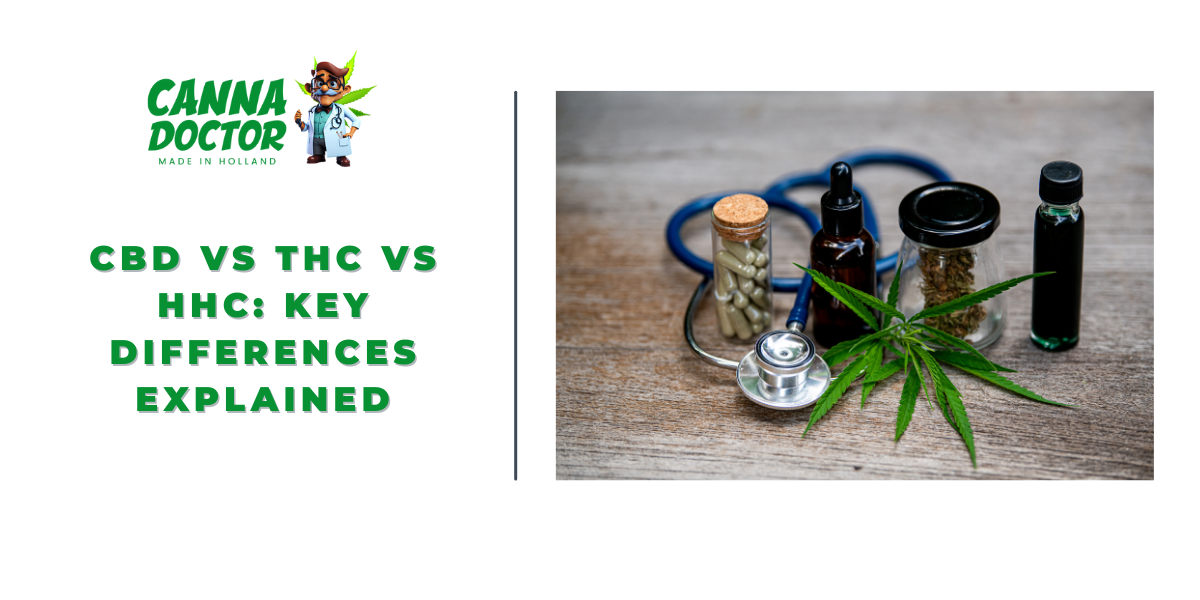
The cannabis and hemp industries have evolved dramatically, introducing consumers to a spectrum of cannabinoids beyond the well-known THC and CBD. In 2026, HHC (hexahydrocannabinol) has emerged as a novel player, sparking curiosity and questions among both wellness enthusiasts and recreational users. Understanding the distinctions between these three compounds is essential for making informed, safe, and legal choices.
This guide provides a comprehensive, science-backed comparison of CBD, THC, and HHC, exploring their effects, uses, legal status, safety profiles, and practical applications. Whether you’re seeking relief from chronic pain, managing anxiety, or exploring recreational options, this article will help you navigate the complex cannabinoid landscape with confidence.
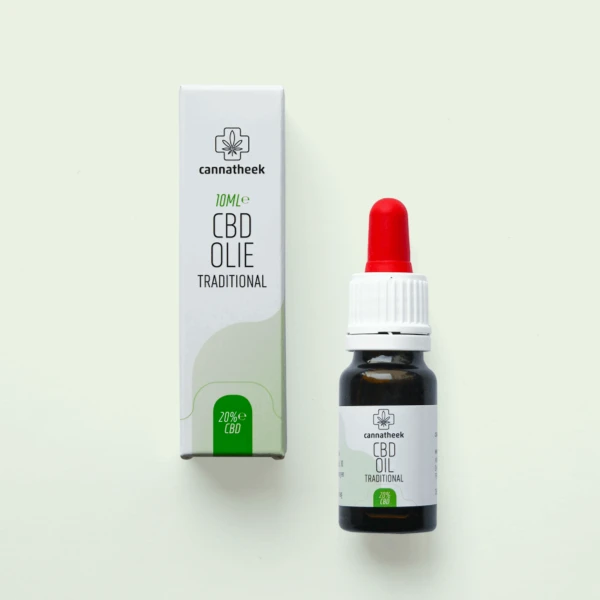
CBD, THC, and HHC at a Glance: Quick Facts Table
| Factor | CBD | THC (Delta-9) | HHC |
|---|---|---|---|
| Chemical Origin | Natural; abundant in hemp | Natural; primary cannabis cannabinoid | Semi-synthetic; hydrogenated THC |
| Psychoactivity | None | High | Moderate (≈70–80% of THC) |
| Main Effects | Calming, anti-inflammatory, neuroprotective | Euphoria, pain relief, appetite stimulation | Mild euphoria, relaxation, potentially less anxiety |
| Common Uses | Wellness, anxiety, sleep support, seizures | Medical pain, nausea relief, recreation | Legal alternative to THC, mild recreation |
| Legal Status (Global) | Broadly legal (with some exceptions) | Restricted; medical or recreational only | Legal gray area; unregulated in many regions |
| Potency vs Delta-9 THC | 0% | 100% | ~70–80% |
| Onset & Duration | 30 min–2 hrs / 4–6 hrs | 10 min–1 hr / 2–8 hrs | Similar to THC; varies by form |
| Main Risks | Minimal; rare drowsiness or GI upset | Anxiety, paranoia, impairment, dependency risk | Unknown long-term effects, contamination risk |
| Drug Testing Risk | Low (cross-contamination possible) | High (commonly tested) | Uncertain; may cause positive results |
| Product Forms | Oils, edibles, topicals, capsules | Flower, edibles, vapes, concentrates | Vapes, edibles, oils, gummies |
Understanding the Basics
CBD (Cannabidiol)
CBD has become a household name in the wellness industry. Extracted primarily from hemp plants, cannabidiol is a non-psychoactive cannabinoid that does not produce a “high.” Instead, it interacts with the body’s endocannabinoid system (ECS) in a unique way, influencing receptors without directly binding to CB1 receptors in the brain.
How It Works:
CBD modulates various pathways in the ECS, which regulates mood, pain perception, inflammation, and immune response. Its broad mechanism of action allows it to support balance and homeostasis in the body without intoxication.
Major Benefits:
CBD has gained recognition for its potential in managing anxiety and stress, reducing inflammation and chronic pain, supporting neurological health (including FDA-approved use for certain seizure disorders), and improving sleep quality. Its safety profile is well-established, with most users experiencing minimal to no side effects at standard doses.
Use Cases:
CBD is ideal for individuals seeking daily wellness support, those managing chronic conditions without intoxication, and people sensitive to psychoactive substances. It’s available in a variety of forms, from tinctures and capsules to topicals and edibles, making it accessible for diverse needs.
THC (Delta-9-Tetrahydrocannabinol)
THC is the most famous cannabinoid, known for its potent psychoactive effects. Found naturally in cannabis plants, Delta-9 THC binds strongly to CB1 receptors in the brain, producing the characteristic euphoria and altered perception associated with marijuana use.
How It Works:
By activating CB1 receptors, THC influences neurotransmitter release, affecting mood, cognition, memory, and pain perception. This direct interaction makes THC both therapeutically powerful and potentially impairing.
Major Benefits:
THC is highly effective for pain relief, particularly in chronic and neuropathic conditions. It stimulates appetite, making it valuable for patients undergoing chemotherapy or dealing with wasting syndromes. THC also reduces nausea and provides mood enhancement, contributing to its popularity in both medical and recreational contexts.
Risks:
The psychoactivity of THC comes with trade-offs. Users may experience anxiety, paranoia, or cognitive impairment, especially at higher doses. There is also a risk of psychological dependency with chronic use. THC impairs motor skills and judgment, making it unsuitable for activities requiring alertness.
Use Cases:
THC is best suited for adults in regulated markets who seek strong symptom relief or recreational enjoyment. It’s prescribed medically in many jurisdictions and widely used recreationally where legal. However, its psychoactive nature requires responsible use and awareness of legal and safety considerations.
HHC (Hexahydrocannabinol)
HHC represents the newest addition to the cannabinoid market, emerging as a semi-synthetic compound created by hydrogenating THC. While trace amounts of HHC may occur naturally in cannabis, commercial HHC is lab-produced, giving it unique chemical stability.
How It Works:
HHC interacts with CB1 receptors similarly to THC, but with a slightly altered molecular structure. This results in a milder psychoactive effect, often described as smoother and less anxiety-inducing. Its hydrogenated structure makes it more resistant to oxidation and heat degradation, extending product shelf life.
Potency:
HHC is approximately 70-80% as potent as Delta-9 THC, offering a moderate psychoactive experience. Users report a “middle ground” between CBD’s calm and THC’s intensity.
Unique Features:
The chemical stability of HHC is a standout trait, making it attractive for product formulations. Its semi-synthetic nature also places it in a regulatory gray area in many regions, where it may be technically legal despite psychoactive effects.
Benefits and Evidence:
Early anecdotal reports suggest HHC may offer benefits similar to THC, such as pain relief, relaxation, and mood enhancement. However, rigorous clinical research is lacking, and long-term safety data does not exist.
Risks:
The novelty of HHC brings uncertainty. Limited regulation means product quality varies widely, with potential for contaminants or inconsistent potency. Long-term health effects are unknown, and its semi-synthetic production raises questions about purity and manufacturing standards.
Use Cases:
HHC appeals to users seeking a legal alternative to THC in restrictive regions, or those desiring a milder psychoactive experience. It’s commonly found in edibles, vapes, and oils. However, consumers should approach HHC with caution, prioritizing products from transparent, lab-tested sources.
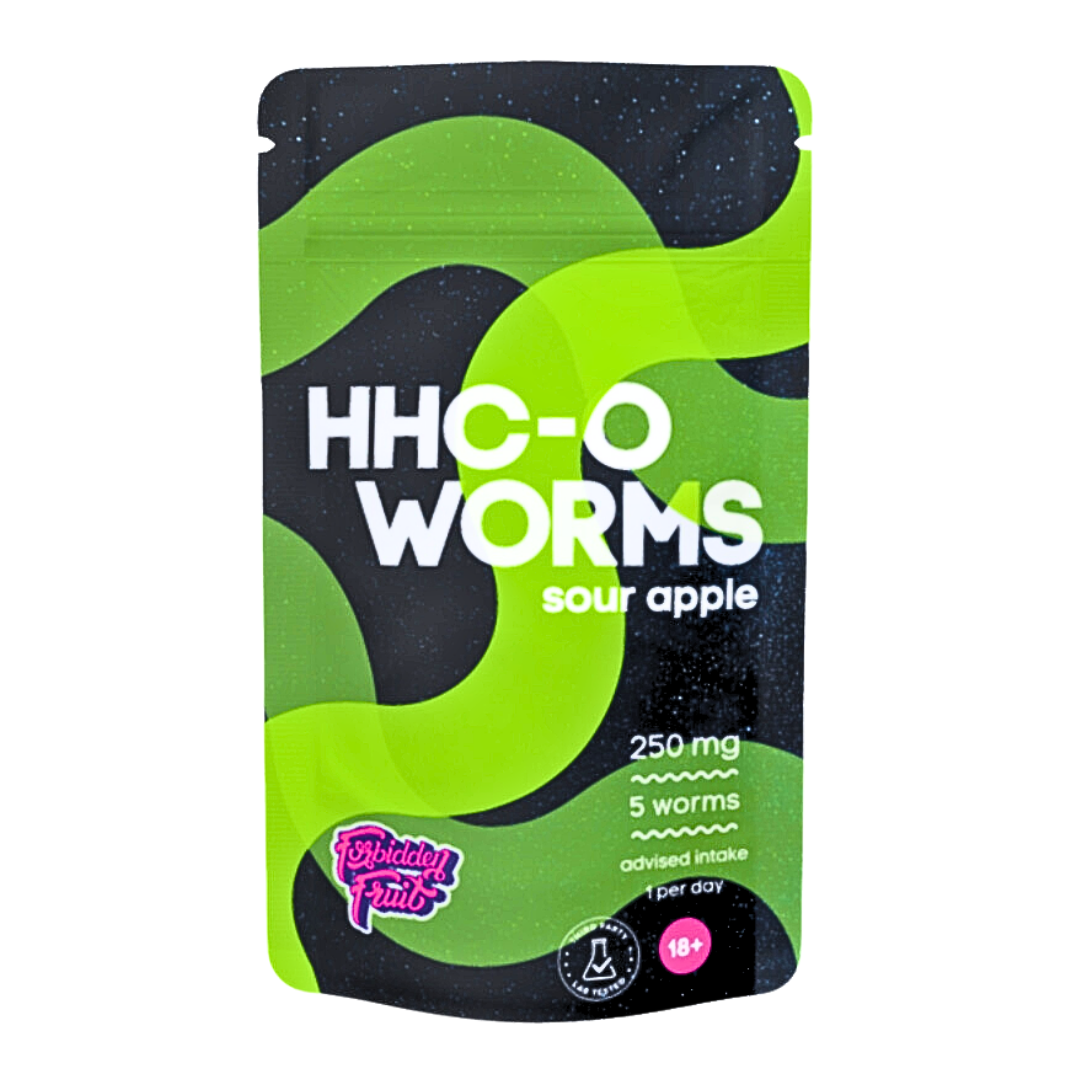
In-Depth Comparison: Effects, Potency, and Wellness
Psychoactivity Spectrum
Understanding the psychoactive impact of each cannabinoid is fundamental to choosing the right one for your needs.
- CBD: Completely non-intoxicating. Users remain fully alert and functional, making it suitable for any time of day and for individuals who need to maintain clarity and focus.
- THC: Strongly intoxicating. THC produces euphoria, altered perception, and cognitive impairment. Effects vary by dose, individual tolerance, and method of consumption.
- HHC: Moderately intoxicating. Described as producing a “mild buzz” or “gentle high,” HHC is less intense than THC. Some users find it less likely to trigger anxiety or paranoia, though individual responses vary.
Effects Timeline
The onset and duration of effects depend heavily on the method of consumption.
Inhalation (Vaping, Smoking):
- Onset: 2-10 minutes
- Peak: 15-30 minutes
- Duration: CBD (1-3 hours), THC (2-4 hours), HHC (2-4 hours)
Oral (Edibles, Oils, Capsules):
- Onset: 30 minutes – 2 hours
- Peak: 2-4 hours
- Duration: CBD (4-6 hours), THC (6-8 hours), HHC (6-8 hours)
Topicals:
- Onset: 15-45 minutes
- Duration: 2-4 hours (localized effects; no psychoactivity)
This timeline underscores the importance of patience, especially with edibles. Many users inadvertently overconsume by taking additional doses before the initial effects set in.
Wellness vs. Recreational Use
CBD:
Preferred for daily wellness and symptom management. It supports mental clarity, reduces inflammation, and promotes relaxation without impairing function. CBD is widely used for anxiety, chronic pain, sleep disorders, and neurological conditions. It’s safe for most people, including those new to cannabinoids.
THC:
A powerhouse for pain relief, appetite stimulation, and nausea reduction. THC also offers recreational enjoyment through euphoria and sensory enhancement. However, its psychoactive nature limits its use to times when impairment is acceptable and legal. THC is often chosen by those with severe symptoms or who seek a strong recreational experience.
HHC:
Targets users seeking psychoactive effects with less intensity than THC. It may appeal to those living in regions with restrictive THC laws or individuals who find THC too strong. HHC’s novel status makes it a choice for experimental users, though caution is warranted due to limited research.
Entourage Effect
The “entourage effect” refers to the synergistic interaction of cannabinoids, terpenes, and other plant compounds, potentially enhancing therapeutic outcomes. Full-spectrum CBD products, which contain trace THC and other cannabinoids, may offer greater benefits than CBD isolate. Similarly, cannabis products with balanced THC and ratios are often reported to produce more desirable effects with fewer side effects.
Research into the entourage effect is ongoing, with some studies supporting enhanced efficacy, while others call for more rigorous evidence. Nonetheless, many users and clinicians favor full-spectrum or broad-spectrum products for holistic benefits.
Potential Side Effects
| Cannabinoid | Common Side Effects |
|---|---|
| CBD | Drowsiness, dry mouth, gastrointestinal upset, rare liver enzyme changes |
| THC | Anxiety, paranoia, dry mouth, red eyes, impaired memory and coordination, increased heart rate |
| HHC | Similar to THC but potentially milder; anxiety, dry mouth, dizziness, unknown long-term risks |
Side effects are generally dose-dependent. Starting with low doses and gradually increasing (“start low, go slow”) minimizes adverse reactions.
Methods of Consumption and User Experience
Choosing the right consumption method significantly impacts the experience, onset, and duration of effects.
Oral (Oils, Edibles, Capsules)
Pros:
Long-lasting effects, discreet, precise dosing (with labeled products), no inhalation risks.
Cons:
Slow onset, variable absorption based on metabolism and food intake, difficulty adjusting dose once consumed.
Best For:
Sustained relief (chronic pain, sleep), wellness routines, users avoiding inhalation.
Inhalation (Vaping, Smoking)
Pros:
Rapid onset, easy dose titration, immediate effects.
Cons:
Shorter duration, potential respiratory irritation, social and legal restrictions.
Best For:
Acute symptom relief (anxiety attacks, sudden pain), experienced users seeking control over effects.
Topicals (Creams, Balms, Patches)
Pros:
Localized relief, no systemic psychoactivity, safe for daily use.
Cons:
Limited to localized symptoms, no psychoactive or systemic benefits.
Best For:
Joint pain, muscle soreness, skin conditions, users avoiding any psychoactive effects.
Comparison Chart: Speed and Duration
| Method | Onset | Peak | Duration | Example Products |
|---|---|---|---|---|
| Vaping/Smoking | 2–10 min | 15–30 min | 2–4 hrs | Flower, vape cartridges |
| Edibles | 30 min–2 hrs | 2–4 hrs | 6–8 hrs | Gummies, brownies, capsules |
| Oils/Tinctures | 15–45 min | 1–2 hrs | 4–6 hrs | Sublingual drops |
| Topicals | 15–45 min | 1–2 hrs | 2–4 hrs | Creams, balms, patches |
Safety, Drug Testing, and Dosage
Drug Testing Risks
CBD:
Pure CBD isolate should not trigger a positive drug test for THC. However, full-spectrum CBD products contain trace amounts of THC, which can accumulate with regular use and potentially cause a positive result. Cross-contamination during manufacturing is also a risk.
Recommendation: Choose broad-spectrum or isolate CBD if drug testing is a concern, and verify third-party lab results.
THC:
Widely tested for in employment, legal, and athletic contexts. THC metabolites can remain detectable in urine for days to weeks (or longer in chronic users). Use of THC will almost certainly result in a positive drug test.
HHC:
The situation is unclear. HHC may or may not trigger a positive result on standard THC tests, as its metabolites are chemically similar. Limited research exists, so users subject to drug testing should assume risk.
Real-World Dosage Guidelines
Dosage is highly individual, influenced by body weight, metabolism, tolerance, and desired effects. The principle of “start low, go slow” is essential for safe and effective use.
CBD:
- Anxiety/Stress: 10-40 mg per day
- Pain/Inflammation: 20-60 mg per day
- Sleep: 25-75 mg before bed
- Severe Conditions (e.g., epilepsy): Consult a healthcare provider; doses may range into hundreds of milligrams daily under medical supervision.
THC:
- Microdosing (wellness, creativity): 1-5 mg
- Moderate Relief (pain, anxiety): 5-15 mg
- Strong/Recreational Effects: 15-30+ mg
- Caution: Edibles can be deceptively potent. Wait at least 2 hours before considering additional doses.
HHC:
- Similar to THC, but start at the lower end (2-10 mg) due to variability in product potency and individual response.
- Monitor effects closely and adjust gradually.
Special Cautions:
- Children: Use only under medical supervision; CBD is FDA-approved for certain pediatric seizure disorders (Epidiolex).
- Elderly: Increased sensitivity; start with very low doses.
- Pregnant/Nursing: Avoid all cannabinoids unless explicitly recommended by a healthcare provider. Insufficient safety data exists.
Safety Considerations
Sourcing and Lab Testing:
Reputable products should include third-party lab reports (Certificates of Analysis, COAs) verifying cannabinoid content, absence of contaminants (heavy metals, pesticides, solvents), and microbial safety.
Warnings About HHC:
The semi-synthetic nature and lack of regulation create significant quality control challenges. Reports of inconsistent potency, unknown adulterants, and poor manufacturing practices are concerning. Prioritize brands with transparent sourcing, full lab testing, and established reputations.
Drug Interactions:
Cannabinoids can interact with medications, particularly those metabolized by the liver (via cytochrome P450 enzymes). Consult a healthcare provider before combining cannabinoids with prescription drugs, especially blood thinners, seizure medications, or psychiatric drugs.
User Scenario Guide: Who Should Consider CBD, THC, or HHC?
CBD
Best For:
- Individuals seeking non-intoxicating relief from anxiety, stress, or inflammation.
- People managing chronic conditions (arthritis, fibromyalgia) who need daily support without impairment.
- Seniors and those sensitive to psychoactive effects.
- Users in regions with strict cannabis laws, where hemp-derived CBD is legal.
Example Products:
Sublingual oils for fast-acting anxiety relief, topical creams for localized pain, capsules for consistent daily dosing.
Key Warnings:
Choose lab-tested products to avoid THC contamination. Consult a doctor if taking other medications.
THC
Best For:
- Adults seeking strong symptom relief from severe pain, nausea, or appetite loss.
- Recreational users in legal markets desiring euphoria and relaxation.
- Patients with qualifying medical conditions and legal access to medical marijuana.
Example Products:
Flower for rapid onset, edibles for long-lasting effects, tinctures for controlled dosing.
Key Warnings:
Avoid if subject to drug testing, operating vehicles, or in regions where THC is illegal. Be mindful of tolerance and dependency risks with chronic use.
HHC
Best For:
- Curious users seeking a legal alternative to THC in restrictive areas.
- Individuals desiring mild psychoactive effects without the intensity of Delta-9 THC.
- Experienced cannabinoid users willing to experiment with novel compounds.
Example Products:
Vapes and gummies from reputable, transparent brands.
Key Warnings:
Approach with caution due to unknown long-term effects. Prioritize lab-tested products. Avoid if risk-averse or subject to drug testing.
User Persona Scenarios Table
| Symptom / Goal | Best Cannabinoid | Example Product | Key Warnings |
|---|---|---|---|
| Daily anxiety relief | CBD | CBD oil, 20 mg daily | Verify THC-free if subject to drug testing |
| Chronic pain (moderate) | CBD or low-dose THC | Full-spectrum CBD or THC tincture | THC may impair; consult a doctor |
| Severe pain, nausea | THC | THC edibles, 10–20 mg | Legal only in certain regions |
| Mild recreation, legal alternative | HHC | HHC gummies, 5–10 mg | Limited safety data; choose reputable brands |
| Sleep support | CBD or THC | CBD capsules or THC edible before bed | THC may cause grogginess; avoid driving next day |
Interactive Decision Aid: Which Cannabinoid Is Right for You?
Step 1: Define Your Goal
- Wellness and symptom management without impairment → CBD
- Strong symptom relief or recreational enjoyment → THC
- Legal alternative with mild psychoactivity → HHC
Step 2: Assess Psychoactivity Tolerance
- No tolerance or desire for psychoactivity → CBD
- Comfortable with strong psychoactive effects → THC
- Prefer mild psychoactive experience → HHC
Step 3: Check Legal Status
- Restricted THC region, hemp-legal → CBD or HHC (verify HHC laws)
- Medical or recreational cannabis legal → THC or CBD
Step 4: Consider Drug Testing
- Subject to testing → CBD isolate or broad-spectrum
- Not tested → THC or HHC (HHC risk unclear)
Step 5: Evaluate Risk Comfort
- Prefer well-studied, safe options → CBD or THC (in legal markets)
- Willing to try novel compounds with less data → HHC
Environmental and Ethical Considerations
Production and Sustainability
Hemp and Cannabis Cultivation:
Both hemp and cannabis cultivation can have environmental impacts, including water use, pesticide application, and energy consumption (especially for indoor growing). Sustainable practices involve organic farming, renewable energy, and responsible water management.
Semi-Synthetic Cannabinoids (HHC):
The lab production of HHC raises questions about chemical inputs, waste, and energy use. Transparency in manufacturing processes is critical for assessing environmental and health impacts.
Reputable Sourcing:
Consumers should prioritize brands committed to sustainable practices, transparent supply chains, and third-party certifications (e.g., USDA Organic for hemp).
Consumer Ethics
Supporting ethical, well-regulated producers ensures product safety, environmental responsibility, and fair labor practices. Choose companies that:
- Provide full third-party lab testing.
- Disclose sourcing and manufacturing details.
- Operate in compliance with local laws and regulations.
- Engage in transparent marketing and avoid misleading health claims.
What Does the Latest Science Say?
Market and Medical Trends
The global cannabis market continues to expand, driven by increasing legalization, medical research, and consumer demand. According to Fortune Business Insights, the cannabis industry is projected to reach significant valuations by 2030, with medical applications leading growth.
CBD:
Extensive research supports CBD’s efficacy for epilepsy (FDA-approved Epidiolex), with growing evidence for anxiety, pain, and inflammatory conditions. Studies continue to explore optimal dosing, long-term safety, and therapeutic mechanisms.
THC:
Well-established in medical contexts for pain, nausea, and appetite stimulation. Ongoing research examines THC’s role in PTSD, neurological disorders, and palliative care. Recreational use studies focus on harm reduction and public health impacts.
HHC:
Minimal clinical research exists. Early anecdotal reports and limited preclinical studies suggest potential benefits similar to THC, but rigorous human trials are absent. The lack of long-term safety data is a significant concern.
Research Gaps and Recommendations
HHC:
The scientific community calls for urgent research into HHC’s pharmacology, safety, and long-term health effects. Until robust data emerges, consumers should exercise caution, starting with low doses and choosing products from reputable sources.
General Cannabinoid Research:
Despite progress, gaps remain in understanding optimal dosing, individual variability, drug interactions, and the entourage effect. Continued investment in high-quality clinical trials is essential for evidence-based cannabinoid medicine.
The Ultimate Guide to Pre Rolled King Size Cones and Premium Headshop Products
In today’s evolving smoking culture, convenience, quality, and consistency matter more than ever. Whether you’re a seasoned enthusiast or someone
Buy CBD Oil Online: A Modern Approach to Wellness and Mental Clarity
In recent years, natural wellness solutions have gained remarkable popularity as people search for safer and more balanced ways to

Your Complete Guide to Visiting a Cannashop Online Safely and Smartly
The wellness world has undergone a remarkable transformation in recent years, and one of the most significant shifts has been