
Herbal Remedies vs Synthetic Supplements: Benefits, and Choosing What’s Best
Walk into any health store or browse online wellness retailers, and you’ll find yourself facing a dizzying array of bottles,

Ordered before 5pm = Shipped today

Discreet Shipping & Transactions

Proven and tested effectiveness
The world of online smartshops can feel overwhelming for first-time buyers. Unlike traditional wellness stores or supplement retailers, smartshops occupy a unique space in the natural products market, offering everything from cognitive enhancers to herbal wellness products. Whether you’re exploring kratom for pain management, investigating legal psychoactive botanicals, or seeking nootropics to enhance focus, understanding what distinguishes a reputable vendor from a risky one is essential.
This comprehensive guide walks you through everything you need to know before making your first smartshop purchase online, from understanding product categories and legal considerations to recognizing quality markers and avoiding common pitfalls.
Before diving into the buying process, it’s crucial to understand what smartshops actually offer and how they differ from similar retailers.
A smartshop primarily focuses on psychoactive, herbal, natural wellness, and nootropic products. These establishments specialize in botanicals and compounds that interact with cognitive function, mood, or consciousness, operating within legal frameworks that vary significantly by location. Think of smartshops as the intersection of traditional herbalism, modern wellness trends, and emerging research into natural cognitive enhancement.
This distinguishes them from headshops, which primarily sell accessories and paraphernalia (pipes, vaporizers, rolling papers) and may carry some overlapping products like CBD or kratom. It also sets them apart from CBD or hemp-focused wellness shops, which emphasize hemp-derived cannabinoids and related supplements but typically avoid the broader range of psychoactive botanicals that smartshops offer.
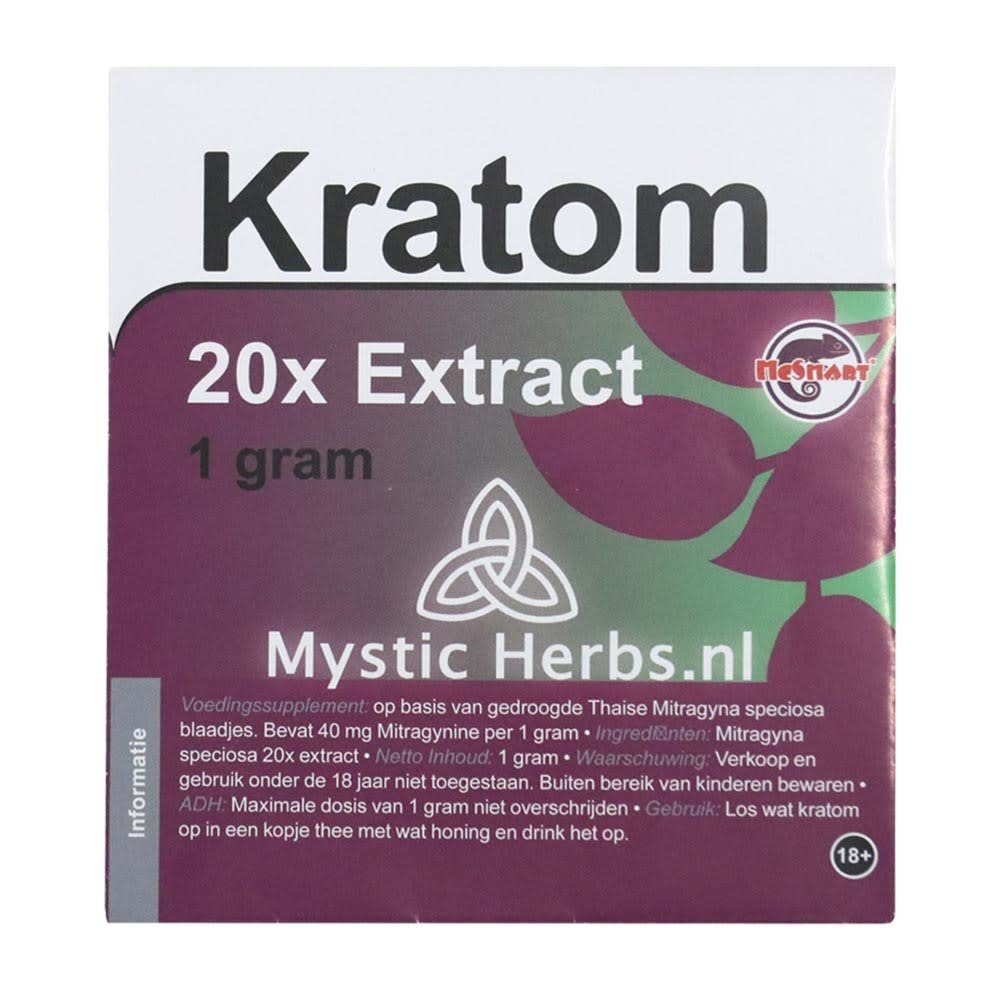
The main product categories you’ll encounter include herbal offerings like kratom, kava, truffles (in certain European markets), and various traditional botanicals like ginseng or damiana. Psychoactive products might include legal alternatives to controlled substances, mood-enhancing herbs, or botanicals with documented effects on perception or relaxation. Nootropics and cognitive enhancers represent another major category, encompassing everything from traditional adaptogens to modern formulations designed to support focus, memory, or mental clarity. Finally, many smartshops carry CBD and other wellness extracts, though these typically represent just one part of a broader inventory.
The term “legal” deserves special attention in the smartshop context. Legality varies dramatically based on country, state, and even local jurisdiction. A product perfectly legal in the Netherlands might be controlled in the United States, while something available over the counter in Germany could face restrictions in the United Kingdom. Many smartshop products exist in regulatory gray areas, where they’re not explicitly illegal but also not formally approved for certain uses. This makes research into your specific location’s laws absolutely critical before purchasing anything.
Understanding the legal status of smartshop products represents perhaps the most important step in your buying journey. The regulatory environment surrounding these products is fragmented, constantly evolving, and often contradictory between different jurisdictions.
In the European Union, regulations vary significantly by member state despite some harmonization efforts. The Netherlands maintains relatively permissive laws around certain psychoactive botanicals and allows smartshops to operate openly with specific product restrictions. Germany permits many herbal products but maintains strict controls on anything classified as a pharmaceutical or narcotic. The United Kingdom has implemented blanket bans on various psychoactive substances through the Psychoactive Substances Act 2016, though exemptions exist for certain traditional herbs and food products. Scandinavian countries generally maintain stricter policies, with Sweden and Norway particularly cautious about psychoactive botanicals.
The United States presents an especially complex picture. While federal law controls certain substances, state and even local regulations create a patchwork of different rules. Kratom provides an excellent example: it’s legal in most states but banned in Alabama, Arkansas, Indiana, Rhode Island, Vermont, and Wisconsin, plus various counties and cities elsewhere. Some states regulate it rather than prohibiting it outright. CBD derived from hemp became federally legal under the 2018 Farm Bill, but states maintain varying restrictions. Florida, for instance, has embraced medical cannabis through certification programs like those offered by Canna Doctors of America, making legal access relatively straightforward for qualifying patients, while neighboring states maintain strict prohibition.
Age verification represents a universal constant across legitimate smartshop operations. Responsible vendors require proof of age both at purchase and delivery, typically setting minimums at 18 or 21 depending on the product and jurisdiction. This isn’t just a formality. It’s a legal requirement and a key indicator of vendor legitimacy. Any site that doesn’t verify age should raise immediate red flags.
Shipping and import considerations add another layer of complexity. Many countries restrict or prohibit importing certain botanicals, even if possession is legal domestically. Customs seizures can occur without warning, potentially resulting in lost money and unwanted attention from authorities. Some vendors won’t ship certain products internationally precisely because of these risks. If you’re considering cross-border purchases, research both exporting and importing country regulations thoroughly. Understand that seized packages may trigger customs notifications or other consequences beyond simply losing your purchase.
The constantly changing nature of these regulations makes staying informed essential. New laws emerge regularly, sometimes targeting specific compounds or entire categories of products. Following reputable news sources focused on drug policy, joining relevant online communities, and checking government regulatory websites periodically helps you stay current with developments that might affect your purchases.
Quality varies enormously across smartshop products, and understanding how to evaluate it protects both your health and your wallet.
Certificates of Analysis (COAs) represent the gold standard for product verification. A COA is a document from an independent laboratory detailing what’s actually in a product. It confirms the presence and concentration of desired compounds while checking for contaminants like heavy metals, pesticides, microbial pathogens, and residual solvents. For a product like kratom, a proper COA verifies alkaloid content and ensures the absence of dangerous adulterants. For CBD products, it confirms cannabinoid profiles and THC levels while screening for contaminants.
The distinction between independent, third-party laboratory testing and in-house or generic claims matters enormously. Third-party labs have no financial stake in the results, making their findings far more trustworthy. They should be accredited (look for ISO 17025 certification) and identifiable, with the COA listing the lab’s name and contact information. Generic claims like “lab tested” without providing actual results mean essentially nothing.
Responsible vendors make detailed product information readily available. This includes clear sourcing details explaining where ingredients come from, how they’re processed, and what quality controls apply. Organic certifications, wildcrafted verification, Good Manufacturing Practices (GMP) compliance, and other third-party certifications add credibility. You should find comprehensive ingredient lists, proper botanical names (not just common names), and transparent information about extraction methods or processing techniques.
Warning signs of poor quality or unsafe products include the absence of COAs or the provision of misleading documentation that doesn’t actually verify what’s claimed. Prices dramatically below market rates often indicate inferior quality, dangerous adulteration, or outright fraud. Nobody can sell genuine, properly tested kratom or CBD at half the normal price; the economics simply don’t work. Overblown or illegal health claims represent another red flag. Legitimate vendors are careful about what they claim because making disease treatment claims about supplements violates regulations in most jurisdictions. If a vendor promises to cure specific diseases or makes claims that sound too good to be true, they probably are. Missing batch numbers, inconsistent labeling between products, vague ingredient information, or packaging that looks amateur all suggest quality control problems.
Product quality means nothing if the vendor never ships your order or sells you something different from what you purchased. Verifying vendor trustworthiness requires examining multiple credibility signals.
Essential markers of legitimate operations include visible business details like physical addresses, registered company information, and accessible customer support through multiple channels (phone, email, live chat). Privacy compliance matters too. European vendors should display clear GDPR compliance, while all vendors should have transparent privacy policies explaining how they handle your data. Secure checkout processes with visible SSL certificates (look for “https://” and a padlock icon) and reputable payment processors indicate professional operations. Quality badges from industry organizations, testing certifications, or business verification services add credibility.
Independent reviews provide crucial insights into actual customer experiences. Look beyond testimonials on the vendor’s own site, which may be filtered or entirely fabricated. Check Reddit communities focused on specific products (like r/kratom or r/CBD), specialized forums, and external review platforms. Pay attention to patterns in feedback. Occasional complaints happen to even excellent vendors, but consistent issues with shipping, quality, or customer service indicate problems. Be skeptical of universally positive reviews with generic language or those that appeared in a short timeframe, as these may be purchased or fake.
Transparency and expertise markers separate professional operations from fly-by-night sellers. Regular content updates through blogs or educational resources demonstrate engagement with the products and community. Clear sourcing information shows nothing to hide. Expert advice, whether through detailed product descriptions, educational articles, or staff with verifiable credentials, indicates a vendor invested in doing things properly rather than just moving product.
Signs of unreliable vendors include shady payment methods. While cryptocurrency acceptance isn’t inherently suspicious, vendors that only accept crypto or other untraceable payment methods while avoiding standard options may be trying to avoid accountability. No secure checkout process, vague or missing “About Us” information, lack of contact details, and high-pressure sales tactics (countdown timers, “last chance” messaging, aggressive upselling) all suggest operations more interested in quick profits than customer satisfaction or safety.
Even with legal, high-quality products from reputable vendors, proper use remains essential for safety.
The fundamental rule for first-time users is “start low, go slow.” This applies regardless of product type. Begin with the smallest suggested dose, see how it affects you, and increase gradually if needed. Individual responses vary based on body weight, metabolism, tolerance, other medications, and genetic factors. What works for someone else may be too much or too little for you.
Proper labeling should provide clear usage instructions, recommended dosages, and any warnings. Ingredient lists should be complete and specific. You should understand what effects to expect, how long they typically last, and what to avoid (like driving or operating machinery). If a product lacks this basic information, don’t use it.
Contraindications and interactions deserve serious attention. Many botanicals interact with common medications. Kratom, for instance, can interact with antidepressants, blood pressure medications, and various other drugs. St. John’s Wort famously interferes with numerous pharmaceuticals, including birth control. Medical conditions may make certain products dangerous. If you take prescription medications or have diagnosed health conditions, research potential interactions carefully and consider consulting a healthcare provider knowledgeable about botanical supplements.
Responsible use guidelines extend beyond just dosage. Never mix smartshop products with alcohol or other psychoactive substances unless you’ve thoroughly researched the specific combination and understand the risks. Don’t exceed recommended dosages, even if effects seem mild. Don’t use products in situations requiring alertness or coordination until you understand how they affect you. Stay informed about both legal status and emerging safety information. Join communities where experienced users share knowledge, but maintain critical thinking about anecdotal reports.
The anonymous nature of online transactions creates opportunities for fraud and deception that brick-and-mortar shopping doesn’t face.
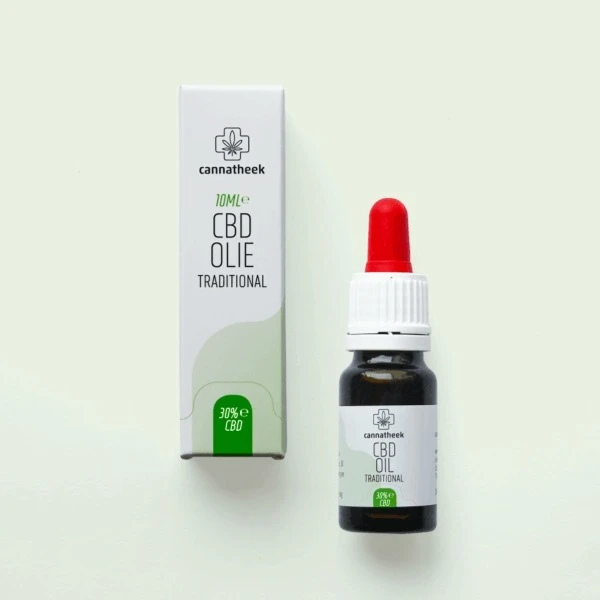
Counterfeits and scams plague the smartshop market, particularly for popular products like branded CBD oils or specific kratom strains. Warning signs include missing lab results despite claims of testing, vague or absent business information, suspicious URLs that mimic legitimate vendors with slight misspellings, stock photos instead of actual product images, and prices far below market rates.
During browsing and checkout, watch for unexpected fees that dramatically increase the final cost, unclear shipping and delivery terms that don’t specify timeframes or methods, and spammy upsells pushing questionable additional products. Legitimate vendors are transparent about costs and shipping from the start.
Privacy and secure checkout practices protect your information and money. Always verify SSL certificates before entering payment information. Look for secure payment gateways from recognized processors. Be cautious about sites requiring excessive personal data beyond what’s necessary for shipping and age verification. Preferred payment methods typically include credit cards (which offer dispute resolution) and reputable services like PayPal. While cryptocurrency isn’t inherently suspicious, exclusive reliance on it may indicate an operation avoiding traditional financial scrutiny.
Data privacy and discreet shipping matter to most smartshop customers. Trusted vendors protect your identity through clear privacy policies, secure data handling, and discrete packaging that doesn’t advertise contents. Products should arrive in plain packaging without external labels indicating what’s inside. Clear return and refund policies demonstrate confidence in products and commitment to customer satisfaction. Absence of such policies suggests a vendor expecting problems or unwilling to stand behind what they sell.
Before completing any smartshop purchase, run through this verification process:
Research product legality thoroughly in your specific location, including state and local laws, not just national regulations. Verify you’re legally permitted to purchase, possess, and use what you’re buying.
Review product COAs and laboratory results carefully. Check that testing is recent, from an accredited third-party lab, and covers both desired compounds and potential contaminants. Examine ingredient lists for clarity and completeness.
Investigate vendor reputation through multiple independent sources. Read reviews on external platforms, check relevant Reddit communities or forums, and verify business details and certifications.
Confirm secure checkout with visible SSL certification and reputable payment processors. Verify the privacy policy explains data handling clearly. Ensure shipping is described transparently with realistic timeframes.
Understand the return and refund policy before purchasing. Know what recourse you have if products arrive damaged, different from described, or you simply change your mind.
This checklist provides a systematic approach to evaluating purchases, helping you avoid common pitfalls and identify trustworthy vendors.
With safety and legality addressed, selecting the appropriate product depends on your specific goals and circumstances.
Matching your needs requires honest self-assessment. Are you seeking wellness support for a specific issue like pain or sleep problems? Looking for cognitive enhancement for focus or memory? Exploring mood support or stress relief? Simply curious about a particular botanical? Different products serve different purposes, and clarifying your goals helps narrow options.
Safety factors vary by category. Herbal products, while natural, aren’t automatically safe. Research specific herbs thoroughly, understanding both traditional uses and modern scientific evidence. Psychoactive botanicals require extra caution, particularly regarding legality, proper dosing, and potential for dependence or adverse effects. Nootropics span from well-researched compounds with established safety profiles to newer substances with limited data.
Consider whether you’re a suitable candidate by evaluating age, current health status, medications, and any diagnosed conditions. Pregnancy, breastfeeding, liver or kidney problems, cardiovascular issues, and mental health conditions may make certain products inappropriate or dangerous. When in doubt, consult a healthcare provider, preferably one knowledgeable about botanical medicine.
Products with clear educational guidance or starter kits designed for beginners often provide better first experiences than jumping into advanced offerings. Reputable vendors understand the importance of supporting new users and often provide detailed information, suggested starting doses, and realistic expectation-setting.
The smartshop community offers valuable collective wisdom, but knowing where to find reliable information and how to evaluate it matters.
Trusted sources for advice include established forums with active, knowledgeable communities and strong moderation to filter misinformation. Reddit hosts several valuable communities, though quality varies. Look for spaces with clear rules against sourcing, emphasis on harm reduction, and users who cite sources for claims. Reputable blogs and educational sites run by vendors with transparent credentials or independent researchers provide more structured information than casual forums.
Real experiences from other buyers offer practical insights that formal research sometimes misses. Learning how someone avoided a scam by noticing specific warning signs or discovered a particularly trustworthy vendor through community recommendation helps you make better decisions. However, maintain critical thinking. Anecdotal reports reflect individual experiences that may not generalize to you. Verify information when possible, especially regarding safety or legality.
Staying updated on regulations and product trends requires ongoing attention. Follow drug policy news sources, join email lists from advocacy organizations working on botanical supplement issues, and periodically check government regulatory websites. Laws change, new research emerges, and the market evolves constantly.
For conscious consumers, how products reach market matters as much as the products themselves.
Sustainability concerns affect many smartshop botanicals. Overharvesting threatens wild populations of plants like kratom, kava, and various medicinal herbs. Supply chain opacity can mask environmental destruction, unfair labor practices, or contribution to illegal deforestation. Supporting vendors committed to sustainable practices helps protect these plants for future availability while minimizing environmental harm.
Look for organic certifications, which indicate pesticide-free cultivation using sustainable methods. Wildcrafted certifications should specify sustainable harvesting practices rather than simply meaning “collected from the wild,” which could indicate destructive overharvesting. Fair trade commitments ensure farmers and harvesters receive fair compensation. Transparency about sourcing locations and methods indicates nothing to hide.
Vendor commitments to sustainability might include support for conservation projects, investment in cultivation programs to reduce wild harvesting pressure, or partnerships with indigenous communities practicing traditional sustainable stewardship. Minimal environmental impact in packaging and shipping, like recyclable materials and carbon-offset programs, extends environmental responsibility beyond just the product itself.
Walk into any health store or browse online wellness retailers, and you’ll find yourself facing a dizzying array of bottles,
The modern world has created a perfect storm for declining mental wellness. Between demanding careers, constant digital connectivity, and the
The supplement aisle can feel overwhelming. Rows of bottles promise better energy, sharper focus, stronger immunity, and improved wellness. With
You must be 18 years of age or older to view page. Please verify your age to enter.
Your access is restricted because of your age.