




Understanding the right temperature for vaporizing herbs isn’t just about getting better results. It’s about unlocking the full therapeutic potential of your plant material while protecting your health. Whether you’re seeking medical relief, exploring herbal wellness, or simply want to optimize your experience, temperature control is the single most important variable you can master.
This guide synthesizes peer-reviewed research, clinical data, and practical wisdom to help you navigate the complex relationship between heat, active compounds, and effects. You’ll learn exactly which temperatures release which compounds, how to avoid harmful byproducts, and how to dial in your perfect session based on your goals.
Why Vaporizer Temperature Matters
Every herb contains dozens of active compounds, each with its own unique boiling point. When you heat plant material, you’re essentially conducting a controlled extraction process. Too little heat, and you leave therapeutic compounds locked inside. Too much, and you risk destroying delicate molecules or creating toxic byproducts.
The fundamental difference between vaporization and combustion defines this entire conversation. Vaporization heats herbs to the point where active compounds transition from solid or liquid states into vapor, without igniting the plant material itself. Combustion, by contrast, burns the herb, creating smoke filled with tar, carbon monoxide, and carcinogenic compounds.
Research published in the Journal of Analytical Toxicology found that vaporization at optimal temperatures can extract up to 77% of available cannabinoids, while smoking averages only 43%. More importantly, the same study detected no formation of toxic polyaromatic hydrocarbons (PAHs) or carbon monoxide when vaporizing below 200°C (392°F), compounds that appear abundantly in smoke.
Temperature affects three critical dimensions of your experience. First, it determines which compounds actually vaporize. A session at 320°F will release different terpenes and cannabinoids than one at 400°F, creating distinctly different effects. Second, temperature shapes flavor and aroma. Lower temperatures preserve delicate terpenes that give herbs their characteristic taste and smell, while higher temperatures can create harsh, burnt flavors. Third, temperature directly impacts safety. Above certain thresholds, plant material begins to release formaldehyde, benzene, and other compounds linked to respiratory irritation and long-term health risks.
Understanding these dynamics puts you in control. Rather than guessing or following generic device presets, you can intentionally craft your sessions around specific goals, whether that’s maximizing flavor, achieving particular therapeutic effects, or extracting every last molecule from premium material.
Quick Temperature Ranges & Effects Chart
Before diving deep into the science, here’s a practical overview of the three main temperature zones and what they offer:
Low Temperature: 320–350°F (160–177°C)
This range preserves the most delicate compounds and offers the gentlest experience. You’ll notice subtle, nuanced flavors as terpenes like myrcene and pinene vaporize without degradation. The vapor itself appears thin or nearly invisible, yet effects are present, favoring mental clarity, mild relaxation, and aromatic enjoyment. This zone is ideal for flavor enthusiasts, daytime use, or when you want therapeutic benefits without sedation.
Because you’re operating below the boiling points of many heavier compounds, extraction is incomplete. You’re primarily accessing the most volatile terpenes and lighter cannabinoids. Sessions in this range tend to feel “cleaner” and more uplifting, though less intense overall.
Medium Temperature: 350–400°F (177–204°C)
This is the workhorse range where most cannabinoids and terpenes reach their boiling points. You’ll see denser vapor, experience stronger effects, and achieve more complete extraction. Flavor remains good in the lower portion of this range (350–375°F) but begins to diminish as you approach 400°F.
The effects shift toward more pronounced body relaxation, pain relief, and sedation. Compounds like linalool (388°F) and CBD (356°F) fully activate here. This range suits evening use, medical applications requiring stronger relief, and situations where you want balanced mental and physical effects. Most users find their ideal temperature somewhere in this zone.
High Temperature: 400–430°F (204–221°C)
This aggressive range extracts nearly everything your herbs contain, including heavier cannabinoids like CBN (365°F boiling point, but increased formation at higher temps through THC degradation). Vapor becomes thick, hot, and potentially harsh. Flavor is largely gone, replaced by roasted or burnt notes.
The effects are maximum sedation, intense body effects, and powerful therapeutic impact. However, you’re also approaching the danger zone. Above 430°F (221°C), plant material begins to combust, releasing the same toxic byproducts found in smoke. Research in Chemical Research in Toxicology identified benzene formation starting around 365°F, with levels increasing sharply above 400°F.
Use this range sparingly and only when you need maximum extraction. It’s suited for high-tolerance medical users, end-of-day sessions focused on sleep, or when working with concentrates that require higher heat. Always stop before actual combustion occurs.
The Science Behind Herbal Vaporization
To truly master temperature control, you need to understand what’s happening at the molecular level. Vaporization relies on thermodynamics: when you heat a compound to its boiling point, it transitions from a liquid or solid state into vapor that you can inhale.
Each active compound in herbs has a specific boiling point, the temperature at which this phase transition occurs. For cannabis, the two most studied cannabinoids are:
THC (Tetrahydrocannabinol): Boiling point of 315°F (157°C). This psychoactive compound begins vaporizing at relatively low temperatures, which explains why even gentle sessions produce noticeable effects.
CBD (Cannabidiol): Boiling point range of 320–356°F (160–180°C). This non-intoxicating compound requires slightly more heat and contributes to therapeutic effects without euphoria.
Beyond cannabinoids, terpenes define much of your experience. These aromatic compounds appear in all plants and contribute flavors, scents, and therapeutic properties. Key cannabis terpenes include:
Myrcene: 334°F (168°C). Earthy, musky aroma. Associated with sedation and muscle relaxation. Abundant in many strains.
Limonene: 351°F (177°C). Citrus scent. Linked to mood elevation and stress relief.
Linalool: 388°F (198°C). Floral, lavender-like. Calming and anti-anxiety properties.
Pinene: 311°F (155°C). Pine aroma. May improve alertness and counteract some sedative effects.
Caryophyllene: 266°F (130°C). Peppery, spicy. Interacts with cannabinoid receptors and offers anti-inflammatory benefits.
The extraction curve matters as much as individual boiling points. When you heat herbs, compounds don’t instantly vaporize the moment you reach their boiling point. Instead, extraction happens gradually. A 2006 study published in the Journal of Pharmaceutical Sciences tracked cannabinoid release across temperatures, finding that yields increase steadily from 338–392°F, with diminishing returns beyond 400°F.
This means you can “step” through temperatures during a session, starting low to capture terpenes and gradually increasing to extract heavier compounds. Many experienced users employ this technique to maximize both flavor and effects from a single load of herbs.
The toxicity threshold represents the upper limit you should respect. Research from Leiden University and NORML tested vapor quality at various temperatures, finding:
- Below 365°F (185°C): No detectable toxins, optimal cannabinoid-to-byproduct ratio
- 365–392°F (185–200°C): Trace amounts of benzene, still within safe ranges
- 392–446°F (200–230°C): Increasing levels of benzene, toluene, and naphthalene
- Above 446°F (230°C): Combustion begins, producing carbon monoxide, PAHs, and other smoke constituents
These findings establish a clear boundary. Staying below 430°F protects your respiratory health while still accessing the full spectrum of active compounds. Exceeding this threshold offers minimal additional benefit while significantly increasing risk.
Comprehensive Temperature Guide
To translate science into practice, here’s a detailed breakdown of what happens at specific temperatures:
320°F (160°C): Minimum effective vaporization temperature. Lightest terpenes begin to release. Effects are subtle, flavor is pure, vapor is barely visible. Ideal for micro-dosing or maximum flavor preservation.
340°F (171°C): Sweet spot for terpene preservation. Myrcene, pinene, and other aromatic compounds fully vaporize. Effects become noticeable but remain clear-headed. This temperature suits morning or midday sessions when you need to remain functional.
356°F (180°C): CBD reaches full vaporization. Effects shift toward therapeutic relief without heavy sedation. Many medical users target this range for pain management, inflammation, or anxiety relief with minimal intoxication.
365°F (185°C): Traditional “sweet spot” recommended by many researchers. Balanced extraction of both cannabinoids and terpenes. Good vapor production, strong effects, acceptable flavor. Benzene detection begins but remains trace-level.
380°F (193°C): Increased sedation as heavier compounds activate. Linalool reaches full release, enhancing calming effects. Vapor becomes noticeably denser. Flavor starts to decline but remains pleasant in quality devices.
392°F (200°C): Maximum safe temperature according to most toxicology research. Nearly complete cannabinoid extraction. Strong body effects, pronounced sedation. Suitable for evening use or when sleep is the goal.
410°F (210°C): Approaching the limit. Very thick vapor, harsh on the throat. CBN formation increases as THC degrades under heat. Maximum extraction but minimal flavor. Benzene and other toxins are detectable at concerning levels.
430°F (221°C): Absolute maximum before combustion risk becomes significant. Some devices and concentrates may require this temperature, but it should not be used casually or with flower. Toxin formation is well-documented at this level.
When comparing vaporization to smoking, the differences become stark:
Vaporization at 365–392°F produces clean vapor containing primarily active compounds and water vapor. Extraction efficiency ranges from 54–77% depending on device and technique. No carbon monoxide, minimal to no carcinogenic compounds.
Combustion (smoking) creates temperatures exceeding 1500°F at the burning tip, with smoke containing only 10–25% cannabinoids by weight. The remainder consists of tar, carbon monoxide, benzene, toluene, PAHs, and over 100 other identified toxins. Long-term inhalation carries established health risks.
The choice is clear from a harm-reduction perspective: proper vaporization delivers comparable or superior effects with a fraction of the health risk.
Effect-Driven Temperature Settings
Rather than memorizing numbers, many users prefer to think in terms of desired outcomes. Here’s how to match your temperature to your goals:
For Flavor and Mental Clarity
Target: 320–350°F (160–177°C)
When your priority is taste or you need to remain sharp and functional, stay in the low range. You’ll capture the most delicate terpenes, experience uplifting effects, and avoid the sedation that comes with higher temperatures. This approach works well for creative work, social situations, or daytime relief from anxiety or mild pain.
The tradeoff is reduced potency and incomplete extraction. You’ll use more herb per session, and effects won’t last as long. However, for many users, the preserved flavor profile and clear-headed experience justify this compromise.
For Medical Relief and Pain Management
Target: 365–390°F (185–199°C)
This therapeutic range activates the full spectrum of cannabinoids and most terpenes while remaining below toxicity thresholds. CBD reaches full vaporization, supporting anti-inflammatory and anxiolytic effects. Higher-boiling terpenes like linalool contribute their calming properties.
Effects include pronounced pain relief, reduced inflammation, anxiety reduction, and moderate sedation. This range serves patients managing chronic conditions, recovering from injury, or dealing with significant discomfort. The balance between efficacy and safety makes it the recommendation of most medical professionals who counsel cannabis patients.
For Sleep and Deep Sedation
Target: 390–410°F (199–210°C)
When the goal is simply to turn off your mind and fall asleep, higher temperatures activate every sedative compound available. CBN levels increase as THC degrades under heat. Heavy terpenes fully release. The combination produces powerful body relaxation and sleep promotion.
Use this range only in the evening or when you can afford to be heavily sedated. Have water nearby, as hot vapor can irritate your throat. Accept that you’re sacrificing some safety margin for maximum therapeutic impact.
Additional Goal-Based Recommendations:
For appetite stimulation, moderate temperatures (365–380°F) seem most effective, activating compounds that interact with hunger pathways without oversedation.
For creativity and social engagement, lower temperatures (340–360°F) preserve the uplifting terpenes and prevent the foggy thinking that can accompany heavier sessions.
For managing nausea, medical literature suggests 350–370°F allows effective anti-emetic compound activation while avoiding the throat irritation that might worsen nausea.
Vaporizer Temperatures for Non-Cannabis Herbs
The principles governing cannabis vaporization apply equally to other therapeutic herbs. Each plant contains unique active compounds with specific boiling points and effects:
Lavender (Lavandula angustifolia)
Optimal Temperature: 266°F (130°C)
The essential oils in lavender, particularly linalool and linalyl acetate, vaporize at relatively low temperatures. When properly vaporized, lavender produces a sweet, floral vapor known for anxiety reduction, sleep support, and general relaxation. Research published in Frontiers in Behavioral Neuroscience confirms lavender’s GABAergic activity, supporting its traditional use as a calming agent.
Vaporizing lavender at higher temperatures risks burning the delicate flowers and creating acrid flavors. Stick to low settings and expect subtle, pleasant vapor.
Chamomile (Matricaria chamomilla)
Optimal Temperature: 374°F (190°C)
Chamomile’s active compounds, including bisabolol and apigenin, require moderate heat to vaporize effectively. The resulting vapor tastes mildly sweet and herbaceous, delivering the same calming effects known from chamomile tea but with faster onset.
Studies in Molecular Medicine Reports document chamomile’s anxiolytic and sedative properties, making it an excellent evening herb. The higher vaporization temperature means you can blend it with cannabis set to similar ranges without compromising either herb.
Peppermint (Mentha piperita)
Optimal Temperature: 338°F (170°C)
Menthol and menthone give peppermint its characteristic cooling sensation and energizing properties. Vaporized peppermint may help with respiratory congestion, mental alertness, and digestive discomfort.
The vapor is refreshing and strong, sometimes almost too intense for some users. Start with small amounts mixed with other herbs until you determine your preference. Research in the International Journal of Neuroscience suggests peppermint aromatherapy enhances memory and alertness.
Sage (Salvia officinalis)
Optimal Temperature: 374°F (190°C)
Sage contains thujone and other terpenes that require moderate heat. Traditionally used for cognitive support and mood balance, sage vapor tastes earthy and slightly peppery. Some users report mild cerebral stimulation.
Note: Sage contains compounds that can be problematic in high doses. Use conservatively and research contraindications if you have specific health conditions or take medications.
Thyme (Thymus vulgaris)
Optimal Temperature: 374°F (190°C)
Thymol and carvacrol give thyme its antimicrobial and expectorant properties. Vaporizing thyme may support respiratory health during congestion or colds. The vapor tastes warm and herbaceous.
Studies in Applied Microbiology and Biotechnology document thyme’s antimicrobial effects, though most research focuses on essential oil rather than vapor.
Damiana (Turnera diffusa)
Optimal Temperature: 374°F (190°C)
Traditionally used for mood enhancement and as a mild aphrodisiac, damiana produces a smooth, mildly spicy vapor. Active compounds include flavonoids and essential oils that some users find uplifting and relaxing simultaneously.
Clinical evidence remains limited, but centuries of traditional use support its reputation as a wellness herb.
Eucalyptus (Eucalyptus globulus)
Optimal Temperature: 266°F (130°C)
Eucalyptol vaporizes at low temperatures, producing intensely aromatic vapor known for respiratory benefits. Use sparingly, as the vapor can be overwhelming. Excellent for congestion or sinus issues.
Research in Clinical Microbiology Reviews confirms eucalyptus’s antimicrobial and anti-inflammatory properties. Always use dried eucalyptus leaves, never essential oils, in your vaporizer.
Lemon Balm (Melissa officinalis)
Optimal Temperature: 288°F (142°C)
This gentle herb vaporizes at low temperatures and offers mild calming effects without sedation. The vapor tastes lemony and fresh. Lemon balm blends well with other herbs and suits daytime relaxation.
Studies in Nutrients and Phytotherapy Research support lemon balm’s traditional use for anxiety and sleep quality.
When blending herbs, consider their different optimal temperatures. You can layer herbs in your vaporizer chamber, placing lower-temperature herbs on top where they receive less direct heat, and higher-temperature herbs below. Alternatively, set your device to a middle ground (around 360–370°F) that reasonably serves multiple herbs, accepting some compromise in individual optimization.
Scientific Research on Extraction, Health & Toxin Risk
The evidence base for vaporization has grown substantially since early studies in the 1990s. Key findings that should inform your temperature choices include:
A landmark 2007 study by Earleywine and Barnwell, published in Addiction, compared respiratory symptoms between cannabis smokers and vaporizer users. The vaporizer group reported significantly fewer symptoms of cough, phlegm, and chest tightness. When controlling for consumption amount, vaporization eliminated the association between cannabis use and respiratory problems.
The MAPS-NORML study, conducted by California NORML and the Multidisciplinary Association for Psychedelic Studies, analyzed vapor from the Volcano vaporizer at various temperatures. At 365°F (185°C), the vapor contained 95% cannabinoids with only trace contaminants. At higher temperatures approaching combustion, the ratio worsened significantly.
Research from Leiden University tested vapor quality across the full temperature spectrum. They found that the optimal cannabinoid-to-tar ratio occurred between 338–392°F (170–200°C). Below this range, extraction was incomplete. Above it, toxic byproducts increased without proportional therapeutic benefit.
A 2016 study in Medical Cannabis and Cannabinoids examined vaporization as harm reduction for medical cannabis patients. Results showed that switching from smoking to vaporizing improved respiratory function, reduced irritation symptoms, and maintained therapeutic efficacy. The researchers recommended temperatures between 356–392°F for medical applications.
Clinical toxicology research has identified specific concern thresholds. Formaldehyde, a known carcinogen, was undetectable in vapor below 392°F but appeared in measurable quantities above 410°F in studies published in Chemical Research in Toxicology. Benzene followed a similar pattern, remaining absent or trace at temperatures below 365°F.
The extraction efficiency curve is not linear. Studies tracking cannabinoid yields found that increasing temperature from 340°F to 380°F roughly doubled extraction. However, going from 380°F to 420°F only added 15–20% more yield while substantially increasing health risks. This creates a clear cost-benefit calculation: the last few percentage points of extraction come at disproportionate cost.
Long-term health studies remain limited, as vaporization is a relatively recent technology compared to smoking’s centuries of use. However, available evidence consistently points toward significantly reduced harm compared to combustion, provided users maintain temperatures below combustion thresholds.
Device-Specific Guidance
Your vaporizer’s heating method fundamentally affects how it performs at different temperatures. Understanding these differences helps you optimize your specific device.
Conduction Vaporizers
These devices heat herbs through direct contact with a hot surface (usually a ceramic or metal oven). Temperature control tends to be less precise, as the material touching the oven walls receives more heat than material in the center.
Advantages include faster heat-up times, simpler mechanisms, and typically lower costs. Disadvantages include potential hot spots, less even extraction, and higher risk of combustion if you pack too tightly or set temperatures too high.
With conduction devices, set your temperature 10–15°F lower than target, as the actual herb temperature often exceeds the display setting. Stir your herbs mid-session to ensure even extraction. Don’t pack tightly, allow air gaps for heat circulation.
Convection Vaporizers
These devices heat air that then passes through your herbs, vaporizing compounds without direct contact with heating elements. Temperature control is more accurate, extraction is more even, and flavor preservation is superior.
Disadvantages include higher cost, slower heat-up times, and typically larger size. However, serious users often consider these worthwhile tradeoffs for better vapor quality.
With convection devices, trust the temperature display more confidently. You can pack more tightly without combustion risk. Slower draws give the heated air more contact time and improve extraction.
Hybrid Systems
Many modern vaporizers combine both methods, using conduction for initial heating and convection during inhalation. These offer good balance between speed, efficiency, and vapor quality.
Follow manufacturer guidance on temperatures, as each hybrid design behaves slightly differently.
Popular Device Examples and Recommendations:
Volcano (Convection, Desktop): Set to 365–385°F for optimal results. Extremely accurate temperature control.
Pax (Conduction, Portable): Use the lower temperature settings (360–380°F display) to avoid combustion risk from hot spots.
Arizer Solo/Air (Convection-focused, Portable): 365–390°F recommended. Excellent flavor preservation.
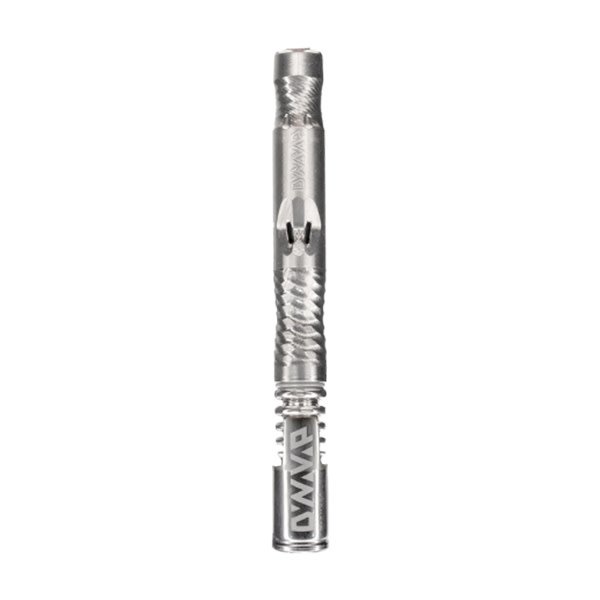
DynaVap (Conduction, Manual): No electronic control; relies on heating technique. Respect the click and don’t overheat.
Mighty/Crafty (Hybrid, Portable): 365–380°F recommended starting point. Highly efficient extraction.
For international users, most quality devices display temperatures in both Fahrenheit and Celsius. If your device only shows one scale, simple conversion tools are available online, or memorize key reference points: 160°C = 320°F, 180°C = 356°F, 200°C = 392°F.
Temperature accuracy varies significantly by device quality. Desktop vaporizers with digital controls typically maintain temperature within ±5°F. Budget portable conduction devices may vary by ±20°F or more. If precision matters for medical dosing, invest in a quality device with verified temperature accuracy.
Practical Guide: Finding Your Perfect Vaporizer Temperature
Theory means nothing without practical application. Here’s a systematic approach to discovering your ideal temperature through controlled experimentation:
Week 1: Baseline Low-Temperature Sessions
Start at 320°F (160°C). Load your vaporizer with a standard amount of herb (note the exact quantity). Take your first session at this temperature, paying close attention to:
- Vapor visibility and density
- Flavor profile (note specific tastes)
- Onset time of effects
- Nature of effects (head vs body, energizing vs sedating)
- Duration of effects
- Any throat or lung irritation
Record all observations immediately after your session. Wait at least 4 hours before your next session to avoid tolerance confusion.
Week 2: Mid-Range Exploration
Repeat the same process at 350°F, 365°F, and 380°F over separate sessions. Use the same herb strain and quantity to ensure valid comparisons. Note how each temperature change affects your experience.
Most users discover their preferred range during this phase. You’ll likely notice that 365–380°F offers the strongest effects, while 350°F preserves better flavor.
Week 3: High-Temperature Testing
Carefully test 390°F, 400°F, and (if your device allows and you choose) 410°F. These sessions should only occur in the evening when sedation isn’t problematic. Document any harshness, coughing, or discomfort alongside effects.
You’re not looking for your everyday temperature here but rather understanding the full spectrum your device offers.
Week 4: Refinement
Based on your notes, identify your top 2-3 temperature preferences. Spend this week alternating between them in different contexts: morning vs evening, different strains, different desired outcomes. Fine-tune by adjusting 5–10°F in either direction.
Troubleshooting Common Issues:
Weak or no visible vapor: Increase temperature by 10–15°F, check that herb is properly dried (not too fresh/moist), verify device is actually reaching set temperature, ensure you’re drawing slowly enough to give heat time to extract compounds.
Harsh, burnt taste: Lower temperature immediately, check that herbs aren’t packed too tightly, clean your device (residue causes bad flavors), verify you’re not exceeding safe temperature limits, try slower draws.
Uneven extraction (some herb dark, some green): Stir herbs halfway through session, don’t overpack chamber, if using conduction device, consider convection upgrade, ensure proper grind consistency (not too fine, not too coarse).
Effects too mild: Increase temperature in 10°F increments up to 390°F maximum, verify herb quality and freshness, ensure full inhalation technique, wait longer between draws for vapor to build.
Effects too intense: Lower temperature to 340–360°F range, reduce quantity of herb, try shorter sessions, switch to CBD-rich herbs or strains.
Keep a simple journal using this template:
Date | Time | Device | Herb Type | Amount | Temperature | Session Length | Effects (1-10) | Flavor (1-10) | Notes
After a month of tracking, patterns will emerge clearly. You’ll know exactly which temperature serves which purpose and can adjust confidently based on your current needs.
Advanced Tips: Extraction Efficiency & Session Timing
Once you’ve mastered basic temperature control, these advanced techniques can further optimize your experience:
Temperature Stepping
Rather than maintaining one temperature throughout a session, gradually increase heat to extract different compounds sequentially. Start at 340°F to capture terpenes and lighter cannabinoids. After 3-4 draws, increase to 365°F for balanced extraction. Finish at 380–390°F to ensure complete extraction.
This technique maximizes both flavor (captured early) and efficiency (nothing left behind). Many users report more complex, satisfying effects from stepped sessions.
Stirring Protocol
After you’ve taken several draws, pause and gently stir your herb chamber. This exposes less-heated material to direct heat and dramatically improves extraction evenness, especially in conduction devices.
Studies show stirring can increase total cannabinoid extraction by 20–30% compared to unstirred sessions at the same temperature.
Session Timing Optimization
The relationship between temperature and time affects extraction. At 365°F, most cannabinoids extract within 5–7 minutes of active drawing. At 340°F, the same extraction requires 10–12 minutes.
For quick, efficient sessions, use moderate temperatures (365–380°F) and draw consistently over 5 minutes. For extended, social sessions emphasizing flavor, use lower temperatures (340–355°F) and stretch the session over 15–20 minutes.
Humidity and Herb Preparation
Slightly dried herbs (stored at 55–62% relative humidity) vaporize more efficiently than very fresh or completely desiccated material. If your herbs are too moist, they’ll require higher temperatures and produce thin vapor. If too dry, they may combust easily.
Store herbs with humidity control packs at 58–62% RH for optimal vaporization. Grind to a medium consistency; not powder, not chunks.
Blending for Complexity
Combine herbs with different optimal temperatures to create layered effects. Place lower-temperature herbs (eucalyptus at 266°F) on top, higher-temperature herbs (chamomile at 374°F) on bottom. Set temperature to middle ground (320–350°F) and the herbs will vaporize at different rates, creating evolving flavor and effects throughout the session.