





The question of smartshop product safety doesn’t have a simple yes or no answer. These products occupy a unique space in the wellness and psychoactive landscape, offering experiences that range from subtle cognitive enhancement to profound psychedelic journeys. For anyone considering their first smartshop purchase, understanding the nuanced reality of safety is essential.
Smartshop products can be used safely by healthy adults who approach them with proper knowledge, respect, and preparation. However, “can be safe” is very different from “is always safe.” The safety of any smartshop product depends on multiple factors: the specific substance, its source and purity, correct dosing, your individual health profile, mental state, and whether you’re using it in compliance with local regulations. No smartshop product is entirely without risk. The spectrum of potential consequences ranges from mild discomfort to serious psychological distress, physical side effects, dependency issues, and legal problems.
What sets apart truly safe smartshop experiences from dangerous ones is education, preparation, and responsible sourcing. In regulated environments like the Netherlands, where smartshops operate under strict oversight and harm reduction protocols established by organizations like VLOS (the Dutch Smartshop Association), the safety margins are considerably better than in unregulated markets. Yet even in these ideal conditions, the products themselves carry inherent risks that no amount of regulation can completely eliminate.
Understanding Smartshop Products: Beyond the Label
The term “smartshop product” encompasses a surprisingly diverse range of substances, each with distinct effects, risks, and legal statuses. These are not simply “legal highs” or mere supplements. They represent plant medicines, novel cannabinoids, cognitive enhancers, and psychoactive compounds that exist in the spaces between pharmaceutical regulation and outright prohibition.
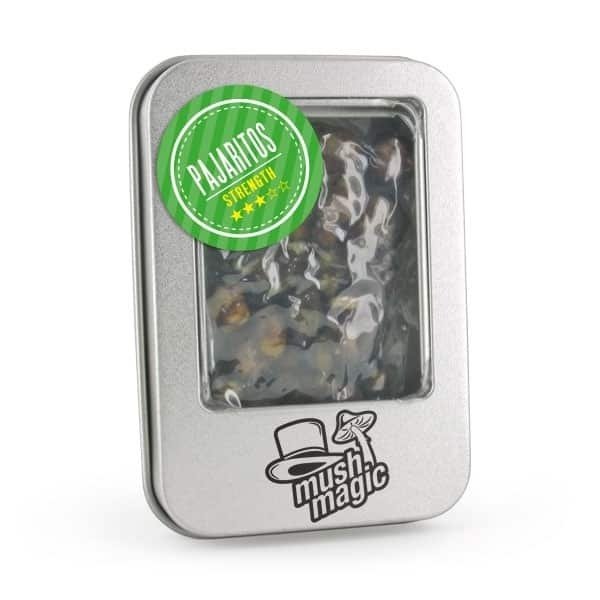
Magic truffles, known scientifically as psilocybin sclerotia, are perhaps the most recognized smartshop product. These are the underground portions of certain psilocybin-producing fungi, legal in the Netherlands while their above-ground cousins (mushrooms) remain prohibited. They produce profound alterations in perception, thought patterns, and emotional states, with experiences that can range from euphoric and insightful to challenging and frightening.
Kratom (Mitragyna speciosa) presents a different profile entirely. This Southeast Asian tree’s leaves contain compounds that interact with opioid receptors, producing effects that can be stimulating at lower doses and sedating at higher ones. Unlike classical psychedelics, kratom carries real dependency risks and has documented withdrawal symptoms in regular users.
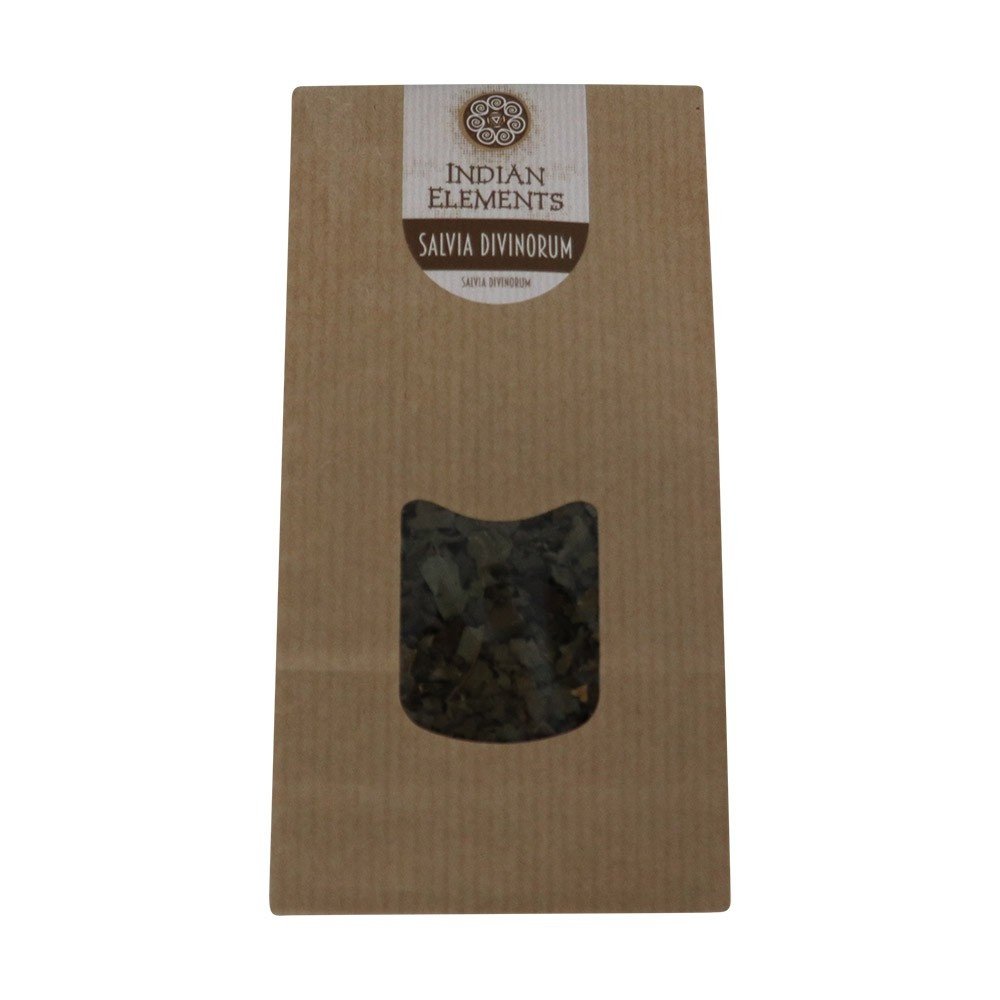
Salvia divinorum represents the intense end of the spectrum. This Mexican mint produces salvinorin A, one of the most potent naturally occurring psychoactive compounds known. Its effects are brief but can be overwhelmingly disorienting, with users often reporting complete detachment from normal reality.
Mescaline-containing cacti like San Pedro and Peyote offer long-duration psychedelic experiences. The traditional ceremonial use of these plants spans thousands of years, but in a smartshop context, users typically lack the cultural framework and guidance that has historically surrounded their use.
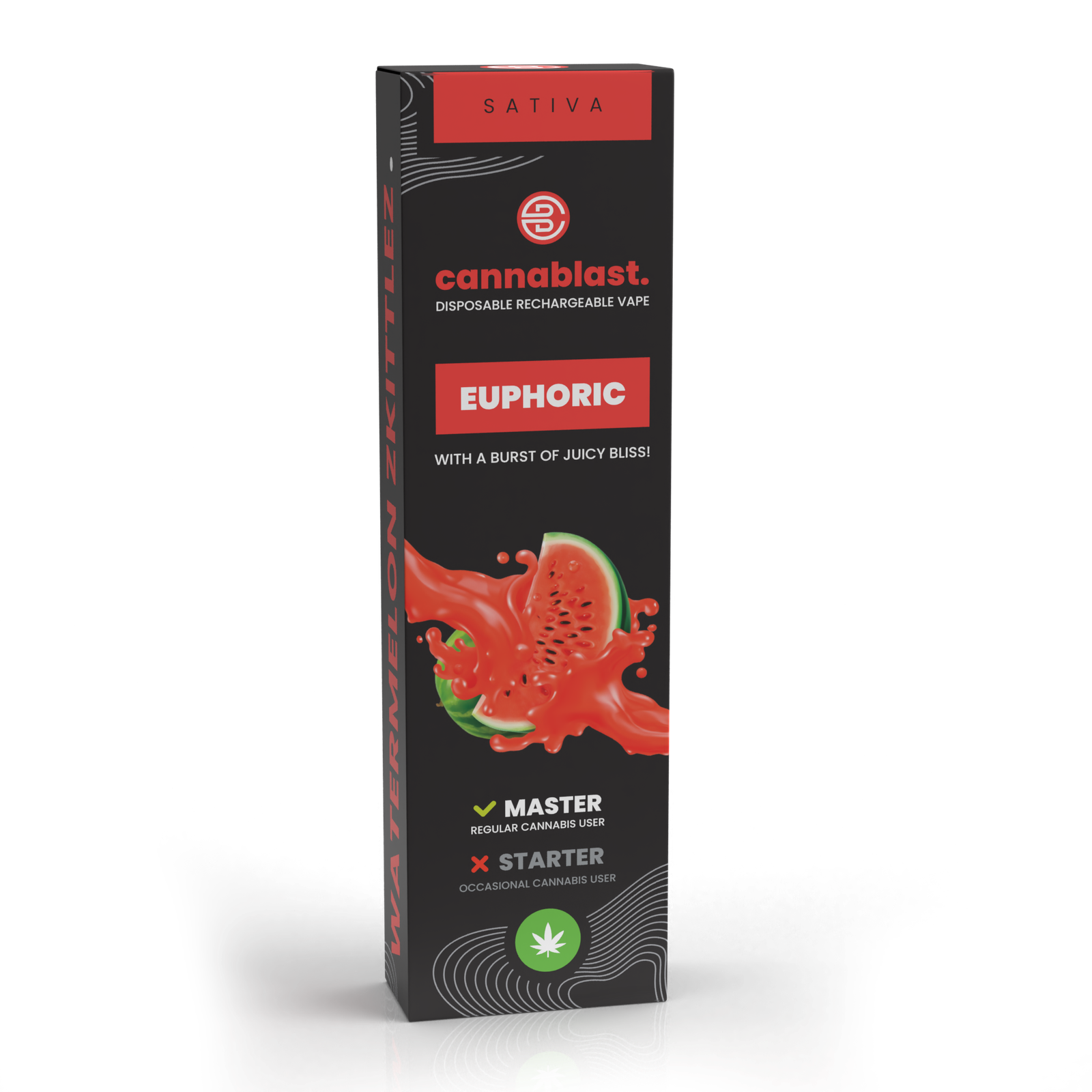
HHC (Hexahydrocannabinol) and other novel cannabinoids represent the newest category. These are semi-synthetic or naturally occurring compounds chemically related to THC but existing in legal gray areas across Europe. They produce cannabis-like effects but with virtually no long-term safety data and highly variable quality between products and producers.
Nootropics and cognitive enhancers round out the category, ranging from well-studied compounds like caffeine derivatives to exotic plant extracts with limited research backing. These are marketed for focus, memory, creativity, or mood enhancement, often with effects subtle enough that placebo effects can be difficult to distinguish from real pharmacological action.
The common thread among all these products is that being “legal” or “natural” offers no guarantee of safety. Ricin is natural. Arsenic is natural. The designation simply means they occupy a particular regulatory status in a particular jurisdiction at a particular time. Nothing more.
The Real Safety Picture: Product by Product
Understanding the actual safety profile of smartshop products requires moving beyond marketing claims and examining what clinical research, toxicological data, and user experience actually tell us.
Magic truffles have a relatively favorable safety profile from a physiological perspective. Psilocybin has extremely low toxicity, and fatal overdoses are virtually unheard of. The primary risks are psychological: anxiety attacks, paranoid ideation, overwhelming confusion, or the triggering of latent mental health conditions in vulnerable individuals. The experience is highly dependent on set (mindset), setting (environment), and dose. A moderate dose taken in a safe, comfortable environment with a trusted sober companion is vastly different from the same dose taken alone in an unfamiliar place while already anxious.
The research literature shows that controlled psilocybin experiences can have therapeutic value, but this occurs in carefully designed clinical contexts with screening, preparation, professional guidance, and integration support. A smartshop purchase lacks most of these safeguards. The risks increase substantially for anyone with personal or family history of psychotic disorders, severe anxiety, or bipolar disorder.
Kratom presents an entirely different risk profile. While marketed as a natural wellness product, its pharmacology is that of an opioid agonist. The risks include nausea, constipation, dizziness, and sweating in the short term, with dependence, tolerance, and withdrawal emerging with regular use. The DEA and FDA in the United States have raised serious concerns about kratom safety, though it remains legal in many jurisdictions including parts of Europe.
Documented cases of kratom-related deaths almost always involve polysubstance use, where kratom is combined with other depressants. For a beginner, this underscores a critical safety principle: never mix smartshop products with alcohol, prescription medications (especially psychiatric or pain medications), or other psychoactives without expert medical guidance.
Salvia divinorum occupies a unique risk category. Its acute toxicity is low, but the intensity and disorienting nature of the experience create substantial accident and injury risk. Users regularly report complete dissociation from their body and surroundings, making falls, burns, and other injuries concerningly common. The experience is frequently described as disturbing or terrifying even by those who sought it intentionally. There are no documented long-term physical health consequences, but the psychological impact can be lastingly distressing for unprepared users.
Mescaline cacti produce long-duration psychedelic experiences that typically last 10 to 12 hours. The initial phase often includes significant nausea and vomiting, which indigenous traditions frame as purging but which represents real physiological stress. The cardiovascular system is also affected, with increased heart rate and blood pressure, making these products risky for anyone with heart conditions. The psychological risks mirror those of psilocybin, with the added challenge that the extended duration means a difficult experience lasts much longer.
HHC and novel cannabinoids present the challenge of being largely unstudied. We lack comprehensive data on long-term effects, safe dose ranges, and interactions. Quality and potency vary enormously between products because production is not standardized. Some products marketed as HHC contain other cannabinoids or contaminants. The effects are generally described as similar to THC (euphoria, relaxation, altered perception), but also include risks of anxiety, paranoia, and sedation. For someone new to cannabinoids, the unpredictability is itself a significant safety concern.
Nootropics span such a wide range that generalization is difficult. Well-studied compounds like caffeine, L-theanine, and certain B vitamins have established safety profiles. Exotic botanical extracts marketed for cognitive enhancement often lack human safety data. The risks are generally subtler than with psychedelics but can include insomnia, headaches, digestive issues, and interactions with medications.
Why Regulation Determines Safety More Than You Think
The legal status of a substance profoundly affects its safety in practice, even when the molecule itself is identical. This is not about the law making something chemically safer, but about the entire ecosystem surrounding how a product reaches consumers.
In the Netherlands, smartshops operate under the oversight of VLOS and are subject to inspections by the NVWA (Netherlands Food and Consumer Product Safety Authority). Member shops follow quality standards that include product testing, accurate labeling, age verification, refusal of sales to visibly intoxicated or vulnerable individuals, and provision of harm reduction information. Staff receive training in product effects, risks, and responsible use guidance.
This regulated environment means that a package of magic truffles purchased from a Dutch smartshop comes with a known psilocybin content range, storage and freshness standards, dosing guidelines, and access to informed staff who can answer questions. The product is what it claims to be.
Contrast this with unregulated markets. Products sold online from jurisdictions with no oversight, or from anonymous vendors, carry risks of contamination, misidentification, or deliberate substitution with cheaper or more dangerous substances. A “truffle” product might contain different species than labeled, or be contaminated with fungi producing dangerous toxins. An “HHC vape” might contain synthetic cannabinoids of unknown safety, heavy metals from poor manufacturing, or pesticides from source material.
The legal landscape across Europe is a patchwork. While the Netherlands allows regulated smartshop sales, countries like Sweden, Finland, and the UK have banned most or all of these substances. France and Germany occupy middle positions with restrictions on specific compounds. This creates confusion for consumers and means that ordering products across borders can result in confiscation, fines, or in extreme cases, prosecution.
Even where products are legal, the absence of pharmaceutical-grade regulation means quality can vary significantly. The European regulatory framework treats these products inconsistently, some as foods or supplements, others as unregulated botanicals. This creates responsibility gaps where no authority is systematically ensuring purity or safety.
For beginners, this regulatory reality has practical implications: the same product name can refer to very different actual products depending on source. Safety starts with knowing that what you’re taking is actually what you think it is, and that means sourcing matters enormously.
Your Safety Checklist: Non-Negotiable Preparation Steps
Beginning with smartshop products safely requires treating the experience with the same seriousness you would any powerful pharmacological intervention. The following steps are not optional extras, they are fundamental safety measures.
Source verification comes first. Research the shop or vendor thoroughly. Established smartshops with physical locations, membership in professional associations like VLOS, clear contact information, and transparent business practices are vastly preferable to anonymous online vendors or social media sellers. Read independent reviews from harm reduction forums, not just testimonials on the seller’s own site. Verify that products come sealed with batch numbers and expiration dates. If a vendor cannot or will not provide basic product information, consider that a disqualifying red flag.
Product authenticity and purity cannot be assumed. Legitimate sellers provide detailed ingredient lists, dosing information, and often certificates of analysis showing testing results. For substances like HHC where purity varies wildly, third-party lab testing verification is essential. Be deeply skeptical of vague descriptions like “herbal blend” or products sold in unlabeled bags. If the seller cannot tell you exactly what’s in the product and in what quantity, do not use it.
Dosage discipline prevents the majority of bad experiences. The single most common mistake beginners make is taking too much. Every reputable source on psychedelics, kratom, novel cannabinoids, or any other smartshop product emphasizes starting with a fraction of the “normal” dose. For your first experience with any substance, take half or less of the recommended beginner dose. Wait the full duration for effects (which can be 30 minutes to 2 hours depending on the substance) before even considering taking more. The discomfort of a too-weak experience is temporary and harmless. The trauma of an overwhelming experience can be lasting.
Never combine substances without expert knowledge. This means no alcohol, no mixing different smartshop products, no combining with prescription medications unless you have explicit medical approval. The interactions between psychoactive substances are complex and can be dangerous. Kratom combined with alcohol or benzodiazepines increases respiratory depression risk. Psychedelics combined with certain antidepressants can cause serotonin syndrome. Even “natural” combinations can be hazardous. Assume that combining substances multiplies rather than adds risks.
Set and setting are not mystical concepts, they are practical safety factors. “Set” refers to your mindset: your expectations, current emotional state, intentions, and mental health. “Setting” is your physical and social environment. Both profoundly influence your experience, especially with psychedelics. Use only when you are in a stable, positive mental state. Never use to escape from problems or when feeling depressed or anxious. Choose a safe, private, comfortable environment where you will not be disturbed and have no responsibilities. Having a trusted, completely sober person present (a “trip sitter”) is essential for first experiences with any psychedelic or strongly psychoactive substance.
Emergency preparedness is part of responsible use. Before using any product, ensure you have local emergency numbers easily accessible, that someone trustworthy knows your plans, and that you have basic comfort supplies (water, light snacks, comfortable seating, blankets). If something goes wrong, calling for help should never be complicated by not knowing how to reach emergency services or being unable to communicate your location.
Who Should Absolutely Avoid Smartshop Products
Certain groups face substantially elevated risks from smartshop products, to the point where use is genuinely inadvisable regardless of precautions.
Anyone under 18 (or 21 in some jurisdictions) should not use psychoactive smartshop products. This is not arbitrary moralism. The brain continues developing into the mid-twenties, and exposure to powerful psychoactives during this period carries risks of lasting impacts on cognition and mental health that do not apply to mature adults.
Pregnancy and breastfeeding represent absolute contraindications. The effects of most smartshop products on fetal development and infant exposure through breast milk are unknown or known to be harmful. No responsible source would suggest that the risks are acceptable.
Mental health history matters enormously. Anyone with personal or family history of psychotic disorders, schizophrenia, bipolar disorder, or severe anxiety disorders should avoid psychedelics and many other smartshop products. These substances can trigger acute psychotic episodes or unmask latent conditions. Even for less intense products like nootropics, interactions with psychiatric conditions and medications create unacceptable risks without medical supervision.
Physical health conditions also create contraindications. Cardiovascular disease, uncontrolled hypertension, liver disease, kidney disease, and seizure disorders all elevate risks substantially with various smartshop products. Mescaline cacti and stimulant nootropics stress the cardiovascular system. Kratom is metabolized by the liver and can be dangerous for those with hepatic conditions. If you have any significant medical condition or take prescription medications regularly, consult a physician before using any smartshop product. This conversation can be framed around specific substances and their mechanisms without requiring disclosure of intent to use.
Medication interactions create hidden dangers. SSRIs and other psychiatric medications can interact dangerously with psychedelics (serotonin syndrome) and other smartshop products. Opioid medications and kratom should never be combined. Immunosuppressants, blood thinners, and many other medication classes have documented or theoretical interactions with various smartshop substances. The absence of comprehensive interaction studies means many risks remain unknown, making medical consultation essential.
The Online vs. In-Store Safety Divide
The channel through which you purchase smartshop products significantly impacts safety, beyond just the question of product authenticity.
Physical smartshops, particularly in the Netherlands where the industry is established and regulated, offer distinct safety advantages. Staff training means you can ask questions and receive informed, experience-based answers. You can assess product packaging, freshness, and labeling in person. The shop’s reputation is tied to a physical location and legal business registration, creating accountability. Harm reduction materials are typically available, and responsible shops will refuse sales if they have concerns about a customer’s fitness to use products safely.
The limitations of physical shops include geographic restriction (they largely exist only in the Netherlands and a few other jurisdictions), limited hours, and for some people, the discomfort of an in-person transaction for such products.
Online smartshops expand access but introduce new risks. Product verification becomes harder when you cannot physically inspect packaging. The reputation of online vendors is more difficult to assess, with fake reviews and anonymous operations common. Shipping introduces delays where product freshness matters (as with truffles), and creates legal risk if crossing borders where products are restricted.
For online purchases, verification becomes critical. Look for vendors who provide detailed product information, third-party testing results, transparent business registration, and clear customer service contacts. Check independent harm reduction forums like Reddit’s r/smartdrugs or Erowid for vendor reviews. Be extremely cautious of vendors who operate only through social media, accept only cryptocurrency, or cannot provide verifiable business information.
A hybrid approach offers the best safety profile: use online resources for education and research, but make initial purchases from established physical locations where you can ask questions and verify products directly. As you gain experience and knowledge, online ordering from verified vendors becomes more reasonable, but never compromise on source verification to save money or access restricted products.
What Responsible Vendors Won’t Tell You (But Should)
Even the best smartshops face conflicts between business interests and complete transparency. Understanding what you might not be told helps you ask better questions and make safer decisions.
Product variability is often understated. Natural products like truffles and cacti vary in potency between batches, sometimes substantially. A “15-gram” truffle package might contain significantly different psilocybin content than another package of the same nominal weight and strain. Responsible vendors acknowledge this and recommend conservative dosing, but the marketing emphasis is typically on consistency rather than variability.
Long-term safety data is sparse or absent for many products. Novel cannabinoids like HHC have virtually no long-term human safety studies. Even for better-studied substances like psilocybin, most research involves controlled, supervised use very different from recreational smartshop purchases. Vendors rarely emphasize how little we truly know about the long-term effects of repeated use.
The addiction potential of kratom is frequently downplayed. While accurately noting it is not a classical opioid and has harm reduction applications for opioid dependence, vendors often minimize the well-documented dependency issues that can develop with regular kratom use. The severity of withdrawal, while generally less than pharmaceutical opioids, is still significant and distressing for many users.
Legal status can change suddenly. The regulatory landscape for smartshop products is in constant flux. What is legal today may be restricted or banned next month, creating both legal risks for consumers and supply uncertainty. Vendors have business incentives to be optimistic about regulatory stability, but the reality is that many of these products exist in precarious legal positions.
Individual variability in response is enormous. While average effects and doses are useful starting points, the range of individual reactions to psychoactive substances is remarkably wide. What is overwhelming for one person might be barely noticeable to another, even at the same dose. Genetic variations in metabolism, prior substance exposure, psychological factors, and other variables all contribute. Vendors can provide general guidance, but cannot predict your individual response.
Moving Forward: Building a Personal Safety Framework
Safety with smartshop products is not about memorizing rules, but about developing judgment and respect for powerful substances. The goal is informed autonomy, where you can make decisions based on understanding rather than fear or reckless overconfidence.
Education is ongoing. Before trying any new substance, invest hours in research. Read experience reports on Erowid. Review scientific literature on PubMed. Participate in harm reduction communities. Understand not just the desired effects but the full range of possible experiences. Know the duration, the dose-response curve, the risks, and the warning signs of problems.
Start conservatively and progress slowly. Your first experience with any substance should be cautious: low dose, ideal setting, maximum preparation. Only with experience and confirmed good tolerance should you consider higher doses or less controlled settings. Many of the most valuable and profound experiences with psychedelics come from moderate rather than heroic doses.
Respect set and setting always, not just for first experiences. Even with familiarity, context matters enormously. Using psychedelics when stressed, grief-stricken, or in chaotic environments invites difficulty. Maintaining discipline about when and where you use is part of sustainable, safe engagement with these substances.
Integration matters as much as the experience itself. Particularly with psychedelics, the experience itself is only part of the value. Reflecting on insights, discussing experiences with trusted others, and incorporating learning into your life extends benefits and processes challenges. Rushing from one experience to the next without integration is neither safe nor beneficial.
Know when to stop or take breaks. Tolerance develops to most psychedelics, requiring increasingly long breaks between uses. Kratom users who progress to daily use risk dependency. Even nootropics can lose effectiveness or create adverse effects with continuous use. Building in rest periods maintains both safety and effectiveness.
Recognize that not every substance is for every person. If your first carefully-prepared experience with a substance is profoundly negative, that is valuable information. Some people do not respond well to particular substances regardless of precautions. There is no shame or failure in deciding that a substance is not for you.
Finding Reliable Information and Support
Beyond vendors, independent harm reduction resources provide crucial safety information without commercial conflicts of interest.
Erowid (erowid.org) maintains one of the most comprehensive databases of psychoactive substance information, including experience reports, dosage information, and safety data. The experience vaults, while anecdotal, provide insight into the range of possible effects.
PsychonautWiki offers detailed, well-referenced information on dosing, effects, and risks for hundreds of substances, including many smartshop products.
The VLOS (Vereniging Landelijk Overleg Smartshops) provides industry standards and consumer information, particularly relevant for Netherlands-based purchases.
MAPS (Multidisciplinary Association for Psychedelic Studies) publishes research on psychedelic therapy and safety, offering scientifically grounded information.
Bluelight and Reddit harm reduction communities (r/psychedelics, r/kratom, etc.) offer peer support and information sharing, though quality varies and should always be verified against authoritative sources.
Local harm reduction organizations in many European cities provide drug checking services, where you can have substances tested for purity and identity, often free or low-cost.
The path to safe smartshop product use is built on knowledge, preparation, honest self-assessment, and respect for the power of these substances. They are neither harmless natural supplements nor inherently dangerous toxins, but complex pharmacological agents that demand informed, cautious engagement. For those who approach them with proper care, they can be used with acceptable risk. For those who ignore safety principles, the consequences can be severe. The choice, and the responsibility, is yours.

The Ultimate Guide to Pre Rolled King Size Cones and Premium Headshop Products
In today’s evolving smoking culture, convenience, quality, and consistency matter more than ever. Whether you’re a seasoned enthusiast or someone
Buy CBD Oil Online: A Modern Approach to Wellness and Mental Clarity
In recent years, natural wellness solutions have gained remarkable popularity as people search for safer and more balanced ways to

Your Complete Guide to Visiting a Cannashop Online Safely and Smartly
The wellness world has undergone a remarkable transformation in recent years, and one of the most significant shifts has been