




Hash in the Netherlands: Types, Legality & Where to Buy Online

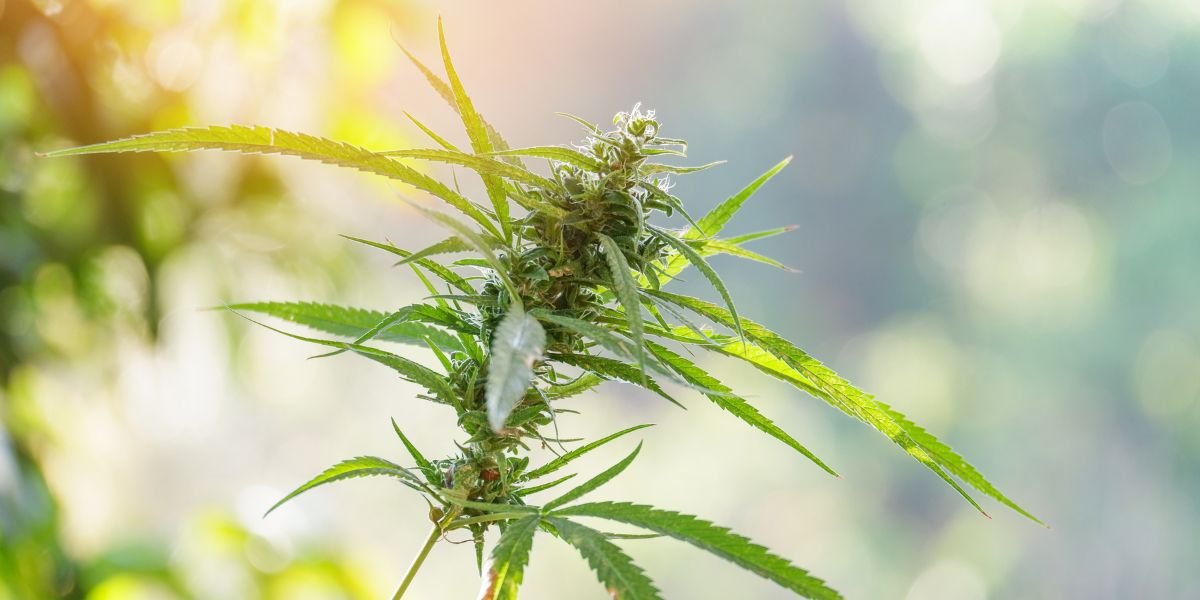
Hash has been part of Dutch cannabis culture longer than most people realise. Long before the coffeeshop system formalised in the 1970s and 1980s, hash was already circulating through Amsterdam imported from Morocco, Afghanistan, and Lebanon through trading routes that made the Netherlands a natural hub for European distribution.
Today, hash is still one of the most popular cannabis products available in the Netherlands. It’s different from weed in important ways: different production methods, different consistency, different effect profiles, and a different range of flavours and strengths that regular flowers simply don’t replicate. But for many buyers, especially when trying to buy hash Netherlands online without being able to see or smell the product first.
What’s the difference between Moroccan and Afghan hash? What does bubble hash mean? How do you know what you’re buying is good quality? And where do you actually buy hash in the Netherlands online if you’d rather shop from home than queue in a coffeeshop on a rainy afternoon in Amsterdam?
What Is Hash and How Is It Made?
Hash short for hashish is a cannabis concentrate made by separating the resin glands (trichomes) from cannabis plant material and compressing them into a solid or semi-solid form. Those trichomes are where the THC, CBD, and terpenes live so hash is essentially a concentrated collection of the most potent parts of the cannabis plant.
The method of separation is what defines different types of hash, and it’s what produces the enormous variation in texture, colour, potency, and flavour across different varieties.
The three main production methods:
Hand-rubbing (traditional).
The oldest method. Live cannabis plants are rubbed by hand, and the resin that sticks to the palms is collected and pressed. Charas from India and Nepal are made this way. It’s labour-intensive, which is why it’s associated with artisanal, small-scale production. The result is a dark, soft, highly aromatic hash with complex flavour.
Dry sieving (mechanical separation).
Dried cannabis is sieved through fine mesh screens, separating the trichomes from the plant material. This is how most Moroccan and Afghan hash is made commercially. The quality of dry-sieved hash depends enormously on the fineness of the screen and how many times the material is sieved; more sieving means a purer, more potent hash.
Ice water extraction (bubble hash).
Cannabis is agitated in ice-cold water, which causes trichomes to become brittle and break off. The mixture is then filtered through progressively finer mesh bags to separate trichomes by size and purity. The result is dried into what’s called bubble hash, typically very clean, very potent, and quite different in appearance from traditional pressed hash.
Is Hash Legal in the Netherlands?
This question deserves a clear, honest answer rather than the vague ‘it’s complicated’ response you’ll get from a lot of sources.
Hash is a controlled substance in the Netherlands under the Opium Act (Opiumwet). Technically, it is illegal. However and this is the key to understanding Dutch cannabis policy, the Netherlands operates a tolerance system called gedoogbeleid, under which personal use and small-scale possession and sale are effectively decriminalised and tolerated through the licensed coffeeshop system.
What this means practically:
- Licensed coffeeshops can legally sell hash and cannabis to adults (18+)
- Personal possession of up to 5 grams of hash is tolerated and will not result in prosecution
- Purchasing from licensed sources (coffeeshops, regulated online retailers) is the accepted and practical route for consumers
- Production, large-scale distribution, and supply to coffeeshops exists in an ongoing regulatory grey area the so-called ‘back door problem’ that the Netherlands has been working to resolve through regulated cultivation pilots
Types of Hash Available in the Netherlands
The Dutch cannabis market has access to a wider variety of hash than almost anywhere else in Europe. Here are the main types you’ll encounter online and in coffeeshops.
1. Moroccan Hash (Pollen / Sputnik / Pollinator)
Moroccan hash is the most common type in the Dutch market since the 1970s when trade routes from North Africa through the Netherlands established what would become a decades-long supply relationship. It’s made by dry sieving cannabis flower and pressing the resulting knife. Quality varies enormously: low-grade Moroccan hash (often called ‘soap bar’ in the UK, less so in NL) is compressed with additives, while high-grade Moroccan sometimes labelled zero-zero (00) for the finest sieve is clean, aromatic, and genuinely excellent. Dutch coffeeshops typically stock mid-to-high grade Moroccan as their standard hash option.
2. Afghan Hash (Mazar-i-Sharif / Black Afghan)
Afghan hash is the other pillar of the Dutch hash market. It’s heavier and more sedating than Moroccan; the effect is more body-focused and longer-lasting, which reflects the indica-dominant genetics of the cannabis grown in Afghanistan’s Hindu Kush valleys. Traditional Afghan hash is made by hand-pressing kief with minimal heat, producing a dense block that’s much darker than its Moroccan counterpart. The smell is characteristic of strong dark spices, rubber, and earth. Some people love it, others find it an acquired taste. The effect is not subtle: Afghan hash at a moderate dose is firmly in relaxing, evening-use territory.
3. Bubble Hash (Ice Water / Full Melt)
Bubble hash is the premium option for hash connoisseurs and it’s become increasingly available in the Netherlands as domestic cannabis production has expanded. Made using ice water extraction rather than dry sieving, it’s cleaner and more concentrated than traditional pressed hash. Top-grade bubble hash called ‘full melt’ because it vaporises completely without residue can reach extraordinary potency levels. It’s typically consumed differently from traditional hash: on its own in a bong or dab rig, or carefully added to a joint without tobacco. It doesn’t behave like a pressed hash and it doesn’t need to.
4. Charas (Hand-Rubbed Hash)
Charas is one of the oldest forms of hash in the world made by rolling live cannabis plants between the palms and scraping off the collected resin. It’s deeply aromatic in a way that’s quite different from pressed hash: the flavour profile is complex and spicy, with notes that experienced hash smokers find genuinely unique. Because it’s hand-made from fresh plants rather than dried sieved material, it retains a different terpene profile. In India, charas from regions like Malana (Malana Cream) has near-legendary status among connoisseurs. Availability in the Dutch market is more limited than Moroccan or Afghan, but it does appear in specialist shops.
How to Identify Good Quality Hash
This is where buying from a reputable retailer matters most. Good hash is distinguishable from poor quality hash but only if you know what to look for. Here’s what experienced buyers check.
The burn test.
Quality hash burns cleanly when a small piece is held to a flame it bubbles gently and produces a thin, light smoke. It should go out when the flame is removed. Hash that doesn’t stay lit, burns with a chemical smell, or leaves excessive black residue is likely adulterated. This is the most reliable quick test.
Texture and malleability.
Pressed hash should soften and become pliable when gently warmed between the fingers. If it stays hard and waxy regardless of heat, that’s a sign of artificial binding agents. If it crumbles into powder immediately without any compression, it may be very dry or low quality. The sweet spot is firm when cold, workable when warmed.
Smell.
Good hash smells like cannabis earthy, spicy, sometimes floral or fruity depending on the variety. If it smells strongly of chemicals, plastic, or artificial fragrance, something has been added. A faint smell or no smell at all usually indicates low terpene content in older, poorly stored, or low-grade products.
Ash colour.
When smoked, quality hash produces a light grey or white ash. Dark black ash that doesn’t grey out suggests contaminants. This is worth knowing before you buy reputable online retailers who describe their products honestly are far more reliable than anonymous street sources.
Where to Buy Hash in the Netherlands Online
If you want to buy hash in the Netherlands online, your options have genuinely improved in recent years. Physical coffeeshops remain the traditional route and Amsterdam, Rotterdam, Den Haag, Utrecht, and most major Dutch cities have multiple licensed shops. But online buying offers advantages that coffeeshop browsing doesn’t.
Why buy hash online in the Netherlands?
- More detailed product information origin, production method, cannabinoid content, terpene profile
- More time to compare options without feeling pressured in a shop environment
- Access to specialist varieties (bubble hash, charas) that many physical shops don’t carry
- Discreet home delivery within the Netherlands
- Reviews from other buyers to calibrate expectations
At Canna Doctor, our cannashop carries a curated range of hash products Moroccan, Afghan, bubble hash, and more with honest descriptions, origin information, and clearly stated potency. We don’t list products we wouldn’t vouch for personally, and every product comes with the information you need to make a genuine choice.
When buying hash online in the Netherlands, the key things to look for are: clearly stated origin and production method, honest potency information, a verifiable retailer with real customer contact details, and a returns or quality policy that applies if a product isn’t as described.
How to Use Hash: Quick Practical Guide
If you’re new to hash, it behaves differently from cannabis flower and the approach is slightly different depending on the type.
In a joint.
The most common method in the Netherlands. Warm the hash slightly until it crumbles, then mix it with tobacco or cannabis flower and roll. Pressed Moroccan and Afghan hash works best this way. Bubble hash is less suited to joints as it can be oily and hard to distribute evenly.
In a bong or pipe.
Small pieces of pressed hash placed on top of herb in a pipe or bong work well. It burns slower than flower so you get longer, cooler hits. This method wastes less product than a joint and gives a cleaner flavour profile.
Dabbing or vaporizing.
Full melt bubble hash is designed for this. A dab rig or quality vaporizer set to the right temperature (around 160–185°C for flavour preservation) produces a clean, intense experience. Pressed hash can also be vaporized but works better in vaporizers specifically designed for concentrates.
Final Thoughts
Hash is one of the oldest and most culturally rich cannabis products in the world and the Netherlands is one of the few places where you can explore the full range legally and openly. From classic Moroccan gold to high-grade Dutch-produced bubble hash, there’s a world of difference between product types, and part of the pleasure is finding what suits you.
Buy from a retailer who knows what they’re selling, platforms like Canna Doctor, for example, focus on providing clear product information and curated selections start at a sensible dose, and take the time to appreciate what makes each variety different. Hash rewards patience and attention in ways that grab-and-go coffeeshop browsing often doesn’t.
Frequently Asked Questions
1. Can I legally buy hash online in the Netherlands?
Within the Dutch tolerance system (gedoogbeleid), purchasing hash from regulated retailers is a practical and widely accepted route for consumers. Hash is technically a controlled substance under the Opium Act, but personal possession of up to 5 grams is tolerated and not prosecuted.
2. What is the strongest type of hash available in the Netherlands?
Bubble hash particularly full melt grades is typically the most potent type available, reaching 40–70% THC at top grades. Among traditional pressed hash, high-quality Afghan varieties tend to be stronger than Moroccan, often in the 25–35% THC range. Charas potency varies significantly depending on source.
3. What’s the difference between hash and weed?
Both come from the cannabis plant but they’re fundamentally different products. Weed (cannabis flower) is the dried bud of the female plant you’re consuming the whole flower. Hash is a concentrate made from the separated and compressed resin glands (trichomes) of the plant.
4. How should I store hash to keep it fresh?
Keep hash in an airtight container away from light, heat, and humidity. A small glass jar in a cool, dark cupboard works well. Properly stored hash keeps for many months and some types improve slightly with careful aging. Avoid plastic bags for long-term storage. Hash absorbs chemical odours from plastic over time.
5. How much hash should a beginner use?
Much less than you think. Hash is more concentrated than cannabis flower; a piece the size of a small match head (around 0.1 — 0.2g) is a perfectly reasonable starting point for a joint. The effects also last longer and come on slightly slower than flower, which is why the classic mistake is smoking too much too quickly.