




CBD vs CBG vs CBN: Which Cannabinoid Is Right for You?

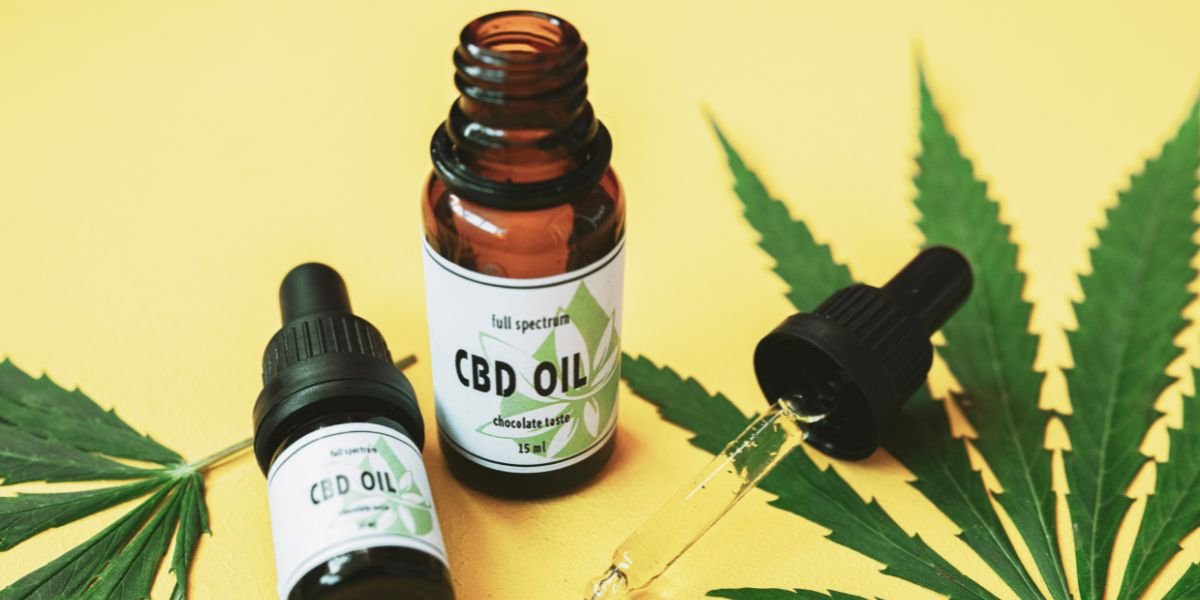
If you’ve been browsing cannabinoid products lately, you’ve probably noticed the alphabet soup expanding. It used to be just CBD. Then CBG started showing up. Now CBN is getting attention too. And unless you have a background in biochemistry, it’s hard to know what any of it actually means for you.
Here’s the thing: they’re not interchangeable. CBD, CBG, and CBN each have a distinct profile, different effects, and suit different needs. Choosing the wrong one doesn’t just mean wasted money. It means you might not get the results you were hoping for.
This guide breaks down CBD vs CBG vs CBN clearly, compares them side by side, and helps you figure out which one or which combination makes sense for your situation. Whether you’re in Germany, the Netherlands, France, or anywhere else in the EU, this is the plain-language guide you’ve been looking for.
First What Are Cannabinoids, Exactly?
Cannabinoids are naturally occurring compounds found in the cannabis plant. The plant produces over a hundred of them, but most exist in such small quantities that they’ve historically been ignored. That’s changing fast.
The most famous cannabinoid is THC, the one responsible for the high. But CBD, CBG, and CBN are all non-intoxicating (or near non-intoxicating), which is why they’ve attracted so much interest in the health and wellness space. They interact with your body’s endocannabinoid system (ECS), a network of receptors that helps regulate mood, sleep, inflammation, pain, and more.
Each cannabinoid interacts with the ECS slightly differently, which is what gives them their distinct effects.
CBD (Cannabidiol) The One Everyone Knows
What it is
CBD is the most well-researched cannabinoid after THC. It’s extracted primarily from hemp, a variety of cannabis that’s been bred to have very low THC levels and is legal across the EU when it comes from compliant sources. You’ll find it in oils, capsules, creams, edibles, and dozens of other formats.
How it works
CBD doesn’t bind directly to the main cannabinoid receptors (CB1 and CB2) the way THC does. Instead, it modulates them indirectly and also interacts with serotonin receptors, vanilloid receptors (involved in pain signalling), and others. This multi-target approach is part of why CBD gets credited with such a wide range of effects.
What people use CBD for
- Anxiety and stress relief one of the most common reasons people try CBD oil
- Sleep problems especially falling asleep and reducing nighttime waking
- Chronic pain and inflammation popular among people with joint issues
- Epilepsy the only FDA and EMA-approved pharmaceutical use (Epidiolex)
- General wellness many people use low-dose CBD as a daily supplement
What the research says
CBD has the most clinical research behind it of the three cannabinoids covered here. Studies support its use for anxiety, certain forms of epilepsy, and pain. Evidence for sleep is promising but more research is needed. The EU’s EFSA has been reviewing CBD safety extensively, and full-spectrum CBD products are widely available through health-focused retailers across Europe.
Who it suits
CBD is the most versatile starting point. If you’re new to cannabinoids, if you want something with strong research backing, or if your goals span multiple areas anxiety, sleep, pain CBD oil is the logical first choice. Browse the CBD oil range at Cannashop for quality-tested options across multiple strengths.
CBG (Cannabigerol) The ‘Mother Cannabinoid’
What it is
CBG is often called the ‘mother cannabinoid’ because CBGA (its acid precursor) is the chemical parent that other cannabinoids including CBD and THC develop from. Most cannabis plants convert nearly all their CBGA into other cannabinoids before harvest, which is why CBG ends up in very low concentrations in mature plants. This makes it rare and, currently, more expensive to produce.
It’s non-psychoactive and legal across the EU when derived from compliant hemp plants.
How it works
Unlike CBD, CBG does bind directly to both CB1 and CB2 receptors, though with lower affinity than THC. It also acts on alpha-2 adrenergic receptors (linked to blood pressure and anxiety) and inhibits serotonin reuptake meaning it may have an antidepressant-like mechanism. Researchers are still mapping exactly how CBG operates, but the early picture is genuinely interesting.
What people use CBG for
- Focus and mental clarity many users report a sharper, cleaner mental state
- Mood support early research suggests potential antidepressant effects
- Inflammatory conditions especially gut-related inflammation (early studies are promising)
- Eye health research has explored CBG’s effect on intraocular pressure (glaucoma)
- Antibacterial properties lab studies show effectiveness against some resistant bacteria
What the research says
CBG research is still in early stages mostly preclinical (animal and cell studies). Human trials are limited. That said, the preliminary results for inflammation, neuroprotection, and mood are encouraging. Expect CBG to get a lot more attention over the next five years as the research catches up with the interest.
Who it suits
CBG is particularly appealing if you’re already using CBD and want to add something more targeted for focus, mood, or gut health. It’s also gaining traction among people who’ve found CBD helpful but want to try something with a slightly different effect profile. Given its rarity, quality matters look for CBG products from trusted sources that provide third-party testing.
CBN (Cannabinol) The Sleep Specialist
What it is
CBN is a minor cannabinoid that forms when THC degrades over time through heat, light, and oxidation. Older cannabis, or cannabis that’s been stored and exposed to air, will have more CBN than fresh material. It’s the least abundant of the three in fresh hemp and is typically mildly psychoactive at high doses, though not in the amounts found in standard wellness products.
It’s now being deliberately bred or extracted and added to sleep-focused products across Europe.
How it works
CBN has a moderate affinity for CB1 receptors (which is why it can produce mild sedation at high doses) and a stronger affinity for CB2 receptors. It also interacts with TRPV2 receptors, which are involved in inflammation and immune response. The sedative reputation of CBN largely comes from anecdotal reports and older studies some newer research suggests the effect may be more pronounced when CBN is combined with other cannabinoids rather than used alone.
What people use CBN for
- Sleep onset and sleep quality the most common use case by far
- Pain relief some research suggests potential as an analgesic
- Appetite stimulation may have similar effects to THC in this regard
- Anti-inflammatory effects early research supports this
- Relaxation general winding down, particularly in evenings
What the research says
CBN has less research behind it than both CBD and CBG. A lot of the ‘CBN as sleep aid’ narrative comes from extrapolation: aged cannabis tends to make people sleepy, CBN increases as cannabis ages, therefore CBN causes sleepiness. But controlled studies haven’t fully confirmed this for CBN in isolation. That said, the anecdotal evidence is substantial, and combination products (CBN + CBD) do seem to show meaningful sleep improvements.
Who it suits
If your primary concern is sleep, specifically falling asleep, staying asleep, or both, CBN is worth exploring. It’s best tried in the evening as part of a wind-down routine. People who’ve tried CBD for sleep without great results sometimes find that adding CBN (or switching to a CBN-focused product) makes a difference.
So Which One Is Actually Right for You?
Rather than picking randomly, think about what you’re trying to address:
If anxiety or stress is your main issue: Start with CBD oil. It has the strongest research base for anxiety and a well-established safety profile. A mid-strength CBD oil taken daily is a solid starting point.
If sleep is the problem: Try CBN or a CBD + CBN combination product. CBN is specifically associated with relaxation and sedation, and the combination with CBD appears to work better than either alone for sleep.
If you want focus and mental clarity: CBG is the most interesting option here. Its effect on serotonin and adrenergic receptors makes it appealing for daytime use, productivity, and mood support.
If you’re dealing with inflammation or pain: CBD is still the best-evidenced choice. CBG may add benefit for gut-specific inflammation. CBN has some early evidence for pain too, but less than CBD.
If you want a general wellness supplement: Full-spectrum CBD oil which contains small amounts of CBG, CBN, and other cannabinoids alongside CBD gives you the ‘entourage effect’, where multiple cannabinoids working together may produce better results than any single compound alone.
The honest answer is that many people end up using more than one. CBD as a daily baseline, CBN in the evening for sleep, and CBG for specific situations. This isn’t unusual and there are no known negative interactions between the three.
A Quick Note on EU Legality
Across the European Union, CBD products derived from compliant hemp (under 0.2% THC in most countries, 0.3% in some) are legal to purchase and use. CBG and CBN products fall under similar rules in most EU member states, though regulations can vary slightly by country.
Always check that the products you’re buying come with third-party lab testing (COA Certificate of Analysis), are compliant with local regulations, and clearly list cannabinoid content. Reputable suppliers like Cannashop make this information easy to access.
If you’re looking for quality-tested CBD oil and cannabinoid products shipped within the EU, the Health section of Canna Doctor covers additional guidance on responsible use, dosing, and what to look for when buying.
Ready to Find the Right Cannabinoid for You?
You don’t have to guess anymore. Whether you’re starting with CBD oil for everyday wellness, exploring CBG for focus and mood, or trying CBN to finally sort your sleep out, the key is knowing what you’re looking for and buying from a source you can trust.
Explore the full cannabinoid range at Cannashop including premium CBD oil available in multiple strengths and formulations, all with full lab transparency and EU-compliant sourcing.
Have more questions about which cannabinoid is right for your health goals? Head over to the Health section on Canna Doctor for more in-depth guides, dosing advice, and product comparisons written in plain language for real people.
Frequently Asked Questions
1. Can I take CBD, CBG, and CBN together?
Yes, and many people do. There are no known harmful interactions between these three cannabinoids. In fact, the ‘entourage effect’ suggests that cannabinoids may work better together than in isolation. Many products already combine two or three of them intentionally.
2. Which cannabinoid is best for anxiety?
CBD has the strongest evidence for anxiety relief. Multiple human studies have shown meaningful reductions in anxiety symptoms with CBD supplementation. CBG may also help due to its effect on serotonin receptors, but the research is at a much earlier stage.
3. Will CBN get me high?
Not at typical wellness doses. CBN is mildly psychoactive in large amounts, but the quantities found in standard CBN supplements and oils are well below any intoxicating threshold. You might feel relaxed or sleepy. That’s the intended effect but not high.
4. Why is CBG more expensive than CBD?
Because it’s harder to produce. Most cannabis plants convert nearly all their CBG precursors into other cannabinoids before harvest. To get meaningful CBG yields, growers need to harvest early or use specially bred strains. The result is lower supply and higher production costs.
5. Where can I buy CBG and CBN products in Europe?
They’re increasingly available through online cannabinoid retailers. Cannashop carries a range of cannabinoid products including CBD oil and emerging options like CBG. Always look for products with visible third-party lab reports to confirm cannabinoid content and safety.