
Herbal Remedies vs Synthetic Supplements: Benefits, and Choosing What’s Best
Walk into any health store or browse online wellness retailers, and you’ll find yourself facing a dizzying array of bottles,

Ordered before 5pm = Shipped today

Discreet Shipping & Transactions

Proven and tested effectiveness
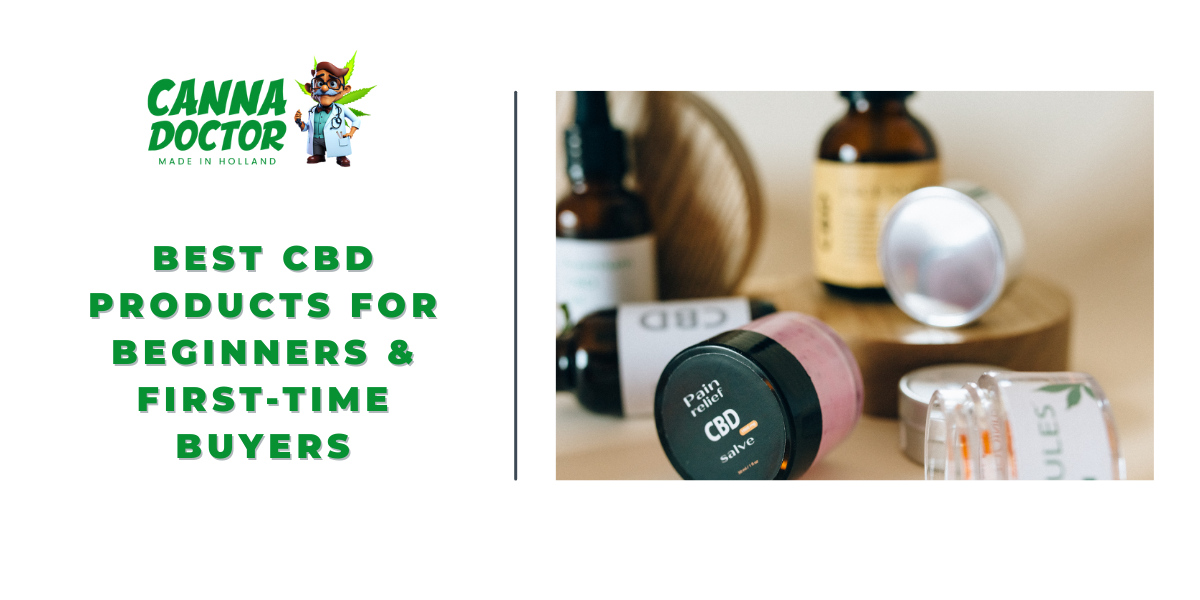
Stepping into the world of CBD can feel overwhelming. Shelves and websites overflow with oils, gummies, capsules, and creams, each making bold promises about relaxation, sleep, or pain relief. For first-time buyers, the sheer volume of choices often leads to analysis paralysis or, worse, selecting a low-quality product that delivers disappointing results.
This guide exists to simplify your first CBD purchase. We’ll walk you through what CBD actually is, how to choose safe and effective products, and which formats work best for beginners. Whether you’re exploring CBD for better sleep, anxiety relief, or general wellness, you’ll finish this article with the confidence to make an informed, personalized choice.
First-time CBD users face unique challenges that experienced consumers take for granted. Sensitivity varies wildly from person to person. What works as a perfect starting dose for one individual might feel too strong or too weak for another. Without proper guidance, newcomers risk either taking too much and experiencing unwanted grogginess, or taking too little and concluding CBD “doesn’t work.”
Safety concerns also weigh heavily on beginners’ minds. Questions about legality, drug tests, interaction with medications, and product purity create legitimate hesitation. The CBD market remains lightly regulated in many regions, meaning substandard products slip through without proper testing or accurate labeling. For someone trying CBD for the first time, choosing a product with transparent third-party testing and clear dosing information makes the difference between a positive introduction and a frustrating experience.
Beginner-friendly CBD products share common characteristics: clear labeling, moderate potencies, reliable testing documentation, and formats that don’t require guesswork. When your first CBD experience goes smoothly, you build confidence to explore what works best for your body and wellness goals.
Cannabidiol, commonly called CBD, is a naturally occurring compound found in cannabis plants, particularly hemp. Unlike its famous cousin THC (tetrahydrocannabinol), CBD does not produce a “high” or intoxicating effect. Both compounds belong to a family called cannabinoids, which interact with receptors throughout your body, but they trigger very different responses.
Hemp-derived CBD products must contain less than 0.3% THC in the United States, a threshold so low it cannot produce psychoactive effects. This distinction matters enormously for first-time users concerned about impairment or failing a drug test (though traces of THC can occasionally appear in screenings, depending on product type and consumption frequency).
In the United States, the 2018 Farm Bill legalized hemp-derived CBD containing less than 0.3% THC at the federal level. Individual states may impose additional restrictions, so always verify local regulations before purchasing. The European Union permits CBD products derived from EU-approved hemp strains, though member states regulate sales differently. Most developed nations allow CBD for adults 21 and older, treating it similarly to dietary supplements.
Safety profiles for CBD appear favorable in research and real-world use. The World Health Organization has stated that CBD exhibits no potential for abuse and is generally well-tolerated. Common side effects, when they occur, tend to be mild: dry mouth, slight drowsiness, or changes in appetite. Serious adverse reactions remain rare and usually involve interactions with prescription medications, particularly blood thinners.
That said, regulatory oversight varies. The FDA does not evaluate most CBD products before they reach consumers, placing the burden of quality assurance on manufacturers. This gap underscores why choosing products with transparent testing and reputable sourcing matters critically for beginners.
Your body contains an endocannabinoid system (ECS), a network of receptors that helps regulate sleep, mood, pain perception, immune response, and more. CBD interacts indirectly with this system, influencing how your body’s own cannabinoids function rather than binding directly to receptors like THC does.
For first-timers, this typically translates to subtle, gradual effects rather than dramatic shifts. Many people report feeling calmer without sedation, experiencing improved sleep quality over several nights, or noticing reduced discomfort from chronic tension. These effects build gently, which is why beginners often miss them if expecting instant, obvious changes.
Common reasons people try CBD for the first time include:
Anxiety and stress management: Many users find CBD takes the edge off daily worry without dulling mental clarity.
Sleep improvement: CBD may help regulate sleep-wake cycles, particularly for those whose minds race at bedtime.
Pain and inflammation: While not a cure, some individuals notice reduced soreness from exercise, arthritis, or chronic conditions.
General wellness: Increasingly, people use CBD proactively, similar to taking a daily multivitamin, to support overall balance.
Set realistic expectations. CBD is not pharmaceutical-strength medication. Effects tend to be gentle, cumulative, and highly individual. Some people notice benefits within days; others require weeks of consistent use. Patience and systematic tracking help beginners identify what works.
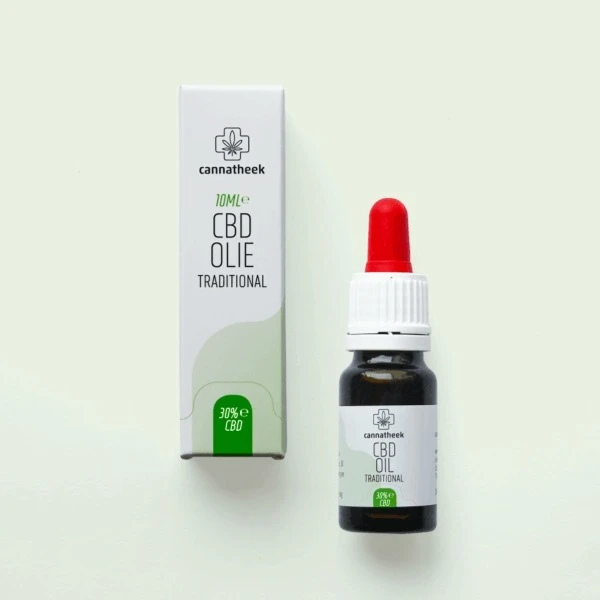
CBD oils and tinctures represent the most flexible format for beginners who value control over their dosing. These liquid products typically come in small bottles with droppers, allowing you to measure doses precisely by counting drops or using milliliter markings.
Pros:
Cons:
Best for: People comfortable with liquid supplements who want granular control over their intake and prefer faster onset times.
For beginners, experts recommend starting with bottles containing 300 to 500mg total CBD. This concentration allows you to take 5 to 10mg servings without using excessive amounts of liquid. Price-wise, expect to pay between $35 and $100 for a quality starter bottle, depending on brand reputation and organic certifications.
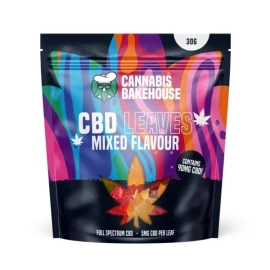
Gummies have become the gateway product for first-time CBD users, and for good reason. These fruity, candy-like edibles deliver CBD in pre-measured doses, removing guesswork and making the experience approachable.
Pros:
Cons:
Best for: Taste-sensitive individuals, convenience seekers, and those new to any supplement routine who want simplicity and predictability.
Beginner-friendly gummy bottles usually range from $50 to $75, offering good value per serving. Look for products with 10 to 25mg per gummy when starting out, avoiding high-potency options until you understand your tolerance.
Capsules and softgels appeal to users who want CBD to fit seamlessly into their existing supplement regimen. Swallowed like any vitamin, these products offer the ultimate in discretion and simplicity.
Pros:
Cons:
Best for: Supplement users who prioritize convenience and tastelessness, and those who prefer the ritual of pill-taking over measuring liquids or eating gummies.
Prices vary from $25 to $75 for beginner-friendly bottles. Start with lower potencies (10 to 25mg) to assess your response before committing to higher-dose capsules.
| Format | Onset Time | Dose Flexibility | Flavor | Cost Range | Best For |
|---|---|---|---|---|---|
| Oils | 15–30 min | High | Earthy/hemp | $35–$100 | Dose control, faster onset |
| Gummies | 1–2 hrs | Low | Fruity/sweet | $50–$75 | Taste, convenience, discretion |
| Capsules | 1–2 hrs | Very low | None | $25–$75 | Tasteless, supplement routines |
Most recognized authorities advise beginning with gummies or capsules for consistency, taste, and safety. Oils suit those comfortable measuring liquids who want incremental dosing control. Regardless of format, always start with small, clearly labeled doses and monitor your personal response carefully.
Finding your ideal CBD dose requires patience and methodical observation. Unlike prescription medications with standardized dosing, CBD affects individuals differently based on body weight, metabolism, the condition you’re addressing, and even genetics. Starting low and increasing gradually remains the gold standard approach.
For CBD oils and tinctures: Begin with a bottle containing 300 to 500mg total CBD. Take 5 to 10mg per serving, which typically translates to 0.25 to 0.5 mL or a few drops under your tongue. Hold the oil there for 30 to 60 seconds before swallowing to maximize sublingual absorption.
For gummies and capsules: Start with products offering 10 to 25mg per piece. Take one gummy or capsule daily, preferably at the same time each day, to establish a baseline. Avoid the temptation to take multiple pieces immediately if you don’t feel effects within an hour; remember that edibles take time to digest.
The key principle: start with the minimum effective dose and increase only after observing no meaningful benefits for at least three to five consecutive days. Incremental increases of 5mg work well for most beginners. This conservative approach minimizes the risk of unpleasant side effects while helping you identify your personal sweet spot.
Taking too much too soon: First-timers often assume “more is better,” leading to grogginess, dry mouth, or mild digestive upset. These effects, while not dangerous, can sour your first impression of CBD. Resist the urge to exceed recommended beginner doses until you’ve given lower amounts a fair trial.
Expecting instant results: CBD is not like taking an aspirin for a headache. Effects often develop gradually over days or weeks, especially for chronic conditions like anxiety or sleep issues. Patience matters. If you expect immediate, dramatic changes and don’t find them, you might abandon CBD prematurely.
Skipping days or inconsistent timing: CBD works best with consistent use at regular intervals. Taking it sporadically makes it nearly impossible to assess whether it’s helping. Commit to daily use for at least one to two weeks before evaluating effectiveness.
Ignoring product quality: Not all CBD products deliver what their labels promise. Skipping products without third-party testing or buying from gas stations and unverified online vendors increases your risk of consuming ineffective or contaminated products.
Days 1-2: Establish your baseline
Take the minimum recommended dose of your chosen product at the same time each day. Morning works well if you’re addressing anxiety or seeking focus; evening suits those targeting sleep. Note the exact amount you’re taking and the time. Pay attention to how you feel physically and mentally in the hours afterward, but don’t overanalyze subtle sensations yet.
Days 3-5: Observe and document
Continue with the same dose and timing. Start keeping a simple journal, physical or digital, noting your mood, sleep quality, pain levels, or whatever metric matters to you. Include any side effects, even minor ones like dry mouth or slight drowsiness. Look for patterns rather than day-to-day fluctuations. Are you sleeping more soundly three nights in a row? Do you feel calmer during your usual stress triggers?
Days 6-7: Assess and adjust
Review your journal entries. If you notice clear improvements, continue at this dose for another week to confirm the pattern. If you feel nothing or minimal effects, consider increasing by 5mg. For oils, this means a few additional drops; for gummies or capsules, this might mean taking a slightly higher potency product or adding a half gummy. Never double your dose abruptly.
Tracking tips: Use a notebook, phone app, or printable journal template to record:
This data helps you spot genuine improvements versus placebo effects or natural fluctuations. After two weeks of consistent tracking, most beginners can identify whether CBD is making a meaningful difference and what dose works best.
When to consult a professional: If you’re taking prescription medications, particularly blood thinners, anti-seizure drugs, or medications with grapefruit warnings, speak with your doctor before starting CBD. While interactions are relatively rare, they can be serious. Similarly, if you experience unexpected side effects or symptoms worsen, seek medical advice.
A Certificate of Analysis represents your primary tool for verifying what’s actually in the bottle you’re buying. This lab report, issued by an independent third-party testing facility, breaks down the cannabinoid content, confirms THC levels remain legal, and screens for contaminants like heavy metals, pesticides, and residual solvents.
Every legitimate CBD product should have an easily accessible COA, either printed as a QR code on the label, available on the brand’s website, or provided upon request. If a company can’t or won’t share testing results, walk away. Transparency in testing separates reputable manufacturers from fly-by-night operations.
What to look for in a COA:
Batch number matching: The COA should reference a specific batch number that matches the one printed on your product. This ensures the lab tested the actual batch you’re consuming, not just a sample the company cherry-picked for favorable results.
Cannabinoid profile: The report should list CBD content in milligrams per gram or milliliter, confirming it matches label claims within a reasonable margin (typically ±10%). It should also show THC content below 0.3% for legal compliance in the US.
Contaminant screening: Look for “pass” results or non-detect (ND) readings for:
Testing date: COAs should be recent, ideally within the last six months. Outdated results may not reflect current product quality.
Learning to read COAs takes practice, but most are formatted similarly once you know what to seek. Some brands go further, publishing full panel tests that include terpene profiles and additional safety screenings, which signals extra commitment to quality.
Third-party testing means an independent laboratory, not affiliated with the manufacturer, conducts the analysis. This independence matters because companies have obvious incentives to present favorable results. Independent labs provide unbiased verification.
Reputable testing facilities include organizations accredited by ISO (International Organization for Standardization) or certified by state regulatory bodies. Names you might encounter on COAs include SC Labs, Kaycha Labs, ProVerde Laboratories, and others with established reputations in cannabis testing.
Red flags that suggest inadequate testing:
Green flags indicating robust testing:
Some progressive brands even maintain searchable COA databases on their websites, allowing you to enter your product’s batch number and instantly view results. This level of transparency builds trust and demonstrates accountability.
Beyond testing, several label details help you evaluate quality and appropriateness for beginners.
Ingredient transparency: Quality products list all ingredients clearly. For oils, you should see hemp extract and a carrier oil (often MCT oil, hemp seed oil, or olive oil). Gummies will list sweeteners, flavorings, and gelatin or pectin. Avoid products with long lists of unrecognizable additives or vague terms like “proprietary blend,” which can hide inferior ingredients.
Realistic claims: Be wary of products promising miracle cures, dramatic weight loss, or medical treatment of serious diseases. Legitimate CBD brands make measured, evidence-based claims about potential wellness support, not outlandish guarantees. The FDA prohibits companies from marketing CBD as a drug treatment, so over-the-top medical claims signal either ignorance of regulations or intentional deception.
Certifications worth noting:
USDA Organic: Indicates hemp was grown without synthetic pesticides or fertilizers, appealing to those prioritizing clean agriculture.
Vegan/vegetarian: Relevant for gummies (some use gelatin from animals) and capsules (gelatin vs. plant-based shells).
Non-GMO: Suggests hemp wasn’t genetically modified, though most hemp inherently isn’t GMO.
Allergen statements: Important for those with sensitivities to common allergens like soy, gluten, or tree nuts sometimes present in carrier oils or flavorings.
Extraction method: CO2 extraction is considered the gold standard for producing clean, solvent-free CBD oil. Ethanol extraction is also reputable. Avoid products that don’t disclose extraction methods or use potentially unsafe solvents.
Hemp source: U.S.-grown hemp generally adheres to stricter agricultural standards than imports from regions with less oversight. Brands often highlight domestic sourcing as a quality marker.
By combining COA verification with careful label reading, you significantly reduce the risk of purchasing substandard products. This diligence pays off in both safety and effectiveness.
| Category | Product | Potency | Format | Price Range | Best For |
|---|---|---|---|---|---|
| Best for Sleep | Cornbread Hemp Gummies | 25mg/gummy | Gummies | $50–$70 | Taste, organic, sleep support |
| Best for Relaxation | Medterra 500mg Oil | 16.6mg/mL | Tincture | $40–$60 | Daily stress, dose control |
| Best for Taste | Cornbread Hemp Gummies | 25mg/gummy | Gummies | $50–$70 | Flavor-sensitive beginners |
| Best Value | Lazarus Naturals 10mg Capsules | 10mg/capsule | Capsules | $25–$40 | Budget-conscious, simple dosing |
| Best Low-Dose | Lazarus Naturals Capsules | 10mg/capsule | Capsules | $25–$40 | First-timers, cautious starters |
| Best Natural | Medterra 500mg Oil | 16.6mg/mL | Tincture | $40–$60 | Minimal ingredients, no flavoring |
Medterra 500mg CBD Oil
Medterra offers one of the most straightforward entry points for beginners exploring tinctures. Sourced from U.S.-grown hemp and extracted using CO2 methods, this product contains CBD isolate suspended in MCT oil, meaning zero THC and no additional cannabinoids or terpenes. For first-timers concerned about even trace amounts of THC, this purity matters.
Each 30mL bottle delivers approximately 16.6mg of CBD per milliliter, making it easy to start with a conservative 5 to 10mg dose by measuring drops carefully. The unflavored version tastes mildly earthy but not overwhelmingly bitter, though Medterra also offers flavored options for those who prefer masking hemp’s natural taste.
Third-party COAs are readily accessible on Medterra’s website via batch number lookup. Recent tests confirm potency accuracy and clean screens for contaminants. Pricing sits comfortably in the beginner-friendly range at around $40 to $60, positioning it as a reliable, no-frills option for those wanting dose flexibility without complexity.
Cornbread Hemp Gummies (25mg)
For beginners prioritizing taste and convenience, Cornbread Hemp’s gummies consistently rank among the best. Each gummy contains 25mg of full-spectrum CBD, slightly higher than some starter products but still manageable for most adults when taken as a single daily dose.
What sets Cornbread apart is its commitment to organic, Kentucky-grown hemp and USDA Organic certification across its product line. The gummies themselves taste genuinely pleasant, with fruity flavors that completely mask any hemp notes. They use pectin rather than gelatin, making them vegan-friendly.
Cornbread publishes comprehensive COAs for every batch, accessible via QR codes on each bottle. Testing confirms full cannabinoid profiles, including trace amounts of CBG and other minor cannabinoids that contribute to the “entourage effect” many users find beneficial. Contaminant panels come back clean consistently.
Pricing typically ranges from $50 to $70 per bottle, depending on retailer and sales. For beginners seeking a sleep-focused product with organic credentials and superior taste, Cornbread Hemp gummies represent an excellent starting point.
Lazarus Naturals 10mg CBD Capsules
Lazarus Naturals has built a reputation for affordability without sacrificing quality, and their 10mg CBD capsules exemplify this philosophy. Each easy-to-swallow capsule contains 10mg of full-spectrum CBD, an ideal starting dose for cautious first-timers.
The company emphasizes accessibility through its assistance programs for veterans, low-income individuals, and people with disabilities, offering significant discounts that make ongoing use financially sustainable. All products undergo third-party testing with COAs available online, showing consistent potency and safety.
These capsules contain full-spectrum hemp extract in a coconut oil base, encapsulated in vegetarian capsule shells. The lack of flavor or smell makes them perfect for those who want CBD to fit invisibly into their supplement routine alongside vitamins or other daily pills.
At approximately $25 to $40 per bottle, Lazarus Naturals capsules offer exceptional value for beginners. The 10mg potency allows you to start low and add a second capsule later if needed, giving more flexibility than higher-potency options.
All three products share essential beginner-friendly qualities: transparent testing, appropriate potencies, and clear dosing instructions. Your choice depends primarily on format preference, taste sensitivity, and budget.
Understanding what actually happens during your first week with CBD helps set realistic expectations and reduces anxiety about the process.
Day 1: Sarah, a 28-year-old graphic designer, takes her first CBD gummy (25mg) after dinner, hoping it might help with racing thoughts at bedtime. She notices nothing immediate and goes to bed as usual, feeling slightly disappointed but reminding herself to be patient.
Day 2: Sarah takes another gummy at the same time. She sleeps reasonably well but can’t tell if it’s the CBD or just a less stressful day. Her journal note: “Slept okay, 7 hours. Didn’t wake up as much as usual?”
Day 3: Morning arrives and Sarah realizes she did sleep more solidly. She feels slightly more refreshed but still uncertain whether to credit the gummies. She commits to continuing the routine.
Day 4-5: The pattern continues. Sarah begins noticing she’s falling asleep faster and waking up less during the night. She also observes she feels marginally calmer during her usual afternoon work stress, though it’s subtle enough she questions whether she’s imagining it.
Day 6: Sarah feels confident the CBD is making a difference. Her sleep quality has noticeably improved based on her fitness tracker data showing more deep sleep. She decides to continue at 25mg for another week before considering whether to adjust the dose.
Day 7: Reviewing her week, Sarah realizes the biggest surprise was how gentle and gradual the effects were. She didn’t experience a dramatic “moment” when CBD “kicked in,” just a slow accumulation of slightly better sleep and fractionally reduced anxiety.
“I wish I’d known CBD wouldn’t work instantly.” Nearly every beginner reports this insight. We’re culturally conditioned to expect immediate results from supplements and medications. CBD’s subtle, cumulative nature catches people off guard.
“The effects are way more understated than I expected.” Many first-timers anticipate feeling obviously different or dramatically calmer. Instead, they notice small improvements: sleeping 30 minutes longer, feeling slightly less on-edge during stressful meetings, or experiencing marginally reduced muscle soreness after workouts.
“Consistency matters more than I thought.” Those who take CBD sporadically or skip days rarely report meaningful benefits. The people who stick to a regular schedule, even when unsure it’s working, tend to notice cumulative improvements after a week or two.
“I should have tracked my progress from day one.” Without written records, it’s easy to forget your starting point. When subtle improvements happen gradually, your memory adjusts and you might not realize how much better you’re sleeping or how much calmer you’ve become unless you have data to compare.
Common surprises:
The mildness of the experience catches nearly everyone off guard. First-timers often brace for something dramatic and find gentle support instead.
Slow onset time for edibles surprises those taking gummies or capsules who expect effects within minutes rather than hours.
Taste varies widely. Some people find natural hemp flavor pleasant and earthy; others find it off-putting enough to switch to gummies immediately.
Ease of use exceeds expectations. Most beginners worry CBD will be complicated or require special knowledge, then discover it’s as simple as taking a daily vitamin.
The overarching theme in first-time user stories: patience and realistic expectations lead to positive outcomes. Those who approach CBD as a gentle, supportive tool rather than a magic bullet tend to find it fits well into their wellness routines.
This happens frequently and doesn’t mean CBD isn’t working or won’t work for you. Several factors might be at play. Your starting dose might be too low for your body weight or metabolism. CBD’s effects can be subtle enough that you don’t consciously notice them, especially if you’re not tracking specific metrics. Some people require longer than a week to accumulate enough CBD in their system to feel benefits.
Solutions: Continue at your current dose for at least two weeks while keeping detailed notes. If you still notice nothing, increase by 5mg and observe for another week. Consider trying a different format (switching from capsules to oil, for instance) to see if absorption differences matter for you.
This depends entirely on format and dosage. Oils taken sublingually typically last 4 to 6 hours. Edibles like gummies and capsules, because they’re metabolized more slowly, often provide effects lasting 6 to 8 hours or longer. Individual metabolism plays a huge role. Some people process CBD quickly and feel effects fade after a few hours; others maintain steady benefits throughout the day from a single morning dose.
Most beginners find taking CBD once or twice daily maintains consistent effects. Morning doses support daytime stress and focus; evening doses target sleep and relaxation.
CBD is generally safe to combine with most vitamins and basic supplements like fish oil, multivitamins, or probiotics. However, CBD can interact with certain prescription medications, particularly those metabolized by liver enzymes in the CYP450 family. This includes blood thinners like warfarin, some anti-seizure medications, and drugs that carry grapefruit warnings.
The safest approach: consult your doctor or pharmacist before starting CBD if you take any prescription medications regularly. Provide them with the full ingredient list from your chosen CBD product. For most over-the-counter supplements and vitamins, interactions are unlikely, but professional guidance ensures peace of mind.
Yes, for the vast majority of people. CBD is non-intoxicating and should not impair your ability to drive, operate machinery, or perform cognitive tasks. However, individual responses vary. Some people experience mild drowsiness, especially at higher doses, particularly when first starting.
Best practice for beginners: take your first doses during downtime at home when you don’t have critical tasks or driving planned. Once you understand how CBD affects you personally, you can confidently incorporate it into workdays. If you feel any drowsiness, consider adjusting timing (taking it in the evening instead of morning) or reducing your dose slightly.
This depends on your goals and how your body responds. For anxiety, stress, or focus support, many people prefer morning doses that provide steady effects throughout the workday. For sleep improvement, evening doses taken 1 to 2 hours before bed work better, giving edibles time to digest or allowing sublingual oils to take effect.
Some experienced users take CBD both morning and night, creating consistent levels throughout the day. As a beginner, start with once-daily dosing at the time that matches your primary goal. You can always add a second dose later if you find benefits but they don’t last long enough.
CBD isolate contains pure CBD (99%+) with all other cannabinoids, terpenes, and plant compounds removed. It contains zero THC, making it ideal for those facing drug tests or who want the absolute simplest product. Potential downside: you miss out on the “entourage effect,” where multiple cannabis compounds work together synergistically.
Broad spectrum CBD contains CBD plus other cannabinoids (CBG, CBN, etc.) and terpenes, but with THC removed or reduced to undetectable levels. This offers some entourage effect benefits while maintaining zero THC, splitting the difference between isolate and full spectrum.
Full spectrum CBD contains all the cannabinoids and terpenes naturally present in hemp, including trace amounts of THC (under 0.3%). Many users and researchers believe this complete profile provides the strongest benefits through the entourage effect. Trace THC is legal and non-intoxicating but could theoretically show up in sensitive drug tests.
For beginners, any type works well. Choose based on your THC comfort level and drug testing concerns.
Smartshops, popular in Europe and increasingly visible online globally, specialize in legal botanicals, natural nootropics, and wellness products for adult consumers. Think of them as specialized retailers offering everything from herbal relaxation blends to cognitive enhancers, all derived from legal plants and compounds.
For first-time buyers exploring CBD, smartshops provide a natural next step into broader botanical wellness. Many smartshops carry CBD alongside complementary products like adaptogenic mushrooms, calming herbs, and natural focus enhancers.
Microdose functional mushrooms: Products containing lion’s mane, cordyceps, or reishi mushrooms (not psilocybin, which remains illegal in most places) support cognitive function, energy, and immune health. These pair well with CBD for holistic wellness approaches.
Calming botanicals: Herbs like valerian root, passionflower, chamomile, and lemon balm have centuries of traditional use for relaxation and sleep support. Many users combine these with CBD for enhanced calming effects.
Caffeine alternatives: Natural energy boosters like yerba mate, guayusa, or green tea extracts offer gentler stimulation than coffee without the jitters, working synergistically with CBD for balanced energy and focus.
All these products share CBD’s legal status and gentle, supportive nature, making them approachable for beginners interested in natural wellness beyond just cannabinoids.
Combining CBD with other botanicals can enhance effects when done thoughtfully.
Safe combinations for relaxation:
Safe combinations for focus:
What to avoid:
When exploring combinations, introduce one new product at a time so you can identify what works and what doesn’t. The same methodical approach that serves beginners with CBD applies to any botanical supplement.
Reputable online retailers dominate the CBD market and often offer better selection, pricing, and transparency than physical stores. Look for websites with comprehensive product information, accessible COAs, customer reviews, and responsive customer service. Established brands selling directly through their own websites typically provide the most reliable products.
Brick-and-mortar options include specialty CBD shops, some health food stores, and pharmacies in regions where regulations permit. Physical stores allow you to ask questions, examine products, and sometimes access staff expertise. However, ensure the store displays COAs and can answer basic quality questions. If staff can’t explain testing or seem to make exaggerated health claims, shop elsewhere.
Places to avoid:
The extra five minutes spent verifying a vendor’s legitimacy protects you from wasting money on ineffective products or, worse, consuming something unsafe.
First-time safety checklist:
Before taking your first dose, confirm:
Keeping a beginner’s journal:
Track these elements daily for your first two weeks:
This record helps you identify patterns, optimize timing, and determine whether adjustments are needed.
After your first two weeks of consistent use and journaling, you should have enough data to make informed decisions. If you’re experiencing benefits, continue at your effective dose. If effects are minimal, consider:
Many beginners benefit from taking a quiz or using a planning tool to personalize their approach. These interactive resources ask about your wellness goals, preferences, and concerns, then suggest appropriate products and dosing strategies.
Downloadable resources like trial journals, product comparison sheets, and educational PDFs provide ongoing reference materials as you continue your CBD journey.
Choosing your first CBD product doesn’t have to be overwhelming. By focusing on formats suited to beginners, starting with conservative doses, verifying quality through COAs, and tracking your experience systematically, you set yourself up for a positive introduction to CBD.
Remember that CBD works gently and cumulatively. Give products time to take effect, be patient with the process, and adjust based on your personal response rather than assumptions or advertising hype. Whether you choose oils for dose flexibility, gummies for taste and convenience, or capsules for simplicity, quality products from transparent brands provide safe, supportive wellness tools.
As you gain experience, you’ll develop preferences and may explore different potencies, formats, or cannabinoid profiles. But for now, start simple, start low, and start with confidence knowing you’ve made an informed choice.
Your CBD journey begins with a single dose and a commitment to paying attention to your body’s response. From there, the path forward reveals itself naturally.
Walk into any health store or browse online wellness retailers, and you’ll find yourself facing a dizzying array of bottles,
The modern world has created a perfect storm for declining mental wellness. Between demanding careers, constant digital connectivity, and the
The supplement aisle can feel overwhelming. Rows of bottles promise better energy, sharper focus, stronger immunity, and improved wellness. With
You must be 18 years of age or older to view page. Please verify your age to enter.
Your access is restricted because of your age.