
Herbal Remedies vs Synthetic Supplements: Benefits, and Choosing What’s Best
Walk into any health store or browse online wellness retailers, and you’ll find yourself facing a dizzying array of bottles,

Ordered before 5pm = Shipped today

Discreet Shipping & Transactions

Proven and tested effectiveness

The Netherlands has long been at the forefront of progressive policy around psychoactive substances, creating a unique retail ecosystem known as smartshops. These legal establishments offer an array of botanicals that sit in a fascinating space between traditional herbal medicine, consciousness exploration, and modern wellness culture. Whether you’re a curious visitor to Amsterdam, a seasoned psychonaut, or someone exploring alternatives to conventional pharmaceuticals, understanding what smartshop herbs actually are, how they work, and their legal status across Europe is essential for making informed decisions.
This comprehensive guide examines the most popular smartshop herbs and spices available in the Netherlands and EU in 2024, their documented effects, traditional and modern uses, safety considerations, and the complex legal landscape surrounding them. Unlike culinary herbs that enhance your cooking or pharmaceutical drugs dispensed by doctors, smartshop botanicals occupy their own category: legal, psychoactive, or wellness-supporting plants that have been used for centuries across different cultures, now accessible through regulated retail channels.
Smartshops emerged in the Netherlands during the 1990s as specialized retailers offering natural alternatives to banned substances. The term “smartshop” itself reflects the focus on cognitive enhancement, mindful exploration, and intelligent use of botanical products. These establishments legally sell psychoactive, nootropic, adaptogenic, and wellness botanicals that exist in regulatory grey areas or are explicitly permitted under Dutch and European law.
The smartshop concept grew from the Netherlands’ pragmatic harm reduction philosophy, the same approach that led to tolerated cannabis coffeeshops. Rather than criminalizing curiosity about consciousness or alternative wellness approaches, smartshops provide regulated access to botanicals with transparent labelling, dosage guidance, and quality controls that wouldn’t exist in unregulated markets.
What sets smartshop herbs apart from ordinary culinary herbs is their psychoactive or physiological effects beyond basic nutrition. These aren’t the basil and oregano in your kitchen cupboard. Smartshop botanicals contain active compounds that can alter perception, enhance mood, support cognitive function, or promote relaxation in measurable ways. Equally important, they’re distinct from illicit drugs because they operate within legal frameworks, even if those frameworks vary significantly across European borders.
The typical smartshop customer base spans an incredibly diverse demographic. University students exploring microdosing for focus, professionals seeking stress relief without pharmaceutical side effects, spiritual seekers interested in traditional plant medicines, tourists curious about legal psychedelic experiences, and wellness enthusiasts looking for natural nootropics all find themselves browsing the same shelves. This diversity reflects the multifaceted appeal of these botanicals.
Understanding the broad categories helps navigate the sometimes overwhelming variety available:
Psychedelic botanicals produce altered states of consciousness, changes in sensory perception, and shifts in thought patterns. Magic truffles (psilocybin sclerotia) represent the flagship product in this category, legal in the Netherlands following the 2008 ban on psilocybin mushrooms. Salvia divinorum, though banned in many European countries, remains legal in Dutch smartshops and offers short but intense dissociative experiences.
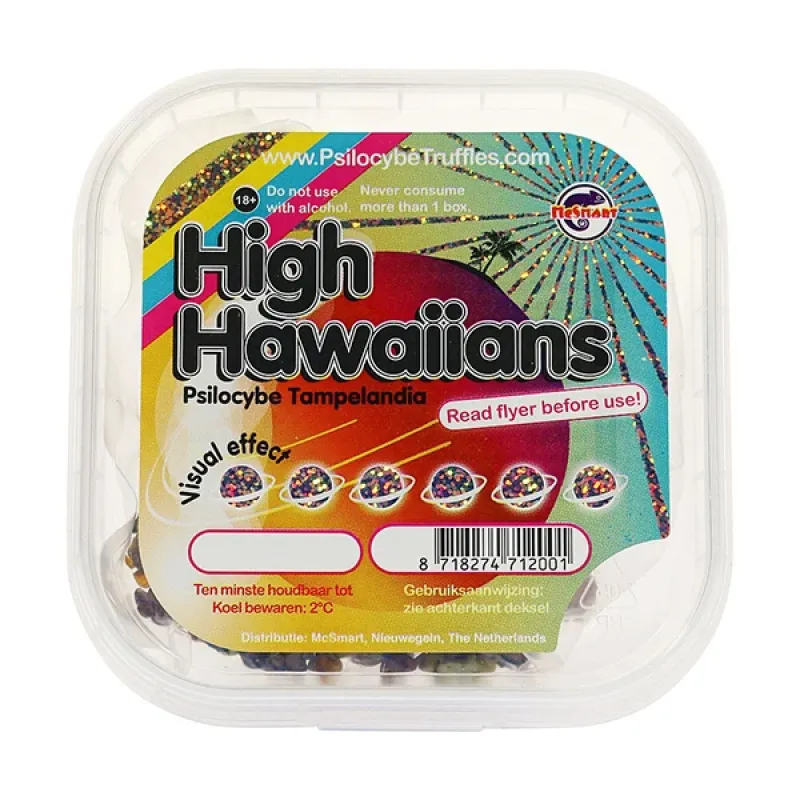
Sensory and mood-altering herbs create subtler shifts in perception and emotional state without the full psychedelic experience. Kanna (Sceletium tortuosum) from South Africa produces mild euphoria and enhanced sociability. Blue lotus (Nymphaea caerulea), used in ancient Egyptian ceremonies, offers gentle relaxation and dream enhancement. These botanicals appeal to those seeking mood support without dramatic alterations to consciousness.
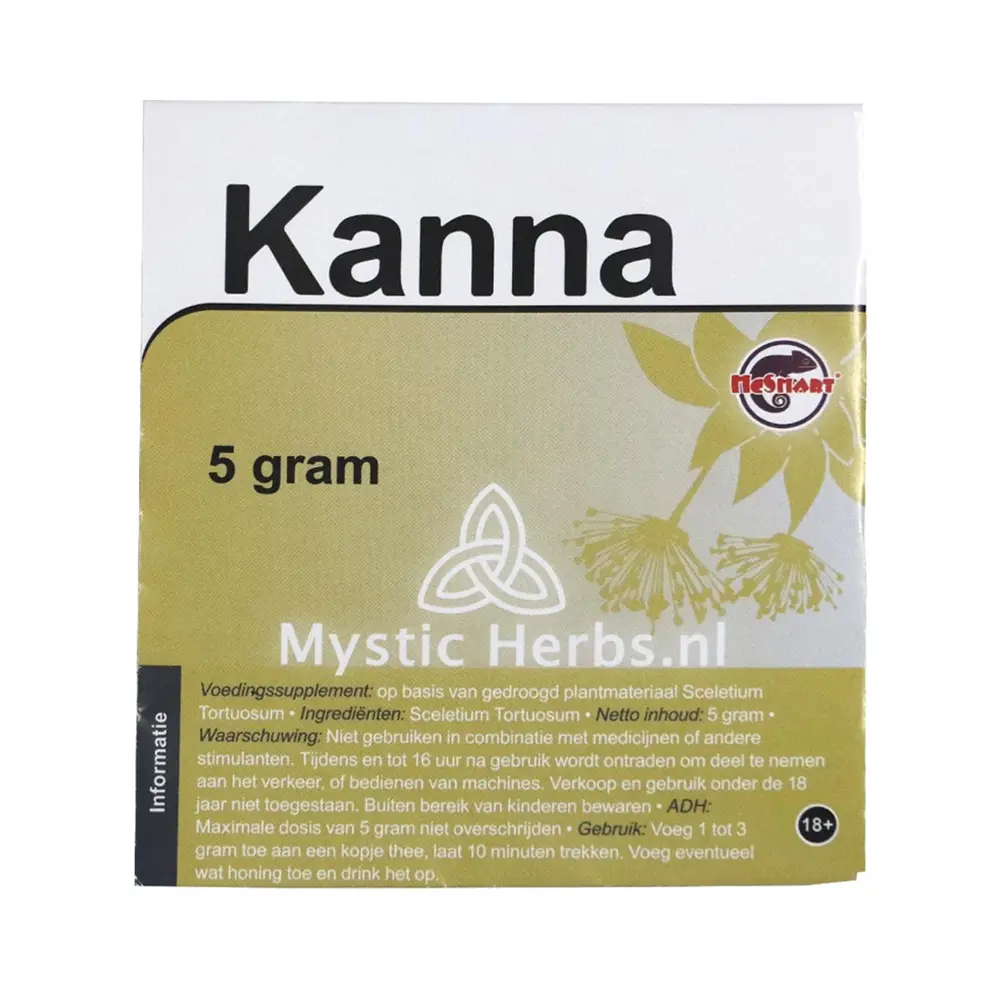
Relaxation and calming herbs target stress reduction and anxiety relief. Damiana (Turnera diffusa), traditionally used in Mexican herbal medicine, provides mild sedation alongside its reputation as an aphrodisiac. These herbs often serve as natural alternatives to pharmaceutical anxiolytics, though they work through different mechanisms and with gentler effects.
Nootropic and adaptogenic botanicals support cognitive function, stress resilience, and overall mental performance. Lion’s Mane mushroom has gained tremendous popularity for its neuroprotective properties and potential to stimulate nerve growth factor. While not psychoactive in the traditional sense, these herbs measurably affect brain function and mental clarity.
Energizing and stimulant herbs occupy the opposite end of the spectrum from relaxants. Kratom (Mitragyna speciosa) at low doses produces stimulation similar to strong coffee but with additional mood-lifting properties. At higher doses, the same plant creates sedative and pain-relieving effects, demonstrating the dose-dependent nature of many smartshop botanicals.
The motivations for exploring smartshop herbs are as varied as the products themselves. Curiosity and self-exploration drive many first-time users, particularly tourists visiting Amsterdam who view trying magic truffles as a quintessential Dutch experience. This curiosity often carries deeper significance than mere novelty-seeking. Many users report profound insights, enhanced creativity, or shifts in perspective that persist long after the acute effects fade.
The search for legal alternatives to banned substances represents another major motivation. As governments continue prohibiting various psychoactive compounds, smartshop botanicals offer options that provide similar experiences without legal risk. Someone interested in MDMA’s empathogenic effects might explore kanna instead. Those curious about psychedelics but wary of criminal consequences can legally purchase magic truffles in the Netherlands.
Wellness and productivity optimization have become increasingly prominent reasons for smartshop herb use, particularly around microdosing practices. Microdosing psilocybin truffles involves taking sub-perceptual doses that don’t produce obvious psychedelic effects but may enhance creativity, focus, and emotional resilience. This practice has moved from fringe experimentation to mainstream wellness culture, with professionals, artists, and students incorporating microdosing into their routines.
Traditional and recreational uses continue to motivate smartshop customers as well. Blue lotus enthusiasts might be recreating ancient Egyptian relaxation rituals. Salvia users might be exploring the plant’s traditional role in Mazatec shamanic practices. Others simply enjoy the recreational effects these botanicals provide without claiming therapeutic or spiritual intentions.
The appeal of natural, plant-based solutions resonates strongly in an era of increasing pharmaceutical skepticism. Many smartshop customers prefer botanicals over synthetic drugs, viewing them as more aligned with their bodies and less likely to produce concerning side effects. Whether this perception matches scientific reality varies by specific herb and individual response, but the preference itself drives significant interest in smartshop offerings.
Magic truffles represent the cornerstone of Dutch smartshop culture. These are not technically mushrooms but sclerotia, the underground storage structures that psilocybin-producing fungi create. When the Netherlands banned psilocybin mushrooms in 2008 following several tourist incidents, smartshops pivoted to truffles, which contain the same active compounds (psilocybin and psilocin) but remained legal due to technical distinctions in the legislation.
The effects of psilocybin truffles vary dramatically with dosage. At microdose levels (typically 0.2 to 0.5 grams of dried truffles), users report enhanced creativity, improved mood, greater emotional openness, and subtle shifts in perception without obvious intoxication. These sub-perceptual doses have gained tremendous attention following research suggesting potential benefits for depression, anxiety, and creative problem-solving.
At moderate doses (5 to 10 grams of fresh truffles), users experience what most would recognize as a classic psychedelic state. Visual perception becomes enhanced, with colors appearing more vibrant, patterns emerging in textures, and occasional geometric hallucinations with closed eyes. Emotional experience intensifies, often bringing feelings of euphoria, wonder, and interconnectedness. Thought patterns shift, allowing novel associations and perspectives on personal issues. Time perception warps, with minutes feeling like hours or hours passing in apparent minutes.
Higher doses (15 grams or more of fresh truffles) produce profound alterations in consciousness that can approach mystical experiences. Users may lose their sense of individual boundaries, experience ego dissolution, encounter what feels like contact with transcendent realities, or undergo emotionally cathartic processes. These experiences can be therapeutically valuable but also psychologically challenging, particularly for unprepared users or those in unsuitable environments.
Common methods of consumption include eating the truffles fresh (the most straightforward approach), brewing them into tea (reduces nausea for some users), or drying and encapsulating them for microdosing protocols. The onset typically occurs within 20 to 40 minutes on an empty stomach, with peak effects around 2 to 3 hours and total duration of 4 to 6 hours.
Side effects are generally mild but can include nausea (particularly during the come-up phase), anxiety or paranoia (especially in unsuitable settings or at uncomfortable doses), and temporary confusion or disorientation. More concerning are the psychological risks for individuals with personal or family histories of psychotic disorders, as psychedelics can potentially trigger latent mental health conditions. Pregnancy, breastfeeding, and concurrent use of certain medications (particularly SSRIs, which can blunt psilocybin effects) represent contraindications.
The legal status creates an interesting patchwork. In the Netherlands, magic truffles remain fully legal for sale in smartshops, with quality-controlled products from established growers. The rest of the EU generally treats psilocybin-containing products as controlled substances, making cultivation, sale, and possession illegal in most member states. Tourists can legally purchase and consume truffles while in the Netherlands but face legal risk if attempting to transport them across borders.
Kratom presents one of the most complex and controversial botanicals in the smartshop catalogue. This tropical tree from Southeast Asia has been used traditionally in Thailand, Malaysia, and Indonesia for centuries, where workers would chew leaves for energy during long days of manual labor. The active compounds, primarily mitragynine and 7-hydroxymitragynine, interact with opioid receptors in the brain, though kratom itself is not an opioid in the chemical sense.
The dose-dependent effects of kratom create very different experiences at different intake levels. Low doses (1 to 5 grams of dried leaf powder) produce stimulation comparable to strong coffee but with additional mood elevation and mild euphoria. Users report enhanced energy, increased sociability, greater motivation, and improved focus. These effects make low-dose kratom popular as a productivity tool and social lubricant.
Moderate to high doses (5 to 15 grams or more) shift kratom’s effects toward sedation and pain relief. Users experience reduced physical discomfort, muscle relaxation, anxiety reduction, and sometimes euphoria. These higher doses appeal to people managing chronic pain or seeking deep relaxation, though they also carry greater risk of side effects.
Preparation methods include brewing the powder into tea (traditional approach that reduces nausea), mixing powder into beverages or food (faster but can be unpleasant), or consuming pre-measured capsules (convenient but slower onset). Effects typically begin within 10 to 20 minutes and last 4 to 6 hours depending on dose and individual metabolism.
The side effect profile includes nausea and digestive upset (particularly for new users or at higher doses), constipation (a common issue with regular use), dizziness or wobbles (especially when combining with other substances), and most concerning, dependency potential with chronic use. Kratom withdrawal symptoms can occur in regular users, including irritability, restlessness, muscle aches, and insomnia, though they’re generally less severe than true opioid withdrawal.
Kratom is contraindicated during pregnancy and breastfeeding, should not be combined with other sedatives or opioids, and requires caution when mixed with alcohol or other substances. The interaction with antidepressants, particularly SSRIs, remains incompletely understood but warrants caution.
The legal landscape for kratom across Europe is fragmented and evolving. In the Netherlands, kratom remains legal under the Commodities Act, with smartshops selling it as a botanical product. Court cases have challenged attempts to classify it as a medicine or controlled substance, generally upholding its legal status. However, many EU countries have banned kratom: it’s controlled in Sweden, Denmark, Finland, Lithuania, Latvia, Poland, and Romania. Germany and the UK maintain legal status with some restrictions, while other countries operate in regulatory grey areas. This legal patchwork creates significant confusion for consumers and retailers alike.
Kanna represents South Africa’s contribution to the smartshop botanical catalogue. Indigenous peoples of the region, particularly the Khoikhoi, have used this succulent plant for centuries as a mood enhancer and social facilitator. The active alkaloids, primarily mesembrine and mesembrenone, work as serotonin reuptake inhibitors, similar to pharmaceutical antidepressants but with additional effects.
Users describe kanna’s effects as mild euphoria without intoxication, enhanced appreciation for music and sensory experience, increased sociability and emotional openness, anxiety reduction, and subtle mood elevation. These effects make kanna popular for social occasions, as an alternative to alcohol, or as a daily mood support supplement. The experience is generally subtle, especially at lower doses, with effects that enhance rather than dominate consciousness.
Consumption methods vary: chewing the fermented plant material (traditional method), sublingual absorption of powder or extract (faster onset), brewing into tea (gentler effects), vaping concentrated extracts (rapid but short-lived effects), or taking capsules (convenient for regular supplementation).
Side effects are generally mild and uncommon but can include headache (particularly with higher doses or concentrated extracts), sedation (especially when combining with other relaxants), and mild nausea (more common with oral consumption). The most important safety consideration involves interactions with pharmaceutical antidepressants. Because kanna affects serotonin systems, combining it with SSRIs, SNRIs, or MAOIs could theoretically produce serotonin syndrome, though documented cases remain extremely rare. Conservative medical advice suggests avoiding this combination.
Legal status across the Netherlands and EU generally permits kanna sale and possession, with no specific restrictions in most jurisdictions. It’s sold as a botanical supplement rather than a controlled substance. However, regulatory status can change, and some countries may restrict specific alkaloid extracts even while permitting whole plant material.
Salvia divinorum occupies a unique and somewhat controversial position in smartshop offerings. This member of the mint family from Oaxaca, Mexico produces what many users describe as the most intense and bizarre psychedelic experience available through legal channels. The active compound, salvinorin A, is a kappa-opioid receptor agonist rather than a serotonin-based psychedelic like psilocybin or LSD, creating fundamentally different subjective effects.
Salvia experiences are typically brief (5 to 20 minutes when smoked) but remarkably intense. Users report complete disconnection from ordinary reality, experiences of becoming objects or melting into surroundings, encounters with entities or alternate dimensions, profound time distortion (subjective experiences lasting hours in objective minutes), and sometimes complete loss of awareness that they’ve consumed a drug. These effects can be fascinating or terrifying depending on expectation, environment, and individual psychology.
Traditional use in Mazatec shamanic practices involved carefully controlled ceremonial contexts with experienced guides, chewing large quantities of fresh leaves for gentler, longer-lasting effects. Modern recreational use typically involves smoking concentrated extracts (often standardized to 5x, 10x, or higher concentrations), which produces much more intense and abrupt experiences than traditional methods.
Side effects and risks include profound disorientation and confusion (potentially dangerous without proper supervision), inability to navigate physical space safely during the experience (users may attempt to walk, fall, or injure themselves), psychological distress or panic (particularly common with strong doses in unsuitable settings), and potential for triggering latent mental health issues (as with other psychedelics).
Salvia is emphatically not recommended for solo use, especially for first-timers. The intensity and bizarre nature of the experience makes having a sober sitter essential. Users often have no memory of their behavior during the peak, potentially putting themselves at physical risk without someone present to prevent injury.
Legal status varies dramatically: salvia remains legal in the Netherlands without specific restrictions, making it available in smartshops. However, many EU countries have banned it, including the UK, Germany, Belgium, Denmark, Italy, Spain, and others. Some jurisdictions that haven’t explicitly banned it still restrict its sale or regulate it as a controlled substance. This legal patchwork reflects governmental responses to sensationalized media coverage of salvia experiences, often without consideration of traditional use contexts or actual harm profiles.
Blue lotus brings ancient Egyptian mysticism to the modern smartshop. Archaeological evidence suggests this water lily played important roles in religious ceremonies and relaxation rituals throughout Egyptian civilization. The active compounds, aporphine and nuciferine, produce gentle effects that many users find pleasant for evening unwinding or social occasions.
The subjective experience includes mild euphoria without significant intoxication, pleasant relaxation and stress reduction, enhanced dreams (particularly when consumed before bed), subtle sensory enhancement (particularly visual), and gentle mood elevation. Blue lotus effects are among the subtlest in the smartshop catalogue, appealing to users seeking gentle shifts rather than dramatic alterations in consciousness.
Preparation traditionally involved steeping flowers in wine, creating an infusion consumed during social and religious occasions. Modern methods include brewing tea from dried flowers (most common contemporary approach), creating alcohol tinctures (traditional and effective), adding to vaporizer blends (faster onset but briefer effects), or smoking the dried petals (least efficient method).
Side effects are rare and generally mild but can include slight lightheadedness (especially when standing up quickly), mild sedation (avoid driving or operating machinery), and potential interactions with other sedatives or alcohol (effects may be additive). Blue lotus is generally considered among the safest smartshop botanicals with minimal documented adverse effects.
Legal status across the Netherlands and EU permits blue lotus in most jurisdictions, sold as a botanical product without specific restrictions. Some countries may restrict it under general psychoactive substance laws, but these restrictions are uncommon. Latvia and Poland have specifically banned it, but most EU member states maintain legal status.
Damiana brings traditional Mexican and Central American herbal medicine to European smartshops. This small shrub has been used for centuries as a relaxant, aphrodisiac, and mood enhancer. The complex array of active compounds, including flavonoids and essential oils, produces subtle but pleasant effects.
Users report gentle mood elevation without intoxication, mild relaxation and stress reduction, enhanced libido and sexual pleasure (the effect that made damiana famous), subtle energy increase at lower doses, and potential digestive benefits. The experience is decidedly mild, making damiana popular for daily use rather than occasional intense experiences.
Consumption methods include brewing tea from dried leaves (traditional and most common), smoking or vaping (faster onset, shorter duration), taking capsules or tinctures (convenient for regular supplementation), and combining with other herbs in relaxation or aphrodisiac blends.
Side effects are uncommon but can include mild laxative effects (particularly with tea consumption or larger doses), potential interactions with diabetes medications (damiana may affect blood sugar), and unknown safety during pregnancy (traditional use suggests avoiding it, though research is limited). Damiana is generally well-tolerated with few reported adverse effects.
Legal status remains unrestricted throughout the Netherlands and EU, with damiana sold as a dietary supplement or botanical tea rather than a controlled substance. It faces no specific regulatory challenges and maintains a reputation as a gentle, traditional herbal ally.
Lion’s Mane mushroom (Hericium erinaceus) has exploded in popularity as research emerges around its neuroprotective and cognitive-enhancing properties. Unlike psychedelic mushrooms, Lion’s Mane produces no acute psychoactive effects. Instead, regular consumption over weeks or months may support memory, focus, nerve growth factor production, and overall brain health. Studies suggest potential benefits for mild cognitive impairment and neurodegenerative conditions, though more research is needed. Lion’s Mane is legal throughout Europe as a dietary supplement and culinary mushroom.
Peyote (Lophophora williamsii) deserves mention primarily for clarification: despite appearing in some smartshop contexts historically, peyote and other mescaline-containing cacti are generally illegal throughout the Netherlands and EU. While some jurisdictions create exceptions for traditional religious use (primarily in the Americas), European law typically treats mescaline as a controlled substance. Visitors should not expect to find peyote legally available in European smartshops.
| Herb | Primary Effects | Common Uses | Typical Dosage | Notable Side Effects | NL Legal Status | |———-|——————-|—————–|——————-|————————-|——————-| | Magic Truffles | Psychedelic, euphoria, introspection | Microdosing, psychedelic exploration | 0.2-0.5g (micro), 5-15g (full dose) | Nausea, anxiety | Legal | | Kratom | Stimulation (low), sedation (high) | Energy, pain relief, mood | 1-5g (stimulating), 5-15g (sedating) | Nausea, dependency risk | Legal | | Kanna | Mild euphoria, sociability | Social occasions, mood support | 50-200mg (powder) | Rare: headache, sedation | Legal | | Salvia | Intense, brief psychedelic | Spiritual exploration | Varies by extract strength | Disorientation, confusion | Legal | | Blue Lotus | Gentle relaxation, dream enhancement | Calming rituals, sleep support | 5-10g flowers for tea | Rare: lightheadedness | Legal | | Damiana | Calming, mild aphrodisiac | Stress relief, libido support | 2-4g for tea | Rare: laxative effect | Legal | | Lion’s Mane | Cognitive support (non-psychoactive) | Focus, memory, neuroprotection | 500-3000mg daily | Very rare: digestive upset | Legal |
The scientific study of smartshop botanicals varies dramatically by substance. Psilocybin, the active compound in magic truffles, has experienced a research renaissance over the past two decades. Institutions like Johns Hopkins University, Imperial College London, and others have produced compelling evidence for psilocybin’s potential in treating depression, anxiety, PTSD, and addiction. Brain imaging studies reveal that psilocybin reduces activity in the default mode network, potentially explaining its effects on rigid thought patterns and ego dissolution. Clinical trials demonstrate response rates exceeding conventional treatments for treatment-resistant depression, with benefits persisting months after single doses.
Microdosing research remains more preliminary but intriguing. While placebo-controlled studies show mixed results, naturalistic studies and surveys suggest many users experience genuine benefits. The challenge lies in separating expectation effects from pharmacological effects at doses too low to produce obvious subjective changes. Creativity research shows promise, with some studies indicating enhanced divergent thinking and problem-solving.
Kratom research has been hampered by regulatory challenges and funding limitations, but available evidence paints a complex picture. Pharmacological studies confirm that kratom alkaloids interact with opioid receptors while also affecting other neurotransmitter systems. User surveys suggest efficacy for pain, anxiety, and opioid withdrawal management, though controlled clinical trials remain sparse. Safety studies indicate that kratom’s risk profile differs significantly from classical opioids, with lower respiratory depression risk but confirmed dependency potential.
Recent court cases in the Netherlands have addressed kratom’s legal classification, generally upholding its status under the Commodities Act rather than medicine or drug laws. These legal proceedings have examined safety data and traditional use patterns, concluding that prohibition isn’t justified under current evidence.
Kanna research remains limited but growing. Small studies suggest anxiolytic effects comparable to pharmaceutical options with fewer side effects. Neuroimaging research has begun exploring how kanna’s alkaloids affect brain activity, with preliminary results suggesting modulation of amygdala activity related to emotional processing. Traditional knowledge from South African indigenous groups provides ethnobotanical context that researchers are beginning to validate scientifically.
Blue lotus, Lion’s Mane, and damiana have received less rigorous scientific attention, though Lion’s Mane stands out for increasing research interest. Studies on Lion’s Mane demonstrate nerve growth factor stimulation in vitro, cognitive benefits in small human trials, and neuroprotective effects in animal models. Blue lotus and damiana research relies more heavily on traditional use documentation and small preliminary studies rather than robust clinical trials.
Understanding traditional contexts illuminates how these botanicals were originally approached. Indigenous Mazatec peoples used salvia divinorum in carefully controlled healing ceremonies, with curanderas (traditional healers) administering the plant to diagnose and treat illness through visions. This stands in stark contrast to modern recreational use, where concentrated extracts are smoked for brief, intense experiences without cultural framework or spiritual preparation.
Kanna’s role in South African Khoikhoi culture involved social bonding and mood regulation in harsh environmental conditions. The fermentation process used to prepare kanna traditionally was both practical (preservation) and pharmacological (converting alkaloids to more active forms). This preparation was deeply embedded in social practices, not isolated recreational consumption.
Blue lotus appears throughout Egyptian art, architecture, and written records, suggesting central importance to religious life. Depictions show lotus flowers in banqueting scenes, religious ceremonies, and funerary contexts. Chemical analysis of ancient residues confirms lotus presence in wine and other preparations, validating artistic and written sources.
Modern adoption of these botanicals often strips away traditional context, creating new use patterns that may not align with historical approaches. Microdosing protocols, for instance, represent thoroughly modern innovations without traditional precedent. Whether this represents cultural evolution or inappropriate appropriation remains debated. What’s clear is that understanding traditional uses can inform safer and more respectful contemporary practices, even as new applications emerge.
European drug policy lacks harmonization, creating a complex patchwork of regulations that vary dramatically between neighboring countries. What’s perfectly legal in Amsterdam may be severely prohibited just across the German or Belgian border. This section provides current legal status for major smartshop botanicals across key European jurisdictions as of 2024, though readers should always verify current regulations before purchasing or traveling with these substances.
| Substance | Netherlands | Germany | France | UK | Spain | Belgium | |————–|—————-|————-|———–|——–|———-|———–| | Magic Truffles | Legal | Illegal (controlled) | Illegal (controlled) | Illegal (controlled) | Illegal (controlled) | Illegal (controlled) | | Kratom | Legal | Legal (restricted) | Illegal | Legal | Legal | Legal | | Kanna | Legal | Legal | Legal | Legal | Legal | Legal | | Salvia | Legal | Illegal | Illegal | Illegal | Legal | Illegal | | Blue Lotus | Legal | Legal | Legal | Legal | Legal | Legal | | Damiana | Legal | Legal | Legal | Legal | Legal | Legal | | Lion’s Mane | Legal | Legal | Legal | Legal | Legal | Legal |
Recent Legal Developments:
The 2008 Netherlands ban on psilocybin mushrooms represented a significant shift, though the legal status of truffles (sclerotia) created an immediate workaround. This legal distinction rests on technical definitions: fresh mushrooms became prohibited foodstuffs, while sclerotia remained unregulated. Smartshops quickly pivoted to truffle cultivation, maintaining legal psychedelic access through this loophole that remains open today.
Kratom’s legal status across Europe has faced increasing scrutiny. Between 2015 and 2022, several EU member states moved to ban or restrict kratom, citing concerns about dependency and safety. However, countries including the Netherlands, Germany (with some restrictions), and Spain have maintained legal status following governmental reviews of available evidence. Dutch court cases specifically addressing kratom classification have generally ruled against prohibition, citing insufficient evidence of serious harm and recognizing traditional use patterns.
Salvia prohibition spread across Europe following media sensationalization of intense experiences in the mid-to-late 2000s. Countries enacted bans based more on public perception than harm evidence, creating the current situation where salvia remains legal in the Netherlands and Spain but prohibited in most other EU states.
Can I buy as a tourist? Absolutely. Dutch smartshops welcome tourists and typically staff speak excellent English. No identification or registration is required for most purchases, though age verification (18+) is standard. Staff are generally knowledgeable and happy to provide guidance on products, dosages, and safe use. Many tourists specifically visit the Netherlands to legally experience substances unavailable in their home countries.
Can I travel with these herbs? This question requires nuanced answers. Within the Netherlands, you can legally transport purchased smartshop products. However, crossing international borders introduces serious legal risk. Even if traveling between Schengen countries without formal border checks, possession of controlled substances in destination countries remains illegal regardless of where they were purchased.
Magic truffles present the clearest risk. Nearly all EU countries outside the Netherlands classify psilocybin as a controlled substance. Being caught at borders or in destination countries could result in criminal charges, regardless of Dutch purchase legality. The same applies to salvia in countries that have banned it.
For kratom, the risk depends on destination. Traveling to Germany or Spain with kratom purchased in the Netherlands carries less legal risk than traveling to Sweden or France, where kratom is banned. However, even in countries where kratom remains legal, border authorities may not recognize products or may apply precautionary seizure.
Products like blue lotus, damiana, kanna, and Lion’s Mane face minimal travel restrictions within the EU, as they’re legal in most jurisdictions. However, customs officials unfamiliar with these botanicals may still detain or confiscate packages for inspection.
Will customs seize my smartshop order? When ordering online for international delivery, seizure risk varies by substance and destination country:
High risk (likely seizure, possible legal consequences): Magic truffles to any country outside the Netherlands, salvia to countries with specific bans, kratom to countries with prohibition.
Medium risk (possible seizure, unlikely prosecution): Kratom to countries with legal grey areas, large quantities of any botanical (may appear commercial), poorly labeled packages without clear product identification.
Low risk (unlikely seizure): Blue lotus, damiana, kanna, and Lion’s Mane to most EU destinations, especially when properly labeled as legal botanicals or dietary supplements.
Many smartshops won’t ship clearly illegal substances across borders, both for ethical reasons and to avoid legal liability. Reputable retailers typically include information about shipping restrictions by country. Attempting to circumvent these restrictions carries both legal and personal safety risks.
Proper preparation maximizes benefits while minimizing risks across all smartshop botanicals. Understanding various consumption methods, their advantages, and disadvantages helps users make informed choices.
Tea preparation represents the traditional method for many herbs. The basic process involves simmering plant material in water (not boiling, which can destroy some active compounds), steeping for 10-20 minutes, straining, and consuming. This method works well for blue lotus, damiana, kratom, and even magic truffles. Tea offers gentler onset and reduced nausea compared to eating raw material. Adding lemon juice when preparing psilocybin truffle tea may increase potency through acidic conversion of psilocybin to psilocin (the so-called “lemon tek” method).
Vaporization provides rapid onset with shorter duration. This method suits kanna extracts, blue lotus, and damiana. Vaporizing avoids combustion byproducts from smoking while delivering active compounds efficiently through lung absorption. Proper temperature control is essential since excessive heat destroys beneficial compounds while insufficient heat fails to vaporize them.
Sublingual absorption works particularly well for kanna and certain extracts. Placing powdered material under the tongue allows direct absorption through mucous membranes into the bloodstream, bypassing digestive metabolism. This produces faster onset than oral consumption with potentially enhanced effects.
Capsules and powder mixing offer convenience and precise dosing for regular supplementation. This approach suits Lion’s Mane, kratom, and other botanicals used daily for cumulative benefits rather than acute effects. Mixing kratom powder into beverages or food helps mask the bitter taste, though some users report enhanced nausea compared to tea preparation.
Smoking provides the fastest onset but least efficient delivery for most botanicals. Salvia represents the main exception where smoking (particularly of concentrated extracts) remains the standard modern approach. For most other herbs, smoking destroys many beneficial compounds while introducing combustion byproducts.
Microdosing protocols have gained tremendous popularity, particularly for psilocybin truffles. The most common protocol involves dosing every three days (one day on, two days off) to prevent tolerance while maintaining subtle beneficial effects. Typical microdoses range from 0.2 to 0.5 grams of dried truffle material, though optimal dosing varies individually. Keeping a journal helps track effects and refine personal protocols.
Harm reduction principles apply universally across all psychoactive substances, whether legal or prohibited, medicinal or recreational. These evidence-based practices reduce risk without requiring abstinence.
Set and setting profoundly influence psychedelic experiences. “Set” refers to mindset: your current emotional state, expectations, intentions, and psychological preparation. “Setting” means physical and social environment: location safety, presence of trusted companions, sensory inputs like music and lighting. Challenging experiences often trace to poor set and setting rather than the substance itself. Never use psychedelics when emotionally distressed, in unfamiliar or unsafe locations, or with people you don’t trust.
Start low, go slow represents the cardinal rule for any new substance. Begin with low doses to assess individual response before increasing. Individual sensitivity varies dramatically based on genetics, body weight, metabolism, and previous experience. What produces mild effects in one person might overwhelm another. You can always take more next time, but you cannot undo taking too much.
Avoid mixing substances unless you thoroughly understand potential interactions. Combining different psychoactive botanicals, pharmaceuticals, alcohol, or other drugs creates unpredictable effects and increased risks. Particularly dangerous combinations include kanna with antidepressants (serotonin syndrome risk), kratom with sedatives or opioids (respiratory depression risk), and alcohol with most smartshop herbs (increased sedation and impairment).
Mental health contraindications deserve serious consideration. Psychedelics can trigger or worsen psychotic episodes in vulnerable individuals. Personal or family history of schizophrenia, bipolar disorder, or other psychotic conditions represents a strong contraindication for psychedelic use. Even anxiety and depression, while potentially benefiting from psychedelic therapy under proper conditions, can worsen with unsupervised recreational use.
Physical health considerations include pregnancy and breastfeeding (avoid all psychoactive substances), cardiovascular conditions (stimulants and psychedelics can affect heart rate and blood pressure), liver or kidney disease (affects substance metabolism and clearance), and seizure disorders (some substances may lower seizure threshold).
Medication interactions require careful attention. SSRIs and other antidepressants can blunt psilocybin effects while creating serotonin syndrome risk with kanna. MAOIs create dangerous interactions with many substances. Blood thinners, diabetes medications, and blood pressure medications may interact with various botanicals. Always research specific interactions or consult knowledgeable healthcare providers before combining substances.
Trip sitting becomes essential for higher doses of psychedelics. A sober, trusted friend should remain present to ensure physical safety, provide emotional support, and intervene if necessary. The trip sitter’s role is primarily observational unless the user becomes distressed or attempts dangerous behavior. Good trip sitters create calm, supportive presence without excessive interference.
While smartshop botanicals occupy legal space outside pharmaceutical regulation, they remain biologically active substances that can affect health significantly. Consulting healthcare providers before use, particularly for individuals with health conditions or taking medications, represents prudent practice even when substances are legal.
The challenge lies in finding knowledgeable medical professionals. Most physicians receive minimal training in ethnobotany or psychopharmacology outside pharmaceutical contexts. However, harm reduction-oriented practitioners, integrative medicine specialists, and psychiatrists with psychedelic therapy training may offer valuable guidance.
Smartshop herbs are not substitutes for prescribed medications for serious conditions. Someone with clinical depression should not discontinue antidepressants to try kanna without medical supervision. Individuals using kratom for pain should not abandon prescribed pain management without physician guidance. While these botanicals may offer benefits, abrupt cessation of pharmaceutical treatments can produce serious consequences.
Regular users should monitor for signs of problematic use patterns: increasing tolerance requiring higher doses, using substances to cope with daily stressors rather than occasionally, experiencing withdrawal symptoms when stopping, negative impacts on work or relationships, or inability to reduce use despite desire to do so. These patterns suggest professional consultation would be beneficial.
Microdosing magic truffles for productivity: Sarah, a 32-year-old graphic designer from Rotterdam, began microdosing psilocybin truffles to address creative blocks. “I dose 0.3 grams every three days, usually in the morning with breakfast. I don’t feel obviously different, but I notice enhanced color perception, more fluid thinking, and better emotional resilience on dosing days. Problems that usually frustrate me become interesting puzzles. The effects are subtle enough that I work normally, but creativity flows more easily.”
Kratom for stress relief: Marc, a 45-year-old warehouse worker, discovered kratom while searching for alternatives to alcohol for post-work relaxation. “I brew 3-4 grams of red vein kratom as tea most evenings. It melts away work stress without the grogginess or morning hangover from drinking. I stay clear-headed enough to enjoy time with family while feeling genuinely relaxed. The key is not using it every day and taking breaks to prevent tolerance.”
Kanna for social anxiety: Lisa, a 28-year-old student, uses kanna occasionally for social situations that trigger anxiety. “I take about 100mg of kanna extract sublingually maybe once or twice weekly before social events. Within 20-30 minutes, I feel more open and less self-conscious without being intoxicated. Conversations flow naturally, and I’m present rather than stuck in my head. It’s been genuinely helpful for social anxiety without pharmaceutical side effects.”
Magic truffles (moderate dose): First-time users typically report wonder at enhanced visual perception, emotional openness that can include both joy and vulnerability, novel thought patterns that reveal new perspectives on personal issues, some physical sensations like temperature fluctuations or slight nausea, and time distortion where the experience feels much longer than clock time indicates. The onset phase (first hour) sometimes includes mild anxiety or discomfort that typically resolves as effects fully manifest.
Kratom: New users often notice effects more intensely than regular consumers. Low doses produce noticeable energy and mood lift, sometimes with mild euphoria. Higher doses create relaxation that some find pleasant while others experience as uncomfortable sedation. Nausea occurs more commonly in new users, particularly with higher doses or on full stomachs.
Kanna: First impressions are often “subtle but definitely present.” Users notice gentle mood elevation, slight enhancement of sensory experience (music sounds better, colors seem brighter), and increased comfort in social situations. Effects rarely overwhelm but definitely register as distinct from baseline.
Salvia: First experiences with salvia are frequently overwhelming, even at modest doses. The rapid onset and complete alteration of reality can be disorienting or frightening for unprepared users. Many report that salvia experiences are unlike any other psychedelic, lacking the warm euphoria of psilocybin or the clear-headedness of LSD. Proper preparation and trip sitting are absolutely essential.
Schedule experiences when you have several hours free without obligations. Don’t rush psychedelic experiences to fit into tight schedules. Stay hydrated but don’t overdo it (excessive water consumption can cause problems). Have light, easily digestible food available but don’t eat heavily before or during experiences.
Create comfortable, safe environments with attention to lighting (natural light or soft lamps rather than harsh overhead lights), temperature (ability to adjust if too warm or cold), and seating arrangements (comfortable places to sit or recline). Prepare playlists in advance if music is important to your experience, avoiding the distraction of searching for songs during altered states.
Set intentions without rigid expectations. Having a general purpose (creative exploration, emotional processing, spiritual connection, simple enjoyment) helps guide experiences without creating pressure for specific outcomes. Be willing to let go of expectations and accept whatever unfolds.
Integrate experiences afterward through journaling, conversation with trusted friends, or creative expression. The insights and perspectives gained during altered states can fade quickly without deliberate integration. Many find that the days following psychedelic experiences offer opportunities for meaningful change if approached consciously.
Are smartshop herbs safe for beginners?
Safety depends entirely on which herb, dosage, individual health status, and context. Blue lotus, damiana, and low-dose kanna represent relatively gentle introductions with minimal risk for most healthy adults. Microdosing psilocybin truffles can be safely explored by beginners following proper protocols. Higher-dose psychedelics like full truffle experiences or salvia require more preparation, research, and ideally, guidance from experienced users. Kratom occupies middle ground, with dependency potential requiring respect but relatively low acute risk for occasional use.
Beginners should thoroughly research any substance before trying it, start with low doses, ensure proper set and setting, and preferably have guidance from experienced users. Reading trip reports, understanding effects and duration, and knowing what to do if experiences become uncomfortable all contribute to safer first experiences.
Can I combine smartshop herbs with other supplements or medications?
This requires careful evaluation of specific combinations. Some interactions are well-documented as dangerous: kanna with SSRIs or MAOIs creates serotonin syndrome risk, kratom with benzodiazepines or opioids creates respiratory depression risk, and various combinations with alcohol increase sedation and impairment risks.
Other interactions remain poorly studied, creating uncertainty rather than confirmed safety. When in doubt, avoid combining substances, particularly when starting new herbs. Sequential rather than simultaneous use reduces interaction risks. Always research specific combinations before trying them, and consult healthcare providers when taking prescribed medications.
Which smartshop herbs are best for relaxation? Energy? Creativity?
For relaxation and stress relief, blue lotus and damiana offer gentle calming without strong sedation, suitable for evening unwinding or mild anxiety. Higher-dose kratom (5+ grams) produces stronger relaxation and pain relief but with dependency concerns for regular use. Kanna provides anxiety reduction while maintaining alertness, good for social situations or daytime stress management.
For energy and focus, low-dose kratom (1-3 grams) creates stimulation comparable to strong coffee with mood enhancement. Lion’s Mane supports cognitive function through different mechanisms, enhancing focus and mental clarity with regular use rather than acute effects.
For creativity and exploration, microdosed psilocybin truffles receive the most attention, with users reporting enhanced problem-solving, novel perspectives, and creative flow. Full psychedelic doses can provide profound creative insights but during the experience rather than enhancing day-to-day creative work. Kanna’s mood elevation and openness sometimes supports creative processes through reduced self-criticism.
Is shipping smartshop products to my country legal?
Legality depends entirely on which product and which destination country. Products legal in the Netherlands may be controlled substances elsewhere, making import illegal regardless of Dutch legal status. Reputable smartshops typically indicate shipping restrictions by country and won’t ship clearly prohibited substances.
Before ordering international shipment, research destination country laws regarding specific substances. Even when technically legal, customs may seize unfamiliar botanicals for inspection, potentially destroying products regardless of legality. Domestic orders within the Netherlands face no special legal restrictions beyond age verification for some products.
What should I do if I feel unwell after using smartshop herbs?
For mild discomfort like nausea, headache, or anxiety during experiences, basic comfort measures often suffice: moving to a comfortable location, having water available, changing environment or music, and having reassuring presence from a trusted person. Many uncomfortable symptoms during psychedelic experiences resolve as effects develop or begin wearing off.
For concerning symptoms like severe anxiety, panic, rapid heart rate, difficulty breathing, chest pain, or signs of allergic reaction (rash, swelling, severe itching), seek medical attention. Don’t hesitate to contact emergency services or visit emergency departments. Medical professionals are more concerned with your health than legal status of substances consumed, and being honest about what you’ve taken helps them provide appropriate care.
After experiences, if concerning symptoms persist (ongoing anxiety, sleep disruption, mood changes, or intrusive thoughts lasting days rather than hours), consult healthcare providers. While most adverse effects resolve without intervention, some individuals may benefit from professional support, particularly following challenging psychedelic experiences.
The world of smartshop botanicals offers remarkable diversity, from gentle daily supplements like Lion’s Mane to profound psychedelic journeys with magic truffles. What unites these substances is their legal status within the Netherlands’ progressive regulatory framework and their position outside conventional pharmaceutical systems. This creates both opportunities and responsibilities for users.
The opportunity lies in legal access to botanicals with genuine potential for wellness, creativity, personal growth, and consciousness exploration. Whether your interest is microdosing for productivity, seeking alternatives to pharmaceutical treatments, exploring traditional plant medicines, or simply experiencing altered states of consciousness safely and legally, smartshops provide options unavailable through conventional channels.
The responsibility involves educating yourself thoroughly, approaching these substances with respect rather than recklessness, understanding both benefits and risks, following harm reduction principles, and staying informed about evolving legal landscapes. These are not risk-free substances simply because they’re legal. They’re powerful botanicals requiring informed, careful use.
For those new to smartshop culture, start conservatively. Visit reputable smartshops in person where knowledgeable staff can provide guidance. Begin with gentler herbs like blue lotus or Lion’s Mane before progressing to more powerful psychedelics. Read extensively, learn from others’ experiences, and don’t rush into intense experiences before you’re prepared.
For experienced users, continue prioritizing safety over novelty. Just because you’ve handled high doses doesn’t mean every situation permits them. Share your knowledge with newcomers, model responsible use, and contribute to cultures of safety within communities exploring these substances.
The legal landscape will continue evolving. Stay informed about changes affecting your area and substances you use. Support evidence-based drug policy through staying educated and engaging thoughtfully with public discourse around these botanicals.
Remember that smartshop herbs, while valuable tools, are just that: tools. They’re not magic solutions to life’s challenges, substitutes for personal development work, or guaranteed paths to wellness or enlightenment. The most valuable outcomes typically come from combining occasional, intentional use of these botanicals with ongoing practices like meditation, therapy, creative work, and genuine human connection.
Whether you’re considering your first magic truffle microdose, exploring kratom for pain management, seeking kanna’s social anxiety relief, or simply curious about what smartshops offer, approach this world with openness, caution, and respect. The potential benefits are real, but so are the risks. Informed, responsible use creates the conditions for positive outcomes while minimizing harm.
The Netherlands’ smartshop tradition represents a bold experiment in providing legal access to consciousness-altering botanicals within a framework of regulation, education, and harm reduction. By approaching these substances thoughtfully, users can benefit from this unique opportunity while contributing to its continued viability and expansion.
Walk into any health store or browse online wellness retailers, and you’ll find yourself facing a dizzying array of bottles,
The modern world has created a perfect storm for declining mental wellness. Between demanding careers, constant digital connectivity, and the
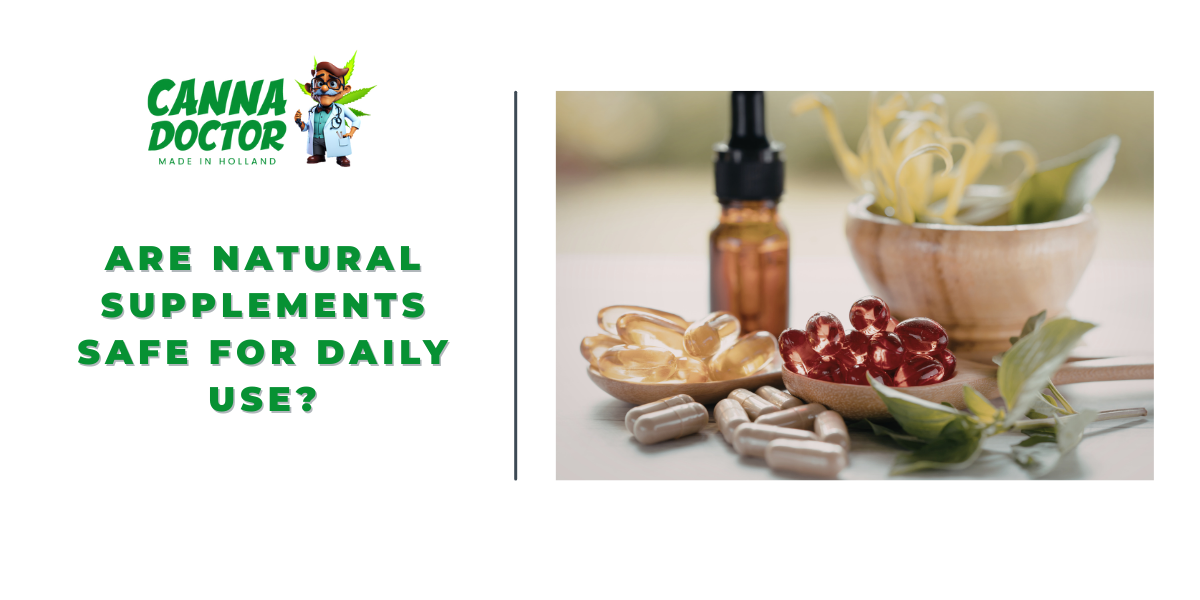
The supplement aisle can feel overwhelming. Rows of bottles promise better energy, sharper focus, stronger immunity, and improved wellness. With
You must be 18 years of age or older to view page. Please verify your age to enter.
Your access is restricted because of your age.