
Herbal Remedies vs Synthetic Supplements: Benefits, and Choosing What’s Best
Walk into any health store or browse online wellness retailers, and you’ll find yourself facing a dizzying array of bottles,

Ordered before 5pm = Shipped today

Discreet Shipping & Transactions

Proven and tested effectiveness
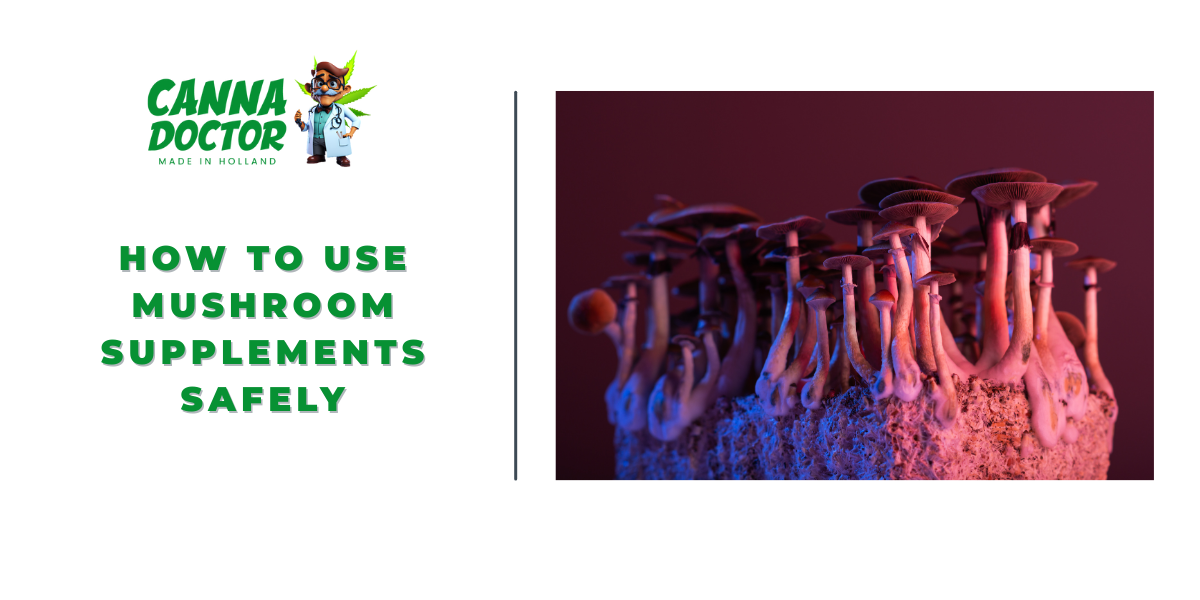
The wellness supplement market has witnessed explosive growth in mushroom-based products over the past decade, with consumers increasingly turning to functional mushrooms for immune support, cognitive enhancement, and overall vitality. However, this surge in popularity has brought both opportunity and risk. Recent regulatory actions and health alerts in 2024 and early 2025 have exposed significant safety concerns, from mislabeled products to dangerous contamination events that hospitalized hundreds of people.
For those navigating the expanding landscape of mushroom supplements, understanding how to identify quality products, dose appropriately, and recognize warning signs has never been more critical. This comprehensive guide addresses the practical realities of safe supplementation, incorporating the latest regulatory updates and evidence-based protocols to help you make informed decisions about your wellness routine.
Before diving into selection criteria and dosing protocols, it’s important to grasp the regulatory environment surrounding mushroom supplements. Unlike pharmaceutical drugs, dietary supplements face minimal pre-market approval requirements, placing the burden of safety verification squarely on consumers’ shoulders.
The FDA regulates mushroom supplements as foods rather than drugs, meaning manufacturers can bring products to market without demonstrating safety or efficacy beforehand. This regulatory gap has created space for both legitimate wellness innovations and problematic products that compromise consumer safety.
Recent incidents have highlighted these vulnerabilities. The CDC documented over 180 serious adverse events linked to contaminated mushroom products in 2024, with the majority involving chocolate edibles that contained undisclosed psychoactive compounds. These cases resulted in emergency department visits for severe symptoms including seizures, loss of consciousness, abnormal heart rhythms, and acute psychosis.
What made these incidents particularly alarming was the disconnect between product marketing and actual contents. Products labeled as containing legal, non-psychoactive Lion’s Mane or Reishi mushrooms instead contained muscimol from Amanita muscaria or even illicit psilocybin, substances with potent psychoactive effects and unpredictable safety profiles.
This context underscores a fundamental principle: your safety depends on becoming an educated, vigilant consumer who can distinguish legitimate products from those that cut corners or deliberately mislead.
The foundation of safe supplementation begins with product selection. High-quality mushroom supplements share several distinguishing characteristics that separate them from substandard or dangerous alternatives.
Label Transparency and Completeness
A trustworthy mushroom supplement provides comprehensive information on its label, starting with a detailed Supplement Facts panel. This panel should clearly identify the mushroom species by both common and scientific names. For example, a Lion’s Mane product should list “Hericium erinaceus” rather than hiding behind vague terms like “mushroom blend” or “proprietary formula.”
The label must specify which part of the mushroom is used. This distinction matters significantly because fruiting bodies (the actual mushroom) contain substantially different compound profiles than mycelium (the root-like structure). Fruiting bodies typically offer higher concentrations of beneficial beta-glucans and other bioactive compounds, making them the preferred choice for most wellness applications.
Extraction methods deserve equal attention. Hot water extraction efficiently captures polysaccharides and beta-glucans, while alcohol extraction targets triterpenes and other compounds. Dual extraction combines both methods to provide a fuller spectrum of bioactive components. Products should clearly state their extraction approach and, ideally, provide an extract ratio (such as 8:1, meaning eight pounds of mushrooms were used to create one pound of extract).
Batch or lot numbers and expiration dates provide traceability. These seemingly minor details become crucial if you need to verify testing results or check whether your product is affected by a recall. Products lacking this basic information suggest a manufacturer unconcerned with accountability.
Third-Party Testing and Certifications
Independent verification represents your strongest assurance of product quality and safety. Look for supplements that display third-party testing marks from recognized organizations such as USP (United States Pharmacopeia), NSF International, or similar accrediting bodies. These certifications indicate that an independent laboratory has verified the product’s contents match its label claims and confirmed the absence of harmful contaminants.
Certificates of Analysis (COAs) take this verification further by providing detailed testing results for specific batches. A comprehensive COA tests for heavy metals (lead, arsenic, mercury, cadmium), pesticide residues, microbial contamination (bacteria, mold, yeast), and verifies the concentration of key active compounds, particularly beta-glucans.
Reputable manufacturers make COAs readily available, either on their websites with searchable batch numbers or by providing them upon request. A company’s willingness to share this documentation reflects their commitment to transparency and quality control. Conversely, manufacturers who refuse to provide COAs or claim their formulas are “proprietary secrets” raise immediate red flags.
For functional mushroom supplements, pay special attention to beta-glucan content. Research suggests that products containing at least 25% beta-glucans by weight deliver meaningful bioactive effects. Products with lower concentrations may contain mostly fillers or inferior mycelium-on-grain preparations that offer minimal benefits.
Recognizing Warning Signs
Certain characteristics should trigger immediate caution or outright avoidance. Products making extraordinary health claims like “cures cancer,” “eliminates diabetes,” or “reverses Alzheimer’s disease” violate FDA regulations and signal either ignorance or dishonesty from the manufacturer. Legitimate supplement companies make measured, evidence-based statements about supporting normal body functions rather than claiming to treat, cure, or prevent diseases.
Pricing far below market averages often indicates quality compromises. While you shouldn’t assume the most expensive product is the best, mushroom cultivation, extraction, and testing involve real costs. Products priced suspiciously low may use inferior starting materials, skip quality testing, or engage in deceptive labeling practices.
Any product suggesting psychoactive effects outside of explicitly legal, regulated contexts should be avoided. References to “microdosing,” “consciousness expansion,” or similar language typically indicate the presence of controlled substances like psilocybin or problematic compounds like muscimol from Amanita muscaria. While research into these substances shows promise in clinical settings, consumer products containing them exist in legal gray areas at best and pose significant safety risks.
Check recent FDA and CDC recall databases before purchasing, especially if you’re trying a new brand. The FDA maintains a searchable database of recalls, market withdrawals, and safety alerts that you can access online. Taking five minutes to verify that your chosen brand hasn’t faced recent safety actions protects you from known problematic products.
Once you’ve selected a quality product, proper dosing becomes the next critical consideration. Mushroom supplements don’t follow a one-size-fits-all approach. Different species, extraction methods, and individual factors all influence optimal dosing.
General Dosing Framework
For most adults using mushroom supplements for general wellness, daily doses typically range from 500 milligrams to 2 grams. This broad range reflects variation in product potency, extraction quality, and individual sensitivity. Starting at the lower end of this range and gradually increasing allows you to assess your personal response while minimizing the risk of adverse effects.
Maximum recommended doses vary by mushroom type. Lion’s Mane and Reishi supplements often suggest upper limits around 3 grams daily, though most people find benefits at lower doses. Going beyond these levels without professional guidance increases the likelihood of side effects without necessarily improving outcomes.
Individual sensitivity varies considerably. Factors including body weight, digestive health, medication use, and overall health status all influence how you metabolize and respond to mushroom supplements. What works perfectly for one person might cause digestive upset or prove ineffective for another.
Species-Specific Recommendations
Different functional mushrooms serve distinct purposes, and their dosing reflects these varied applications:
Lion’s Mane (Hericium erinaceus) typically ranges from 500 milligrams to 3 grams daily. Most people divide their dose, taking half in the morning and half in the afternoon to support sustained cognitive function throughout the day. Those using Lion’s Mane for nerve health or cognitive support often start with 1 gram daily and adjust based on their response over several weeks.
Reishi (Ganoderma lucidum) doses typically fall between 1 and 2 grams daily. Because Reishi promotes relaxation and may support sleep quality, many users prefer taking their dose in the evening. Starting with 1 gram about an hour before bedtime allows you to assess its calming effects without risking daytime drowsiness.
Cordyceps (Cordyceps militaris or Cordyceps sinensis) supplements usually range from 1 to 2 grams daily. Given Cordyceps’ energizing properties and potential to support athletic performance, morning dosing makes the most sense for most users. Those sensitive to stimulants should start with 500 milligrams to gauge their response.
Chaga (Inonotus obliquus) doses typically range from 500 milligrams to 1 gram daily. While Chaga offers potent antioxidant support, individuals taking blood-thinning medications should exercise extra caution due to potential interactions that we’ll discuss in detail later.
Turkey Tail (Trametes versicolor) commonly ranges from 1 to 3 grams daily, particularly when used to support gut health and immune function. The higher end of this range applies to those using Turkey Tail as part of comprehensive wellness protocols under professional guidance.
These recommendations serve as starting points rather than rigid rules. Always cross-reference with the specific product’s Certificate of Analysis and adjust based on the extract’s potency. A 10:1 extract requires a smaller dose than a 4:1 extract to deliver equivalent active compounds.
Practical Implementation Strategies
Translating dosing guidelines into daily practice requires some planning and attention to your body’s signals. If you experience digestive sensitivity, consider starting with half the recommended dose for three days before increasing. Taking mushroom supplements with a small meal or snack often reduces the likelihood of stomach upset, particularly when you’re first introducing them.
When combining multiple mushroom species or stacking with other supplements, introduce one change at a time. Adding several new supplements simultaneously makes it impossible to identify which one might be causing benefits or problems. Wait at least a week after starting one supplement before adding another.
Missed doses happen to everyone. If you forget your mushroom supplement, simply continue with your normal routine the next day. Never double your next dose to “make up” for missing one. Mushroom supplements work through gradual accumulation in your system rather than requiring perfect daily consistency.
Tracking your supplementation helps you identify patterns and optimize your routine. A simple spreadsheet or phone app noting the date, product, dose, timing, and any observed effects (positive or negative) creates a valuable record. Over time, this log reveals what works best for your individual needs and provides helpful information if you need to consult with a healthcare provider.
Consider incorporating periodic “rest days” into your routine, perhaps one day weekly where you skip your supplements. This practice allows you to monitor your baseline state and ensures you’re not developing unnecessary dependence on supplementation for normal function.
While high-quality mushroom supplements show good safety profiles for most people, adverse reactions can occur, particularly when starting supplementation or when using questionable products. Understanding what to watch for and how to respond protects your wellbeing.
Common Mild Effects
The most frequent side effects involve the digestive system. Bloating, loose stools, or mild nausea can occur during the first few days of supplementation as your gut microbiome adjusts to new compounds. These symptoms typically resolve within a week as your system adapts. Taking supplements with food and ensuring adequate hydration often minimizes these effects.
Skin reactions, though less common, can include itching or mild rash. These symptoms might indicate sensitivity to the mushroom species itself or to fillers and additives in the product. True mushroom allergies exist but remain relatively uncommon compared to other food allergies.
Some people report temporary fatigue or mild headaches when starting mushroom supplements, particularly with calming varieties like Reishi or when combining multiple adaptogenic herbs. These effects often reflect the body’s adjustment to compounds that influence stress response pathways.
Timeline and Response Strategies
Most mild adverse effects emerge within 24 to 72 hours of starting supplementation or increasing your dose. If you experience mild symptoms, reduce your dose by half or pause supplementation entirely for 48 hours. When symptoms resolve, reintroduce the supplement at half your original dose and monitor your response carefully.
For persistent mild symptoms that don’t improve with dose reduction, discontinue the product and try a different brand or mushroom species. What appears to be a reaction to “mushroom supplements” in general might actually reflect sensitivity to specific extraction methods, fillers, or quality issues with a particular product.
Severe symptoms demand immediate action. Stop using the supplement and seek medical attention if you experience difficulty breathing, severe abdominal pain, rapid heartbeat, significant skin reactions (widespread rash, hives, swelling), mental status changes, or any symptom that genuinely concerns you. While severe reactions to pure mushroom supplements remain rare, they can occur, particularly with contaminated or mislabeled products.
Allergy Testing and High-Risk Considerations
If you have a history of mold allergies or sensitivities, consider performing a simple skin test before taking mushroom supplements internally. Mix a small amount of the powdered supplement with water to create a paste and apply it to your inner forearm. Cover with a bandage and monitor the area for 24 hours. Redness, itching, or swelling suggests potential sensitivity.
Certain populations face elevated risks and should seek professional guidance before starting mushroom supplements. Pregnant or nursing individuals should avoid most supplements due to limited safety data in these populations. Children should not use functional mushroom supplements without pediatric oversight.
People with compromised immune systems face complex considerations. Some mushroom supplements support immune function in ways that might prove beneficial, but others could theoretically trigger inappropriate immune responses in those with autoimmune conditions or those taking immunosuppressant medications. Professional guidance becomes essential in these situations.
Individuals with liver or kidney disease should exercise particular caution, as these organs process and eliminate supplement components. Impaired organ function can lead to unexpected accumulation and effects.
Those with severe food allergies, particularly to molds or fungi, should approach mushroom supplements cautiously and preferably under medical supervision. While mushrooms represent a distinct biological kingdom from molds, cross-reactivity can occur in sensitive individuals.
Mushroom supplements don’t exist in isolation within your body. They interact with medications, other supplements, and your underlying health conditions in ways that require careful consideration.
Blood Thinners and Antiplatelet Medications
Reishi and Chaga mushrooms have demonstrated antiplatelet and anticoagulant effects in research studies, meaning they can reduce blood clotting. For individuals taking warfarin, aspirin, clopidogrel, or other blood-thinning medications, combining these with Reishi or Chaga significantly increases bleeding risk.
This interaction isn’t merely theoretical. Case reports document serious bleeding complications in people combining Reishi supplements with anticoagulant medications. If you require blood thinners, avoid Reishi and Chaga entirely, or use them only under close medical supervision with regular monitoring of your clotting parameters.
Immunosuppressant Medications
Turkey Tail and Chaga mushrooms show immune-enhancing properties, potentially increasing immune system activity. While this effect benefits many people, it directly conflicts with the purpose of immunosuppressant medications prescribed after organ transplants or for autoimmune conditions.
Taking immune-stimulating supplements while on immunosuppressants like tacrolimus, cyclosporine, or methotrexate could reduce the effectiveness of these critical medications, potentially leading to organ rejection or autoimmune disease flares. These combinations should be avoided unless specifically approved by your transplant team or rheumatologist.
Diabetes Medications and Blood Sugar Effects
Cordyceps and Maitake mushrooms can influence blood sugar regulation, potentially enhancing the effects of diabetes medications or insulin. While this might sound beneficial, it creates a risk of hypoglycemia (dangerously low blood sugar) when combined with antidiabetic drugs.
If you take metformin, insulin, sulfonylureas, or other diabetes medications, monitor your blood sugar more frequently when introducing these mushroom supplements. Work with your healthcare provider to adjust medication doses if needed. Never reduce diabetes medications on your own based on supplement use.
Sedatives and Anti-Anxiety Medications
Reishi’s calming properties can theoretically enhance the effects of sedative medications, including benzodiazepines, sleeping pills, and certain anti-anxiety medications. While research on this interaction remains limited, the potential for excessive sedation warrants caution.
If you take medications for sleep or anxiety, start with very low doses of Reishi and monitor carefully for increased drowsiness or sedation. Avoid driving or operating machinery until you understand how the combination affects you.
Psychotropic Medications and Psychoactive Substances
Products containing or contaminated with Amanita muscaria, psilocybin, or other psychoactive compounds pose serious risks when combined with psychiatric medications. Selective serotonin reuptake inhibitors (SSRIs), monoamine oxidase inhibitors (MAOIs), and other psychotropic drugs can interact dangerously with these substances, potentially causing serotonin syndrome or other life-threatening complications.
This concern extends beyond intentionally psychoactive products. The 2024 contamination incidents remind us that products labeled as containing only legal culinary mushrooms sometimes contain undisclosed psychoactive compounds. Strict product verification becomes especially critical for anyone taking psychiatric medications.
Stacking Considerations
The growing popularity of supplement “stacks” combining multiple mushroom species or mixing mushrooms with other adaptogens creates additional complexity. While strategic combinations might offer synergistic benefits, they also multiply interaction risks and make it difficult to identify the source of any problems.
Avoid combining multiple mushroom supplements at their maximum recommended doses without professional oversight. If you want to stack supplements, start each one individually at a low dose, establish tolerance, and then gradually combine them while monitoring your response.
Be particularly cautious about stacking mushroom supplements with other potent adaptogens like ashwagandha, rhodiola, or ginseng. These combinations can sometimes create excessive stimulation or sedation depending on the specific mix.
Surgery Considerations
If you have surgery scheduled, discontinue immune-modulating mushroom supplements at least two weeks beforehand. Inform your surgeon and anesthesiologist about all supplements you’ve been taking. Some mushroom compounds can affect bleeding, immune function, or anesthesia in ways that complicate surgical procedures and recovery.
Mushroom supplements come in various forms, each with specific handling requirements and safety considerations.
Capsules and Tablets
Capsules and tablets offer convenience and precise dosing but require some attention to optimal use. Take them with a meal or substantial snack rather than on an empty stomach to minimize digestive upset. The food also aids absorption of certain mushroom compounds.
Examine the ingredient list beyond the mushroom extract itself. Some products contain numerous fillers, anti-caking agents, or flow agents that serve manufacturing purposes but offer no health benefits. While small amounts of these additives generally pose no problems, some people experience sensitivity to specific excipients.
Gelatin capsules may not align with vegetarian or vegan dietary preferences. Many manufacturers now offer vegetarian capsules made from plant cellulose as an alternative.
Powders
Powdered mushroom extracts provide flexibility in dosing and can be mixed into various foods and beverages. However, they require more careful handling than pre-measured capsules.
Start with a quarter to half of the recommended scoop size when first using a powder, particularly if it’s a concentrated extract. Gradually increase to the full dose over several days to assess tolerance.
Mix powders thoroughly into smoothies, yogurt, coffee, or tea rather than consuming them dry. The moisture helps with absorption and makes them easier on your digestive system.
Never consume raw, wild-harvested mushroom powder unless it comes from a certified, food-safe source with full testing documentation. Raw wild mushrooms can harbor harmful bacteria, parasites, or toxic compounds that proper processing eliminates.
Store powders in their original container with the lid tightly sealed. Exposure to air, light, and moisture degrades the active compounds and can introduce contamination.
Tinctures and Liquid Extracts
Tinctures offer rapid absorption, particularly when taken sublingually (under the tongue). Follow the product’s specific instructions for dosing, which typically involve placing drops under your tongue and holding them there for 30 to 60 seconds before swallowing.
Alcohol-based tinctures can cause a burning sensation under the tongue. If this proves uncomfortable, you can dilute the tincture in a small amount of water or juice, though this may slightly reduce absorption efficiency.
Those avoiding alcohol for health, religious, or recovery reasons should look for alcohol-free glycerin-based tinctures. While these may extract slightly different compound profiles than alcohol tinctures, they provide a suitable alternative.
Teas
Mushroom teas offer a traditional consumption method that some people find more enjoyable than capsules or powders. However, tea preparation requires attention to safety and quality.
Use only lab-verified dried mushroom pieces or pre-packaged tea blends from reputable manufacturers. Never brew tea from wild mushrooms you’ve harvested yourself unless you have expert-level identification skills and the mushrooms have been verified as safe and legal.
Follow steeping instructions carefully. Different mushrooms require different water temperatures and steeping times to extract beneficial compounds effectively. Generally, medicinal mushrooms benefit from longer steeping times (15 to 20 minutes) in hot but not boiling water.
Discard the mushroom solids after steeping rather than consuming them, as the tea has already extracted the water-soluble compounds and the remaining fiber offers minimal additional benefit.
Chocolates and Edibles
The 2024 CDC outbreak centering on mushroom-containing chocolate products warrants extreme caution with this supplement form. Only purchase edibles from manufacturers providing full Certificates of Analysis for each batch, clearly identifying all mushroom species present and confirming the absence of psychoactive compounds not listed on the label.
Avoid any chocolate or edible product that suggests, even subtly, psychedelic or consciousness-altering effects in markets where such products remain illegal. Phrases like “microdose,” “expanded awareness,” or “journey” often signal products containing controlled substances operating in legal gray areas.
Start with a very small amount of any new edible product and wait at least two hours before consuming more. If you experience any unexpected effects (visual distortions, unusual thoughts, rapid heartbeat, anxiety), seek medical attention and save the product packaging for analysis.
Building Your Routine
Successful supplementation depends on establishing consistent routines that fit your lifestyle. Many people find that taking Lion’s Mane in the morning supports focus and cognitive function throughout the workday, while reserving Reishi for evening promotes relaxation and sleep quality.
Consider incorporating a weekly “rest day” where you skip supplements entirely. This practice allows you to assess your baseline state and ensures you’re benefiting from the supplements rather than simply becoming habituated to them.
Keep supplements in visible locations where you’ll remember to take them, such as near your coffee maker or on your bathroom counter. Consistency matters more than the specific timing within your day.
Recent safety incidents underscore the importance of vigilant product evaluation. Developing a systematic approach to assessing products before purchase significantly reduces your risk exposure.
Visual and Checklist Assessment
Before buying any mushroom supplement, work through a mental or written checklist. Does the product display a complete Supplement Facts panel? Can you identify the specific mushroom species by scientific name? Does it specify the mushroom part used and extraction method? Is there a batch or lot number and expiration date?
If the answer to any of these questions is no, consider that a significant red flag warranting further investigation or selection of an alternative product.
Look for third-party certification logos from recognized organizations. While these aren’t absolute guarantees, their presence indicates the manufacturer has submitted to independent oversight.
Many companies now include QR codes on their packaging that link directly to Certificates of Analysis for that specific batch. This technology makes verification simple and immediate. Scan the code with your phone before purchasing to confirm the testing documentation exists and matches the product in your hand.
Leveraging Technology for Verification
Several smartphone apps and websites allow you to check supplement batch numbers against current FDA recall databases. Taking 30 seconds to run this check before purchasing or consuming a product could prevent serious adverse events.
Some advocacy organizations maintain crowdsourced databases where consumers can report problems with specific products or brands. While these shouldn’t be your only information source, they can reveal patterns of issues that haven’t yet resulted in formal recalls.
Learning from Real Contamination Cases
The 2024 CDC outbreak linked to mushroom chocolates provides instructive lessons. The implicated products shared several characteristics: vague labeling about mushroom species, pricing that seemed too good to be true, packaging that emphasized “natural highs” or similar euphemisms, and an absence of verifiable third-party testing.
Consumers who experienced serious effects often noticed warning signs they initially dismissed: unexpected bitter or metallic tastes, unusual colors or textures, and packaging that looked professionally printed but lacked standard regulatory information like manufacturer addresses and lot numbers.
Trust your instincts when evaluating products. If something seems off about the packaging, labeling, or marketing, that intuition often reflects your unconscious detection of subtle red flags worth taking seriously.
Responding to Product Concerns
If you purchase a product and later have concerns about its safety or authenticity, contact the manufacturer directly. Legitimate companies respond promptly to customer inquiries and willingly provide additional documentation.
Report serious adverse events to the FDA’s MedWatch program. Your report contributes to the safety monitoring system that identifies problems and triggers recalls. Even if your experience didn’t require medical attention, reporting helps protect others.
If you suspect a product contains undeclared psychoactive compounds or represents a public health risk, report it to your state’s Department of Agriculture or Health in addition to the FDA. Some states maintain more active enforcement programs than federal agencies.
Proper storage practices extend supplement shelf life and maintain potency while preventing contamination.
Optimal Storage Conditions
Store mushroom supplements in their original containers with lids tightly sealed. The containers are designed to protect contents from environmental factors that degrade quality.
Keep supplements in a cool, dark, dry location. Heat, light, and humidity all accelerate the breakdown of beneficial compounds. Your bedroom closet or a kitchen cabinet away from the stove typically works better than a bathroom medicine cabinet, which experiences temperature and humidity swings.
Avoid storing supplements in locations subject to temperature extremes, such as cars, garages, or windowsills. Consistent, moderate temperatures preserve potency most effectively.
Some people refrigerate their supplements, which can extend shelf life slightly. However, this creates condensation risks if you frequently remove containers from the refrigerator and allow them to reach room temperature. If you choose refrigeration, remove only the portion you’ll use immediately and return the container promptly.
Understanding Shelf Life
Most properly stored mushroom supplements maintain quality for 12 to 24 months when unopened. Once opened, use them within six to twelve months for optimal potency.
Expiration dates reflect the manufacturer’s guarantee of potency and safety through that date when stored properly. While supplements don’t typically become dangerous the day after their expiration date, their beneficial compounds may have degraded below effective levels.
Changes in color, smell, or texture before the expiration date signal potential problems. If your mushroom powder develops an off odor, changes from its original color, or shows signs of moisture or clumping, discard it regardless of the date on the label.
Some degradation over time is normal and doesn’t necessarily mean a product has become unsafe. However, significantly reduced potency means you’re not receiving the benefits you’re paying for, making replacement worthwhile.
At-Home Quality Checks
Periodically verify that the batch number on your supplement container matches the Certificate of Analysis you reviewed. Some unscrupulous companies maintain a single “model” COA on their website while shipping products from different, untested batches.
If you notice any discrepancy between your product and the documentation provided, contact the manufacturer immediately. A legitimate company will clarify the situation. Evasive responses or inability to provide batch-specific documentation warrants switching to a more transparent brand.
When in doubt about a product’s quality or safety, err on the side of caution and discard it. The cost of replacing a questionable supplement is far less than the potential cost of adverse health effects.
Staying informed about evolving regulations and recent safety incidents helps you make better purchasing decisions and avoid emerging risks.
2024 Contamination Crisis
The CDC documented over 180 cases of serious adverse events linked to mushroom-containing products in 2024, with the majority involving chocolate edibles marketed as containing legal culinary mushroom species. Investigation revealed that many of these products actually contained muscimol from Amanita muscaria or undisclosed psilocybin.
Patients experienced severe symptoms including seizures, loss of consciousness, abnormal heart rhythms requiring hospitalization, and acute psychotic episodes. The median age of affected individuals was 27, though cases spanned from teenagers to older adults.
What made this outbreak particularly concerning was the geographic spread, affecting multiple states simultaneously, and the variety of brand names involved. This pattern suggested either widespread contamination in shared supply chains or deliberate mislabeling across numerous manufacturers.
Public health authorities issued warnings specifically about mushroom chocolate products and urged consumers to verify all ingredients through independent testing documentation before consumption.
Amanita Muscaria Regulatory Actions
In early 2025, several states moved to restrict or ban the sale of products containing Amanita muscaria following the 2024 outbreak. While this mushroom isn’t federally scheduled as a controlled substance, its primary psychoactive compound, muscimol, creates effects similar to controlled substances and poses significant safety risks.
The FDA issued formal warnings to manufacturers incorporating Amanita muscaria into food products, noting that the agency does not recognize this mushroom as safe for food use. Products marketed for psychoactive effects face potential seizure and enforcement action.
If you encounter products containing Amanita muscaria, understand that these operate in regulatory gray areas at best. They haven’t undergone safety evaluation for human consumption, dosing remains inconsistent and unpredictable, and quality control is virtually nonexistent in this emerging market.
Psilocybin and Legal Psychedelic Developments
While several jurisdictions have decriminalized or created legal frameworks for psilocybin in clinical settings, consumer products containing psilocybin remain illegal under federal law and most state laws. Products marketed as “legal mushroom supplements” that contain psilocybin violate controlled substance laws.
Legitimate research into psilocybin’s therapeutic potential continues in academic and medical settings, but this research involves pure, pharmaceutical-grade compounds used in controlled environments with medical supervision. Consumer products claiming to offer similar benefits through “microdosing” or similar approaches lack any regulatory oversight and may contain unpredictable amounts of active compounds or dangerous contaminants.
Evolving FDA Stance
The FDA has begun signaling increased scrutiny of the mushroom supplement market following recent safety incidents. While the agency hasn’t implemented new regulations specific to mushroom supplements, enforcement actions against problematic products have increased.
The FDA has specifically targeted products making drug-like claims, those containing psychoactive compounds not approved for food use, and manufacturers that fail to implement basic quality controls. This enforcement activity suggests that regulatory pressure on this market segment will continue intensifying.
State-Level Actions
Several states maintain more active oversight of dietary supplements than federal agencies. Minnesota, for example, has published comprehensive guidance for consumers about mushroom product safety and maintains an active reporting system for adverse events.
Some states require supplement manufacturers to register with state health or agriculture departments, creating an additional layer of accountability beyond federal requirements. Products sold in states with stronger oversight may offer additional safety assurances.
How Responsible Manufacturers Respond
The increased regulatory attention has pushed legitimate manufacturers to differentiate themselves through enhanced transparency. Leading companies now provide detailed sourcing information, showing where and how their mushrooms are cultivated, comprehensive testing beyond minimum requirements, and clear educational materials that avoid exaggerated claims.
These companies recognize that industry credibility depends on self-regulation and quality standards that exceed legal minimums. When selecting products, favor manufacturers who demonstrate this commitment to transparency and quality even when regulations don’t require it.
Navigating the mushroom supplement landscape requires access to trustworthy information sources beyond marketing materials.
Government Health Agencies
The CDC maintains updated information about outbreaks and safety alerts related to supplements, including the 2024 mushroom chocolate contamination cases. Their website provides detailed case information and recommendations for consumers and healthcare providers.
The FDA’s food and supplement safety pages offer guidance on regulatory status, recalls, and warning letters to manufacturers. The agency’s MedWatch program accepts consumer reports of adverse events and product quality problems.
State departments of agriculture and health often provide consumer-focused guidance. Minnesota’s Department of Agriculture, for example, has published comprehensive mushroom product safety information specifically for consumers navigating this market.
The Department of Defense’s Operation Supplement Safety (OPSS) program, while primarily serving military personnel, offers excellent general guidance on supplement safety that applies to civilian consumers as well.
The mushroom supplement market offers genuine potential for supporting various aspects of health and wellness, but realizing these benefits safely requires informed, vigilant consumerism. By selecting quality-tested products, following appropriate dosing protocols, monitoring for adverse effects, understanding interactions, and staying current on safety alerts, you can incorporate mushroom supplements into your wellness routine while minimizing risks.
Remember that supplements complement but don’t replace a foundation of sound nutrition, adequate sleep, stress management, and appropriate medical care. They work best as one component of a comprehensive approach to health rather than as standalone solutions to complex health challenges.
Walk into any health store or browse online wellness retailers, and you’ll find yourself facing a dizzying array of bottles,
The modern world has created a perfect storm for declining mental wellness. Between demanding careers, constant digital connectivity, and the
The supplement aisle can feel overwhelming. Rows of bottles promise better energy, sharper focus, stronger immunity, and improved wellness. With
You must be 18 years of age or older to view page. Please verify your age to enter.
Your access is restricted because of your age.