
Herbal Remedies vs Synthetic Supplements: Benefits, and Choosing What’s Best
Walk into any health store or browse online wellness retailers, and you’ll find yourself facing a dizzying array of bottles,

Ordered before 5pm = Shipped today

Discreet Shipping & Transactions

Proven and tested effectiveness
Walking into the world of smartshops for the first time can feel overwhelming. Shelves lined with CBD oils, mysterious herbal extracts, nootropic capsules, and energy blends may all promise something valuable, but how do you know which is right for you? This guide will help you navigate smartshop offerings with clarity and confidence, no matter what your wellness goals may be.
Smartshops are specialized European retailers focused on legal psychoactive herbs, CBD products, health supplements, and cognitive enhancers. Unlike dispensaries or headshops, they don’t sell cannabis, tobacco paraphernalia, or products requiring prescriptions. Instead, they occupy a unique niche between alternative wellness stores and legal psychoactive exploration.
The typical smartshop carries natural psychoactives (think , blue lotus, or kratom where legal), nootropics designed to support mental clarity, herbal energizers and relaxers, and a broad spectrum of cannabinoid products that go beyond basic CBD. Some also stock wellness accessories like vaporizers for herbal blends or tools for microdosing.
What sets smartshops apart is their educational approach. Quality retailers offer detailed product information, transparency about sourcing and testing, and customer support to help you make informed decisions. They bridge the gap between mainstream health food stores and the gray areas of legal psychoactive use, providing safer access and harm reduction guidance.
Before diving into product catalogs, step back and ask yourself what you’re actually trying to achieve. Are you looking to ease chronic stress and finally get quality sleep? Do you need sustained mental energy for demanding workdays without the jittery crash of excessive coffee? Perhaps you’re seeking creative inspiration, mood support during seasonal lows, or simply a sense of general balance and wellness.
Your answer to “what do I want to feel?” should be specific. “Feel better” is too vague. “Reduce my Sunday night anxiety enough to fall asleep by midnight” or “maintain afternoon focus during long study sessions” gives you a concrete target.
Consider your personal context as well. Do you have any known sensitivities to herbs, caffeine, or supplements? Are you taking medications that might interact with certain botanicals? Have you experimented with wellness products before, or is this completely new territory? Your experience level and health profile will determine whether you should start conservatively or can explore with slightly more confidence.
Take a moment to write down your top priority. Keep it visible as you research products. This simple act of clarification prevents impulse purchases and helps you evaluate whether a product truly serves your needs or just sounds appealing in the moment.
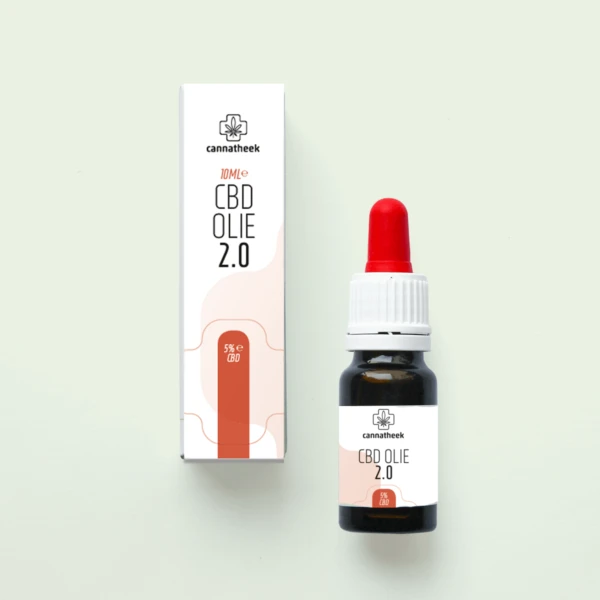
CBD has become the flagship category in most smartshops, available as oils, tinctures, gummies, capsules, vape liquids, and topical balms. CBD (cannabidiol) is non-psychoactive, meaning it won’t get you high, but many users report benefits for anxiety, inflammation, sleep quality, and general stress management.
Beyond basic CBD, you’ll increasingly find products featuring minor cannabinoids like CBG (cannabigerol, often used for focus and inflammation), CBN (cannabinol, favored for sleep), and THCV (tetrahydrocannabivarin, which may support energy and appetite control). Each cannabinoid has a distinct profile, and some products blend multiple cannabinoids for synergistic effects.
The key here is understanding potency (measured in milligrams per serving) and delivery method, which we’ll explore shortly. CBD is ideal for those seeking gentle, non-intoxicating wellness support.
Herbal energizers fill the gap between your standard morning coffee and pharmaceutical stimulants. Common ingredients include guarana (a natural source of caffeine), yerba maté, ginseng, and cordyceps mushrooms. Some blends add B vitamins, taurine, or amino acids for sustained vitality.
These products target focus, alertness, and physical energy without (in theory) causing the anxiety or crash associated with high-dose caffeine. They’re popular among students, shift workers, athletes, and anyone looking to enhance productivity naturally. That said, effects vary widely by formulation and individual tolerance, so start conservatively.
On the opposite end of the spectrum, herbal relaxers help you downshift. Ingredients like valerian root, passionflower, chamomile, lemon balm, and kava are blended into teas, capsules, or tinctures designed to ease tension, quiet racing thoughts, and support sleep.
Kava, in particular, deserves mention as a traditional Pacific Islander root with documented relaxing and mood-lifting properties. It’s legal in many European countries but banned in others, so verify local regulations. When used responsibly, kava and similar herbs offer a natural alternative to over-the-counter sleep aids or alcohol for unwinding.
These products shine for evening routines, meditation support, or managing occasional stress, but they’re not instant knock-out pills. Consistency and proper timing matter.
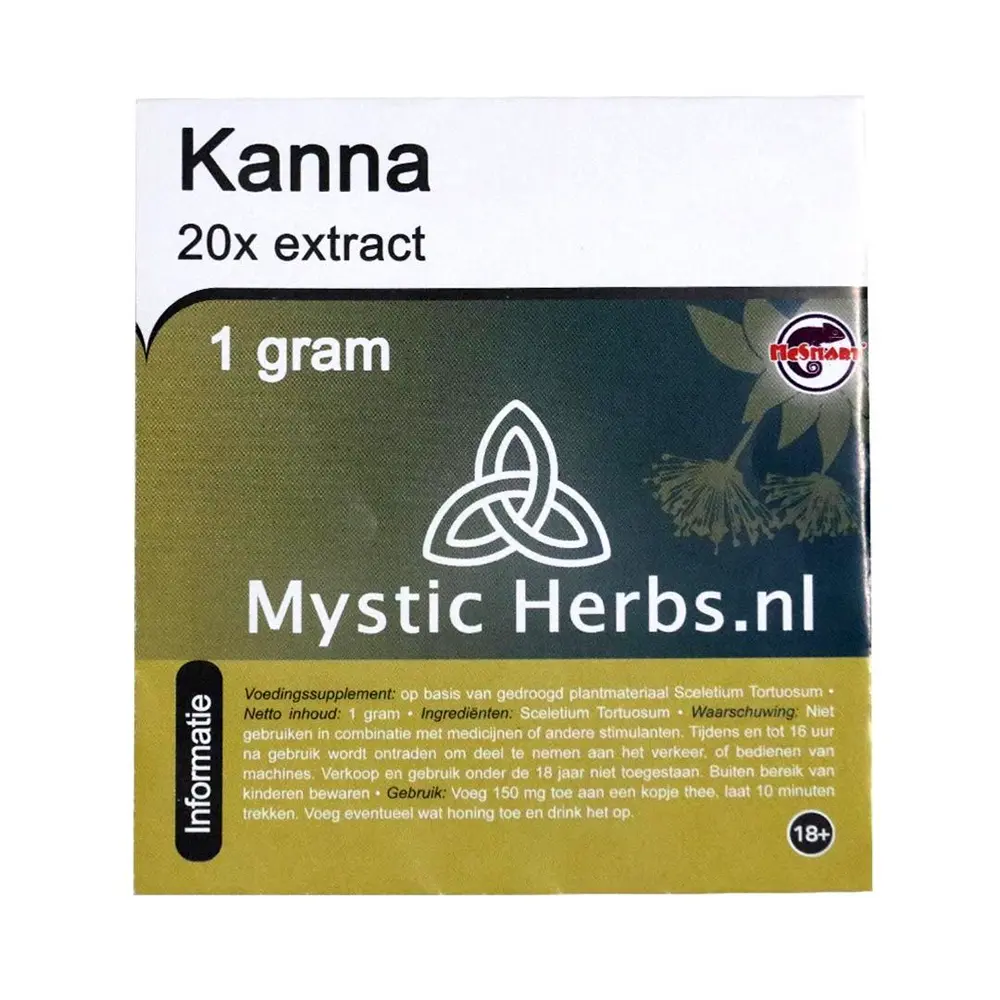
This category includes plants and extracts that produce mild to moderate psychoactive effects. Examples include salvia divinorum (restricted or banned in many places), kanna (Sceletium tortuosum, a South African herb used for mood and relaxation), blue lotus (Nymphaea caerulea, historically valued for its calming and slightly euphoric qualities), and kratom (Mitragyna speciosa, a Southeast Asian tree with stimulant and sedative properties depending on strain and dose).
Legality varies dramatically by country and even by region within countries. Kratom, for instance, is banned in several EU nations but legal in others. Always verify current legal status before purchasing or importing. These herbs require more caution, research, and respect than typical wellness supplements due to their psychoactive nature and potential for misuse or dependency (particularly kratom).
If you’re a beginner, this category is best approached with thorough education, low starting doses, and ideally guidance from experienced users or harm reduction resources.
Nootropics are substances claimed to enhance memory, focus, creativity, or overall brain function. Popular natural options include L-theanine (often paired with caffeine for calm focus), bacopa monnieri (traditionally used in Ayurveda for memory), lion’s mane mushroom (studied for nerve growth support), rhodiola rosea (an adaptogen for stress resilience), and ginkgo biloba.
These supplements appeal to students, professionals, and anyone interested in optimizing mental performance. Effects are typically subtle and build over consistent use rather than providing immediate results. Quality and dosage matter significantly, and the nootropics field has its share of hype, so look for products backed by transparent sourcing and realistic claims.
Many smartshops offer proprietary blends that combine multiple herbs, cannabinoids, or nootropics targeting specific outcomes: sleep formulas mixing CBD, CBN, valerian, and melatonin; focus stacks with L-theanine, caffeine, and lion’s mane; or post-workout recovery blends. Some shops even carry pet-safe CBD formulas.
Blends can be convenient and cost-effective, but they also make it harder to identify which ingredient is (or isn’t) working for you. If you’re experimenting for the first time, single-ingredient products allow you to pinpoint effects and avoid unnecessary complexity.
| Product Type | Key Effects | Ideal For | Common Forms |
|---|---|---|---|
| CBD | Calm, inflammation support, stress relief | General wellness, anxiety, sleep | Oils, gummies, capsules, topicals |
| Energizers | Alertness, focus, stamina | Productivity, study, workouts | Capsules, drinks, blends |
| Relaxers | Calm, sleep support, stress relief | Evening wind-down, meditation, rest | Teas, capsules, tinctures |
| Psychoactive Herbs | Mood lift, mild euphoria, relaxation | Exploration, mood support (caution required) | Extracts, capsules, dried herbs |
| Nootropics | Memory, focus, clarity | Cognitive performance, aging support | Capsules, powders |
| Blends | Targeted combo effects | Specific goals (sleep, recovery, etc.) | Capsules, gummies, powders |
Sublingual oils and alcohol or glycerin-based tinctures are absorbed quickly when held under the tongue for 60 to 90 seconds. This method bypasses digestion, leading to faster onset (typically 15 to 45 minutes) and higher bioavailability compared to edibles.
The upside is flexible dosing. You control each drop, making it easy to dial in your ideal amount. The downside is taste (earthy, bitter, or herbal flavors aren’t for everyone) and the learning curve of measuring accurately, especially if the dropper isn’t clearly marked.
Tinctures work well if you value speed, precision, and don’t mind a brief unpleasant taste. They’re also discreet enough to take on the go, though not quite as seamless as a gummy.
Pre-dosed gummies, chocolates, or capsules offer convenience and palatability. Each piece contains a set amount of active ingredient, removing guesswork. They’re discreet, portable, and often taste pleasant, making them a favorite for beginners or anyone who dislikes the flavor of oils.
The trade-off is slower onset. Edibles must pass through your digestive system, so effects typically emerge in 30 to 90 minutes (sometimes longer depending on metabolism and whether you’ve eaten). Dosing flexibility is limited unless you’re willing to cut gummies into fractions, and it’s harder to fine-tune compared to liquid drops.
Edibles are ideal for consistent daily routines where timing isn’t urgent and you appreciate simplicity.
Capsules combine the dosing precision of gummies with a neutral format. No taste, no mess, easy to swallow, and highly portable. Like edibles, they’re digested and absorbed over time, so expect similar onset windows.
The downside is rigidity. If a 25mg capsule is too strong, you either need a lower-dose product or accept less control. Capsules also tend to be less bioavailable than sublingual oils, meaning your body absorbs a smaller percentage of the active ingredient.
That said, capsules shine for travel, workplace dosing, or anyone building a structured supplement routine. They’re predictable and professional.
Brewing herbal tea from dried flowers, roots, or leaves is the most traditional delivery method. Teas offer ritual and sensory engagement (warmth, aroma, flavor) that many find therapeutic in itself. Effects are generally mild and gradual, making tea a gentle introduction to relaxing or energizing herbs.
However, potency varies based on brewing time, temperature, and plant quality. Measuring exact doses is difficult, and some active compounds don’t extract well in water. Teas work beautifully for evening wind-down or mindful breaks but aren’t the choice for precise dosing or strong effects.
CBD balms, muscle rubs, and transdermal patches are applied to the skin for localized relief. They don’t enter the bloodstream in significant amounts, so you won’t feel systemic effects like relaxation or mood changes. Instead, they target sore muscles, inflammation, or skin conditions directly.
Topicals are ideal for athletes, people with chronic pain in specific areas, or anyone interested in CBD’s anti-inflammatory properties without ingesting anything. They’re also useful for those who can’t or prefer not to consume supplements orally.
Blends mix multiple ingredients for convenience. A “sleep stack” might combine CBD, CBN, melatonin, and valerian in one capsule. A “focus blend” could pair L-theanine, caffeine, and lion’s mane.
The upside is simplicity and potential synergy (ingredients working together for enhanced effects). The downside is opacity. If a blend doesn’t work, you won’t know which component failed or caused side effects. Blends are great once you understand your responses to individual ingredients, but less ideal for total beginners still mapping their needs.
Potency is measured in milligrams per serving. A CBD gummy might contain 10mg, 25mg, or 50mg of CBD. A kratom capsule could hold 500mg of plant powder, but actual alkaloid content varies.
Start low and go slow. This golden rule applies across all smartshop categories. Even if a product seems weak, your body’s response is unpredictable until you try it. Taking too much too soon leads to discomfort, wasted product, and discouragement.
Microdosing, taking doses well below the typical threshold to experience subtle benefits, has become popular for psychoactive herbs, CBD, and nootropics. It allows you to test tolerance, minimize side effects, and find the minimum effective dose rather than overshooting.
Avoid combining multiple new products at once. If you stack CBD, an energizer blend, and a nootropic on day one, you won’t know which is helping or harming. Introduce one product, give it several days to assess, then add the next.
Keep a simple log: date, product, dose, timing, effects (both desired and unwanted). Patterns emerge quickly, and this record becomes invaluable for adjusting your routine.
Reputable smartshops provide Certificates of Analysis (COAs) for their products. A COA is a third-party lab report showing cannabinoid or ingredient potency, presence of contaminants (heavy metals, pesticides, solvents, microbes), and batch verification.
For CBD products, a COA should confirm the CBD content matches the label, THC is within legal limits (typically under 0.2% or 0.3% depending on jurisdiction), and no harmful substances are present. For herbal extracts, look for reports verifying identity, purity, and absence of adulterants.
No COA is a red flag. So is vague language like “lab-tested” without accessible results. If a shop can’t or won’t provide a COA on request, shop elsewhere.
Other warning signs include exaggerated medical claims (“cures cancer,” “FDA-approved treatment”), lack of contact information, no clear ingredient lists, or absence of dosage guidance. Legitimate retailers educate and support customers rather than overpromise.
Look for shops with detailed product pages that explain ingredients, sourcing, and suggested use. Customer reviews (verified when possible) offer insight into real experiences, though be cautious of suspiciously uniform five-star praise.
Responsive customer service is a strong indicator of legitimacy. Reach out with a question before purchasing. Do they reply promptly and knowledgeably? Do they encourage responsible use and warn about potential interactions?
Established shops often have educational blogs, harm reduction resources, and clear return or refund policies. They treat customers as informed participants rather than passive consumers.
Minimum purchase age for smartshop products typically ranges from 18 to 21, depending on country and product type. Verify local age requirements and be prepared to show ID.
Legality of specific products varies widely across Europe. CBD is broadly legal if THC content stays below national limits, but products containing kratom, kanna, salvia, or other psychoactive herbs face patchwork regulation. Some substances are legal in the Netherlands and Spain but banned in France or Sweden. Others are in legal gray zones, tolerated but not explicitly approved.
Before buying, especially online, confirm the product is legal to possess and use in your location. Importing banned substances, even unknowingly, can result in seizure, fines, or legal trouble. Reputable shops will indicate which items cannot be shipped to certain countries, but responsibility ultimately lies with you.
Regulations shift frequently as governments respond to new research or public concern. Stay updated through reliable legal databases like EMCDDA (European Monitoring Centre for Drugs and Drug Addiction) or government health portals.
As smartshops grow in popularity, so do concerns about environmental and social impact. Does your CBD come from organic, regeneratively farmed hemp? Are psychoactive herbs wild-harvested sustainably or cultivated to prevent ecosystem damage? Are workers in the supply chain treated fairly?
Look for certifications like organic, Fair Trade, or eco-labels, but be aware that some labels are more rigorous than others. True transparency means the shop discloses origin, farming practices, and supply chain details, not just slapping a green leaf logo on packaging.
Greenwashing is common. A product marketed as “natural” or “eco-friendly” without supporting evidence is likely just branding. Ask questions. Genuine sustainable efforts are backed by verifiable practices, third-party audits, and detailed sourcing information.
Supporting ethical vendors aligns your purchase with values and often correlates with higher product quality. Shops that care about sustainability tend to care about purity, testing, and customer safety as well.
Never exceed recommended dosages, especially when starting. “Start low and go slow” isn’t just a cliché, it’s the safest path to finding what works without unpleasant surprises.
Avoid mixing unknown products or stacking multiple psychoactive substances until you understand each individually. Interactions can be unpredictable, and side effects compound.
Check for contraindications with any medications you take or health conditions you have. Some herbs interact with blood thinners, antidepressants, or other prescriptions. When in doubt, consult a healthcare professional familiar with herbal supplements and cannabis products.
Store all products safely, in original packaging, away from children and pets. Many smartshop items look like candy or smell appealing but can be harmful in unintended doses.
Stay informed about evolving regulations. Laws change as governments assess new data or respond to public health concerns. What’s legal today might be restricted tomorrow, and vice versa.
If you experience unexpected side effects, discomfort, or adverse reactions, stop using the product immediately. Seek medical advice if symptoms are severe or persist.
For up-to-date legal information on psychoactive substances in Europe, consult the European Monitoring Centre for Drugs and Drug Addiction (EMCDDA) drug profiles and your national government health portals. These sources provide current legal status, risk assessments, and safety data.
Educational content from trusted smartshop retailers (blogs, guides, FAQs) can be valuable, but cross-reference with independent sources. Look for information citing scientific studies, harm reduction organizations, or expert interviews rather than purely promotional material.
Community forums and user groups (on Reddit, specialized discussion boards, or social media) offer practical insights, firsthand experiences, and warnings about specific products or vendors. Approach anecdotal advice critically, but collective wisdom often surfaces patterns missed in formal research.
Checklists and self-assessment tools (like intent-matching quizzes or product selectors) help streamline decision-making. Many smartshops now offer these as downloadable PDFs or interactive web tools. They’re useful starting points, though your unique needs ultimately require personalized evaluation.
Choosing the right smartshop product is less about finding a magic solution and more about informed experimentation. Clarify your goals, research thoroughly, start conservatively, and adjust based on your lived experience. With patience, transparency, and respect for both the products and your own body, you can navigate the smartshop landscape safely and effectively, finding tools that genuinely support your wellness and exploration.
Walk into any health store or browse online wellness retailers, and you’ll find yourself facing a dizzying array of bottles,
The modern world has created a perfect storm for declining mental wellness. Between demanding careers, constant digital connectivity, and the
The supplement aisle can feel overwhelming. Rows of bottles promise better energy, sharper focus, stronger immunity, and improved wellness. With
You must be 18 years of age or older to view page. Please verify your age to enter.
Your access is restricted because of your age.