
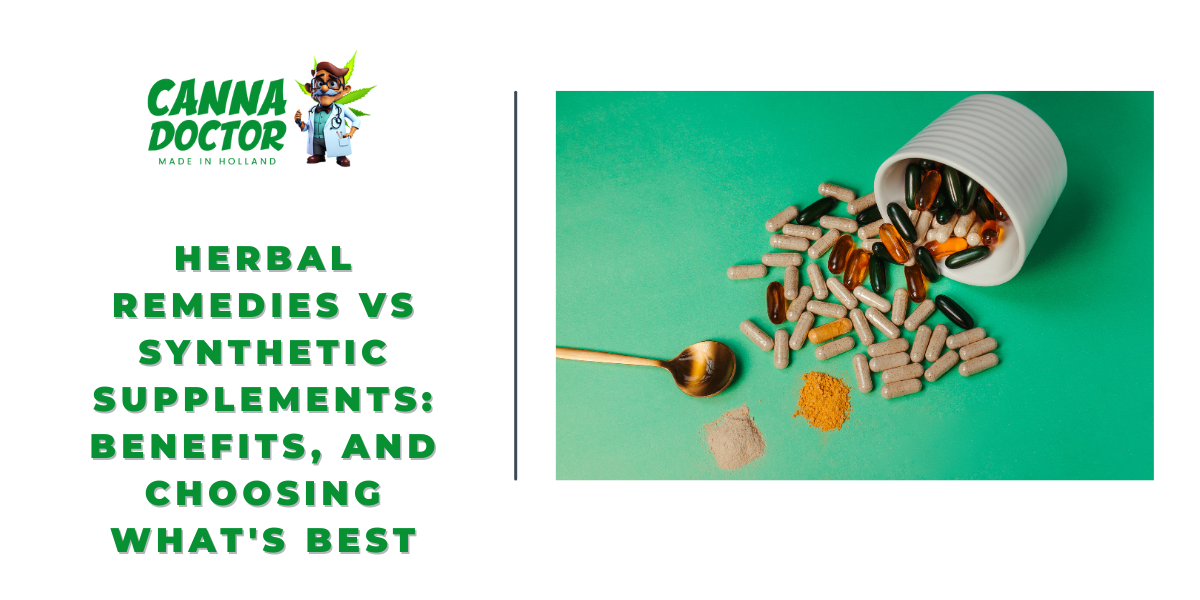
Herbal Remedies vs Synthetic Supplements: Benefits, and Choosing What’s Best
Walk into any health store or browse online wellness retailers, and you’ll find yourself facing a dizzying array of bottles,

Ordered before 5pm = Shipped today

Discreet Shipping & Transactions

Proven and tested effectiveness
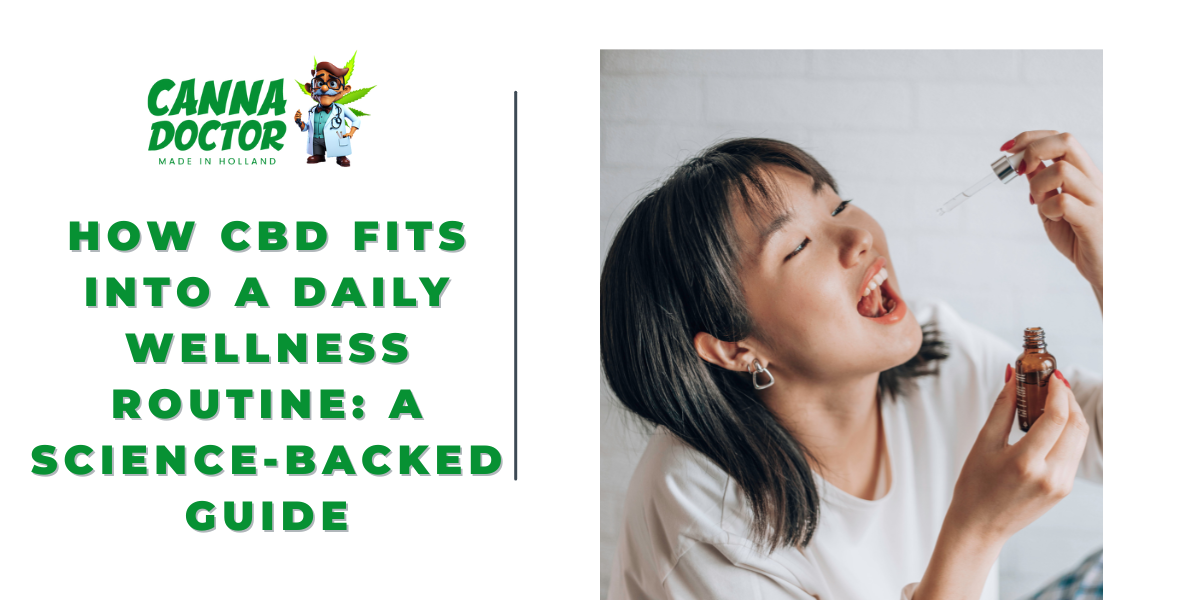
The wellness landscape has shifted dramatically over the past decade. Walk into any health food store, scroll through social media, or chat with friends about self-care, and you’ll likely encounter CBD. Once a niche supplement whispered about in alternative health circles, cannabidiol has stepped into mainstream conversation, appearing in everything from morning coffee to nighttime face cream.
But here’s the thing: popularity doesn’t equal understanding. For every person who swears by their daily CBD ritual, there’s another who remains skeptical, confused by conflicting information, or simply unsure where to begin. The noise around CBD can be overwhelming. Marketing claims range from conservative to outlandish, scientific studies offer both promise and caution, and personal testimonials vary wildly.
This guide cuts through that noise. We’re not here to sell you miracle cures or dismiss CBD as mere placebo. Instead, we’ll explore what science actually says about cannabidiol, how it interacts with your body’s existing systems, and most importantly, how you might thoughtfully integrate it into your daily wellness routine if you choose to do so.
Whether you’re dealing with chronic stress that won’t quit, struggling with sleep that never quite feels restorative, managing pain that conventional approaches haven’t fully addressed, or simply curious about adding another tool to your wellness toolkit, understanding CBD starts with understanding how your body works.
Cannabidiol, commonly known as CBD, is one of over a hundred naturally occurring compounds called cannabinoids found in the cannabis plant. Unlike its more famous cousin THC (tetrahydrocannabinol), CBD won’t get you high. It doesn’t produce the psychoactive effects associated with marijuana use, which is why it occupies a different legal and cultural space.
Most CBD products available today come from hemp, a variety of cannabis that contains less than 0.3% THC by dry weight. This distinction matters legally. The 2018 Farm Bill in the United States federally legalized hemp-derived CBD, though state regulations still vary. In most regions where CBD is legal, you can purchase it without a prescription, though the regulatory landscape continues to evolve.
The compound itself is extracted from hemp flowers and leaves, then processed into various forms: oils, capsules, gummies, topical creams, and even beverages. This versatility has contributed to CBD’s widespread adoption, allowing people to choose delivery methods that fit their preferences and lifestyles.
To understand how CBD might benefit you, we need to talk about a system in your body you probably haven’t thought much about: the endocannabinoid system, or ECS.
Discovered in the 1990s, the ECS is a complex cell-signaling network that plays a role in regulating numerous physiological processes. It consists of endocannabinoids (naturally produced compounds similar to those found in cannabis), receptors throughout your body and brain (primarily CB1 and CB2 receptors), and enzymes that break down cannabinoids after they’ve served their purpose.
The ECS helps maintain homeostasis, that delicate balance your body constantly works to achieve. It influences mood regulation, stress response, sleep patterns, pain perception, inflammation, immune function, appetite, and memory. When something disrupts this balance—chronic stress, injury, illness, or even lifestyle factors—your ECS works to restore equilibrium.
Here’s where CBD enters the picture. Rather than binding directly to cannabinoid receptors like THC does (which explains THC’s psychoactive effects), CBD appears to work more subtly. Research suggests it may prevent the breakdown of your body’s own endocannabinoids, effectively amplifying their presence. It also interacts with other receptor systems beyond the ECS, including serotonin receptors involved in mood and anxiety, and vanilloid receptors involved in pain and inflammation.
This indirect, multi-pathway approach may explain why CBD’s effects can feel more nuanced than pharmaceutical interventions that target single pathways. It’s also why individual experiences with CBD vary so much. Your unique endocannabinoid system, influenced by genetics, lifestyle, health status, and other factors, responds in its own way.
The research into CBD’s potential benefits is ongoing, with some areas showing stronger evidence than others. Let’s be clear about what we know, what looks promising, and where the science is still catching up to the claims.
Stress and Anxiety Management
Perhaps the most common reason people turn to CBD is for its potential calming effects. Multiple studies have explored CBD’s impact on anxiety, with some showing promising results. A 2019 study published in The Permanente Journal found that 79% of participants experienced decreased anxiety scores after one month of CBD use. Another study examined CBD’s effects on people with social anxiety disorder before a simulated public speaking test, finding reduced anxiety compared to placebo.
The mechanism likely involves serotonin receptors. CBD appears to interact with 5-HT1A receptors, which play a role in mood regulation. However, it’s important to note that most robust studies have used higher doses than what’s typically found in commercial products, and long-term data remains limited.
Pain and Inflammation Support
The relationship between CBD and pain management is complex but intriguing. CBD’s interaction with the ECS and its apparent anti-inflammatory properties have made it a subject of interest for both chronic pain conditions and acute discomfort.
Research has shown potential benefits for certain types of pain, particularly neuropathic pain and inflammation-related discomfort. A review of studies published in the European Journal of Pain demonstrated that topical CBD could reduce pain and inflammation in animal models of arthritis. Human studies, while less numerous, have shown promise for conditions like chronic pain associated with multiple sclerosis.
User data aligns with this research. According to recent statistics, 64% of CBD users report taking it primarily for pain relief, making it the most common motivation for use.
Sleep Cycle Regulation
Sleep is another area where CBD users report significant benefits. Approximately 42% of CBD users cite sleep improvement as a primary reason for use. The science here is still developing, but the existing research offers some insights.
CBD may influence sleep through multiple pathways. Its potential anxiety-reducing effects could help quiet the racing thoughts that keep many people awake. It may also interact with receptors involved in the sleep-wake cycle. Some studies suggest CBD could help people fall asleep faster and stay asleep longer, though results vary based on dosage and individual factors.
Interestingly, the relationship between CBD and sleep isn’t straightforward. Lower doses may actually promote alertness, while higher doses might have sedating effects. This dose-dependent relationship highlights the importance of finding your personal sweet spot.
Exercise Recovery and Muscle Soreness
Athletes and fitness enthusiasts have increasingly turned to CBD for post-workout recovery. The anti-inflammatory properties that make CBD interesting for pain management also apply here. After intense exercise, your muscles experience micro-tears and inflammation as part of the natural recovery process. CBD’s potential to modulate this inflammatory response without completely suppressing it (which could hinder muscle adaptation) has caught the attention of sports medicine researchers.
Some athletes report reduced muscle soreness, faster recovery times, and improved sleep quality when incorporating CBD into their routines. The World Anti-Doping Agency removed CBD from its prohibited substances list in 2018, further legitimizing its use in competitive sports. However, it’s worth noting that other cannabinoids, including THC, remain prohibited.
Science moves slower than marketing, and nowhere is this more evident than in the CBD space. While anecdotal reports and early research show promise, we need to separate robust evidence from preliminary findings and wishful thinking.
The Strongest Evidence: Epilepsy
The most compelling scientific evidence for CBD comes from epilepsy research. Epidiolex, a pharmaceutical-grade CBD product, received FDA approval in 2018 for treating two rare forms of epilepsy: Dravet syndrome and Lennox-Gastaut syndrome. Multiple randomized controlled trials, the gold standard of medical research, demonstrated that CBD significantly reduced seizure frequency in patients with these conditions.
This represents the clearest example of CBD’s therapeutic potential. The dosages used in these trials were quite high (up to 20mg per kilogram of body weight daily), far exceeding what most people use for general wellness purposes.
Moderate Evidence: Anxiety and Sleep
Research on anxiety shows promise but remains less definitive than epilepsy studies. A 2020 review in Neurotherapeutics examined preclinical and human studies on CBD and anxiety, concluding that CBD demonstrates anxiolytic (anxiety-reducing) properties across multiple anxiety disorders, including generalized anxiety disorder, social anxiety disorder, and post-traumatic stress disorder.
However, most studies have been small, short-term, and conducted under controlled conditions that may not reflect real-world use. A person taking CBD at home faces different variables than a research participant in a clinical setting.
Sleep research presents a similar picture. While some studies show improvements in sleep quality and duration, others show mixed or null results. The variability may stem from dosage differences, individual factors, or the complex relationship between CBD, anxiety, and sleep.
Emerging Evidence: Pain and Inflammation
Pain research faces unique challenges. Pain is subjective, influenced by psychological factors, and difficult to measure objectively. Studies on CBD and pain often focus on specific conditions rather than general pain management.
Research on neuropathic pain (nerve-related pain) shows some of the most promising results. A 2020 study published in Current Pharmaceutical Biotechnology found that CBD might help manage chronic pain by impacting endocannabinoid receptor activity, reducing inflammation, and interacting with neurotransmitters.
For inflammatory conditions like arthritis, animal studies have been encouraging, but human trials remain limited. Topical CBD applied directly to affected areas may offer benefits without the need for high systemic doses, though more research is needed to establish optimal formulations and dosing.
Athletic Recovery: Preliminary but Promising
The evidence for CBD in athletic recovery is largely based on its anti-inflammatory properties and user reports. While inflammation is a natural part of muscle adaptation to exercise, excessive inflammation can impair recovery. CBD’s potential to modulate rather than completely suppress this process is theoretically appealing, but rigorous studies specifically examining CBD’s effects on athletic performance and recovery are still limited.
Some small studies and surveys of athletes suggest benefits, but placebo effects and the influence of expectations can’t be ruled out without larger, controlled trials.
While controlled studies provide crucial insights, real-world data offers another perspective. Recent surveys paint a picture of widespread CBD adoption and generally positive experiences:
According to research compiled by Mastermind Behavior, approximately 80% of CBD users report finding it “very” or “extremely” effective for their intended purposes. Perhaps most striking, 22% of users report replacing traditional medications with CBD, though this raises important questions about medical supervision and the appropriateness of such substitutions.
The most common uses break down as follows:
These numbers tell us what people are using CBD for, but they don’t tell us whether it objectively works better than placebo or how it compares to established treatments. User perception matters, of course. If people feel better, sleep more soundly, or manage stress more effectively, that subjective improvement has real value. But we should distinguish between feeling better and addressing underlying health conditions.
Here’s a truth that often gets lost in CBD marketing: effects are typically gradual, not immediate. CBD isn’t a pharmaceutical that targets symptoms within hours. Instead, it appears to work by supporting your body’s existing regulatory systems over time.
Think of it like this: if CBD helps your endocannabinoid system function more effectively, you’re not masking symptoms but potentially addressing underlying imbalances. This process takes time. Many users report noticing subtle shifts over the first few weeks rather than dramatic overnight transformations.
The cumulative effect means CBD may build up in your system over time, providing sustained improvements in wellness rather than acute symptom relief. This is why consistency matters more than occasional use, and why tracking your experience over weeks rather than days provides better insight into whether CBD works for you.
We also need to acknowledge where evidence remains weak or inconclusive. Claims that CBD treats serious diseases, cures chronic conditions, or works universally for everyone aren’t supported by current science. CBD is not a replacement for medical treatment for diagnosed conditions, and anyone considering it for health purposes should consult healthcare providers, especially if taking other medications.
The research landscape continues to evolve. What we know today represents a snapshot of an expanding field. New studies emerge regularly, regulatory frameworks shift, and our understanding deepens. Approaching CBD with informed curiosity rather than either uncritical enthusiasm or blanket skepticism seems the most reasonable path forward.
The decision to incorporate CBD into your wellness routine is personal, influenced by your health goals, risk tolerance, and individual circumstances. Not everyone will benefit from CBD, and for some people, it may not be appropriate at all. Let’s explore who might consider trying CBD, what safety concerns exist, and how to approach this decision thoughtfully.
CBD isn’t for everyone, but certain groups may find it particularly worth exploring:
Stress-Prone Individuals
If you find yourself frequently overwhelmed, cycling through periods of high stress, or struggling with general anxiety that doesn’t rise to the level of a clinical disorder but still impacts your quality of life, CBD’s potential anxiolytic properties might offer support. This doesn’t mean CBD replaces stress management techniques like therapy, meditation, or lifestyle changes, but it could complement those approaches.
People With Trouble Sleeping
Those who lie awake with racing thoughts, struggle to fall asleep despite feeling tired, or wake frequently during the night might find CBD helps create conditions more conducive to rest. Again, sleep hygiene remains fundamental—consistent sleep schedules, dark rooms, limited screen time before bed—but CBD could provide additional support.
Athletes and Active Individuals
If you engage in regular intense exercise and struggle with recovery time, muscle soreness, or inflammation, CBD might fit into your recovery protocol. Many athletes use it alongside other recovery methods like proper nutrition, hydration, stretching, and adequate rest.
Those Managing Chronic or Occasional Pain
People dealing with ongoing discomfort who haven’t found complete relief through conventional approaches, or those experiencing occasional pain from inflammation, might consider CBD as part of a comprehensive pain management strategy. This is particularly relevant for those seeking alternatives to long-term use of over-the-counter or prescription pain medications.
Just as important as knowing who might benefit is understanding who should steer clear or proceed with extreme caution:
Pregnant or Nursing Individuals
Current evidence is insufficient to determine CBD’s safety during pregnancy or while breastfeeding. The FDA explicitly warns against CBD use during pregnancy and lactation due to potential risks to fetal development and unknown effects on nursing infants. The prudent choice is avoidance during these periods.
People on Certain Medications
CBD can interact with various medications by affecting how your body metabolizes them. It influences cytochrome P450 enzymes in the liver, the same system that processes many common medications. This can increase or decrease the levels of other drugs in your bloodstream, potentially causing adverse effects.
Medications that may interact with CBD include:
If you take any prescription medication regularly, consultation with a healthcare provider before starting CBD is essential, not optional.
Those With Liver Conditions
High doses of CBD can potentially affect liver function. While most people using moderate wellness doses don’t experience liver issues, those with pre-existing liver conditions should exercise caution and work with medical professionals if considering CBD.
Individuals With Low Blood Pressure
CBD may cause a temporary drop in blood pressure. For those already dealing with low blood pressure or taking medications that lower blood pressure, this could be problematic.
CBD is generally well-tolerated by most people, but side effects do occur, particularly at higher doses or when first starting:
Common Side Effects
Most side effects are mild and resolve as your body adjusts or when you reduce your dose. However, persistent or severe side effects warrant discontinuation and medical consultation.
One of CBD’s advantages is its relatively wide safety margin compared to many pharmaceutical compounds. Research has examined doses ranging from the low end (5-10mg daily) to extremely high amounts.
Typical Wellness Dosing: Most people using CBD for general wellness purposes take between 20-50mg daily, divided into one or two doses.
Athletic/Recovery Dosing: Some athletes and those managing more significant discomfort may use 50-150mg daily.
Clinical Doses: In medical settings, such as epilepsy treatment, doses can reach 1,000-3,000mg daily, far exceeding what most people would ever consider for wellness purposes.
Studies examining safety at high doses have generally found CBD to be well-tolerated, though the long-term effects of sustained high-dose use in healthy individuals haven’t been extensively studied. The lack of overdose deaths or serious adverse events at reasonable doses is reassuring, but absence of evidence isn’t the same as evidence of absence, particularly for long-term use.
Here’s where honest communication about CBD’s limitations becomes important. The compound has been available for widespread consumer use for less than a decade in most places. Long-term studies tracking people who use CBD daily for years or decades simply don’t exist yet.
What we do know:
What we don’t know:
This uncertainty shouldn’t necessarily deter use, but it should inform your approach. Periodic breaks, regular check-ins with healthcare providers, and paying attention to how your body responds over time all make sense given these knowledge gaps.
The legal landscape for CBD varies significantly by location, and understanding your local regulations is crucial.
Federal Status in the United States
The 2018 Farm Bill legalized hemp-derived CBD containing less than 0.3% THC at the federal level. However, the FDA maintains authority over CBD in food and dietary supplements, and the legal status remains somewhat murky. The FDA has approved only one CBD product (Epidiolex) for medical use and continues to warn companies making unsubstantiated health claims.
State and Local Regulations
State laws vary considerably. Some states have embraced CBD fully, others have restrictions, and a few maintain prohibitions. Before purchasing or using CBD, verify its legal status in your location. Traveling with CBD also requires awareness of laws in your destination.
International Considerations
CBD’s legal status varies even more widely internationally. Some countries permit it freely, others allow it only with prescriptions, and some prohibit it entirely. If you travel internationally, research carefully before bringing CBD products across borders.
Product Purity and THC Content
Legal hemp-derived CBD should contain less than 0.3% THC, but product quality varies enormously. Third-party lab testing, which we’ll explore in more detail later, is essential for verifying that products meet legal standards and don’t contain unsafe contaminants.
Lab-Testing Requirements
While federal requirements for CBD testing remain inconsistent, reputable manufacturers voluntarily submit products to independent laboratories for analysis. These tests, documented in Certificates of Analysis (COAs), verify cannabinoid content, confirm THC levels fall within legal limits, and screen for contaminants like heavy metals, pesticides, and microbial impurities.
We’ve mentioned medical consultation several times, but it bears emphasizing: involving a healthcare provider in your CBD decision isn’t just a good idea for people with health conditions or taking medications. Even healthy individuals can benefit from professional guidance.
When Medical Input is Critical
What to Discuss With Your Doctor
Not all healthcare providers are well-versed in CBD. The compound’s recent emergence means medical education hasn’t caught up everywhere. If your provider isn’t knowledgeable about CBD, they may be willing to research alongside you or refer you to someone with more expertise.
Understanding CBD’s potential is one thing. Figuring out how it fits into your actual daily life is another. The beauty of CBD’s versatility is that it can adapt to different routines and goals. The challenge is determining what works for you, which often requires some experimentation and patience.
Many people find that starting the day with CBD sets a calmer, more focused tone for the hours ahead. The key is choosing forms and doses that support alertness rather than causing drowsiness.
Product Forms for Morning Use
CBD oils or tinctures taken sublingually (under the tongue) offer relatively quick absorption, typically within 15-45 minutes. Taking CBD oil with or shortly after breakfast may enhance absorption, as cannabinoids are fat-soluble and pair well with dietary fats.
Capsules provide convenient, pre-measured doses that fit easily into a morning supplement routine. They take longer to kick in (45-90 minutes) as they must pass through your digestive system, but the effects tend to last longer.
Pairing With Other Morning Rituals
CBD doesn’t exist in isolation. It works best as part of a broader wellness routine. Consider integrating it with:
Dosing Considerations
Morning doses are often lower than evening ones, typically 10-25mg for most people. The goal is usually calm focus rather than sedation. Start at the lower end and adjust based on how you feel throughout the morning.
Some people find that very low doses (5-10mg) actually promote alertness and focus, while higher doses make them drowsy. This dose-dependent effect varies individually, so personal experimentation matters.
The middle of the day brings its own stresses: work pressures, decision fatigue, interpersonal challenges, or the simple accumulation of small annoyances. CBD can offer a midday reset without the side effects of caffeine (jitters, sleep disruption) or the impairment of alcohol.
Gummies and Tinctures for On-the-Go Use
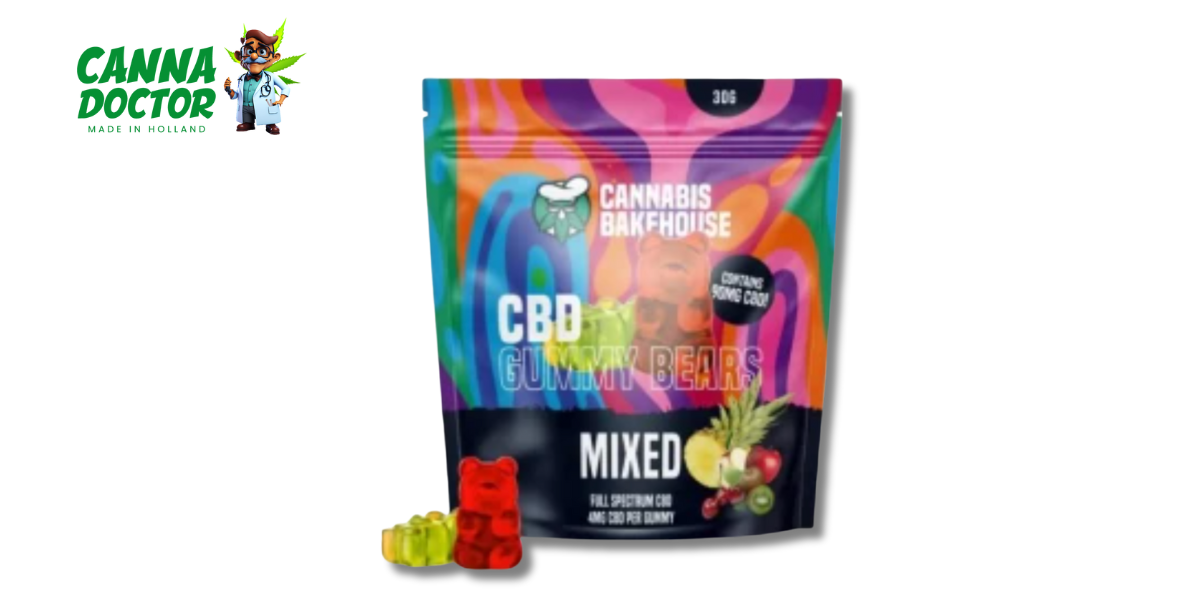
Gummies are discreet, portable, and require no preparation. They’re ideal for office settings or any situation where pulling out a tincture bottle and measuring drops isn’t practical. The downside is slower onset (45-90 minutes) and variable absorption depending on what else you’ve eaten.
Tinctures offer more flexibility in dosing and faster onset, but require a bit more effort. If you have privacy (your car during lunch, a private office, a bathroom stall in a pinch), a few drops under the tongue takes seconds.
Use Cases
Timing and Planning
Factor in onset time when planning midday doses. If you need to feel effects by 2 PM, taking a gummy at 1:45 PM won’t help. Plan backward from when you want to feel the effects, accounting for the product form’s typical onset time.
Physical activity creates specific demands that CBD may help address. Whether you’re a competitive athlete or a weekend warrior, the post-workout period is when your body repairs and adapts.
Topical Applications
CBD creams, balms, and lotions applied directly to sore muscles or inflamed joints offer localized relief without systemic effects. This targeted approach makes sense for specific areas of discomfort.
Apply topicals immediately after showering post-workout when your skin is clean and pores are open for better absorption. Massage the product into the affected area for several minutes, which provides both the potential benefits of CBD and the proven benefits of manual manipulation.
Systemic Options
Some athletes prefer taking CBD orally after workouts to address whole-body inflammation and support recovery more generally. Timing this with your post-workout meal, which should include protein and healthy fats, may enhance absorption.
Use Cases
Dosing for Athletes
Athletic doses tend to run higher than general wellness doses, often in the 50-150mg range for oral consumption. Start conservatively and increase gradually, paying attention to recovery markers like soreness duration, sleep quality, and how you feel during subsequent workouts.
For many people, evening is when CBD shines most clearly. After the day’s demands, the focus shifts to relaxation, restoration, and preparing for restorative sleep.
Product Forms for Evening
Higher-dose oils or tinctures taken 30-60 minutes before bed give the CBD time to take effect as you begin your bedtime routine. Some products combine CBD with other sleep-supporting ingredients like melatonin or chamomile, though this reduces your ability to isolate CBD’s specific effects.
Gummies offer a pleasant ritual, almost like a healthy evening treat, and their slower onset aligns well with a gradual wind-down routine. Infused teas create a calming ritual that combines CBD with the established sleep benefits of herbal teas like chamomile or valerian.
Bath products—soaks, bombs, or salts containing CBD—combine topical absorption through skin with the proven relaxation benefits of warm baths. The ritual of a bath itself signals to your body that it’s time to transition toward sleep.
Creating a Bedtime Ritual
CBD works best as part of a comprehensive sleep hygiene routine:
Evening Dosing
Evening doses are often higher than morning ones, typically 25-50mg for most people, though some require more. The goal is relaxation and sleep support, so drowsiness is not only acceptable but desired.
Here’s what a full day of CBD integration might look like for someone using it for stress management, workout recovery, and sleep support:
8:00 AM – 15mg CBD oil with breakfast, followed by 10 minutes of meditation and light stretching
1:00 PM – 10mg CBD gummy with lunch to manage afternoon work stress
5:30 PM – Post-workout application of CBD topical balm to sore shoulders and knees, plus 25mg CBD capsule with post-workout meal
9:00 PM – 30mg CBD oil sublingually, followed by evening routine (warm shower, journaling, reading)
10:00 PM – Sleep
Total daily dose: 80mg
This represents just one possible approach. Your ideal routine depends on your goals, schedule, and how you respond to CBD. Some people thrive with a single daily dose, while others prefer spacing it throughout the day. The only way to discover what works is through mindful experimentation.
CBD isn’t a one-size-fits-all supplement. The dose that works perfectly for your friend might do nothing for you or might be too much. Finding your optimal routine requires patience, attention, and systematic tracking.
The golden rule of CBD dosing is simple: start low, go slow. This approach minimizes side effects, helps you identify your minimum effective dose (using no more than necessary), and gives your body time to adjust.
Starting Point
For most people new to CBD, 10-15mg once or twice daily represents a reasonable starting point. This is low enough to minimize side effects but high enough that some people will notice effects.
Titration
After 3-5 days at your starting dose, assess how you feel. If you’re noticing benefits, stay put for another week to confirm consistency. If you’re not noticing anything, increase by 5-10mg.
Continue this pattern, increasing gradually every few days to a week, until you notice desired effects. Once you find a dose that works, stick with it for at least two weeks to confirm it’s genuinely effective and not just a placebo response or coincidence.
Typical Daily Dosing Ranges
Remember that these are general ranges. Some people respond to doses below these ranges; others require more. Factors affecting your optimal dose include body weight, metabolism, the severity of what you’re addressing, individual endocannabinoid system characteristics, and the quality and type of CBD product you’re using.
Different lifestyles and goals call for different approaches.
For Athletes
Consider higher doses focused around training and recovery periods. Many athletes use CBD both before workouts (for focus and pre-exercise anxiety) and after (for recovery). Timing post-workout CBD with protein and healthy fats may enhance absorption and support recovery nutrition goals.
For Parents and Caregivers
Managing stress while caring for others requires a different approach. Lower doses spread throughout the day may provide sustained calm without drowsiness that would impair your ability to respond to children’s needs. Evening doses can be higher to support sleep during precious rest windows.
For Remote Workers
Without the structure of an office, creating intentional routines becomes crucial. Pairing CBD with work start and end times can help create boundaries between work and personal time. A small morning dose can signal work mode begins, while an evening dose marks the transition to relaxation.
For Older Adults
Metabolism slows with age, potentially meaning CBD stays in your system longer. Starting with lower doses and increasing more gradually makes sense. Older adults are also more likely to take multiple medications, making consultation with healthcare providers particularly important to avoid interactions.
Taking With or Without Food
CBD is fat-soluble, meaning it absorbs better when taken with foods containing fats. Taking CBD oil with a meal that includes avocado, nuts, olive oil, or fatty fish may enhance absorption compared to taking it on an empty stomach.
However, some people find taking CBD on an empty stomach produces faster, if less sustained, effects. Experiment to see what works best for you.
Combining With Other Supplements
CBD can be part of a broader supplement routine:
When combining supplements, introduce them one at a time so you know what’s doing what. Adding CBD and ashwagandha simultaneously makes it impossible to know which (or if both) are providing benefits.
Memory is unreliable, especially when changes are subtle and gradual. Systematic tracking transforms subjective impressions into data you can analyze.
What to Track
Create a simple daily log including:
Tracking Methods
You can keep a dedicated CBD journal, use a notes app on your phone, employ habit-tracking apps, or create a simple spreadsheet. The key is consistency. Tracking once in a while won’t reveal patterns; daily logging will.
What to Look For
After two to four weeks of consistent use and tracking, patterns should emerge:
Adjusting Based on Data
Your tracking log becomes a personalized instruction manual. If you notice that 20mg in the morning leaves you drowsy but 10mg provides calm focus, you have actionable information. If evening doses help sleep but morning doses do nothing, adjust accordingly.
Be willing to experiment within reasonable bounds. Try different products, adjust timing, change doses. But only change one variable at a time so you can attribute changes in effects to the specific adjustment you made.
CBD isn’t a magic bullet that obviates the need for other health practices. It works best as part of a comprehensive wellness approach.
Nutrition
No amount of CBD will compensate for a diet of processed foods, excess sugar, and insufficient nutrients. Focus on whole foods, adequate protein, healthy fats, and vegetables. Proper nutrition provides the building blocks your body needs to function, including maintaining your endocannabinoid system.
Movement
Regular physical activity reduces stress, improves sleep, manages pain, and supports mental health through mechanisms independent of CBD. The two work synergistically. Exercise may even enhance your endocannabinoid system’s function, potentially making CBD more effective.
Mindfulness and Stress Management
CBD may take the edge off stress, but learning to manage stress through meditation, therapy, breathing exercises, or other techniques addresses the root causes rather than just symptoms. View CBD as a support for these practices, not a replacement.
Hydration
Adequate water intake supports every bodily function. CBD can cause dry mouth, making hydration even more important. Aim for at least eight glasses of water daily, more if you’re active or live in a hot climate.
Sleep Hygiene
CBD might help you fall asleep, but sleep hygiene creates the conditions for sleep to happen naturally. Keep a consistent schedule, limit screen time before bed, maintain a cool, dark bedroom, and avoid caffeine late in the day.
The most successful CBD users treat it as one tool in a well-stocked wellness toolkit, not as the only tool they use.
The CBD market is crowded, confusing, and unfortunately, contains plenty of subpar products. Between legitimate companies producing high-quality CBD and outright scam operations, there’s a vast middle ground of mediocre products that won’t hurt you but may not help either. Learning to distinguish quality from marketing requires some education.
Not all CBD is created equal. Understanding different types helps you choose products aligned with your goals.
CBD Isolate
This is pure CBD, with all other cannabinoids, terpenes, and plant compounds removed. It’s 99% CBD, with no THC. Isolate is ideal for people who need to avoid even trace amounts of THC (drug testing, legal concerns, or personal preference). However, isolate may be less effective than full-spectrum products due to the absence of the entourage effect.
Full-Spectrum CBD
This contains CBD plus other cannabinoids (including up to 0.3% THC), terpenes, flavonoids, and other hemp compounds. These components may work together synergistically in what’s called the entourage effect, potentially making full-spectrum products more effective than isolate at equivalent CBD doses.
The downside is the presence of trace THC. While 0.3% is too little to cause intoxication, it could theoretically show up on sensitive drug tests, and some people prefer to avoid THC entirely.
Broad-Spectrum CBD
A middle ground, broad-spectrum contains multiple cannabinoids and terpenes but with THC removed. It aims to capture entourage effect benefits without THC. Whether it’s as effective as full-spectrum remains debated.
Understanding Lab Reports (COAs)
A Certificate of Analysis (COA) is an independent lab test verifying what’s actually in the product. Reputable companies make COAs easily accessible, usually through QR codes on packaging or on their websites.
A COA should tell you:
If a company doesn’t provide COAs, that’s a red flag. If their COAs are from in-house labs rather than independent third parties, that’s another red flag. If the COA is old (more than a year), the product may have degraded since testing.
Beyond lab testing, other factors indicate a company’s commitment to quality.
Third-Party Testing
We’ve mentioned this, but it bears repeating: third-party testing by independent laboratories is non-negotiable. It’s the only way to verify label accuracy and product safety.
Ingredient Transparency
The label should clearly list all ingredients. CBD products often contain carrier oils (MCT oil, hemp seed oil, olive oil), natural flavors, and sometimes additional ingredients like melatonin or vitamins. Everything should be listed.
Be wary of proprietary blends that don’t disclose amounts of each ingredient, or vague terms like “hemp extract” without clarification of CBD content.
Sourcing Information
Quality starts with the hemp plant. Look for companies that disclose where hemp is grown (US-grown hemp is generally subject to stricter agricultural standards than imported hemp), how it’s grown (organic practices, though true organic certification is rare), and their extraction method (CO2 extraction is the gold standard, producing clean, pure CBD without chemical residues).
Company Reputation
Research the company. How long have they been in business? What do customer reviews say (looking beyond their own website to independent review platforms)? Have they faced legal issues or FDA warning letters for misleading claims?
Manufacturing Standards
Some companies voluntarily follow Good Manufacturing Practices (GMP), pharmaceutical-grade standards for quality and consistency. While not required for supplements, GMP compliance indicates serious commitment to quality.
Learning what to avoid is as important as knowing what to look for.
Red Flag: Miracle Cure Claims
If a company claims CBD cures cancer, reverses Alzheimer’s, eliminates chronic diseases, or other extraordinary benefits, run. These claims violate FDA regulations and indicate either ignorance or dishonesty. CBD has legitimate potential benefits, but it’s not a cure-all.
Red Flag: No Third-Party Testing
Absence of accessible, recent COAs from independent labs means you’re trusting the company’s word about what’s in the bottle. Given the lack of federal CBD regulation, this is unwise.
Red Flag: Extremely Low Prices
Quality CBD isn’t cheap. The hemp growing, extraction, testing, and manufacturing process costs money. If prices seem too good to be true—like 1000mg of CBD for $15—the product is likely underdosed, mislabeled, or made from low-quality hemp.
Red Flag: Unclear Dosing
Labels should clearly state how much CBD is in the entire container and per serving. “Hemp extract 1000mg” could mean 1000mg of hemp extract containing only 100mg of actual CBD. Look for “CBD” or “cannabidiol” with specific milligram amounts.
Mistake: Not Checking THC Content
If avoiding THC is important (drug testing, legal concerns, personal preference), verify the product is truly THC-free. Some “THC-free” products still contain trace amounts. COAs confirm actual THC levels.
Mistake: Ignoring Carrier Oils
The oil that carries CBD matters. MCT oil (derived from coconut) is popular and generally well-tolerated. Hemp seed oil is nutritious but has a strong taste some dislike. If you have allergies to coconut or hemp, check carrier oils carefully.
Mistake: Buying Based Solely on Strength
A 5000mg tincture sounds impressive, but if it’s a huge bottle and you need multiple droppers to get an effective dose, it’s not necessarily better than a 1000mg tincture where one dropper provides what you need. Focus on dose per serving, not total bottle content.
The CBD regulatory landscape is evolving. Staying informed protects you legally and ensures product safety.
FDA Stance
The FDA has approved one CBD drug (Epidiolex) but maintains that CBD cannot legally be added to food or sold as dietary supplements, creating a legal gray area most CBD products occupy. The FDA periodically issues warning letters to companies making illegal health claims or selling unsafe products.
While the FDA hasn’t actively pursued consumers buying CBD, regulatory crackdowns could affect product availability. Staying aware of regulatory developments helps you anticipate changes.
State Regulations
Some states have stricter CBD regulations than federal law requires, including licensing requirements for retailers, additional testing standards, or specific labeling requirements. Verify your state’s current rules.
Interstate Travel
While hemp-derived CBD is federally legal, carrying it across state lines into states with different laws creates potential legal risks. Flying with CBD is generally permitted (TSA’s focus is security threats, not CBD), but international travel is riskier. Many countries prohibit CBD entirely.
Workplace Policies
Even if CBD is legal in your area, employers may prohibit it, particularly in industries with drug testing. If trace THC from full-spectrum CBD causes a positive drug test, employer policies determine the consequences. When in doubt, check your employee handbook or speak with HR.
You’ve learned the science, considered safety, explored product types, and understood dosing principles. Now comes the practical work: designing a CBD plan tailored to your specific needs, lifestyle, and goals.
Start with clarity about what you’re hoping to achieve. Vague goals like “feel better” make it hard to assess whether CBD is working. Specific, measurable goals work better.
Setting Goals
Instead of “reduce stress,” try “decrease anxious episodes from several times daily to once daily or less within a month.”
Instead of “sleep better,” try “fall asleep within 30 minutes instead of 60-90 minutes, and reduce middle-of-night wakings from 3-4 times to once or less.”
Instead of “manage pain,” try “reduce lower back pain intensity from a 6-7 out of 10 to a 3-4, allowing me to exercise without significant discomfort.”
Specific goals give you something concrete to track and evaluate.
Choosing Your Starting Products
Based on your goals, select product types that align:
Sample 7-Day Integration Plan
Here’s a structured approach to introducing CBD thoughtfully:
Days 1-3: Establish baseline
Day 4: First dose
Days 5-7: Initial assessment
Week 2: Adjust or maintain
Tracking Prompts
Each day, briefly answer these questions in your journal:
After two weeks of consistent use, step back and evaluate.
Evaluation Questions
What to Adjust
If CBD seems to be helping but not enough, consider:
If CBD doesn’t seem to be helping at all after a month:
If side effects are problematic:
Long-Term Maintenance
Once you’ve found a protocol that works, consistency becomes key. CBD’s benefits often relate to steady system support rather than sporadic use.
However, periodically reassess. After a few months, evaluate whether CBD is still providing benefits, whether you could reduce your dose while maintaining effects, or whether you want to experiment with different products or timing.
Some people find that after several months of consistent use, they can reduce their dose and maintain benefits, suggesting their endocannabinoid system has found a better baseline. Others find they need to increase doses over time, though tolerance to CBD appears less pronounced than tolerance to many pharmaceutical compounds.
As CBD has surged in popularity, myths have proliferated alongside legitimate information. Let’s address some of the most persistent misconceptions and clarify what doesn’t align with current evidence.
Myth: “CBD works overnight for everyone”
Reality: CBD affects people differently, and benefits typically emerge gradually over days to weeks, not overnight. Some individuals never respond to CBD at all, regardless of dose or product type. The idea that CBD universally provides immediate benefits sets unrealistic expectations and leads to disappointment.
Myth: “All CBD is the same”
Reality: CBD quality varies enormously based on hemp source, extraction methods, additional ingredients, and manufacturing processes. A $20 bottle from a gas station is not equivalent to a $60 bottle from a reputable company with transparent testing. Differences in bioavailability between product types (oils, capsules, topicals) mean the same amount of CBD can produce different effects depending on form.
Myth: “More is always better”
Reality: CBD doesn’t follow a simple dose-response curve where more always equals stronger effects. Some people find that doses exceeding their personal sweet spot actually reduce benefits or increase side effects. More importantly, extremely high doses aren’t necessarily more effective than moderate doses for most wellness purposes, and they definitely cost more.
Myth: “CBD is just placebo”
Reality: While placebo effects certainly exist in CBD use (as with any intervention, including pharmaceuticals), research demonstrates measurable physiological effects. Studies using objective measures like seizure frequency, inflammatory markers, and brain imaging show changes that can’t be explained by placebo alone. That said, individual expectations and beliefs influence outcomes with CBD as with any wellness practice.
Myth: “You can’t fail a drug test from CBD”
Reality: While pure CBD itself won’t trigger positive drug tests, full-spectrum products contain trace THC. Regular use of full-spectrum CBD, especially at higher doses, could theoretically result in enough THC accumulation to trigger a positive test on sensitive screenings. If drug testing is a concern, THC-free isolate or broad-spectrum products are safer choices, though even these should come from reputable companies with verified testing.
Myth: “CBD cures serious diseases”
Reality: CBD is not a cure for cancer, Alzheimer’s, diabetes, or other serious medical conditions. While research explores potential therapeutic applications, including for some serious conditions, the evidence doesn’t support claims of cures. Anyone with a diagnosed medical condition should work with healthcare providers and not rely on CBD as primary treatment.
Myth: “Natural means safe”
Reality: While CBD appears relatively safe for most people, “natural” doesn’t automatically mean risk-free. Many natural substances can be dangerous, interact with medications, or cause side effects. CBD requires the same thoughtful consideration as any supplement or medication.
Beyond mythical thinking, certain concrete mistakes undermine CBD’s potential benefits or pose risks.
Avoid: Unrealistic claims
Products or companies promising CBD will cure diseases, provide miraculous transformations, or work identically for everyone should be avoided. These claims violate FDA regulations and indicate companies prioritizing marketing over honesty.
Avoid: Products with no lab testing
Never purchase CBD products without accessible, recent, third-party lab testing. Without COAs, you’re gambling on whether the product contains what the label claims or is free from contaminants.
Avoid: Skipping medical advice for diagnosed conditions
CBD is not a substitute for medical care. If you have diagnosed health conditions, especially serious ones, CBD might complement medical treatment but shouldn’t replace it without explicit guidance from healthcare providers.
Avoid: Combining CBD with medication without consultation
The potential for CBD to interact with medications is real. The same liver enzymes that metabolize CBD also process many common drugs. Using both without medical guidance risks unexpected interactions.
Avoid: Assuming more expensive is always better
While quality CBD isn’t cheap, inflated prices don’t necessarily indicate superior products. Focus on transparency, testing, and manufacturing standards rather than price alone. A moderately priced product from a reputable company may outperform an expensive option from a brand investing more in marketing than quality.
Avoid: Using CBD as your only wellness strategy
CBD works best as part of comprehensive wellness practices including proper nutrition, regular movement, stress management, adequate sleep, and meaningful social connections. Relying solely on CBD while neglecting these fundamentals is unlikely to produce optimal results.
Avoid: Products with undisclosed ingredients
Some CBD products include additional compounds without clear labeling. These might be benign ingredients, but they could also be substances you’re allergic to, trying to avoid, or that interact with medications. Full ingredient transparency should be non-negotiable.
The CBD research landscape evolves continuously. While this guide synthesizes current understanding, staying informed means engaging with primary sources, scientific literature, and regulatory updates.
Scientific Literature
For those interested in diving deeper into the science:
Regulatory Bodies
Stay current with legal and regulatory developments:
Consumer Resources
For practical, science-based information:
Quality Verification
When evaluating products:
The key to responsible CBD use is approaching it as you would any wellness decision: with curiosity, healthy skepticism, attention to your individual response, and willingness to seek expert guidance when needed. CBD isn’t magic, but for some people, used thoughtfully as part of comprehensive wellness practices, it offers genuine support for stress management, sleep quality, discomfort relief, and overall wellbeing.
Your journey with CBD should be personal, informed, and adjusted to your unique needs. Start conservatively, track systematically, and remain open to the possibility that CBD might help, might not, or might work differently than you expected. Whatever you discover, that knowledge empowers better decisions about your wellness moving forward.
Walk into any health store or browse online wellness retailers, and you’ll find yourself facing a dizzying array of bottles,
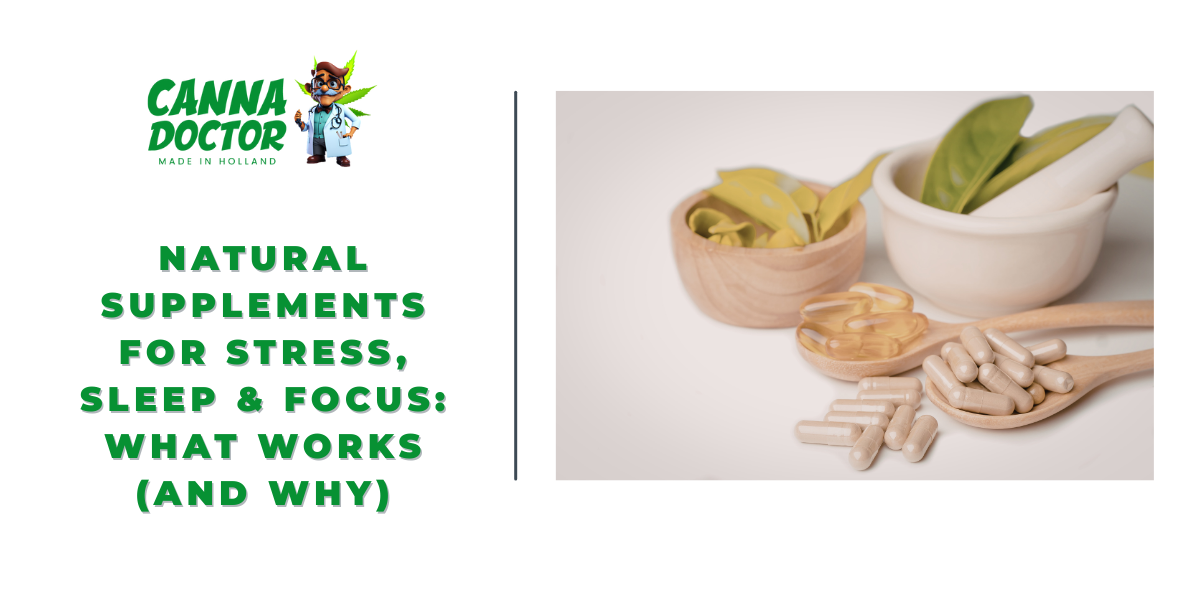
The modern world has created a perfect storm for declining mental wellness. Between demanding careers, constant digital connectivity, and the
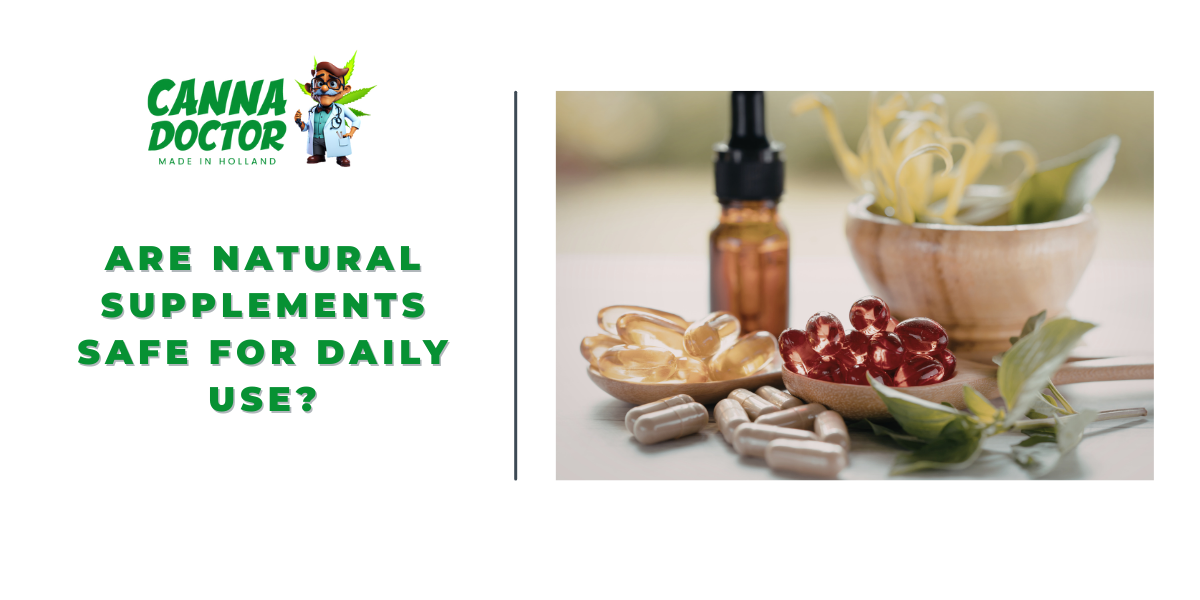
The supplement aisle can feel overwhelming. Rows of bottles promise better energy, sharper focus, stronger immunity, and improved wellness. With
You must be 18 years of age or older to view page. Please verify your age to enter.
Your access is restricted because of your age.