Herbal Remedies vs Synthetic Supplements: Benefits, and Choosing What’s Best
Walk into any health store or browse online wellness retailers, and you’ll find yourself facing a dizzying array of bottles,

Ordered before 5pm = Shipped today

Discreet Shipping & Transactions

Proven and tested effectiveness
CBD has moved from the fringes of alternative medicine into mainstream wellness conversations. Whether you’ve seen CBD oils at your local pharmacy, heard friends swear by CBD gummies for sleep, or simply wondered what all the buzz is about, you’re not alone. Cannabidiol (CBD) is a non-intoxicating compound derived from the cannabis plant, increasingly used by millions of people seeking natural support for anxiety, pain, sleep troubles, and more.
But what does the science actually say? How does CBD work in your body, and is it safe? This guide cuts through the hype and provides clear, evidence-based answers to help you understand CBD’s real potential, its limitations, and how to use it wisely.
Interest in CBD has exploded over the past few years. Here’s what the numbers tell us:
Between 60% and 72% of American adults are now familiar with CBD, and a significant portion have tried it. Among users, 51% turn to CBD for anxiety relief, 40% for pain management, and between 42% and 58% for better sleep. Notably, CBD use is growing across all demographics, including adults over 77, a group that traditionally approaches cannabis-related products with caution.
The global CBD market reflects this surge in interest, with projections ranging from $7.7 billion to $22.8 billion by 2023, depending on the source. This isn’t just a trend driven by wellness influencers. People are actively seeking alternatives to conventional medications, often motivated by concerns about side effects, dependency, or simply a desire for more natural options.
Still, popularity doesn’t equal proof. While CBD shows genuine promise for certain conditions, much of what you hear online is ahead of the science. This article will walk you through what we know, what we don’t, and what you should consider before trying CBD yourself.
Cannabidiol, or CBD, is one of over 100 naturally occurring compounds found in the cannabis sativa plant. Unlike its more famous cousin, THC (tetrahydrocannabinol), CBD does not produce a “high.” It won’t alter your perception, impair your judgment, or make you feel intoxicated. This fundamental difference is why CBD has gained traction as a wellness supplement rather than a recreational substance.
Chemically, CBD interacts with various systems in your body, but it does so in a way that’s far more subtle than THC. While THC directly binds to receptors in your brain that influence mood and perception, CBD takes a more indirect route, which we’ll explore in detail below.
Cannabis plants produce a family of compounds called cannabinoids. Here’s how the major players compare:
CBD (Cannabidiol): Non-intoxicating. Used for wellness and approved medically for certain seizure disorders. Federally legal in the U.S. when derived from hemp.
THC (Tetrahydrocannabinol): The primary psychoactive compound in cannabis. Produces a high. Legal status varies widely; still federally illegal in the U.S. except in states with medical or recreational programs.
CBN (Cannabinol): Mildly sedating. Formed as THC degrades. Emerging interest for sleep support, though evidence is limited.
CBG (Cannabigerol): Non-intoxicating. Sometimes called the “parent” cannabinoid because it’s a precursor to CBD and THC. Early research suggests potential anti-inflammatory and neuroprotective effects, but human studies are scarce.
Understanding these distinctions matters because products often contain combinations of cannabinoids, and their effects can vary significantly.
Both hemp and marijuana come from the same plant species, cannabis sativa, but they’re grown for different purposes and contain different cannabinoid profiles.
Hemp is legally defined as cannabis containing less than 0.3% THC by dry weight. It’s cultivated primarily for industrial uses (fiber, seeds, oil) and is the source of most legal CBD products. Marijuana, on the other hand, contains higher levels of THC and is grown for medicinal or recreational use where permitted by law.
This legal distinction is crucial. The 2018 U.S. Farm Bill legalized hemp-derived CBD at the federal level, as long as it contains less than 0.3% THC. However, marijuana-derived CBD remains federally illegal, even if it’s legal in your state. This patchwork of regulations creates confusion, especially for consumers trying to navigate what’s actually allowed where they live.
The short answer: it depends.
In the United States, hemp-derived CBD with less than 0.3% THC is federally legal under the 2018 Farm Bill. However, states can impose their own restrictions, and some have stricter rules than others. Additionally, the FDA has only approved one CBD product, Epidiolex, which is a prescription medication for certain types of epilepsy. Everything else exists in a regulatory gray area.
The FDA does not regulate CBD as a dietary supplement the way it does vitamins or minerals. This means there’s no standardized oversight for purity, labeling, or health claims. As a result, the quality and safety of CBD products on the market can vary dramatically.
Outside the U.S., the situation is even more complex. In the European Union, CBD regulations differ by country. The UK permits CBD products with minimal THC, but rules around novel foods and medical claims are evolving. Always check local laws before purchasing or traveling with CBD.
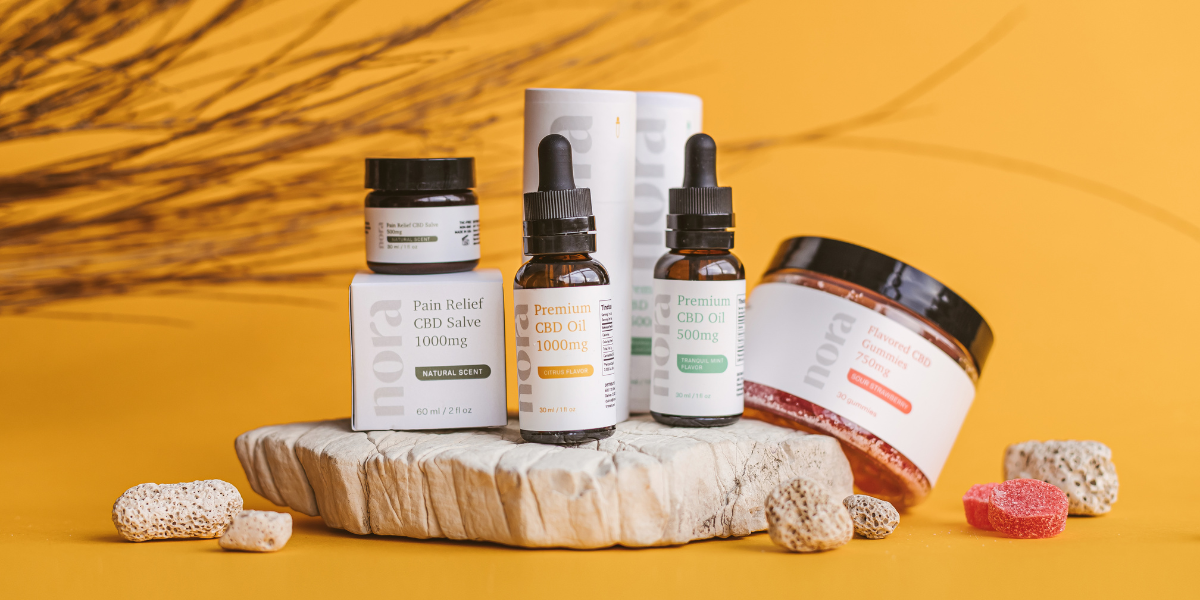
CBD is available in many forms, each with different onset times, durations, and uses:
Oils and tinctures: Taken sublingually (under the tongue) for relatively fast absorption. Popular for flexible dosing.
Capsules and softgels: Convenient, pre-measured doses. Slower onset due to digestion.
Edibles: Gummies, chocolates, beverages. Effects take longer to kick in but may last longer.
Topicals: Creams, balms, lotions applied to skin. Used for localized relief; minimal systemic absorption.
Vapes: Inhalation offers rapid onset but raises concerns about lung health and product safety.
Beverages: An emerging category, often marketed for relaxation or post-workout recovery.
Each form has trade-offs in terms of convenience, bioavailability, and how quickly you’ll feel effects.
To understand how CBD works, you first need to know about the endocannabinoid system (ECS). Discovered in the 1990s, the ECS is a complex cell-signaling network that plays a role in regulating mood, sleep, appetite, pain, inflammation, and immune response. It helps maintain homeostasis, which is essentially your body’s way of keeping everything balanced.
The ECS has three main components:
Endocannabinoids: Molecules your body produces naturally (like anandamide and 2-AG) that signal various processes.
Receptors: Primarily CB1 receptors (mostly in the brain and central nervous system) and CB2 receptors (mostly in the immune system and peripheral tissues).
Enzymes: Break down endocannabinoids after they’ve done their job.
When something disrupts your internal balance (stress, injury, illness), the ECS kicks in to help restore equilibrium.
Unlike THC, which binds directly to CB1 receptors and produces intoxicating effects, CBD has a much more nuanced relationship with the ECS. It doesn’t strongly bind to CB1 or CB2 receptors. Instead, it appears to work by:
Preventing the breakdown of your body’s own endocannabinoids, allowing them to have more prolonged effects.
Modulating receptors outside the ECS, including serotonin receptors (which influence mood and anxiety), GABA receptors (which calm neural activity), and adenosine receptors (which regulate sleep and inflammation).
Acting as an antioxidant and anti-inflammatory agent, independent of the ECS.
This indirect action is why CBD doesn’t get you high and why its effects can feel subtle compared to THC. It’s less about dramatic shifts in perception and more about gentle support for underlying physiological processes.
The absence of a high comes down to brain chemistry. THC activates CB1 receptors in areas of the brain responsible for pleasure, memory, thinking, and coordination. This direct activation is what produces the altered state associated with marijuana use.
CBD, by contrast, doesn’t activate these receptors in the same way. In fact, it can actually dampen some of THC’s effects if both are present. This is why CBD-rich cannabis strains or products are often marketed to people who want therapeutic benefits without intoxication.
CBD is metabolized in the liver by enzymes in the cytochrome P450 family, the same system that processes many prescription and over-the-counter drugs. This means CBD can potentially interfere with how your body breaks down other medications, leading to higher or lower blood levels than intended.
This is not a theoretical concern. Studies have shown that CBD can affect the metabolism of blood thinners, certain anti-seizure medications, and other drugs. If you take prescription medications, especially those with narrow therapeutic windows, it’s essential to consult your doctor before adding CBD to your routine.
There is exactly one condition for which CBD has robust, FDA-approved clinical evidence: certain forms of epilepsy. Epidiolex, a purified CBD formulation, has been shown in multiple randomized controlled trials to significantly reduce seizure frequency in patients with Dravet syndrome and Lennox-Gastaut syndrome, two severe forms of childhood epilepsy. This is the gold standard of medical proof, and it’s why Epidiolex is the only CBD product with formal FDA approval.
Beyond epilepsy, the evidence becomes more mixed.
Anxiety and Stress
Anxiety is the most commonly cited reason people use CBD, with surveys showing that 51% of users turn to it for this purpose. Preliminary studies, including small clinical trials and observational research, suggest that CBD may reduce anxiety in social situations and other contexts. One review published in Frontiers in Pharmacology noted CBD’s potential to modulate serotonin receptors, which could explain its calming effects.
However, these studies are often limited by small sample sizes, short durations, and lack of standardized dosing. While promising, the evidence is not yet strong enough to recommend CBD as a first-line treatment for anxiety disorders.
Pain Management
Approximately 40% of CBD users report taking it for pain relief, particularly chronic pain and arthritis. Some research suggests that CBD has anti-inflammatory properties and may influence pain signaling pathways. User surveys often report positive outcomes, but rigorous clinical trials in humans are still sparse.
Animal studies have shown that CBD can reduce inflammation and pain in models of arthritis, but translating these findings to humans requires more work. The current evidence is best described as moderately supportive, enough to warrant interest but not enough to replace proven pain management strategies without medical guidance.
Sleep
Between 42% and 58% of users take CBD hoping for better sleep. The logic is intuitive: if CBD reduces anxiety and pain, both of which interfere with sleep, it might help you rest better. Some small studies suggest CBD can improve sleep quality, but the mechanisms are unclear, and results are inconsistent.
Interestingly, the relationship between CBD and sleep may be dose-dependent. Lower doses might be stimulating, while higher doses could be sedating. This variability makes it difficult to draw firm recommendations.
Other Areas of Interest
Emerging research is exploring CBD’s potential in PTSD, neuroprotection (in conditions like Alzheimer’s and Parkinson’s), and general anti-inflammatory support. These areas are scientifically intriguing but far from proven in human clinical settings.
Self-reported data provides a window into how people experience CBD in everyday life. According to surveys, about 73% of users rate CBD as moderately to very effective for their intended use. Roughly 22% say they use CBD specifically to replace or reduce other medications.
These numbers reflect user perception, not clinical validation. They tell us that many people feel they benefit, but they don’t tell us whether those benefits would hold up in controlled studies or whether they’re due to placebo effects, other lifestyle changes, or the natural course of symptoms.
The disconnect between user enthusiasm and scientific evidence is real. Most CBD research to date has been conducted in animals, in vitro (test tubes), or in small, short-term human studies. Large-scale, long-term randomized controlled trials are rare outside of epilepsy.
This doesn’t mean CBD is ineffective, but it does mean we need to be cautious about claims. The plural of anecdote is not data, and without rigorous studies, we can’t separate genuine therapeutic effects from placebo, expectation, or coincidence.
CBD is generally well tolerated, but it’s not side-effect-free. The most commonly reported adverse effects include:
In clinical trials, about 30% of participants experienced mild adverse events, though these were rarely serious enough to cause people to stop using CBD.
The more concerning risks revolve around drug interactions and product quality.
Drug Interactions: As mentioned earlier, CBD can interfere with medications metabolized by the liver. This is especially important for drugs with narrow therapeutic windows, such as blood thinners, anti-seizure medications, and certain heart medications.
Liver Toxicity: High doses of CBD, particularly in the context of Epidiolex (which uses much higher doses than typical consumer products), have been associated with elevated liver enzymes in some patients. This is monitored closely in clinical settings but is less of a concern at lower, wellness-oriented doses.
Product Variability: Because the CBD market is largely unregulated, many products on shelves don’t contain what their labels claim. Some have less CBD than advertised, others have more THC than legally allowed, and some are contaminated with pesticides, heavy metals, or solvents. This inconsistency is a real safety issue.
Children: CBD is only recommended for children in the context of approved medical use (Epidiolex for epilepsy). The developing brain is sensitive, and there’s insufficient data on the long-term effects of CBD in kids outside of medical supervision.
Pregnant and Breastfeeding Women: There is almost no safety data for CBD use during pregnancy or while breastfeeding. Out of an abundance of caution, most medical professionals advise against it.
Elderly Adults: Older adults are increasingly using CBD for chronic pain and sleep issues, and they generally tolerate it well. However, this population is also more likely to be on multiple medications, raising the risk of interactions. Close communication with healthcare providers is essential.
No. CBD does not produce dependence or withdrawal symptoms. The World Health Organization has stated that CBD exhibits no potential for abuse or dependence. This stands in stark contrast to THC and many prescription medications used for anxiety, pain, or sleep.
There are no documented cases of fatal CBD overdose. However, taking very high doses can increase the likelihood of side effects like extreme drowsiness, digestive upset, or interactions with medications. “More is better” does not apply here.
If you take any of the following, consult your doctor before using CBD:
This list is not exhaustive. Any medication processed by the liver’s cytochrome P450 enzymes could potentially interact with CBD.
Not all CBD is absorbed equally. Bioavailability refers to how much of the CBD you consume actually makes it into your bloodstream.
Oils/Tinctures (Sublingual): Absorbed through tissues under the tongue. Faster onset (15–45 minutes), moderate bioavailability.
Edibles (Gummies, Capsules): Must pass through the digestive system and liver. Slower onset (1–2 hours), lower bioavailability due to first-pass metabolism.
Topicals: Applied to skin for localized effects. Minimal systemic absorption, meaning they won’t affect your whole body.
Vapes: Inhaled CBD reaches the bloodstream quickly (minutes), but carries potential lung health risks and quality concerns.
Beverages: Emerging category with variable absorption depending on formulation.
There is no universal dosage for CBD, and this is one of the most frustrating aspects for new users. Dosing depends on:
A common starting point is 5–10 mg per day, gradually increasing until you notice effects. Some people find relief at 20–30 mg daily, while others use 50 mg or more. For medical conditions like epilepsy, prescribed doses are significantly higher and administered under strict medical supervision.
The mantra is “start low, go slow.” Give your body time to adjust, and pay attention to how you feel. If you’re taking other medications, involve your doctor in the conversation.
Given the lack of regulation, due diligence is critical. Here’s what to look for:
Third-Party Lab Testing: Reputable brands provide a Certificate of Analysis (COA) from an independent lab. This document verifies cannabinoid content, confirms THC levels are within legal limits, and checks for contaminants.
Clear Labeling: The label should list the amount of CBD per serving, the type of CBD (full-spectrum, broad-spectrum, or isolate), and the source of the hemp.
Source of Hemp: Look for U.S.-grown hemp or hemp from countries with strong agricultural standards. Organic certification is a plus.
Red Flags: Avoid products that make outrageous health claims, lack lab results, or provide vague information about sourcing and manufacturing.
The CBD market continues to evolve rapidly. Gummies and edibles are now the fastest-growing product category, appealing to users who prefer convenience and precise dosing. Older adults are a particularly fast-growing demographic, often seeking alternatives to opioids or sleep medications.
Research is also expanding. There are currently over 200 active clinical trials investigating CBD for various conditions worldwide. As this science matures, we’ll gain clearer answers about what CBD can and cannot do.
No. This myth persists because CBD comes from the same plant as THC, but the two compounds work differently in the brain. CBD does not produce intoxication, impairment, or euphoria.
Absolutely not. While CBD shows promise for specific conditions, it is not a panacea. The evidence is strongest for epilepsy, moderately supportive for anxiety and pain, and largely speculative for many other uses. Treat online testimonials and influencer endorsements with healthy skepticism.
Legally, CBD exists in a patchwork of regulations that vary by country, state, and even local jurisdiction. In the U.S., hemp-derived CBD is federally legal but subject to state rules. Safety-wise, CBD is generally well tolerated, but product quality is inconsistent, and interactions with medications are a real concern.
Not necessarily. These terms are often marketing language. What matters is third-party testing, transparent sourcing, and clear labeling. A product can be “all-natural” and still be contaminated or mislabeled.
No. CBD does not produce dependence, tolerance, or withdrawal. This is supported by WHO assessments and clinical research.
No. Onset of effects varies by product form, dose, and individual factors. Some people notice benefits within days, others take weeks, and some don’t respond at all. Managing expectations is important.
Proven:
Promising (but not yet proven):
Insufficient Evidence:
Understanding where the science stands helps you make informed decisions and avoid falling for hype.
CBD sits at a fascinating intersection of ancient botanical use and cutting-edge science. It’s not a miracle cure, but it’s also not snake oil. For some people, in some situations, it may offer meaningful relief or support. For others, it may do little or nothing.
What matters most is approaching CBD with informed curiosity rather than blind faith. Understand the evidence, recognize the gaps, prioritize quality, and consult healthcare professionals when in doubt. As research advances and regulations tighten, we’ll have clearer answers. Until then, thoughtful, cautious use is the smartest path forward.
Walk into any health store or browse online wellness retailers, and you’ll find yourself facing a dizzying array of bottles,
The modern world has created a perfect storm for declining mental wellness. Between demanding careers, constant digital connectivity, and the
The supplement aisle can feel overwhelming. Rows of bottles promise better energy, sharper focus, stronger immunity, and improved wellness. With
You must be 18 years of age or older to view page. Please verify your age to enter.
Your access is restricted because of your age.