

Fat Banana Automatic

9,00 

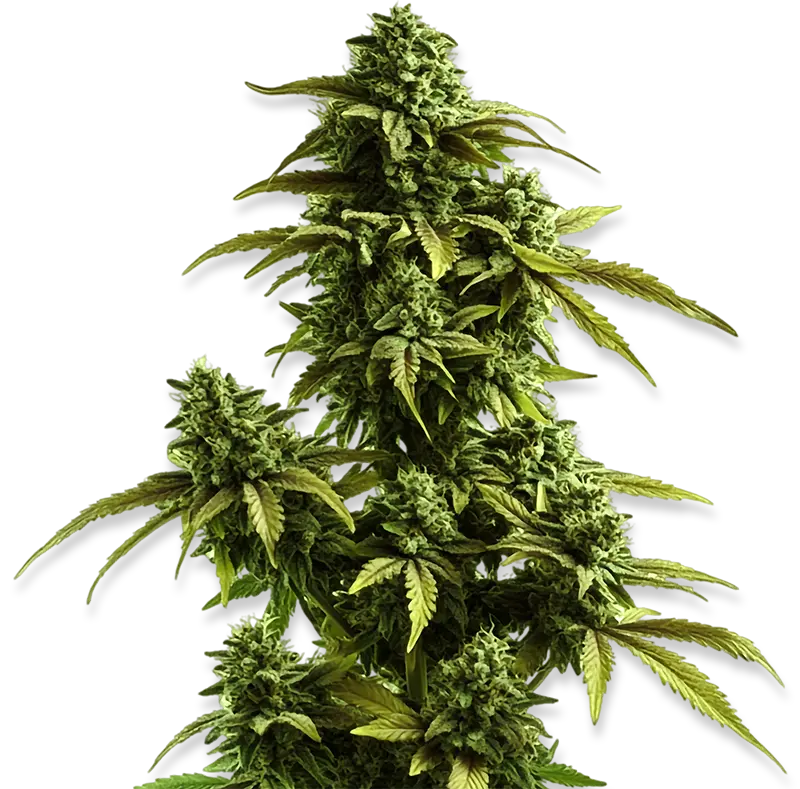
Fat Banana Automatic stands as an exceptional indica-dominant autoflower strain that delivers a distinctive banana-forward terpene profile alongside potent relaxing effects. This beginner-friendly variety completes its full cycle from seed to harvest in just 9-10 weeks, making it an ideal choice for growers seeking quick results without compromising on quality or potency.

Key Specifications

  • Genetics: Banana × Cookies Auto + Ruderalis (Royal Queen Seeds)
  • Type: Indica-dominant autoflower
  • Seed-to-harvest: 63–70 days (~9–10 weeks)
  • Flowering period: 7–8 weeks
  • THC content: ~22% (lab-verified)
  • Indoor yield: 375–450 g/m²
  • Outdoor yield: 90–175 g/plant
  • Indoor height: 70–100 cm
  • Outdoor height: Up to 120 cm
  • Dominant terpenes: Myrcene & Limonene
  • Flavor profile: Banana/tropical with sweet and earth/citrus undertones
  • Growing difficulty: Beginner-friendly

Strain Development and Breeding Excellence

Royal Queen Seeds developed Fat Banana Automatic through careful selection and crossbreeding of premium genetics. The breeding program combined the tropical aromatic qualities of Banana genetics with the structural integrity and resin production of Cookies Auto, then stabilized these traits with ruderalis genetics to create a reliable autoflowering variety.

This genetic combination produces several unique advantages over other autoflowering strains:

  • Distinctive banana-centric terpene bouquet that sets it apart from typical fruity strains
  • Consistent high potency with reliable 22% THC benchmark across different growing conditions
  • Compact, resinous chunky buds perfectly suited for limited-space cultivation setups
  • Accelerated seed-to-harvest cycle enabling multiple harvests per season

Detailed Genetics and Lineage

The genetic foundation of Fat Banana Automatic represents a masterful blend of three distinct cannabis lineages, each contributing essential characteristics to the final phenotype.

Banana Parent Contribution: The Banana genetics provide the strain’s signature tropical aroma profile and sweet banana terpene character. This lineage also contributes to the strain’s generous yield potential and the distinctive flavor that makes Fat Banana Automatic instantly recognizable.

Cookies Auto Influence: The Cookies Auto genetics bring structural stability, enhanced resin production, and elevated potency levels. This parent line ensures dense bud formation and contributes to the strain’s impressive THC concentration.

Ruderalis Integration: The ruderalis genetics enable the autoflowering trait, compress the growth cycle, and maintain compact plant stature. This genetic component allows the strain to flower automatically regardless of light cycle changes.

The resulting phenotype expresses strong indica-dominant characteristics, producing dense, resinous buds with powerful couch-relaxing effects and an unmistakable banana aroma that permeates the entire growing environment.

Comprehensive Lab Data and Technical Specifications

Specification Value Notes
THC Content ~22% Royal Queen Seeds lab-verified
CBD Content Low/Negligible <1% typical
Primary Terpenes Myrcene, Limonene Tropical banana, sweet profile
Secondary Terpenes Caryophyllene, Pinene Earth/citrus undertones
Total Flowering Time 7–8 weeks From first pistil appearance
Complete Cycle 63–70 days Seed to harvest ready
Indoor Yield Range 375–450 g/m² Under optimal conditions
Outdoor Yield Range 90–175 g/plant Climate and care dependent
Indoor Height Range 70–100 cm Container size affects final height
Outdoor Height Range Up to 120 cm Full sun conditions
Growing Complexity Easy Beginner-friendly autoflower

These laboratory-verified specifications provide growers with reliable expectations for planning cultivation schedules and space requirements. The consistent potency levels ensure predictable effects across different batches and growing conditions.

Sensory Profile and Effects Analysis

Aromatic Characteristics: Fat Banana Automatic produces an immediately recognizable aroma dominated by sweet banana notes with tropical fruit undertones. The scent profile includes subtle citrus and earthy elements that add complexity without overwhelming the primary banana character. During flowering, the aromatic intensity increases significantly, often requiring proper ventilation management in indoor environments.

Flavor Experience: When consumed, Fat Banana Automatic delivers a smooth banana-forward flavor with sweet notes that linger on the palate. Occasional cookie-dough undertones emerge, particularly in well-cured samples, creating a dessert-like smoking or vaping experience that appeals to users seeking flavorful cannabis varieties.

Effect Profile and Onset: The effects typically begin within 10-15 minutes of consumption, starting with gentle mood elevation before transitioning into deep physical relaxation. The indica-dominant genetics become apparent as the experience progresses, often leading to couch-lock tendencies in higher doses.

Primary Effects:

  • Deep physical relaxation and muscle tension relief
  • Mood elevation with euphoric qualities
  • Potential for sedative effects in larger doses
  • Enhanced appetite stimulation
  • Stress and anxiety reduction

Therapeutic Applications: Medical users frequently choose Fat Banana Automatic for evening relaxation routines, sleep aid requirements, stress relief, and mild to moderate pain management. The strain’s relaxing properties make it particularly suitable for users dealing with insomnia or high-stress lifestyles.

Target Audience and User Compatibility

Ideal Candidates for Fat Banana Automatic:

Novice Growers: The autoflowering nature and forgiving growth characteristics make this strain excellent for beginners. The shortened growing cycle allows new cultivators to gain experience without long-term commitments, while the strain’s resilience helps prevent common beginner mistakes from ruining entire crops.

Recreational Users: Those seeking fruity, relaxing indica effects will find Fat Banana Automatic particularly appealing. The distinctive flavor profile and potent relaxation effects create an enjoyable experience for evening use or weekend relaxation sessions.

Medical Cannabis Patients: Users requiring evening relaxation aids, sleep assistance, or mild pain relief often find this strain highly effective. The predictable effects and moderate potency make dosing manageable for medical applications.

Space-Limited Cultivators: The compact growth pattern and autoflowering nature make Fat Banana Automatic perfect for small-space growing operations, including balcony gardens, small tents, or discrete outdoor locations.

Consider Alternative Strains If:

  • High CBD, low THC ratios are preferred
  • Extremely compact plants under 50cm are required
  • Maximum outdoor yields take priority over speed
  • Sativa-dominant energizing effects are desired

Complete Growing Guide

Pre-Growing Preparation

Growing Medium Selection: Fat Banana Automatic thrives in well-aerated soil mixtures with excellent drainage properties. High-quality potting soil amended with perlite works excellently, while coco coir provides superior aeration for experienced growers. Avoid heavy clay-based soils that retain excessive moisture.

pH Management: Maintain soil pH between 6.0-6.5 throughout the growing cycle. This range ensures optimal nutrient uptake and prevents common deficiency issues. Regular pH monitoring becomes especially important when using liquid nutrients or growing in hydroponic systems.

Container Considerations: Choose containers between 7-20 liters for optimal results. Smaller containers (7-11L) work well for space-limited grows but may reduce final yields. Larger containers (15-20L) allow maximum root development and yield potential but require more growing space.

Germination Phase (Days 0-7)

Germination Methods: The paper towel method works reliably for Fat Banana Automatic seeds. Place seeds between damp paper towels in a warm, dark location maintaining 20-25°C temperatures. Direct soil germination also succeeds when soil moisture and temperature remain consistent.

Critical Considerations: Avoid deep transplanting after germination, as autoflowers develop sensitive taproots that dislike disturbance. Plant germinated seeds at shallow depths (0.5-1cm) to prevent emergence difficulties.

Environmental Control: Maintain stable temperatures around 22-24°C with moderate humidity levels (60-70%) during germination. Excessive heat or cold can delay emergence or reduce germination rates significantly.

Vegetative Development (Weeks 1-3)

Lighting Requirements: Provide 18-20 hours of daily light throughout the entire growing cycle. Autoflowers don’t require darkness periods to trigger flowering, so extended light schedules maximize photosynthesis and growth rates.

Training Techniques: Gentle Low Stress Training (LST) works effectively with Fat Banana Automatic. Begin LST around week 2-3 by gently bending main stems to create even canopy development. Avoid topping, fimming, or high-stress techniques that can shock autoflowers and reduce yields.

Nutritional Requirements: Start with light vegetative nutrients containing balanced NPK ratios. Autoflowers require less nitrogen than photoperiod strains, so use quarter to half-strength nutrient solutions initially. Gradually increase feeding strength based on plant response.

Flowering Phase (Weeks 4-8)

Automatic Transition: Flowering begins automatically around week 3-4 regardless of light schedule changes. Watch for first pistil development and adjust care routines accordingly.

Nutrient Adjustments: Switch to bloom-focused nutrients emphasizing phosphorus and potassium when flowering becomes apparent. Reduce nitrogen levels gradually while maintaining calcium and magnesium supplementation for healthy bud development.

Environmental Optimization: Lower humidity levels to 40-55% during flowering to prevent mold and bud rot issues. Maintain temperatures between 20-27°C with good air circulation around developing buds.

Support Systems: Dense buds may require support stakes or plant yo-yos during late flowering. Install support systems early to avoid disturbing mature plants.

Harvest Timing and Processing

Harvest Window Assessment: Monitor trichome development using a jeweler’s loupe or digital microscope. Cloudy trichomes indicate peak THC levels, while amber trichomes suggest more sedative effects. Most growers prefer harvesting when 70-80% of trichomes appear cloudy.

Flushing Considerations: Some growers prefer flushing with plain water during the final 1-2 weeks to reduce nutrient content in finished buds. However, flushing isn’t mandatory for autoflowers due to their shorter growing cycles.

Drying Process: Cut branches and hang in a dark, well-ventilated space maintaining 60-65% humidity and 18-21°C temperatures. Proper drying typically requires 7-14 days depending on environmental conditions and bud density.

Curing Requirements: Cure dried buds in airtight containers for minimum 2-4 weeks to develop full flavor and smoothness. Open containers daily for the first week to release excess moisture and prevent mold development.

Indoor vs Outdoor Cultivation Strategies

Indoor Growing Optimization

Expected Performance: Indoor Fat Banana Automatic typically yields 375-450 g/m² under proper conditions with final heights reaching 70-100cm. The controlled environment allows consistent results regardless of seasonal changes.

Lighting Systems: LED lights work excellently for autoflowers, providing full spectrum coverage while minimizing heat generation. Maintain lights 30-45cm from canopy tops, adjusting distance based on plant response and manufacturer recommendations.

Ventilation Requirements: Install adequate exhaust fans to maintain fresh air circulation and prevent humidity buildup. Carbon filters help manage the intense banana aroma during flowering phases.

Space Planning: Allow 4-6 plants per square meter for optimal light distribution and air circulation. Overcrowding reduces yields and increases disease risks significantly.

Outdoor Cultivation Methods

Expected Performance: Outdoor plants typically yield 90-175g per plant while reaching heights up to 120cm. Results vary significantly based on climate conditions, soil quality, and care consistency.

Climate Preferences: Fat Banana Automatic thrives in temperate to warm climates with consistent temperatures between 18-28°C. Avoid areas with frequent heavy rains during flowering periods.

Seasonal Timing: Start seeds indoors during late winter/early spring for outdoor transplanting after frost dangers pass. Multiple harvests become possible in longer growing seasons.

Container vs Ground Growing: Container growing offers better root zone control and mobility, while ground planting may achieve larger plants in suitable soil conditions.

Advanced Training and Nutrition Management

Low Stress Training Techniques

LST Implementation: Begin LST around week 2-3 when plants develop 4-6 nodes. Gently bend main stems horizontally using soft plant ties, creating even canopy development without causing stress damage.

Branch Management: Secure branches to container edges or training nets, maintaining gentle pressure that encourages lateral growth. Adjust ties weekly as plants continue growing.

Timing Considerations: Complete major training adjustments before flowering begins around week 3-4. Late-stage training can stress plants and reduce final yields.

Feeding Schedules and Nutrient Management

Weeks 1-3 (Vegetative): Use gentle vegetative nutrients at 25-50% manufacturer recommendations. Focus on balanced NPK ratios with emphasis on nitrogen for healthy leaf development.

Weeks 4-7 (Early to Mid Flowering): Transition to bloom nutrients emphasizing phosphorus and potassium. Reduce nitrogen gradually while maintaining calcium and magnesium supplementation.

Weeks 8-9 (Late Flowering): Continue bloom feeding while monitoring plant response. Consider reducing nutrient strength during final weeks if flushing is preferred.

pH and EC Monitoring: Check nutrient solution pH before each feeding, maintaining 6.0-6.5 range. Monitor electrical conductivity (EC) levels to prevent nutrient burn from over-concentration.

Watering Best Practices

Moisture Management: Allow soil surface to dry slightly between waterings to prevent root rot and overwatering issues. Lift containers to judge soil moisture content through weight differences.

Watering Frequency: Small containers dry faster and require more frequent watering, while larger containers maintain moisture longer. Adjust schedules based on container size, environmental conditions, and plant size.

Water Quality: Use filtered or pH-adjusted water when possible. Chlorinated tap water should sit 24 hours before use to allow chlorine evaporation.

Troubleshooting Common Issues

Overwatering Problems

Symptoms: Yellowing leaves starting from bottom branches, drooping despite moist soil, slow growth rates, and potential root rot development.

Solutions: Reduce watering frequency immediately, improve soil drainage with perlite additions, check container drainage holes, and use container weight to judge moisture levels accurately.

Prevention: Choose well-draining soil mixtures, avoid watering schedules based on time rather than plant needs, and ensure adequate container drainage.

Nutrient-Related Issues

Nutrient Lockout Symptoms: Discolored leaves despite proper feeding, stunted growth, and unusual leaf patterns indicating multiple deficiencies simultaneously.

Resolution Steps: Check and adjust pH levels immediately, flush growing medium with pH-adjusted water, reduce nutrient concentrations, and reintroduce nutrients gradually.

Prevention Strategies: Monitor pH regularly, use quality nutrient lines designed for autoflowers, and avoid overfeeding with excessive nutrient concentrations.

Environmental Stress

High Humidity Problems: Mold development on buds or leaves, especially during flowering phases when dense buds create microclimates.

Solutions: Improve air circulation with additional fans, reduce watering frequency, lower humidity with dehumidifiers, and remove affected plant material immediately.

Temperature Stress: Extreme temperatures cause leaf curling, slow growth, and potential hermaphrodite development in sensitive plants.

Management: Maintain stable temperatures between 20-27°C, provide adequate ventilation, use temperature controllers for automated climate management.

Harvest Window Determination

Trichome Assessment

Equipment Needs: Use 60x jeweler’s loupe or digital microscope for accurate trichome examination. Check multiple bud sites for consistent development patterns.

Maturity Indicators: Clear trichomes indicate early harvest with more energetic effects. Cloudy trichomes suggest peak THC content with balanced effects. Amber trichomes indicate CBN conversion with more sedative effects.

Timing Flexibility: Fat Banana Automatic offers 1-2 week harvest windows, allowing growers to customize effects based on personal preferences or medical needs.

Processing and Storage

Trimming Approaches: Wet trimming immediately after harvest works well for dense autoflower buds. Dry trimming after initial drying preserves terpenes better but requires more careful handling.

Drying Environment: Maintain 60-65% humidity with temperatures around 18-21°C in dark, well-ventilated spaces. Avoid excessive air movement that can dry buds too quickly.

Long-term Storage: Store properly cured buds in airtight containers with humidity control packs maintaining 58-62% relative humidity for optimal preservation.

Strain Comparison Analysis

Fat Banana Automatic distinguishes itself from other popular autoflowering varieties through several key characteristics:

vs Northern Lights Auto: Fat Banana offers more complex terpene profiles with distinctive banana flavors, while Northern Lights provides more predictable yields with neutral flavors.

vs Blueberry Auto: Both strains offer fruity profiles, but Fat Banana provides faster finishing times and more potent THC levels, while Blueberry typically offers sweeter, more subtle flavors.

vs Amnesia Haze Auto: Fat Banana delivers indica-dominant relaxing effects with faster cycles, while Amnesia Haze provides sativa-dominant energizing effects with longer growing periods.

The banana-centric terpene dominance, consistent 22% THC levels, and compact resinous bud structure make Fat Banana Automatic particularly attractive for growers prioritizing flavor, potency, and space efficiency.

Frequently Asked Questions

Is Fat Banana Automatic suitable for complete beginners?
Yes, the autoflowering genetics and forgiving growth characteristics make this strain excellent for new growers. Avoid topping techniques and focus on gentle training methods for best results.

What’s the complete timeline from seed to harvest?
Fat Banana Automatic completes its full cycle in 63-70 days (approximately 9-10 weeks) under proper growing conditions.

What yields can I realistically expect?
Indoor growers typically achieve 375-450 g/m², while outdoor cultivation produces 90-175 g per plant, depending on environmental conditions and care quality.

What makes the flavor profile unique?
The dominant myrcene and limonene terpenes create distinctive banana and tropical fruit flavors with sweet undertones and subtle citrus/earth notes.

Should I top or prune this autoflower strain?
Topping isn’t recommended for autoflowers due to stress sensitivity and limited recovery time. Use gentle LST techniques instead for canopy management.

What lighting schedule works best?
Maintain 18-20 hours of daily light throughout the entire growing cycle for optimal photosynthesis and growth rates.

How do I prevent overwatering issues?
Use well-aerated soil mixtures, choose appropriate container sizes, and judge watering needs by container weight rather than fixed schedules.

Fat Banana Automatic represents an exceptional choice for growers seeking reliable, potent, and flavorful autoflowering cannabis. The combination of distinctive banana terpenes, consistent high potency, and beginner-friendly growing characteristics makes this strain suitable for diverse cultivation scenarios and user preferences. Whether grown indoors or outdoors, Fat Banana Automatic delivers impressive results with minimal complexity, making it an ideal introduction to autoflowering varieties or a reliable addition to experienced growers’ collections.

Premium ingredients for optimal results Long-lasting effects for extended pleasure Safe and certified formulations Fast-acting solutions for instant impact Discreet packaging for total privacy

Frequently Asked Questions

Everything You Need to Know

Find information on product legality, shipping, lab reports, payment methods, and customer support
Yes! All our products comply with EU regulations and contain legal cannabinoid levels.
Standard shipping takes 2-5 business days, depending on your location.
Yes, all our products are lab-tested, and reports are available upon request.
We accept credit/debit cards, bank transfers, and cryptocurrency.
You can email us at info@cannadoctor.com or use our contact form.