





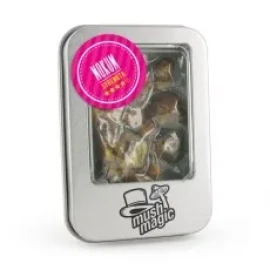
Mokum truffle
17,00 €
One-Page Summary
Psilocybin truffles designed to facilitate introspection, self-reflection and personal growth.
Key Facts:
- Active compound: psilocybin (approx. 0.5–0.8% by weight; batch variability possible)
- Typical form: fresh/dried sclerotia (truffles)
- Intended use: contemplative / inward-focused psychedelic experiences
- Recommended supervision: experienced facilitator or trip sitter advised
- Important: check local laws before purchase or use
Product Description
What Mokum Truffel Is
Mokum Truffles are premium psilocybin sclerotia, distinct from traditional mushrooms in their underground formation and specialized cultivation process. These compact, dense formations develop as the mycelium’s survival mechanism, concentrating psilocybin and psilocin compounds in a more stable, predictable format.
Unlike mushrooms that grow above ground with visible fruiting bodies, sclerotia (truffles) form beneath the surface as hardened masses of mycelial tissue. This natural process creates a product specifically designed for contemplative experiences rather than intense visual journeys.
Mokum Truffles embody the Amsterdam smart shop tradition of providing safe, quality-controlled psilocybin products for personal exploration and therapeutic applications. The strain selection emphasizes mental and emotional insight over overwhelming sensory effects, making these truffles particularly suitable for guided sessions and introspective work.
Unique Selling Points
Introspective Profile: Mokum Truffles deliver profound internal awareness with manageable sensory enhancement. Users report enhanced emotional clarity and perspective shifts without overwhelming visual distortions that can interfere with therapeutic work.
Therapeutic Compatibility: The balanced effects profile makes Mokum Truffles ideal for guided therapeutic sessions, counseling integration, and structured personal development work. The contemplative nature allows for sustained introspection and emotional processing.
Consistent Handling: Each batch undergoes careful cultivation and processing to maintain quality standards. While natural potency variations occur, the production methods ensure reliable preparation and storage for optimal freshness and potency retention.
Effects, Benefits & Typical Experience
Primary Effects
Deepened Introspection: Users consistently report enhanced access to subconscious thoughts and emotional patterns. The truffle facilitates recognition of personal behavior cycles, relationship dynamics, and underlying motivations that typically remain hidden during normal consciousness.
Enhanced Pattern Recognition: Mokum Truffles amplify the mind’s ability to connect seemingly unrelated concepts, memories, and experiences. This heightened associative thinking often leads to breakthrough insights about personal challenges and life direction.
Emotional Clarity: The experience frequently brings suppressed emotions to the surface in a manageable, processable way. Users report increased empathy toward themselves and others, along with clearer understanding of emotional responses and triggers.
Perspective Shifts: The truffle experience often provides fresh viewpoints on persistent problems or life situations. Many users describe seeing familiar challenges from entirely new angles, leading to creative solutions and personal breakthroughs.
Secondary Effects
Mild Sensory Enhancement: While not primarily visual, Mokum Truffles may produce subtle color intensification, enhanced texture perception, and increased sensitivity to sound and light. These effects typically support rather than overwhelm the introspective process.
Time Dilation: Linear time perception often shifts during the experience, with minutes feeling like hours or extended periods passing unnoticed. This altered time sense can facilitate deep contemplation without the pressure of external schedules.
Physical Sensations: Some users experience mild body awareness changes, including relaxation, subtle energy shifts, or temporary digestive sensitivity. Initial nausea may occur, particularly on an empty stomach or with higher doses.
Typical Timeline
Onset (20-60 minutes): Initial effects begin with subtle mood changes and increased introspective awareness. Sensitivity to environment and internal states gradually intensifies during this period.
Peak (1.5-3 hours): Maximum effects occur during this window, with deepest insights and emotional processing typically happening. The contemplative state reaches full intensity while remaining manageable for therapeutic work.
Return to Baseline (4-8 hours): Effects gradually diminish while insights remain accessible. Many users find this transition period valuable for integrating experiences and planning practical applications of new perspectives.
Integration Period (days-weeks): Full processing and integration of insights may continue long after the active experience ends. This extended period often proves crucial for implementing personal changes and maintaining therapeutic benefits.
Common Use Cases
Guided Therapy Sessions: Mental health professionals increasingly incorporate Mokum Truffles into therapeutic frameworks for treating depression, anxiety, trauma, and relationship issues. The introspective profile supports deep therapeutic work without overwhelming sensory distractions.
Solo Contemplative Practice: Experienced users often choose Mokum for personal meditation retreats, life transition processing, and spiritual exploration. The manageable effects allow for sustained focus on internal work while maintaining safety awareness.
Integration Work: Many users employ Mokum Truffles specifically for processing previous psychedelic experiences, therapy insights, or major life changes. The contemplative nature facilitates deep reflection and practical planning for implementing personal growth.
Dosage Guidance
Important Safety Notice: Individual responses vary significantly based on body weight, metabolism, medication use, and psychological state. Always start with lower doses and increase gradually. Have an experienced sitter present for medium to strong doses.
Dosage Tiers
Microdose (0.05-0.2g): Sub-perceptual effects designed for cognitive enhancement and mood regulation. Taken every 3-4 days in structured microdosing protocols. Users report increased creativity, emotional stability, and mental clarity without noticeable intoxication.
Low/Gentle (0.5-1.0g): Light introspective experience suitable for first-time psilocybin users with psychedelic familiarity. Effects include enhanced emotional awareness, mild perspective shifts, and gentle contemplative states. Ideal for therapeutic introduction or light personal work.
Moderate/Standard (1.5-3.0g): Clear introspective journey with significant emotional processing and insight generation. Recommended only with experienced sitter or facilitator present. This range produces the therapeutic sweet spot for deep personal work while maintaining manageable intensity.
Strong/Deep (3.5g+): Intense, potentially challenging experience requiring experienced supervision and thorough preparation. Reserved for advanced users seeking profound transformation or working through significant trauma under professional guidance. Requires structured set and setting with emergency protocols.
Individual Considerations
Body Weight and Sensitivity: Smaller individuals or those sensitive to medications should reduce doses by 25-50%. Consider starting with microdoses regardless of experience level to assess individual response patterns.
Medication Interactions: Antidepressants (particularly SSRIs), antipsychotics, and benzodiazepines can significantly alter psilocybin effects. Consult healthcare providers before combining substances and expect potentially diminished or unpredictable responses.
Potency Variability: Natural psilocybin content ranges from 0.5-0.8% by weight, with individual batches varying. When available, third-party lab testing provides more accurate dosing information. Calculate doses conservatively and adjust based on actual batch potency.
Safety, Precautions & Contraindications
Essential Safety Rules
Never Operate Vehicles: Complete prohibition on driving, cycling, or operating any machinery during effects and for 12 hours after experience completion. Arrange transportation and clear schedules in advance.
Environmental Safety: Use only in familiar, controlled environments with minimal external stressors. Remove potential hazards, secure privacy, and eliminate surprise interruptions during the experience window.
Substance Interactions: Avoid combining with alcohol, stimulants, depressants, or other psychoactive substances without medical consultation. Interactions can produce dangerous cardiovascular effects, respiratory depression, or unpredictable psychological responses.
Medical Contraindications
Psychiatric Conditions: Individuals with personal or family history of schizophrenia, psychosis, bipolar disorder, or severe personality disorders should avoid psilocybin use. The experience can trigger latent psychiatric conditions or worsen existing symptoms.
Cardiovascular Concerns: Those with serious heart conditions, uncontrolled hypertension, or history of stroke should consult physicians before use. Psilocybin can increase heart rate and blood pressure during peak effects.
Pregnancy and Nursing: Complete avoidance recommended during pregnancy and breastfeeding periods. Insufficient safety data exists regarding fetal development or breast milk transfer of psilocybin compounds.
Medication Interactions: SSRIs, SNRIs, MAOIs, and antipsychotic medications can create dangerous interactions or completely block psilocybin effects. Consult prescribing physicians and consider medication tapering under medical supervision if therapeutic use is desired.
Psychological Safety Framework
Set Preparation: Establish clear intentions, process current emotional state, and ensure stable mental health baseline before sessions. Avoid use during periods of extreme stress, grief, or psychological instability.
Setting Optimization: Create comfortable, private spaces with soft lighting, temperature control, and minimal technological intrusions. Prepare comfort items, hydration, and light snacks accessible throughout the experience.
Sitter Requirements: Experienced, sober supervision essential for doses above 1.0g. Sitters should understand psilocybin effects, remain calm during challenging moments, have emergency contacts available, and avoid interfering unless safety concerns arise.
Emergency Protocols
Anxiety Management: For overwhelming anxiety or panic, implement grounding techniques including focused breathing, reassuring verbal contact, and environmental modification. Reduce lighting and noise while maintaining gentle, non-judgmental presence.
Medical Emergencies: Seek immediate medical attention for seizures, chest pain, loss of consciousness, or any concerning physical symptoms. Maintain accessible emergency contacts and relevant medical history during sessions.
Crisis Support: Establish connections with mental health crisis lines and local emergency services before sessions. Consider having benzodiazepines available only if prescribed and administered by medically trained personnel.
Preparation & Integration
Pre-Session Preparation (24-72 hours)
Physical Preparation: Minimize alcohol consumption, avoid recreational drugs, maintain light diet, and ensure adequate hydration. Consider fasting 2-4 hours before ingestion to reduce nausea and improve absorption.
Mental Preparation: Engage in meditation, journaling, or therapy sessions to clarify intentions and process current emotional state. Avoid major stressful activities or decisions immediately before sessions.
Environmental Setup: Prepare comfortable space with soft furnishings, appropriate music playlist, art supplies for expression, and easy access to bathroom facilities. Remove clocks and electronic distractions to minimize time pressure awareness.
Support Network: Inform trusted contacts of session timing and establish check-in protocols. Ensure sitter availability and provide them with emergency contact information and basic session guidelines.
During Session Guidelines
Intention Setting: Begin with clear statement of session goals and openness to whatever experiences arise. Avoid forcing specific outcomes while maintaining gentle focus on contemplative exploration.
Mindfulness Practices: Incorporate breathwork, body scanning, or simple meditation techniques to maintain grounded awareness throughout the experience. These practices provide stability during challenging moments and enhance introspective depth.
Expression Methods: Keep journals, art supplies, or voice recording devices available for capturing insights and processing experiences. Many breakthrough realizations occur during peak effects and benefit from immediate documentation.
Minimal Intervention: Resist urges to control or direct the experience actively. Allow natural flow of thoughts and emotions while maintaining safety awareness and gentle intention focus.
Post-Session Integration (days-weeks)
Immediate Processing: Spend 2-4 hours after return to baseline discussing experience with sitter or trusted friend. Document key insights, emotional revelations, and practical applications while memories remain vivid.
Structured Reflection: Implement regular journaling practice focusing on integration questions: “What patterns did I recognize?” “How can I apply these insights practically?” “What small changes will I implement this week?”
Professional Support: Consider therapy or coaching sessions specifically focused on integrating psychedelic insights. Many therapists now specialize in psychedelic integration and can provide structured frameworks for implementing personal discoveries.
Gradual Implementation: Avoid making major life changes immediately following sessions. Instead, implement small behavioral experiments and gradual shifts that allow testing insights against reality while maintaining stability.
Community Connection: Seek integration circles, support groups, or online communities focused on responsible psychedelic use. Sharing experiences with others provides perspective, validation, and practical implementation strategies.
Comparison: Mokum vs Other Psilocybin Products
Effect Profiles
Mokum Truffles: Predominantly introspective with moderate visual enhancement. Ideal for therapeutic work, emotional processing, and contemplative practices. Effects remain manageable while providing substantial psychological insights.
Visual-Dominant Strains: Some mushroom varieties emphasize sensory distortion, complex visual patterns, and immersive experiences over introspective clarity. These strains suit recreational exploration but may overwhelm therapeutic intentions.
Standard Psilocybe Cubensis: Most common mushroom variety offers balanced effects with significant visual components. Generally more unpredictable than cultivated truffles due to varying potency and preparation methods.
Synthetic Psilocybin: Clinical and research settings increasingly use pharmaceutical-grade psilocybin for consistent dosing and controlled therapeutic applications. Limited availability outside research contexts.
Selection Guidance
New Users Seeking Inner Work: Start with low-dose Mokum Truffles (0.5-1.0g) under experienced facilitation. The contemplative profile provides meaningful insights without overwhelming sensory input for first-time experiences.
Therapeutic Applications: Mokum Truffles excel in structured therapeutic settings due to manageable effects that support sustained introspection and emotional processing. The consistent effects profile aids in therapeutic planning and session structure.
Visual Experience Seekers: Those primarily interested in sensory exploration and visual phenomena may prefer mushroom varieties specifically cultivated for enhanced visual effects. However, prioritize safety protocols regardless of chosen variety.
Microdosing Applications: Mokum Truffles work excellently for microdosing protocols focused on cognitive enhancement, emotional regulation, and creativity augmentation without perceptual disruption.
Legal Status & Regulations
Important Legal Notice: Psilocybin legal status varies dramatically by jurisdiction and changes frequently. Users must verify current local, state, and federal laws before purchasing, possessing, or using any psilocybin products.
Regional Examples (Non-Exhaustive)
Netherlands: Psilocybin truffles (sclerotia) have historically been available through licensed smart shops, distinct from prohibited psilocybin mushrooms. Current regulations may have changed; verify before travel or purchase.
United States: Federally controlled substance with severe penalties for possession and distribution. Some cities and states have implemented decriminalization measures or therapeutic exemptions. Laws evolve rapidly; check current status.
Canada: Generally prohibited under federal law with limited exemptions for research and therapeutic applications. Some provinces exploring regulatory frameworks for therapeutic access.
United Kingdom: Classified as controlled substance with criminal penalties for possession and supply. No current legal pathways for personal or therapeutic use.
Legal Disclaimer: This information provides general overview only and should not substitute for professional legal advice. Consult qualified legal counsel and verify current regulations through official government sources before any purchase or use decisions.
Quality, Testing & Sourcing
Quality Assurance Standards
Batch Documentation: Each product batch includes cultivation date, processing method, and estimated potency based on standardized testing protocols. Traceability ensures consistency and enables quality tracking across production cycles.
Cultivation Practices: Premium truffles result from controlled cultivation environments using sterile techniques, optimal growing conditions, and careful harvesting timing. These practices maximize potency consistency and minimize contamination risks.
Third-Party Testing: When available, independent laboratory analysis provides accurate psilocybin and psilocin concentrations, along with screening for harmful contaminants including molds, bacteria, heavy metals, and residual pesticides.
Storage & Shelf Life
Optimal Storage Conditions: Store in cool (2-8°C), dark, dry environments using airtight containers to prevent moisture absorption and degradation. Proper storage maintains potency and prevents dangerous mold growth.
Fresh vs Dried Considerations: Fresh truffles contain higher water content with shorter shelf life (1-2 weeks refrigerated) but gentler onset. Dried truffles offer extended storage (6-12 months) with concentrated potency requiring adjusted dosing.
Quality Indicators: Fresh truffles should feel firm without soft spots, maintain consistent color, and lack unpleasant odors. Dried products should appear uniform with minimal powder formation and retain characteristic earthy aroma.
Frequently Asked Questions
How are Mokum truffles different from magic mushrooms?
Truffles (sclerotia) form underground as dense mycelial masses, while mushrooms grow above ground as fruiting bodies. Truffles typically offer more consistent potency, longer shelf life, and often emphasize introspective effects over intense visual experiences.
How long does a trip last and when will I feel effects?
Effects typically begin 20-60 minutes after ingestion, peak around 1.5-3 hours, and return to baseline within 4-8 hours. Individual timing varies based on dose, body weight, stomach contents, and personal metabolism.
What if I feel anxious or have a “bad trip”?
Implement grounding techniques including deep breathing, environmental modification (reduce lighting/noise), and reassuring self-talk. Having an experienced sitter present provides crucial support during challenging moments. Remember that effects are temporary.
Can I microdose Mokum? How often?
Yes, Mokum truffles work excellently for microdosing. Use 0.05-0.2g every 3-4 days following established protocols. Microdosing provides cognitive enhancement and mood regulation without perceptual changes or impairment.
Are truffles safe with SSRIs or other medications?
SSRIs, antipsychotics, and many psychiatric medications can interact dangerously with psilocybin or completely block effects. Consult prescribing physicians before combining substances and consider medication tapering under medical supervision if therapeutic use is desired.
Is there a standard dose for first-time users?
First-time psilocybin users should start with 0.5-1.0g under experienced supervision. Even those familiar with other psychedelics should begin conservatively due to psilocybin’s unique effect profile and duration.
Are Mokum truffles tested for potency and contaminants?
Quality producers provide batch testing information when available, including estimated psilocybin content and contaminant screening. Third-party laboratory certificates offer the most reliable potency and safety data.
How should I prepare my environment for a session?
Create comfortable, private space with soft lighting, temperature control, minimal distractions, and easy bathroom access. Remove potential hazards, prepare comfort items and light snacks, and ensure sitter availability for doses above 1.0g.
Can I use truffles for therapeutic purposes?
While many users report therapeutic benefits, Mokum truffles are not approved medical treatments. Consider working with integration therapists or counselors experienced in psychedelic therapy to maximize therapeutic potential safely.
What’s the difference between fresh and dried truffles?
Fresh truffles contain 80-90% water content with gentler onset but shorter shelf life. Dried truffles offer concentrated potency (adjust doses accordingly), extended storage, and more predictable timing but potentially more intense onset.
Important Safety Disclaimer
This product contains psilocybin, a naturally occurring psychedelic compound. Mokum Truffles are not intended as medical treatment for any condition. Consult healthcare professionals before use, especially if taking medications or having medical conditions. Effects can be intense and unpredictable. Never use while driving or operating machinery. Check local laws before purchase or possession. Users assume full responsibility for safe, legal use.
 Premium ingredients for optimal results
Long-lasting effects for extended pleasure
Safe and certified formulations
Fast-acting solutions for instant impact
Discreet packaging for total privacy
Premium ingredients for optimal results
Long-lasting effects for extended pleasure
Safe and certified formulations
Fast-acting solutions for instant impact
Discreet packaging for total privacy
Premium ingredients for optimal results
Long-lasting effects for extended pleasure
Safe and certified formulations
Fast-acting solutions for instant impact
Discreet packaging for total privacy
Premium ingredients for optimal results
Long-lasting effects for extended pleasure
Safe and certified formulations
Fast-acting solutions for instant impact
Discreet packaging for total privacy
Related Products

Frequently Asked Questions
Everything You Need to Know