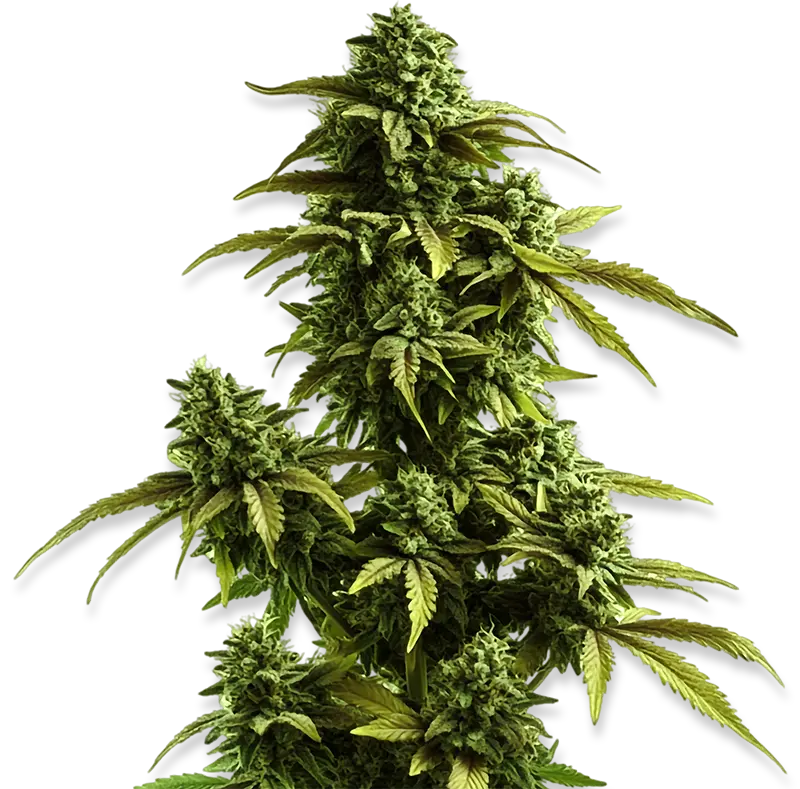




iGrowcan | Northern Light Automatic

24,50 

Experience the legendary relaxation of Northern Lights in a fast-growing, easy-to-cultivate autoflowering format. Perfect for new growers seeking reliable results with minimal complexity.

Rapid 8-12 week seed-to-harvest cycle
Indica-dominant relaxing effects with 14-19% THC
Reliable yields indoors and outdoors

Key Specifications

Genetics Afghani/Thai heritage × Ruderalis
Type Autoflowering, Feminized
Indica/Sativa 80-95% Indica, 5-20% Sativa
THC Content 14-19%
CBD Content Low (varies by phenotype)
Life Cycle 8-12 weeks seed-to-harvest
Indoor Yield 300-550 g/m²
Outdoor Yield Up to 200 g/plant
Plant Height Compact autoflower stature
Difficulty Easy – beginner friendly
Best Use Evening relaxation, sleep aid, stress relief

Heritage & Strain Background

Northern Light Automatic traces its lineage to the legendary Afghani genetics that arrived in the United States during the 1970s. Originally refined in the Netherlands throughout the 1980s, this strain earned its reputation as one of the most reliable and therapeutically effective indica varieties available.

The autoflowering version was created by crossing traditional Northern Lights with Cannabis ruderalis, introducing the auto-flowering trait that eliminates dependence on light schedules. This genetic modification maintains the characteristic deep relaxation and sedative properties while dramatically reducing growing complexity and time requirements.

Key Differences from Photoperiod Northern Lights:

– Flowering triggered by plant age rather than light schedule changes
– Faster harvest cycles allowing multiple crops per year
– Smaller, more manageable plant sizes
– Slightly different cannabinoid profiles with consistent therapeutic effects

Growers choose Northern Light Automatic for its legendary reliability, robust genetics, and classic indica effects delivered in a beginner-friendly package that thrives in various growing conditions.

Experience & Effects

Northern Light Automatic delivers the signature deep body relaxation that made its photoperiod predecessor famous. Users experience profound physical sedation accompanied by gentle mental euphoria, making it ideal for evening and nighttime consumption.

Primary Effects:

Deep Physical Relaxation: Heavy body stone characteristic of premium indica genetics
Mild Euphoria: Pleasant mental uplift without anxiety or paranoia
Sedative Properties: Strong sleep-inducing effects for insomnia relief
Stress Relief: Effective for unwinding after stressful days

Therapeutic Applications:

– Chronic pain management
– Insomnia and sleep disorders
– Anxiety and stress reduction
– Appetite stimulation
– Muscle tension relief

Onset & Duration:
Effects typically begin within 10-15 minutes of consumption, building gradually to peak intensity within 30-45 minutes. The experience generally lasts 2-4 hours, with residual relaxation extending longer.

Flavor & Aroma Profile:
Northern Light Automatic features classic earthy and pine flavors with subtle sweet and spicy undertones. The terpene profile is dominated by myrcene, contributing to the strain’s sedative properties and characteristic musky, forest-like aroma.

Potency Notes:
With THC levels ranging from 14-19%, this strain provides substantial therapeutic effects without overwhelming intensity. The moderate potency makes it suitable for both experienced users seeking reliable relaxation and newcomers to cannabis.

Quick Start Growing Guide

Northern Light Automatic excels in various growing environments, making it perfect for beginners, stealth operations, and growers with limited space or time.

Lighting Requirements

Indoor Schedule: 18/6 or 20/4 light cycle throughout entire growth
No 12/12 flowering trigger required
– Maintain moderate to high light intensity while avoiding seedling stress

Growing Medium

Soil: Coco coir or peat-based mixes recommended for forgiveness
Hydroponic: Suitable for experienced growers seeking faster growth

Container Size

Optimal: 7-11 liter (2-3 gallon) pots
– Avoid oversized containers that can lead to overwatering

Nutrition Approach

– Start with light nutrients after true leaves develop
– Follow gentle feeding schedules to prevent nutrient burn
– Reduce nitrogen levels during flowering phase

Training Techniques

Low Stress Training (LST): Highly recommended for yield optimization
Avoid heavy topping: Can stress autoflowering plants
SCROG or simple staking: Effective for maximizing light penetration

Environmental Conditions

Vegetative Temperature: 20-26°C (68-79°F)
Flowering Temperature: 18-24°C (64-75°F)
Humidity: 40-60% vegetative, 40-45% late flowering
Ventilation: Consistent airflow prevents mold and pest issues

Watering Guidelines

– Allow topsoil to dry slightly between waterings
– Avoid overwatering, which is common with new growers
– Monitor soil moisture at 2-3 inch depth

Phase-by-Phase Growing Walkthrough

Germination & Seedling Stage (Days 0-14)

Germination Process:
– Use paper towel method or direct soil planting
– Maintain gentle moisture and 24-26°C temperature
– Plant seeds immediately when taproot reaches 1-2 cm
– Avoid transplant shock by starting in final containers

Seedling Care:
– Provide 18-20 hours of gentle light daily
– Maintain high humidity (60-70%) for optimal development
– Avoid nutrients until first true leaves appear
– Monitor for stretching and adjust light distance accordingly

Early Vegetative Stage (Weeks 2-3)

Growth Characteristics:
– Rapid vertical and lateral development begins
– First sets of serrated leaves develop
– Root system establishes in growing medium

Care Requirements:
– Increase light intensity gradually
– Begin very light feeding with balanced nutrients
– Start gentle LST after 3-4 node pairs develop
– Maintain consistent watering schedule

Pre-Flower Transition (Weeks 3-5)

Flowering Indicators:
– First pistils appear at node intersections
– Growth rate may slow as energy shifts to reproduction
– Canopy development becomes crucial for final yields

Management Focus:
– Continue LST to expose all bud sites to light
– Reduce plant stress through stable environmental conditions
– Begin transitioning to bloom-focused nutrients
– Remove lower growth that won’t receive adequate light

Flowering Stage (Weeks 5-10)

Bud Development:
– Flowers rapidly develop and swell
– Resin production increases significantly
– Aroma intensifies throughout this period

Critical Care Points:
– Shift to higher phosphorus and potassium nutrients
– Provide adequate support for developing branches
– Maintain lower humidity to prevent mold
– Conduct weekly pest inspections

Late Flowering & Harvest (Weeks 8-12)

Harvest Timing:
– Monitor trichome development with magnification
– Harvest when trichomes are mostly cloudy with some amber
– Clear trichomes indicate early harvest with more cerebral effects
– Amber trichomes provide maximum sedative properties

Harvest Process:
– Flush with plain water 1-2 weeks before harvest
– Cut plants at base and hang in dark, ventilated area
– Maintain 18-22°C temperature and 45-55% humidity during drying
– Dry for 5-10 days until small stems snap rather than bend

Feeding & Maintenance Guidelines

Nutrient Schedule Overview

Weeks 1-2 (Seedling):
– Plain water or very diluted nutrients
– Focus on root development
– EC: 0.4-0.6, pH: 6.2-6.8 (soil)

Weeks 3-4 (Vegetative):
– Balanced NPK with slight nitrogen emphasis
– EC: 0.8-1.2, pH: 6.2-6.8 (soil)
– Include calcium and magnesium supplements

Weeks 5-8 (Early-Mid Flowering):
– Reduce nitrogen, increase phosphorus and potassium
– EC: 1.0-1.4, pH: 6.2-6.8 (soil)
– Add bloom boosters for enhanced flower development

Weeks 9-12 (Late Flowering):
– Maintain phosphorus/potassium focus
– EC: 0.6-1.0, pH: 6.2-6.8 (soil)
– Begin flush with plain water in final weeks

Common Feeding Mistakes

Nitrogen Toxicity:
– Symptoms: Dark green leaves, clawing, delayed flowering
– Solution: Reduce nitrogen levels immediately, flush if severe

Overfeeding:
– Symptoms: Nutrient burn on leaf tips, stunted growth
– Solution: Reduce feeding strength by 25-50%, monitor recovery

pH Imbalance:
– Symptoms: Yellowing leaves, nutrient lockout
– Solution: Adjust pH to optimal range, calibrate measuring equipment

Yield Expectations & Optimization

Realistic Yield Ranges

Indoor Growing:
Standard Setup: 300-400 g/m²
Optimized Setup: 450-550 g/m²
Factors: Light quality, training methods, environmental control

Outdoor Growing:
Average Plant: 100-150g per plant
Optimized Plant: Up to 200g per plant
Factors: Climate, pot size, growing season length

Yield Maximization Strategies

Lighting Optimization:
– Use full-spectrum LED or high-quality HPS lighting
– Maintain proper light distance to prevent stretching or burning
– Ensure even light distribution across canopy

Training Techniques:
– Implement LST early in vegetative stage
– Use SCROG methods for even canopy development
– Remove lower branches that won’t receive adequate light

Environmental Control:
– Maintain consistent temperature and humidity levels
– Provide adequate ventilation for CO2 exchange
– Control pests and diseases before they impact yields

Genetic Factors:
– Phenotype variation can affect final yields significantly
– Some plants naturally produce denser, more resinous buds
– Select strongest seedlings for cultivation

Strain Comparisons

Northern Light Auto vs Photoperiod Northern Lights

Advantages of Autoflowering:
– Faster harvest cycles (8-12 weeks vs 12-16 weeks)
– No light schedule management required
– Multiple harvests possible per year
– More discreet due to smaller size
– Beginner-friendly growing requirements

Advantages of Photoperiod:
– Larger final yields per plant
– Greater control over vegetative period length
– More aggressive training techniques possible
– Slightly higher THC potential
– Traditional growing methods apply

Comparison with Other Autoflowers

Northern Light Auto vs High-THC Modern Autos:
– Slightly lower peak THC but more reliable effects
– Better sleep-inducing properties
– More stable genetics with less phenotype variation
– Classic indica effects rather than hybrid complexity

Northern Light Auto vs Fast-Yield Autos:
– Similar growing speed with more pronounced therapeutic effects
– Better stress tolerance and environmental adaptability
– More substantial yields in most growing conditions
– Superior flavor and aroma development

Grower Selection Guide

Choose Northern Light Auto if you:
– Are new to cannabis cultivation
– Prefer reliable, proven genetics
– Need consistent sedative effects
– Have limited growing space or time
– Want multiple harvests per year
– Prioritize ease of growing over maximum yields

Consider Other Options if you:
– Seek maximum THC potency above all else
– Have extensive growing experience and want challenges
– Prefer sativa-dominant effects
– Have unlimited growing space and time
– Want to practice advanced training techniques

Purchasing Considerations

Seed Quality Factors

Feminized Autoflower Seeds:
– Eliminates male plants that don’t produce consumable flowers
– Ensures maximum efficiency in limited growing space
– Reduces complexity for beginner growers

Germination Rates:
– Quality seeds typically achieve 90%+ germination rates
– Proper storage and handling maintain viability
– Fresh seeds generally outperform older stock

Pack Size Recommendations

Single Grower (Personal Use):
– 3-5 seed packs provide multiple attempts and phenotype selection
– Allows for learning curve and potential growing mistakes

Multiple Crops:
– 10+ seed packs enable continuous harvests throughout year
– Bulk quantities often provide better value per seed

Legal Considerations

Cannabis cultivation laws vary significantly by jurisdiction. Research local regulations thoroughly before purchasing or germinating seeds. Some regions permit possession of seeds but prohibit germination, while others allow complete cultivation for personal use.

Important Legal Notes:
– Verify local laws regarding cannabis seeds and cultivation
– Understand possession limits and growing restrictions
– Check age requirements and licensing needs
– Be aware of federal vs. state/provincial law differences

Aggregated Grower Insights

Common Success Strategies

Environmental Stability:
– Experienced growers emphasize consistent temperature and humidity
– Stable growing conditions prevent stress-related issues
– Automated environmental controls improve results significantly

Conservative Feeding:
– Most successful grows use lighter feeding schedules than recommended
– Gradual nutrient increases prevent burning and toxicity
– Organic nutrients often produce superior flavor profiles

Early Training Implementation:
– LST applied early in vegetative stage provides best yield improvements
– SCROG methods work well with Northern Light Auto’s growth pattern
– Patience with training techniques yields better results than aggressive methods

Frequent Growing Mistakes

Overwatering:
– Most common issue among new growers
– Leads to root problems and stunted growth
– Solution: Allow soil to dry between waterings

Excessive Nitrogen in Flowering:
– Delays bud development and reduces resin production
– Causes dark green foliage and poor flower formation
– Solution: Switch to bloom nutrients earlier in cycle

Premature Harvest:
– Harvesting too early reduces potency and effects
– Clear trichomes indicate incomplete development
– Solution: Wait for majority cloudy trichomes with some amber

Average Growing Statistics

Typical Harvest Windows:
– 85% of growers harvest between weeks 9-11
– Environmental conditions affect timing by ±1 week
– Indoor grows generally finish faster than outdoor

Phenotype Variation:
– 20-30% variation in final yields between phenotypes
– Some plants produce notably denser, more resinous buds
– Aroma intensity varies significantly between individual plants

Troubleshooting Guide

Yellowing Lower Leaves

Possible Causes:
– Natural senescence during flowering
– Nitrogen deficiency
– pH imbalance preventing nutrient uptake
– Overwatering causing root issues

Solutions:
– Check pH levels and adjust if necessary
– Evaluate feeding schedule for adequacy
– Reduce watering frequency if soil stays wet
– Remove severely yellowed leaves to prevent disease

Stretching Plants

Possible Causes:
– Insufficient light intensity
– Excessive distance between light and plants
– High temperatures causing heat stress
– Genetics predisposing to tall growth

Solutions:
– Increase light intensity gradually
– Reduce distance between lights and canopy
– Improve ventilation and reduce temperatures
– Implement LST to manage height

Low Yield Results

Possible Causes:
– Inadequate lighting for flowering
– Poor training or canopy management
– Nutrient deficiencies during critical growth periods
– Environmental stress throughout growing cycle

Solutions:
– Upgrade lighting system for better coverage
– Implement training techniques early in growth
– Follow consistent feeding schedule with quality nutrients
– Maintain stable environmental conditions

Pest and Disease Issues

Common Problems:
– Spider mites in dry conditions
– Fungus gnats from overwatering
– Powdery mildew in high humidity
– Aphids on outdoor plants

Prevention Strategies:
– Maintain proper humidity levels
– Provide adequate air circulation
– Inspect plants weekly for early detection
– Use preventive treatments before problems develop

Curing and Storage

Proper Drying Technique

Hanging Method:
– Cut branches to manageable sizes
– Remove large fan leaves but retain sugar leaves
– Hang in dark room with 45-55% humidity
– Maintain 18-22°C temperature with gentle air circulation

Drying Timeline:
– Small stems should snap rather than bend (5-10 days)
– Avoid over-drying which degrades terpenes
– Under-dried material risks mold during curing

Curing Process

Initial Curing (Weeks 1-2):
– Place dried buds in glass jars filled 75% full
– Open jars daily for 10-15 minutes (burping)
– Maintain 60-65% humidity inside jars
– Monitor for ammonia smell indicating over-moisture

Extended Curing (Weeks 3-8):
– Reduce burping frequency to weekly
– Allow natural aging process to improve flavor
– Peak flavor and smoothness typically achieved at 4-6 weeks
– Properly cured material can improve for months

Long-Term Storage

Optimal Conditions:
– Store in airtight containers away from light
– Maintain cool, dry environment
– Use humidity control packets for stability
– Glass jars provide best preservation

Quality Preservation:
– Properly stored material maintains potency for years
– Avoid plastic containers that can affect flavor
– Keep different harvests separated for comparison
– Label containers with harvest dates and growing notes

Frequently Asked Questions

How long does Northern Light Automatic take to grow?
Complete growing cycle typically takes 8-12 weeks from seed germination to harvest. Indoor grows often finish slightly faster than outdoor cultivation due to controlled environmental conditions.

Is Northern Light Auto good for beginners?
Yes, this strain is excellent for new growers due to its forgiving nature, autoflowering genetics that eliminate light schedule complexity, and reliable performance across various growing conditions.

What yield can I expect indoors versus outdoors?
Indoor yields typically range from 300-550 g/m² depending on growing setup and experience level. Outdoor plants can produce up to 200g per plant with optimal conditions and proper care.

How tall will the plants get?
Northern Light Automatic maintains compact autoflower stature, typically reaching 60-100cm in height. This makes it suitable for stealth growing and limited space situations.

Can I top or supercrop autoflowers?
Light training techniques like LST work well, but aggressive methods like topping can stress autoflowers and reduce yields. Stick to gentle training methods for best results.

What are the best light schedules for autos?
18/6 or 20/4 light schedules work effectively throughout the entire growing cycle. Some growers use 24/0 lighting, but plants benefit from some darkness for optimal development.

Is this strain good for pain and insomnia?
Yes, Northern Light Automatic is particularly effective for pain relief and sleep disorders due to its indica-dominant genetics and sedative terpene profile.

How do I avoid nutrient burn?
Start with conservative feeding schedules at 50-75% of recommended strength. Gradually increase nutrients based on plant response, and always monitor pH levels for proper nutrient uptake.

Legal Disclaimer: Cannabis cultivation laws vary by jurisdiction. Verify local regulations before purchasing or germinating seeds. This information is for educational purposes only.

Safety Notice: Keep all cannabis products away from children and pets. For adult use only in legal jurisdictions.

Medical Disclaimer: Information provided is not medical advice. Consult healthcare professionals for medical cannabis guidance and treatment recommendations.

Premium ingredients for optimal results Long-lasting effects for extended pleasure Safe and certified formulations Fast-acting solutions for instant impact Discreet packaging for total privacy


Frequently Asked Questions

Everything You Need to Know

Find information on product legality, shipping, lab reports, payment methods, and customer support
Yes! All our products comply with EU regulations and contain legal cannabinoid levels.
Standard shipping takes 2-5 business days, depending on your location.
Yes, all our products are lab-tested, and reports are available upon request.
We accept credit/debit cards, bank transfers, and cryptocurrency.
You can email us at info@cannadoctor.com or use our contact form.