


Triple G Automatic 10 pack
65,00 €
Triple G Automatic delivers exceptional 20% THC potency through Royal Queen Seeds’ masterful genetics combining Royal Gorilla, Green Gelato, and Big Skunk Auto into a fast-finishing 10-12 week autoflower. This 10-pack provides serious growers with optimal phenotype selection opportunities, staggered harvest potential, and reliable backup plants for continuous cultivation cycles.
What is Triple G Automatic?
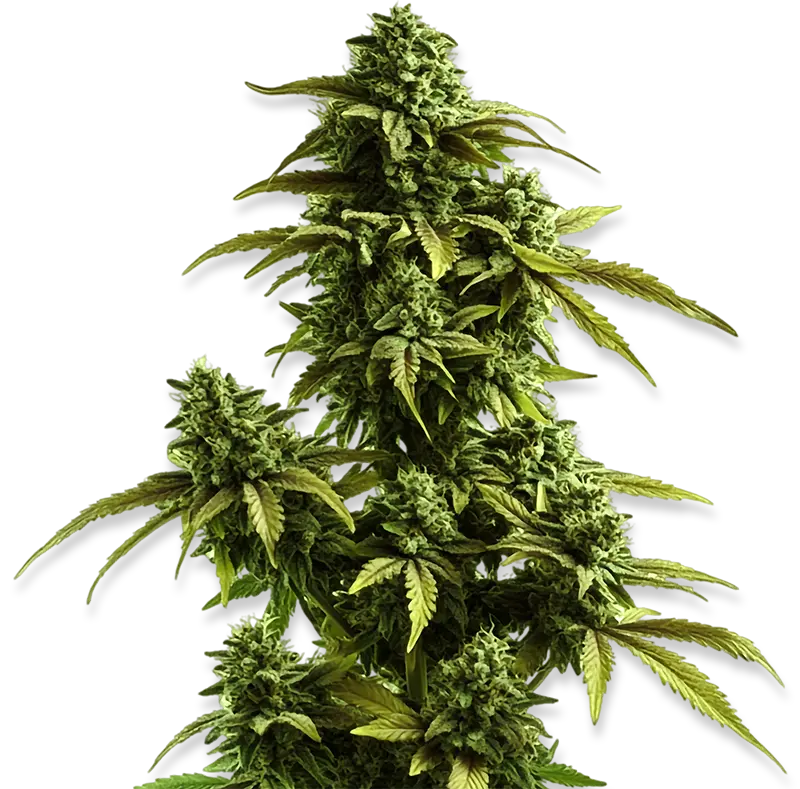
Triple G Automatic represents Royal Queen Seeds’ commitment to high-potency autoflowering genetics, featuring an indica-dominant hybrid composition of 80% indica, 15% sativa, and 5% ruderalis. This carefully crafted strain emerged from crossing three legendary genetics: Royal Gorilla’s resin production, Green Gelato’s terpene complexity, and Big Skunk Auto’s reliable autoflowering traits.
Royal Queen Seeds has positioned this strain as their premium fast-finishing option, designed for cultivators seeking maximum potency without sacrificing cultivation simplicity. The breeder emphasizes the strain’s distinctive candy and chocolate flavor profile layered with earthy skunk undertones, making it appealing for both recreational and connoisseur markets.
Genetics & Breeder Information
Parentage: Royal Gorilla × Green Gelato × Big Skunk Auto
Breeder: Royal Queen Seeds — established European breeder with extensive laboratory testing protocols and widespread distribution through reputable seedbanks globally
Typical Phenotype Characteristics:
- Dense, resin-coated flowers with exceptional bag appeal
- Compact indica structure with robust lateral branching
- Consistent autoflowering traits across generations
- High trichome density throughout flowering cycle
- Pronounced terpene expression during late flowering
Triple G Automatic — Complete Specifications
THC Content: ~20% (laboratory verified with consistent user reports)
Cannabinoid Profile: High-THC, high-resin production strain
Plant Classification: Autoflowering indica-dominant hybrid (80% indica)
Pack Size: 10 premium seeds per package
Complete Life Cycle: 10-12 weeks from seed to harvest
Indoor Height Range: 60-120 cm (suitable for standard grow tents)
Indoor Yield Potential: 450-500 g/m² under optimal conditions
Outdoor Yield Potential: 90-140 g per plant
Flowering Characteristics: Rapid trichome development, heavy resin production
Terpene Profile: Dominant candy and chocolate notes with earth and skunk undertones
Effects Profile: Initial euphoric cerebral uplift followed by deep physical relaxation, suitable for day or evening consumption
Who Should Choose Triple G Automatic?
Beginning Cultivators: The autoflowering genetics eliminate photoperiod timing complexities while maintaining forgiveness for minor cultivation errors. The fast 10-12 week cycle provides quick feedback for learning proper techniques.
Intermediate to Advanced Growers: High resin production and exceptional bag appeal satisfy connoisseur standards. The 10-pack format enables phenotype hunting for selecting superior individual plants with desired characteristics.
Small-Scale and Micro-Commercial Operations: Short cycle duration supports multiple annual harvests in outdoor or greenhouse environments, maximizing yearly production potential within limited space.
Medical Cannabis Patients: Consistent 20% THC levels provide reliable potency for therapeutic applications requiring strong cannabinoid concentrations.
Comparative Analysis with Similar Strains
Triple G Automatic competes directly with other high-THC autoflowering varieties in the premium market segment.
| Strain | THC (%) | Indoor Yield (g/m²) | Outdoor Yield (g/plant) | Seed→Harvest (weeks) |
|---|---|---|---|---|
| Triple G Auto | 20 | 450-500 | 90-140 | 10-12 |
| Gorilla Glue Auto | 20-24 | 400-600 | 50-200 | 10-12 |
| Gelato Auto | 20-23 | 400-550 | 50-200 | 9-10 |
| Northern Lights Auto | 14-18 | 400-500 | 100-200 | 9-10 |
Competitive Strengths:
- Consistent high THC expression across different growing conditions
- Reliable finishing times within the stated 10-12 week window
- Superior resin production and visual appeal compared to many competitors
- Balanced yield potential suitable for various cultivation scales
Honest Trade-offs:
- May not achieve absolute maximum yields compared to some specialized high-yielding autoflowers under perfect conditions
- Performs best within mid-to-high range rather than extreme yield categories
Seed to Harvest Timeline — 10-12 Week Schedule
Week 0-1: Germination Phase
Initiate germination using paper towel method or direct soil planting. Maintain temperatures between 22-26°C with high humidity (70-80%). Expect taproot emergence within 24-72 hours.
Week 1-2: Seedling Development
Provide gentle lighting (200-400 PPFD) to prevent stretching. Maintain soil moisture without waterlogging. Begin with pure water or very light nutrient solutions (EC 0.4-0.6).
Week 2-4: Early Vegetative Growth
Increase light intensity gradually to 400-600 PPFD. Begin low-stress training techniques if desired. Introduce mild feeding schedule with balanced N-P-K ratios favoring nitrogen.
Week 4-7: Vegetative to Flowering Transition
Expect rapid vertical growth and abundant bud site development. Continue LST techniques while avoiding aggressive pruning. Transition to flowering nutrients with reduced nitrogen.
Week 7-10/12: Full Flowering Phase
Monitor trichome development closely using magnification. Maintain optimal environmental conditions with reduced humidity (40-50%). Begin flush protocol in final 1-2 weeks if desired.
Final Harvest Window
Harvest when trichomes show desired cloudy/amber ratios. Clear trichomes provide more energetic effects, while amber trichomes increase sedative qualities.
Comprehensive Growing Guide for Triple G Automatic
Environmental Requirements & Lighting
Indoor Light Schedule: Maintain 18/6 or 20/4 light cycles throughout entire growth period. Autoflowers do not require 12/12 photoperiod manipulation for flowering initiation.
Optimal Light Intensity:
- Seedling: 200-400 PPFD
- Vegetative: 400-600 PPFD
- Flowering: 600-900 PPFD (adjust based on plant response)
Temperature Control: Maintain day temperatures between 20-26°C with night temperatures no more than 5°C lower. Avoid exceeding 28°C as this can stress autoflowering plants and reduce yields.
Humidity Management:
- Seedling stage: 65-70% relative humidity
- Vegetative stage: 50-60% relative humidity
- Flowering stage: 40-50% relative humidity
- Late flowering: Reduce to 40% or below to prevent mold issues
Growing Medium & Container Selection
Soil Recommendations: High-quality organic soil mixes or light coconut coir blends produce optimal flavor and terpene development. Avoid heavy, dense soils that may impede root development.
Container Sizing: Use 7-15 liter containers to allow adequate root development. Larger containers generally produce higher yields but require more space and resources.
Drainage Requirements: Ensure excellent drainage to prevent root rot, particularly important given the dense flower production of this strain.
Nutrition & Feeding Strategy
General Feeding Approach: Start with conservative nutrient levels and gradually increase based on plant response. Autoflowers are more sensitive to nutrient burn than photoperiod varieties.
Vegetative Nutrition: Emphasize nitrogen with balanced P-K ratios. Target EC levels of 0.6-1.2 depending on growing medium and plant size.
Flowering Nutrition: Reduce nitrogen while increasing phosphorus and potassium. Monitor plants for deficiency signs while avoiding overfeeding.
pH Management:
- Soil cultivation: 6.0-6.8 pH range
- Soilless/hydroponic: 5.8-6.2 pH range
Training & Canopy Management
Low-Stress Training (LST): Begin gentle LST during early vegetative growth (week 3-4) to expose lower bud sites to light. This technique works exceptionally well with Triple G Automatic’s branching structure.
Pruning Considerations: Avoid aggressive topping or fimming techniques on autoflowers due to limited vegetative time. Light defoliation of lower fan leaves may improve airflow and light penetration.
SCROG Applications: Screen of Green techniques can be effective if implemented early and with loose canopy management to accommodate the strain’s flowering stretch.
Pest & Disease Prevention
Integrated Pest Management: Implement regular visual inspections and maintain optimal environmental conditions to prevent pest establishment.
Mold Prevention: Triple G Automatic produces dense, resinous buds that can be susceptible to botrytis and powdery mildew. Maintain adequate airflow and humidity control, especially during late flowering.
Common Issues: Watch for nutrient lockout symptoms, light burn at high intensities, and overwatering in dense soil mixes.
Advanced Yield & Potency Optimization
Light Spectrum Optimization
Incorporate UV-B light during flowering to stimulate increased trichome and terpene production. Far-red spectrum can enhance flowering stretch and overall plant size.
Beneficial Microorganisms
Introduce mycorrhizal fungi and beneficial bacteria early in the growing cycle to enhance nutrient uptake and root health, particularly important for maximizing the short vegetative period.
Controlled Stress Techniques
Apply mild environmental stress through slight EC increases or controlled light stress to stimulate resin production without significantly impacting growth rates.
Harvest Timing for Potency
Monitor trichome development closely using 60x magnification. Harvest when trichomes are predominantly cloudy with 10-20% amber for peak THC content and desired effect profile.
Troubleshooting Common Cultivation Issues
Q: Can beginners successfully cultivate Triple G Automatic?
A: Absolutely. The autoflowering genetics eliminate timing complexities associated with photoperiod strains. Follow basic principles: moderate feeding, gentle training techniques, appropriate container sizes, and consistent environmental conditions.
Q: How can I prevent mold on the dense flower clusters?
A: Maintain relative humidity below 50% during flowering, ensure adequate air circulation around plants, remove lower fan leaves that impede airflow, and avoid overwatering. Consider using oscillating fans to maintain constant air movement.
Q: Why are my autoflowering plants smaller than expected?
A: Common causes include undersized containers (use minimum 7L), insufficient light intensity, over-pruning during limited vegetative period, nutrient stress preventing growth, or delayed germination reducing total growing time.
Q: Should I top Triple G Automatic plants?
A: Generally avoid aggressive topping techniques on autoflowers. The limited vegetative period doesn’t provide sufficient recovery time. Instead, use LST, selective defoliation, and bending techniques to manage canopy.
Q: How much phenotype variation should I expect?
A: Royal Queen Seeds has stabilized this strain well, with most plants expressing compact, resinous indica-dominant characteristics. Occasional plants may show slight sativa influence in structure or flowering time.
Post-Harvest Processing — Drying, Trimming & Curing
Optimal Harvest Timing
Monitor trichome color using magnification tools. Harvest when trichomes are predominantly cloudy for peak THC content, or allow 20-30% amber development for more sedative effects.
Drying Protocol
Environmental Conditions: Maintain 18-21°C temperature with 45-55% relative humidity in a dark environment. Proper drying typically requires 7-14 days depending on flower density and environmental conditions.
Air Circulation: Provide gentle air movement without direct airflow on hanging branches to ensure even drying and prevent mold development.
Trimming Considerations
Wet vs. Dry Trimming: Wet trimming immediately after harvest provides cleaner appearance but may reduce terpene retention. Dry trimming after initial drying preserves more aromatics but requires more skill.
Trim Quality: Triple G Automatic produces substantial resinous trim material suitable for extraction or secondary processing.
Curing Process
Initial Curing: Place dried flowers in glass jars filled 60-70% capacity. Monitor humidity levels using hygrometers, targeting 58-62% relative humidity inside containers.
Burping Schedule: Open jars daily for 15-30 minutes during the first week, then reduce to every few days. Continue curing for minimum 2-4 weeks for optimal terpene development.
Long-term Storage: Properly cured Triple G Automatic can be stored for extended periods in cool, dark conditions while maintaining potency and flavor integrity.
Laboratory Results & Real-World Performance Data
Documented THC Levels
Laboratory testing consistently shows THC levels around 20%, with some exceptional phenotypes reaching slightly higher concentrations under optimal growing conditions. These results are corroborated by numerous grow diary reports from experienced cultivators.
Yield Consistency
Grow diaries demonstrate reliable yield ranges within breeder specifications. Indoor cultivators typically achieve 450-500 g/m² in optimized environments, while outdoor growers report 90-140 g per plant depending on container size and growing conditions.
Terpene Expression
Advanced analytical testing reveals complex terpene profiles dominated by myrcene, limonene, and caryophyllene, contributing to the characteristic candy and chocolate aromatics with earthy undertones.
Testing Variability Notice: Laboratory results and yield outcomes can vary based on cultivation methods, environmental conditions, and testing laboratory procedures. Use provided figures as general guidelines rather than guaranteed outcomes.
10-Pack Value Propositions & Use Cases
Phenotype Selection Opportunities
Growing multiple seeds allows identification of superior individual plants with desired characteristics such as higher THC content, improved terpene expression, or optimal plant structure for specific growing conditions.
Staggered Planting Strategy
Plant seeds at weekly intervals to create continuous small harvests throughout the growing season. This approach provides fresh material consistently rather than large single harvests that may exceed immediate consumption needs.
Risk Management & Backup Planning
The 10-pack format compensates for occasional germination failures, cultivation accidents, or environmental stresses that may affect individual plants. Successful cultivators typically plan for 70-80% success rates.
Production Scaling
Multiple plants enable larger combined yields suitable for extract production, edible manufacturing, or small-scale distribution where legally permitted. The fast 10-12 week cycle supports multiple annual production runs.
Research & Development
Experienced growers use multiple plants to test different cultivation techniques, nutrient schedules, or environmental conditions to optimize future growing cycles.
Frequently Asked Questions
Is Triple G Automatic really 20% THC?
Breeder laboratory reports indicate ~20% THC levels, and this is frequently corroborated by independent testing and experienced grower reports. However, final THC content varies based on growing conditions, harvest timing, and curing processes.
What yields can I realistically expect per plant?
Outdoor cultivation typically produces 90-140 g per plant, while indoor yields depend on growing space efficiency (450-500 g/m²). Individual plant yields vary based on container size, lighting intensity, and cultivation techniques.
How tall do plants grow indoors?
Indoor plants typically reach 60-120 cm in height, making them suitable for standard grow tent configurations. Plant height can be managed through training techniques and container size selection.
What does Triple G Automatic taste like?
The terpene profile produces distinctive candy and chocolate notes layered with earthy and skunky undertones. Proper curing enhances the sweeter terpene expressions while maintaining the complex background flavors.
How long from seed to harvest?
The complete cycle typically requires 10-12 weeks from germination to harvest, making it one of the faster high-THC options available for continuous production schedules.
Is this strain suitable for extraction?
Yes, the high resin production and substantial trim yield make Triple G Automatic excellent for hash, rosin, and solvent-based extractions, often producing above-average extraction yields.
Realistic Expectations & Potential Challenges
Dense Flower Considerations
The compact, resinous flower structure increases susceptibility to botrytis and powdery mildew in humid conditions. Successful cultivation requires careful humidity management and adequate air circulation, particularly during the final flowering weeks.
Limited Vegetative Recovery Time
Autoflowering genetics provide limited time for plants to recover from cultivation errors, nutrient imbalances, or training mistakes. Plan growing strategies carefully and avoid aggressive interventions that may stress plants during the short vegetative period.
Phenotype Variations
While generally stable, expect some natural variation between individual plants. Most will express the characteristic indica-dominant structure and resin production, but occasional plants may show different flowering times or growth patterns.
Environmental Sensitivity
Like most high-THC autoflowers, Triple G Automatic performs best within optimal environmental ranges. Extreme temperatures, humidity fluctuations, or light stress can impact final yields and potency more significantly than with photoperiod varieties.
Legal Compliance & Responsible Use
Users must verify local and regional cannabis cultivation laws before purchasing or growing cannabis seeds. This content provides educational information only and does not constitute medical or legal advice. Always comply with applicable regulations and obtain proper licensing where required for cannabis cultivation activities.
The information provided represents general cultivation guidance and should be adapted to specific local conditions, legal requirements, and individual growing situations. Results may vary based on numerous factors including environmental conditions, cultivation experience, and genetic variation within seed populations.
Related Products
Frequently Asked Questions
Everything You Need to Know